
Macro photography is extreme close up photography. Used a lot to capture images of insects, flowers or anything very small. A Macro Lens or equivalent equipment is needed to magnify a subject. Macro Lenses can come in different focal lengths eg. 60mm, 100mm, 180mm. Longer focal length lenses are ideal for photographing wildlife and harder to get to places enabling you not to disturb your subject. These lenses will allow you to be different distances from the subject but not change the magnification of the subject.
You can reproduce an image of something very small, life size or even bigger. Usually a Macro lens reproduces images with a ratio 1:1, actual size. This is known as the reproduction ratio.
There are other equipment you can use to produce Macro images if you don’t have a Macro lens.
Macro Filter
Macro Filters are screwed into a normal Lens thread just like UV or ND filters also known as secondary lens. Allowing the primary lens to focus more closely.
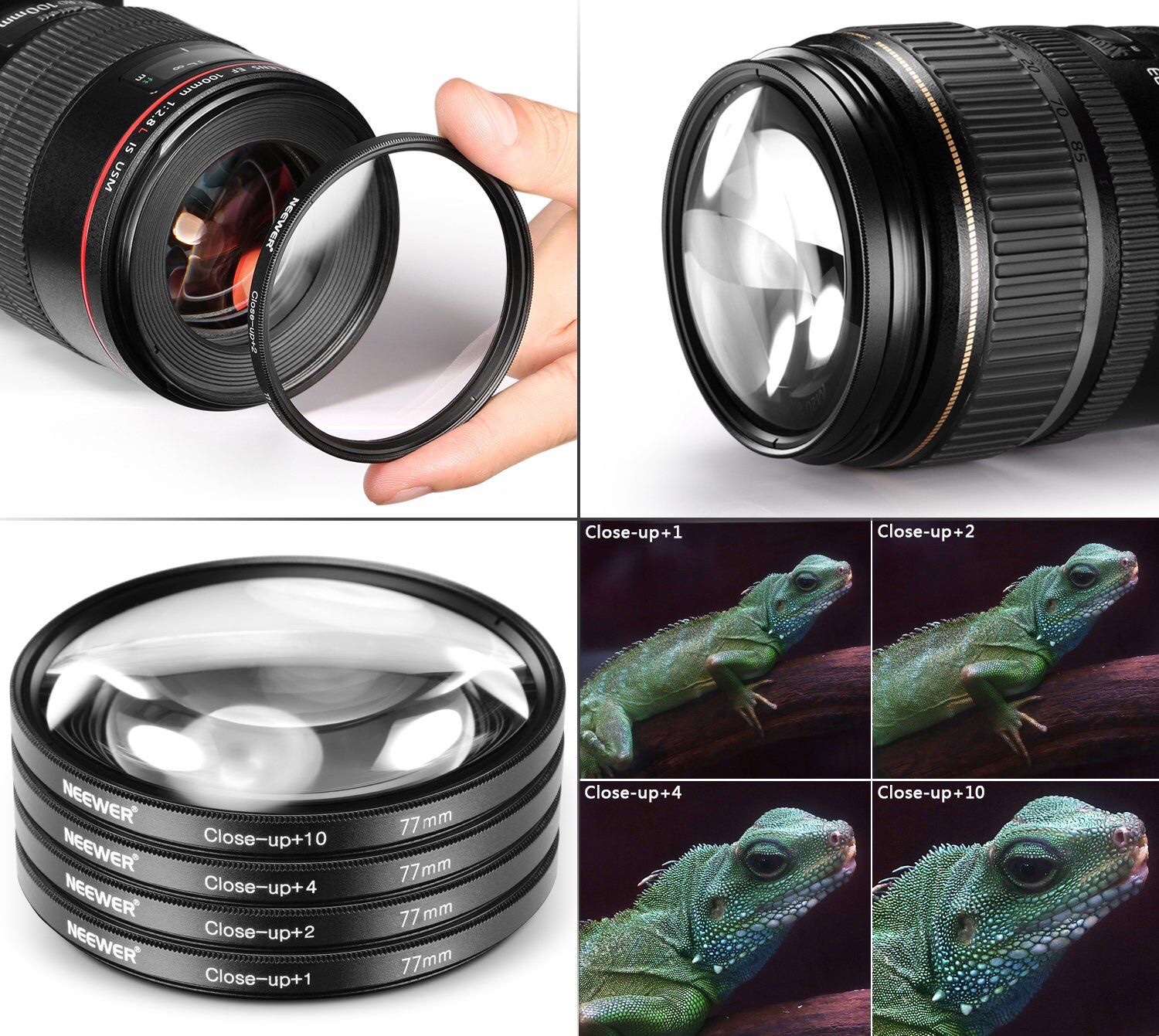
Adding one or more Macro filters adds to the magnification.
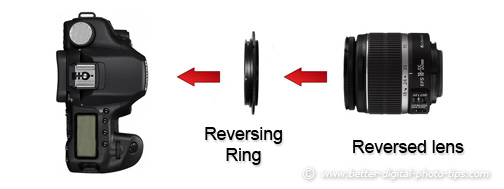
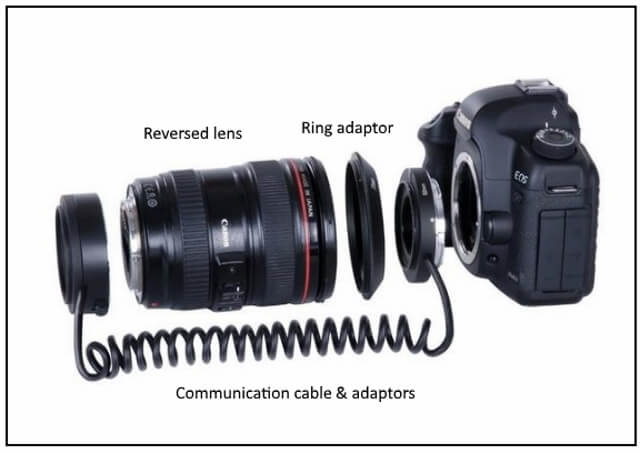
Reversing Ring
A reversing ring is a good and in-expensive way of achieving Macro photography. The ring allows you to attach your lens on your camera the opposite way to normal. With this you can achieve very close focusing.
Bellows
A Bellows is a pleated extendable part of the camera. Made for large or medium format cameras. The Bellows allows you to move the lens away from the camera much further than extension tubes.


Macro Lens
Macro lenses are not just used for Macro photography, they make great portrait lenses too.
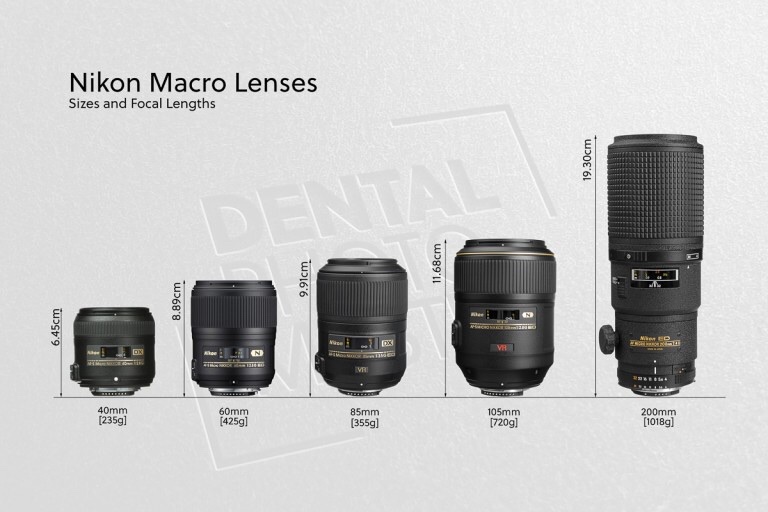
• Focal lengths up to 60mm – Useful in product photography (e.g. jewelry) and small objects that can be approached and lit in a controlled environment.
• 60-150mm – Usable with caution for insects, flowers, and small objects from a greater distance.
•Above 150mm – Ideal for critters where additional working distance and additional lighting options are preferred.
Taken from http://www.digital-photography-school.com
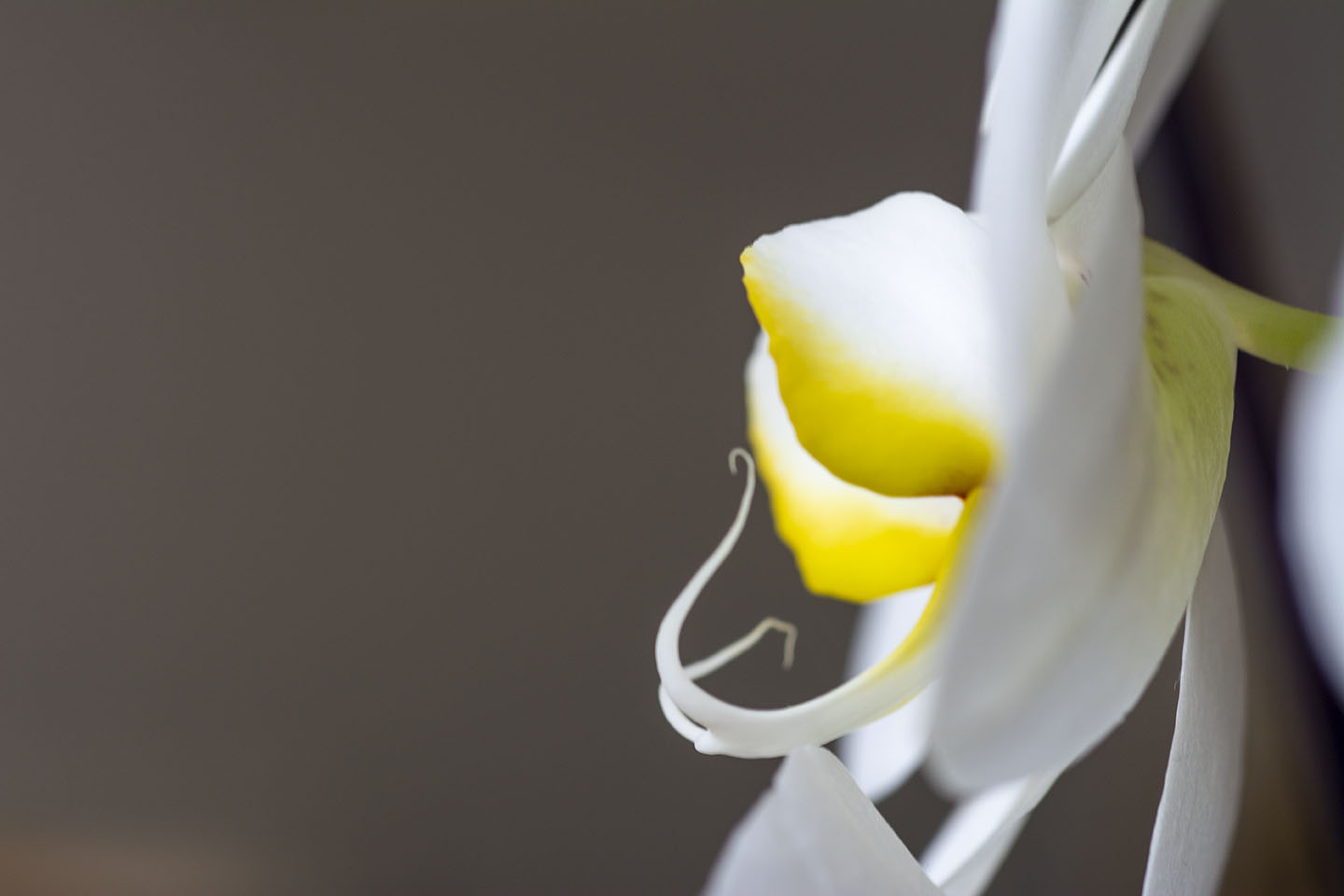
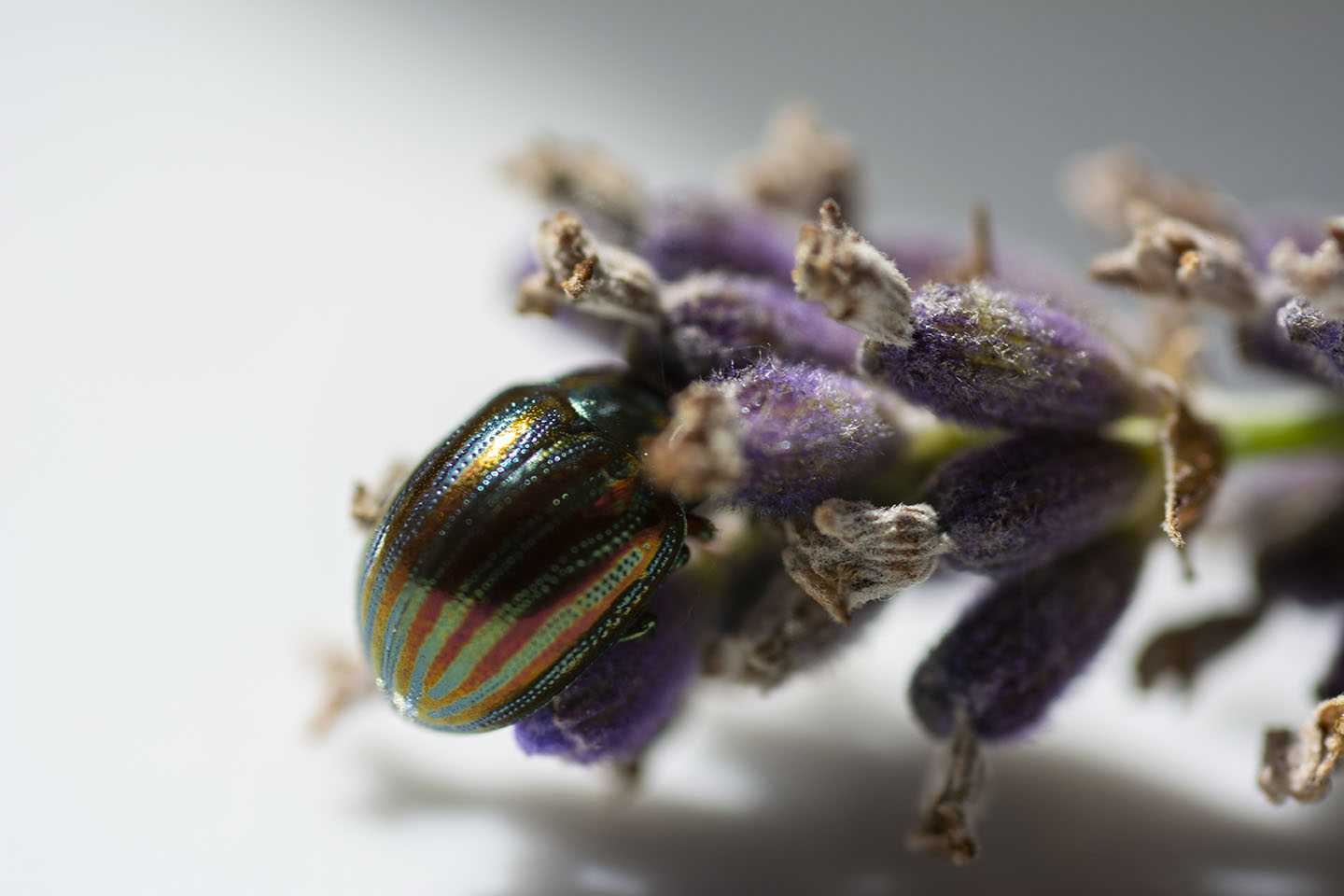
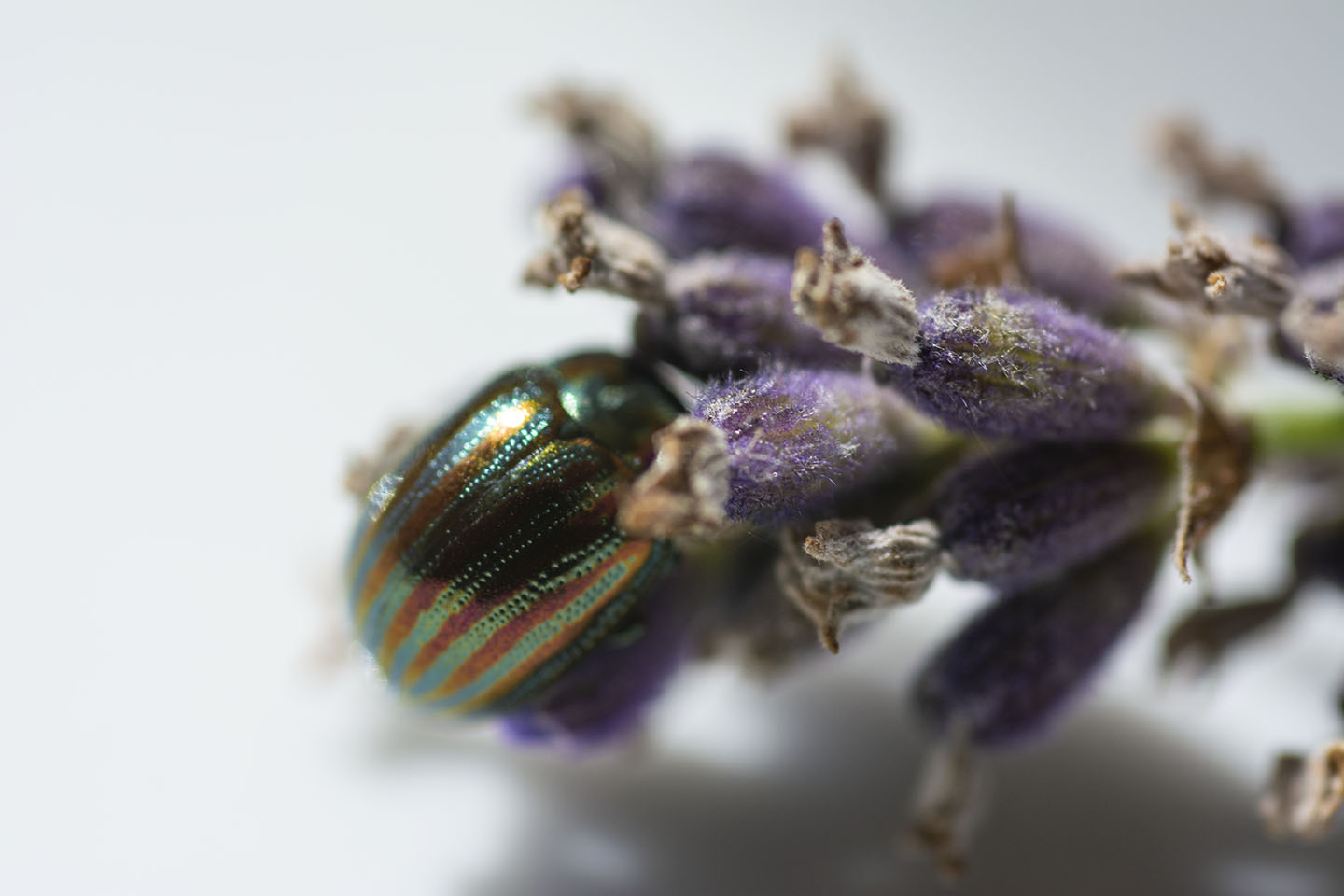
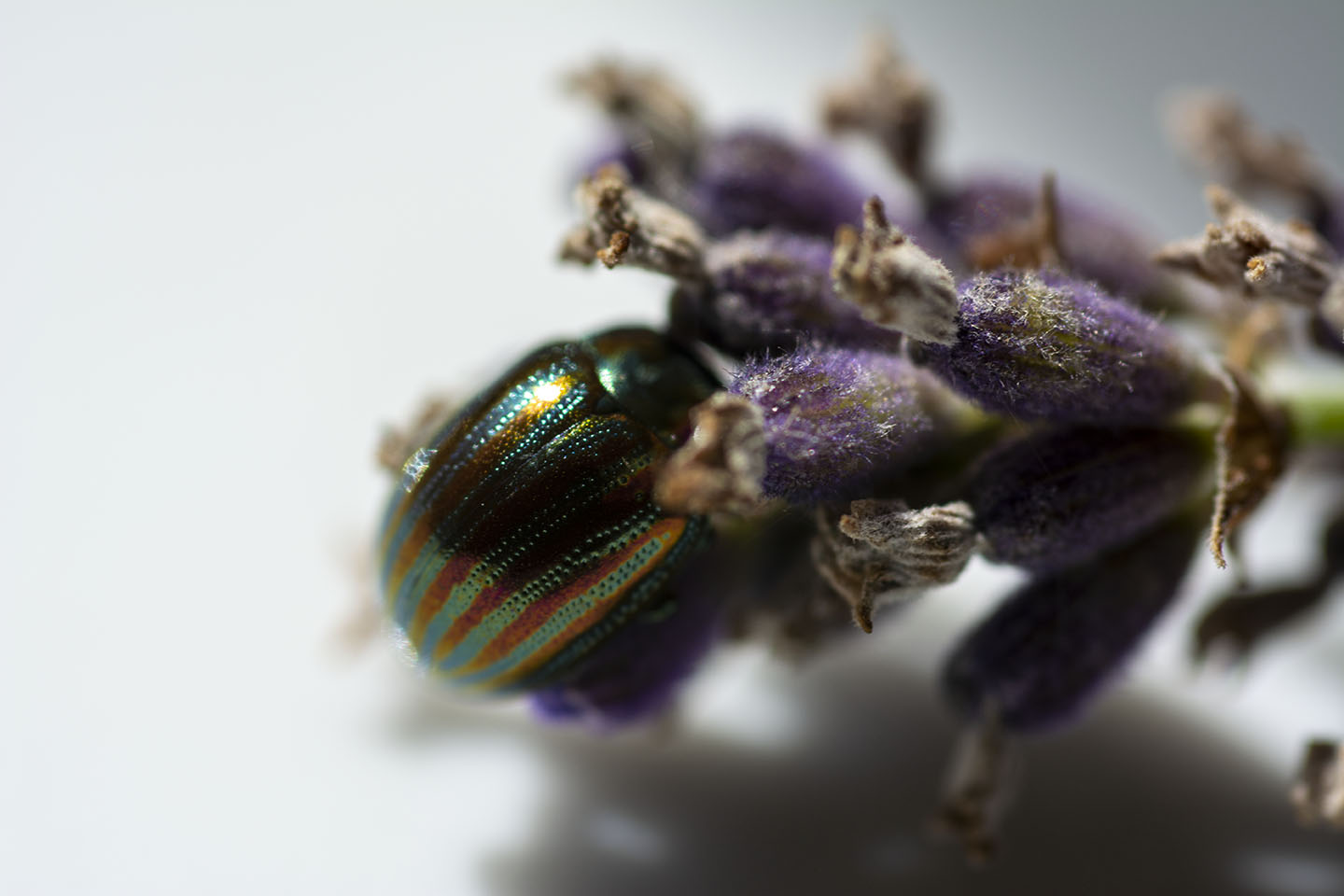
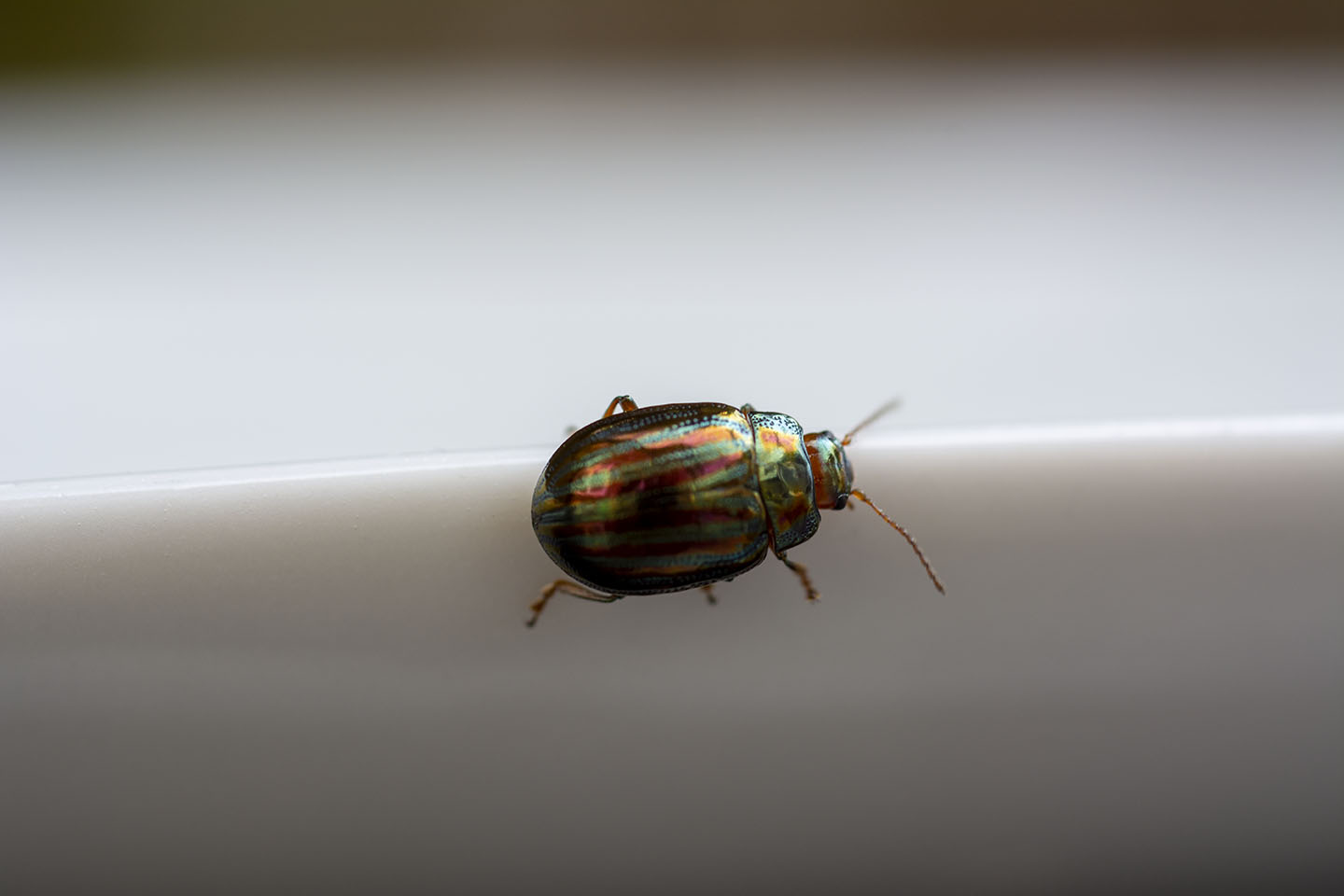
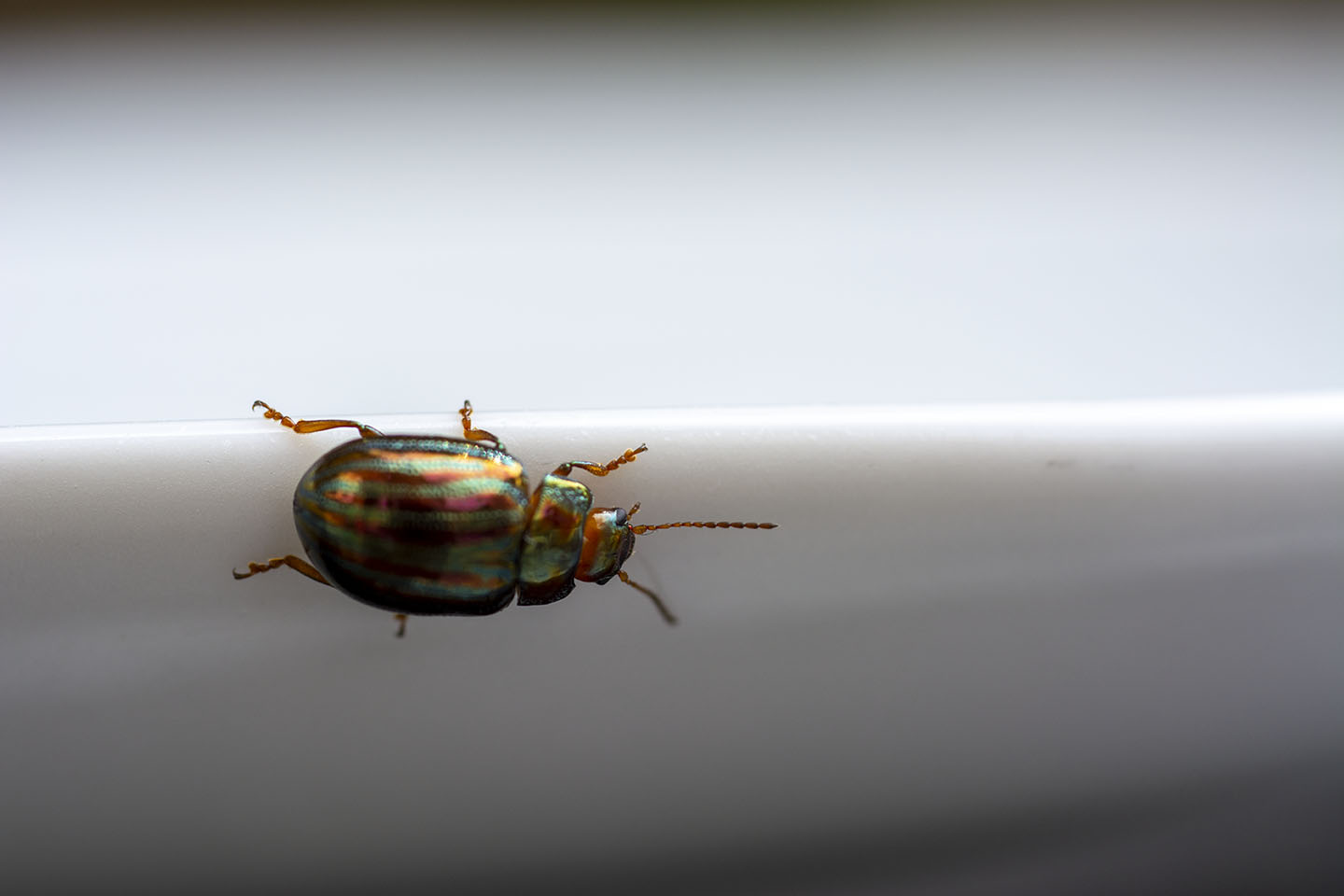
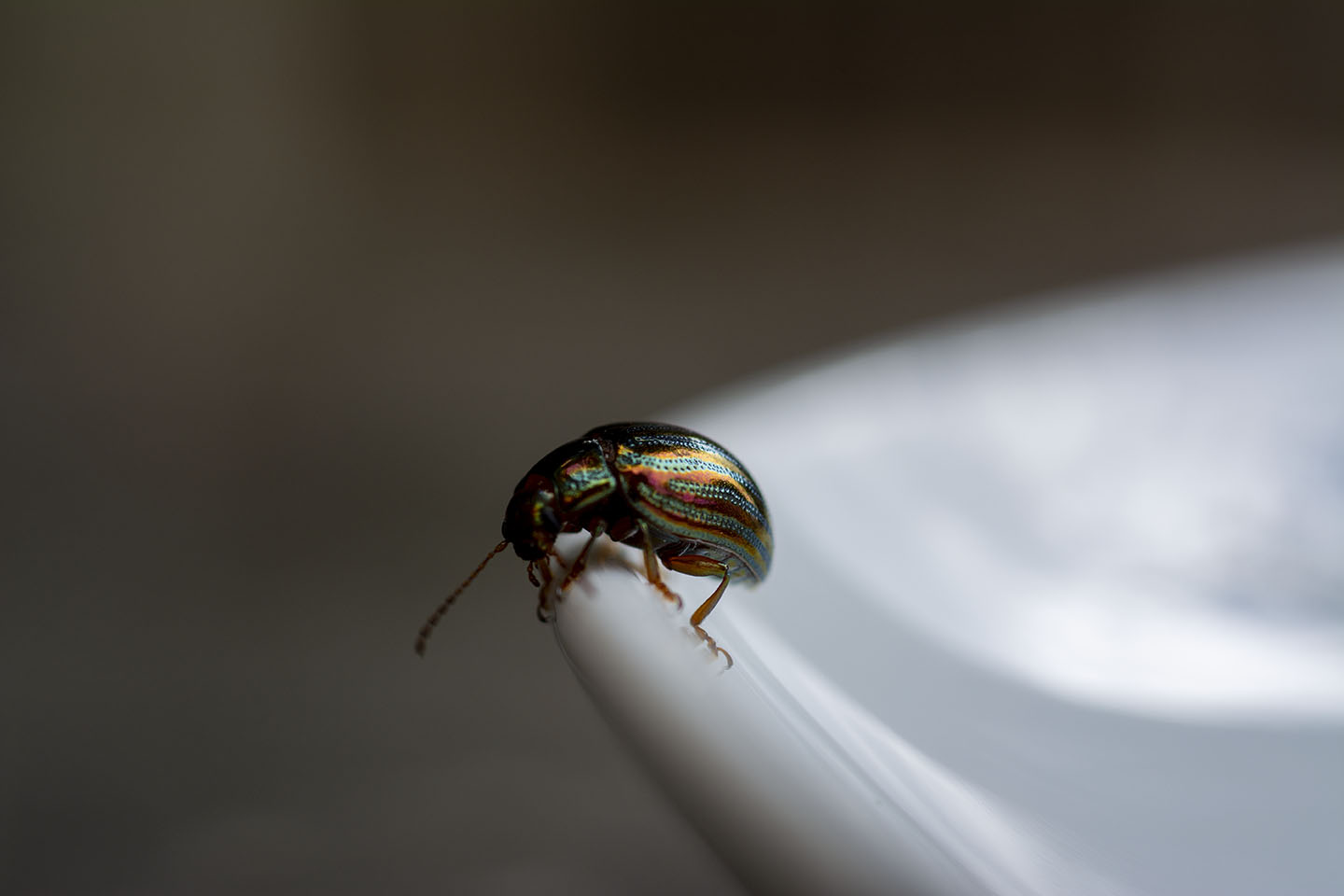
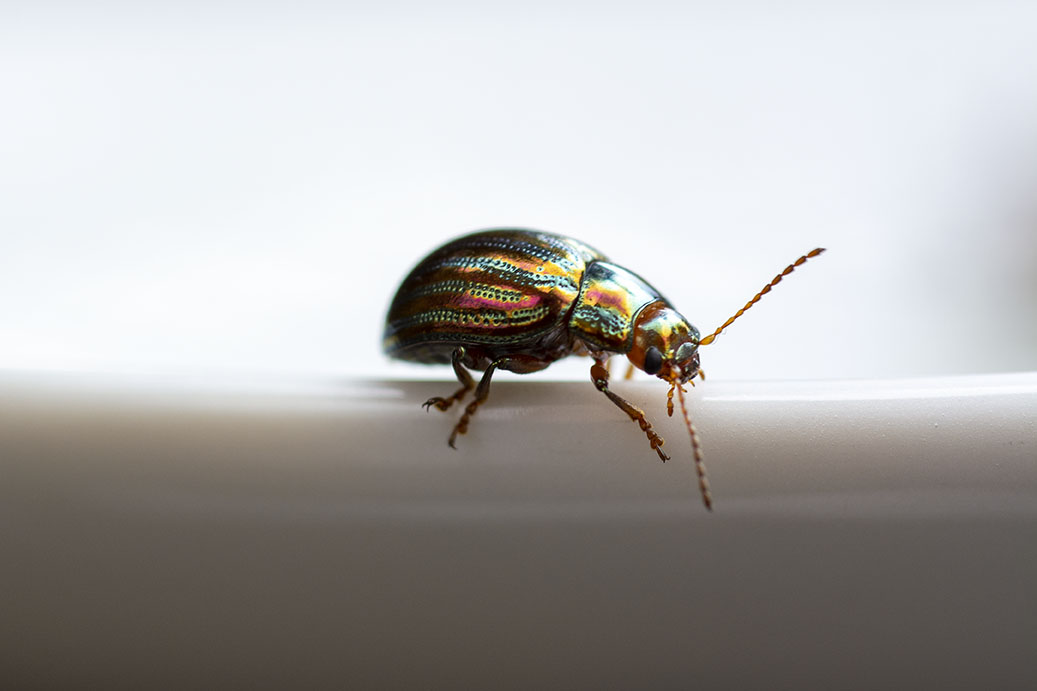
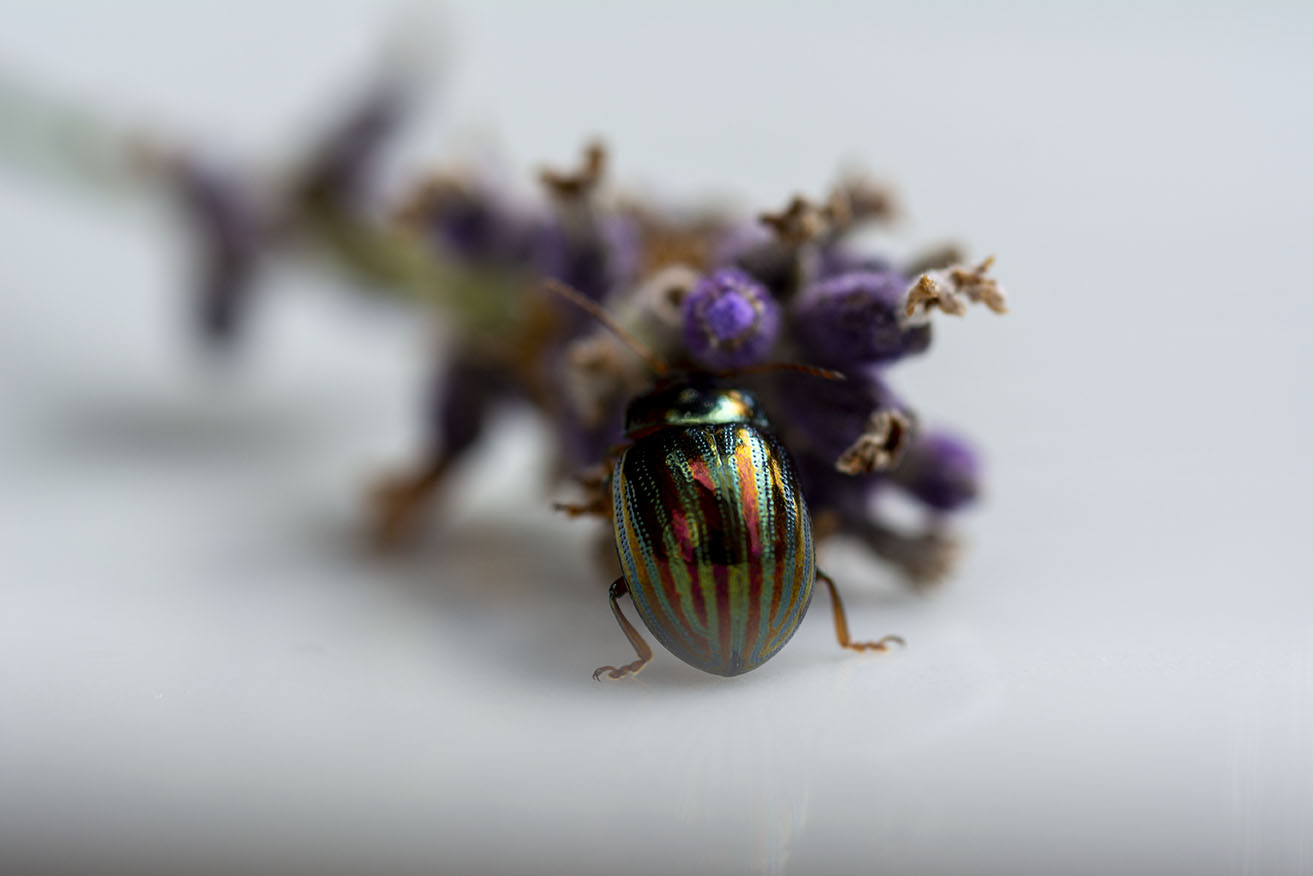
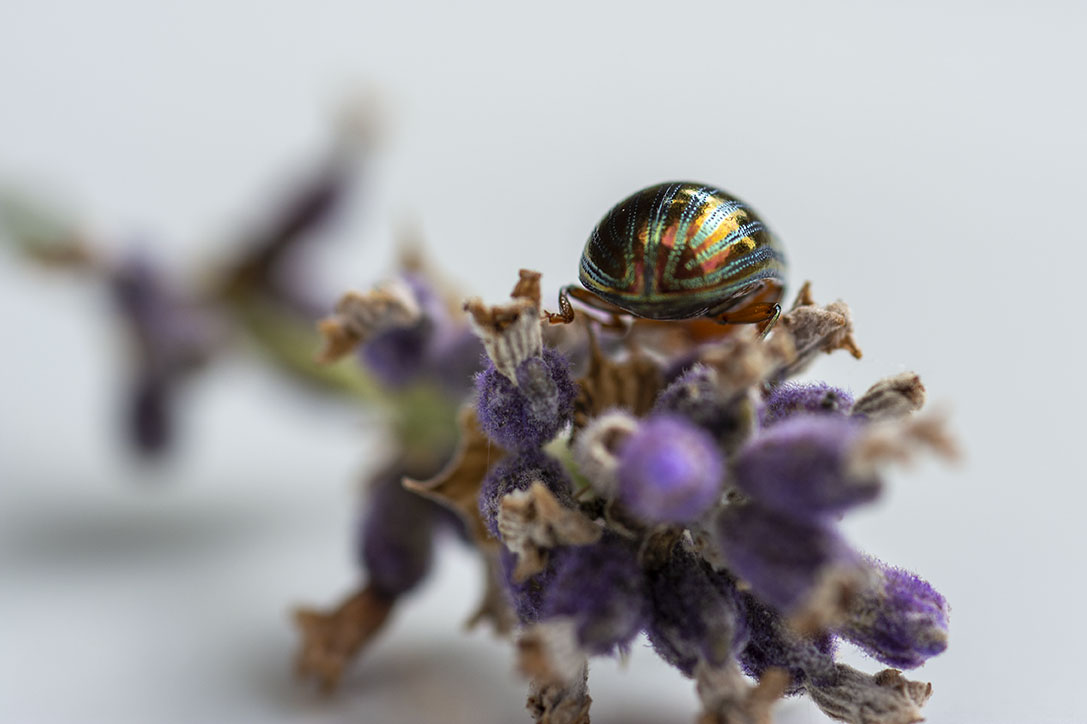
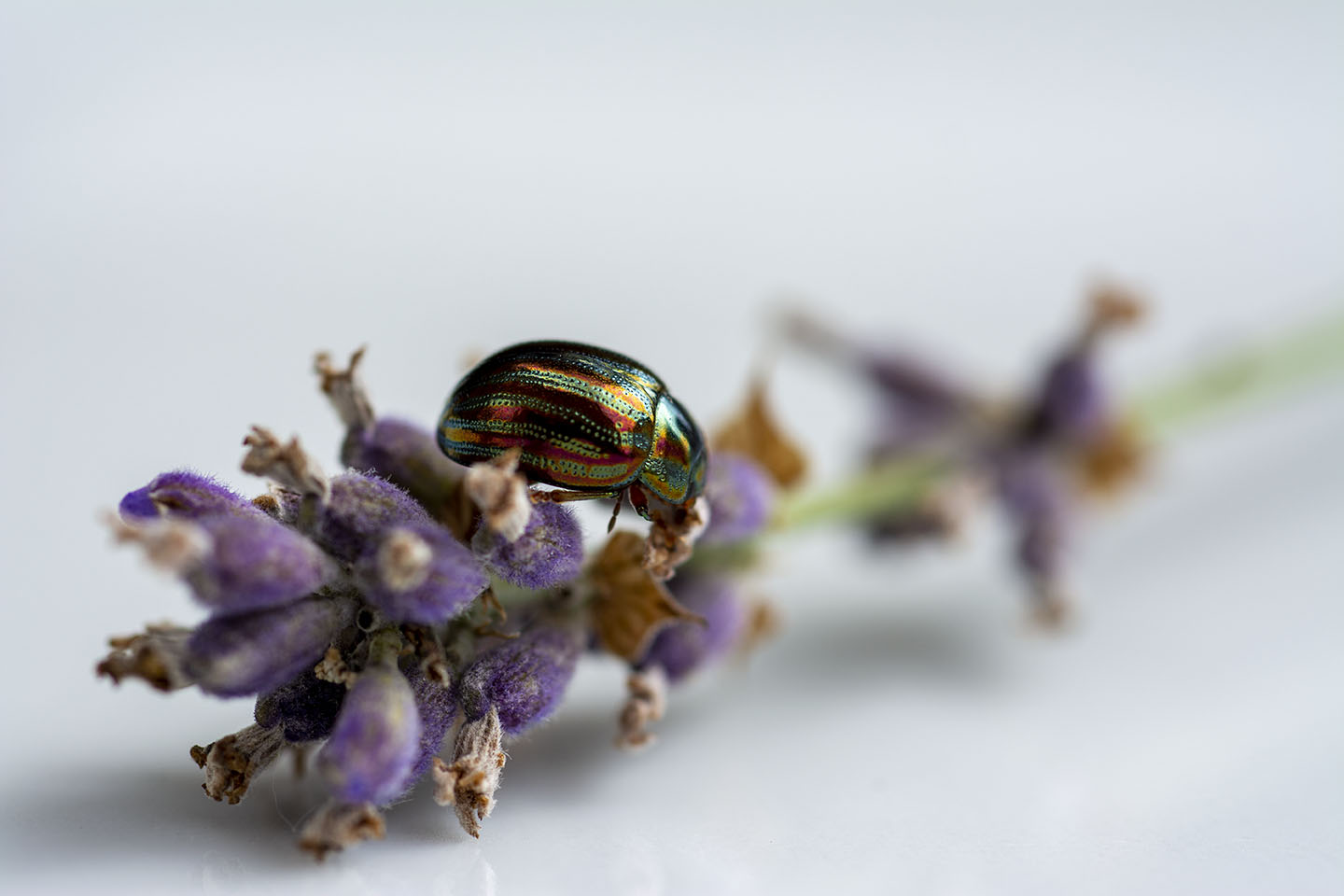
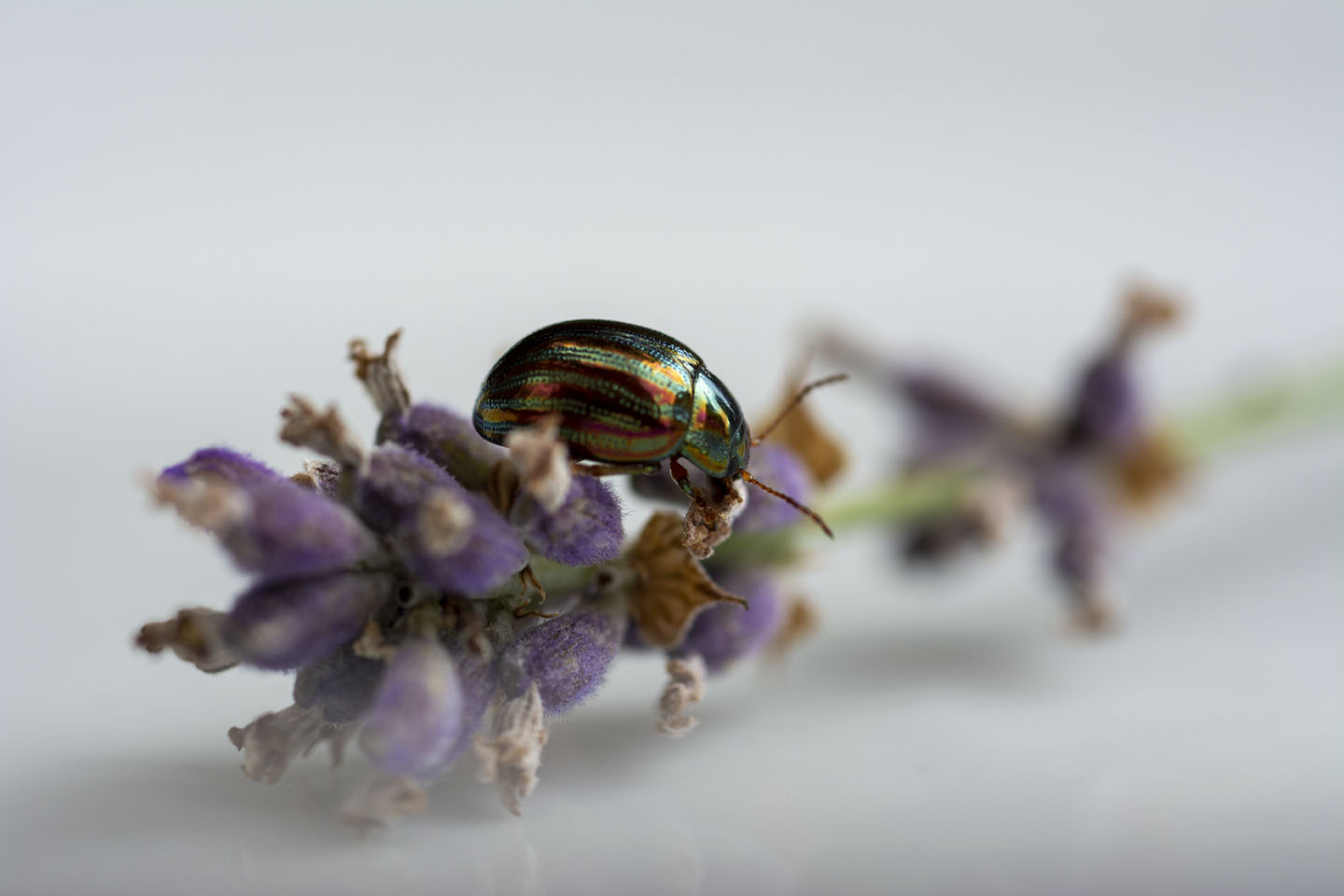
Some of my own Macro shots
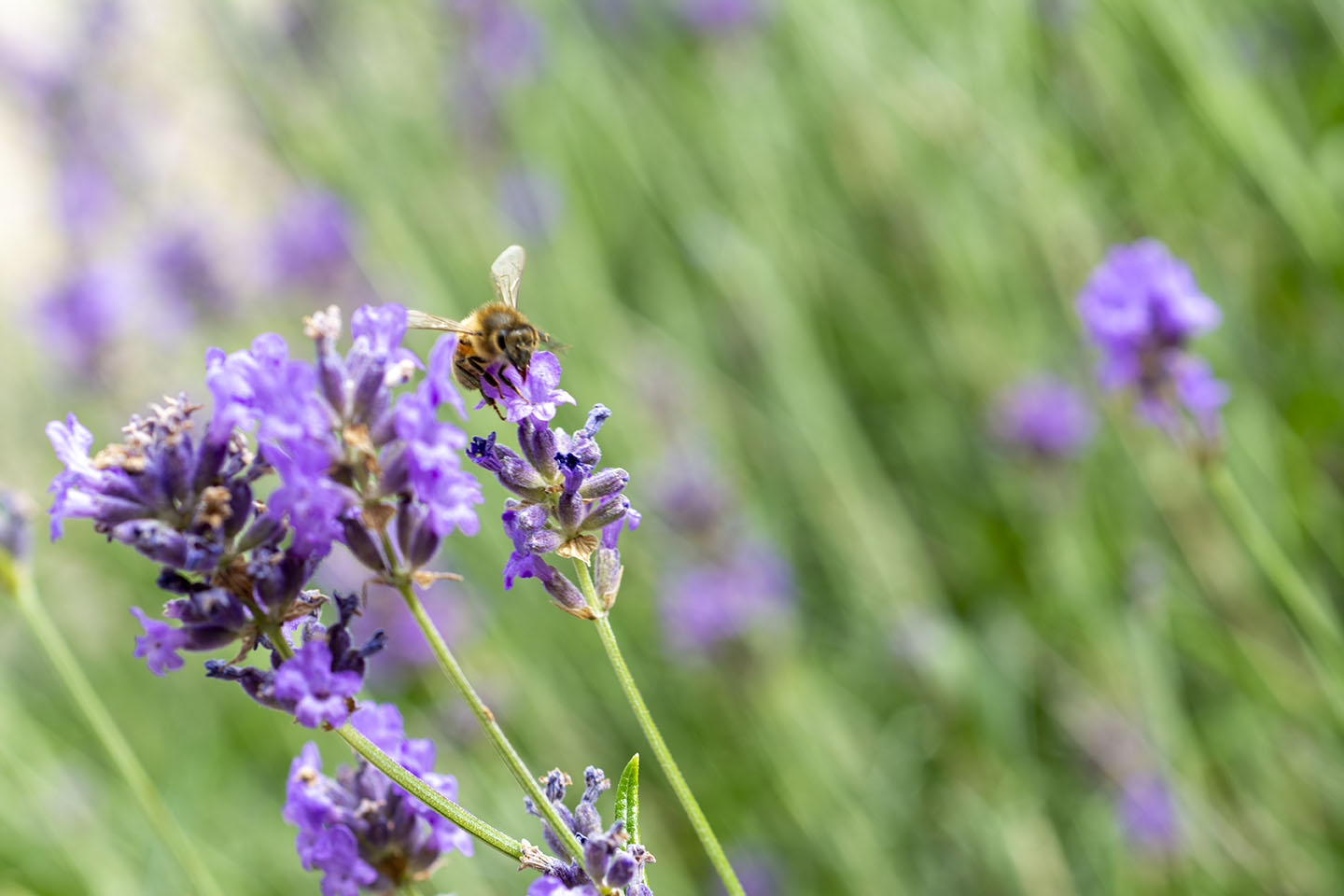
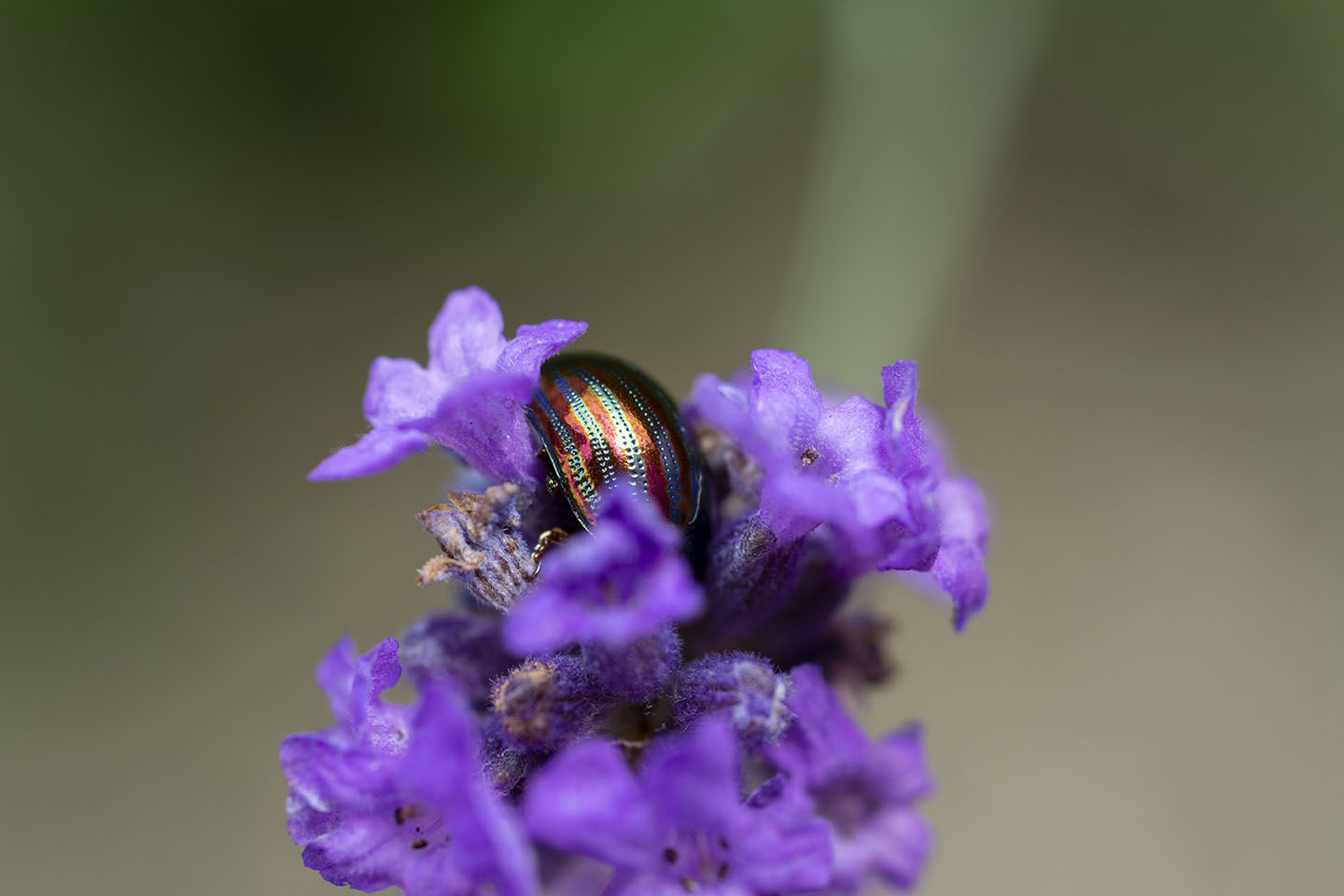
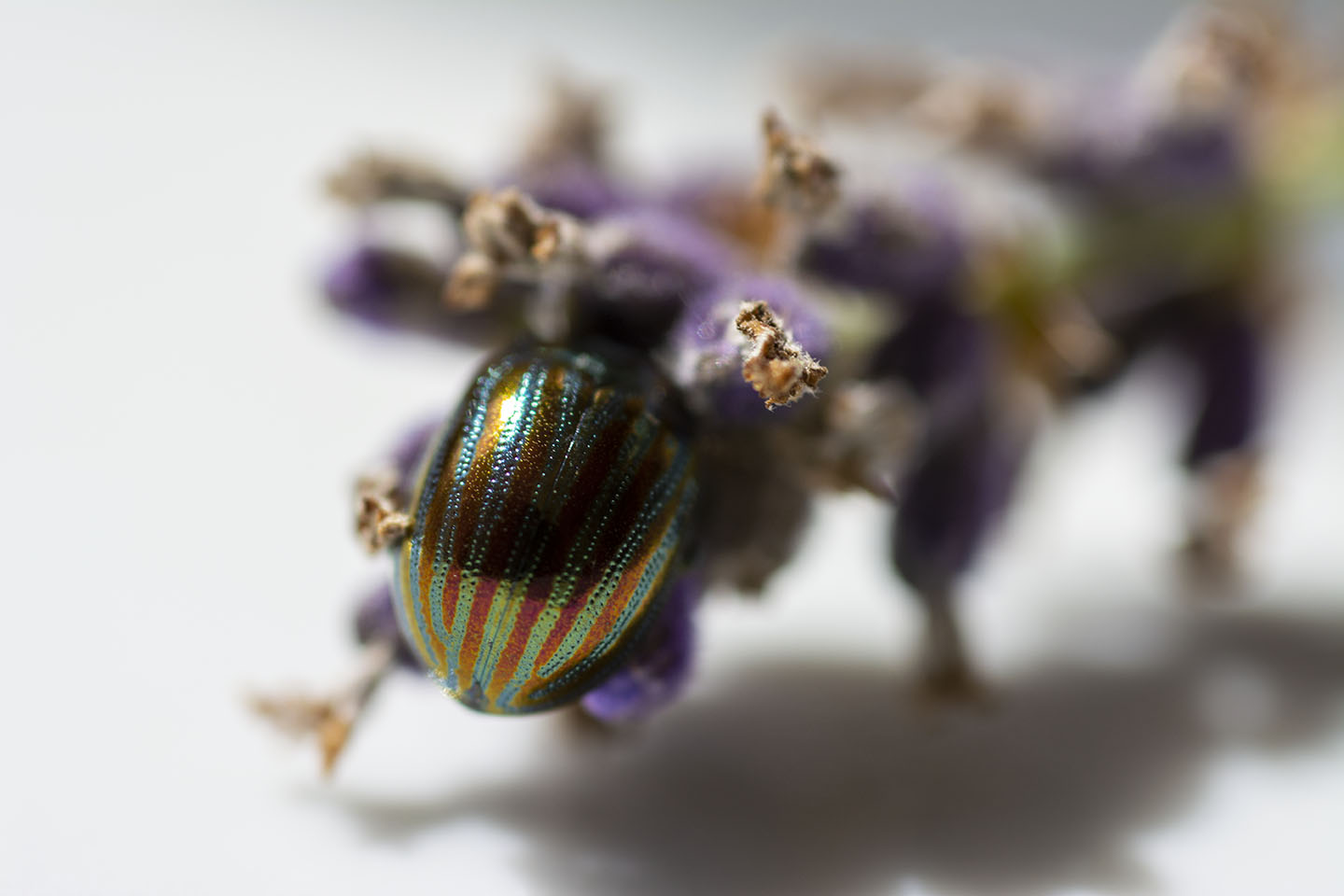
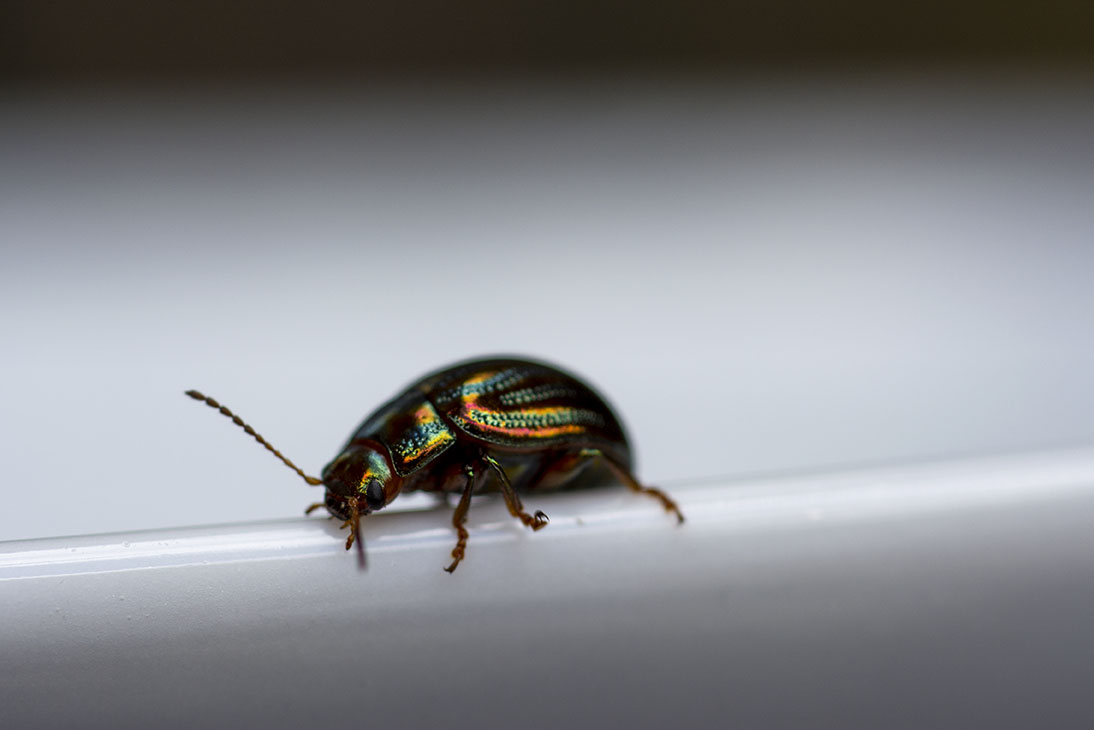
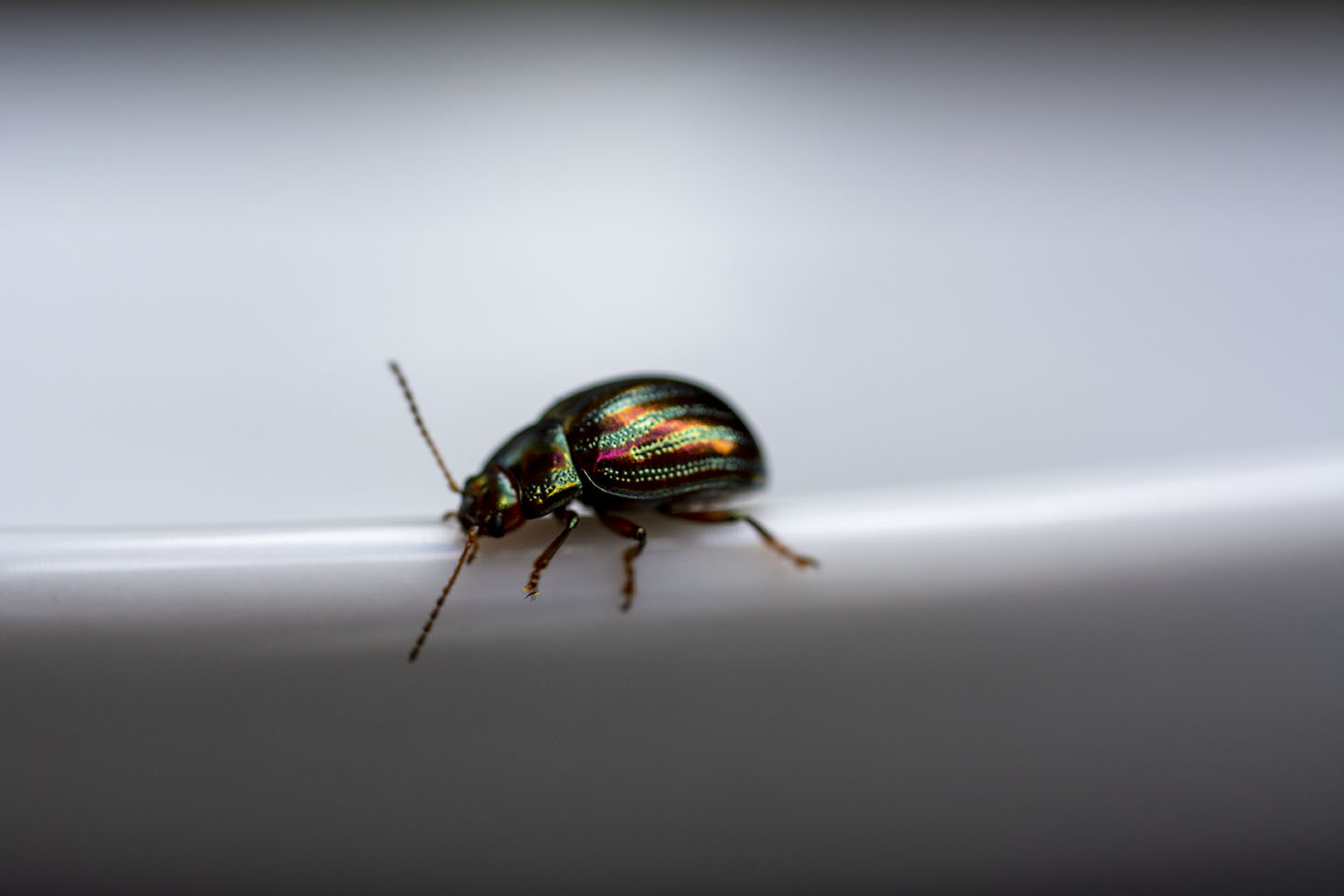
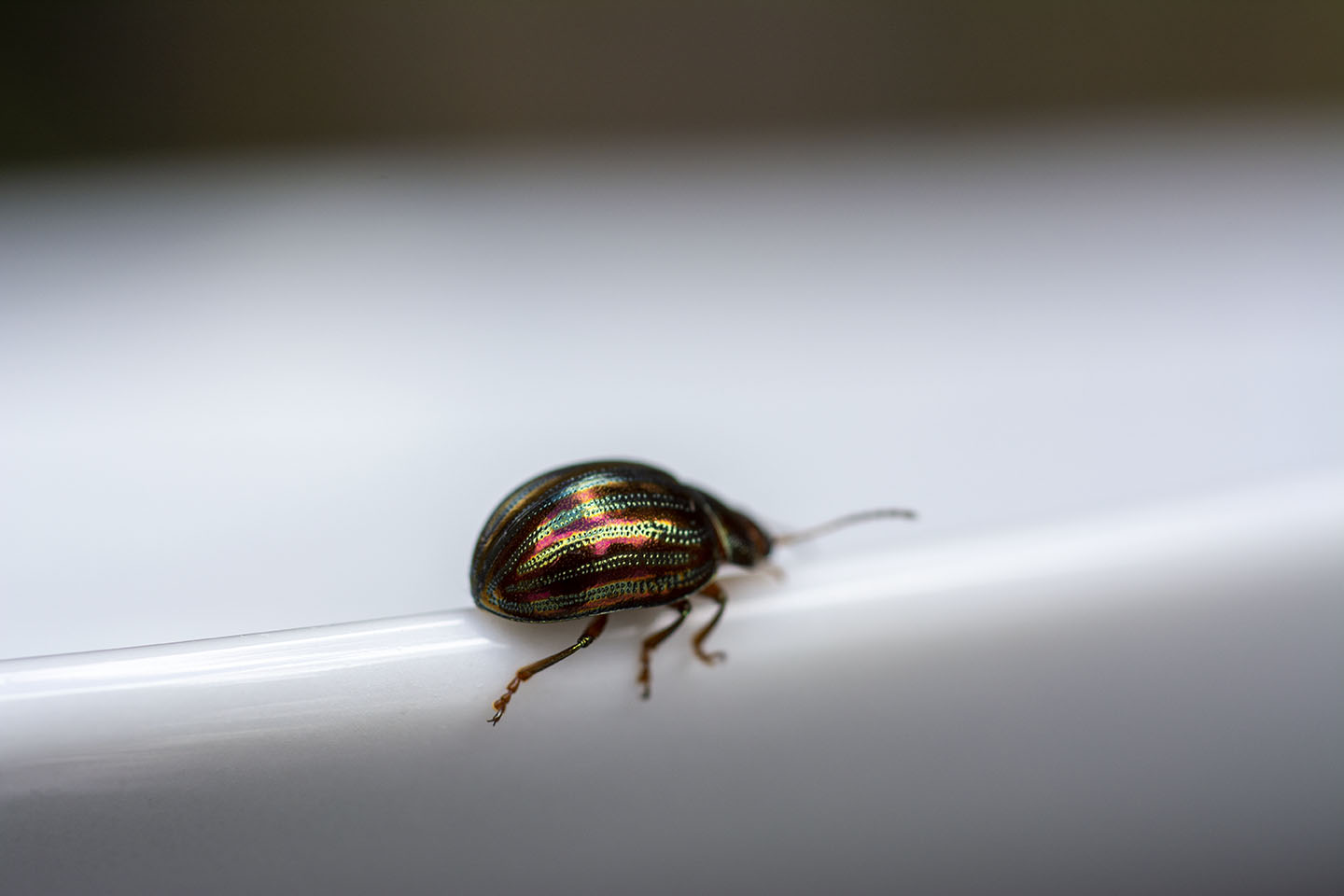
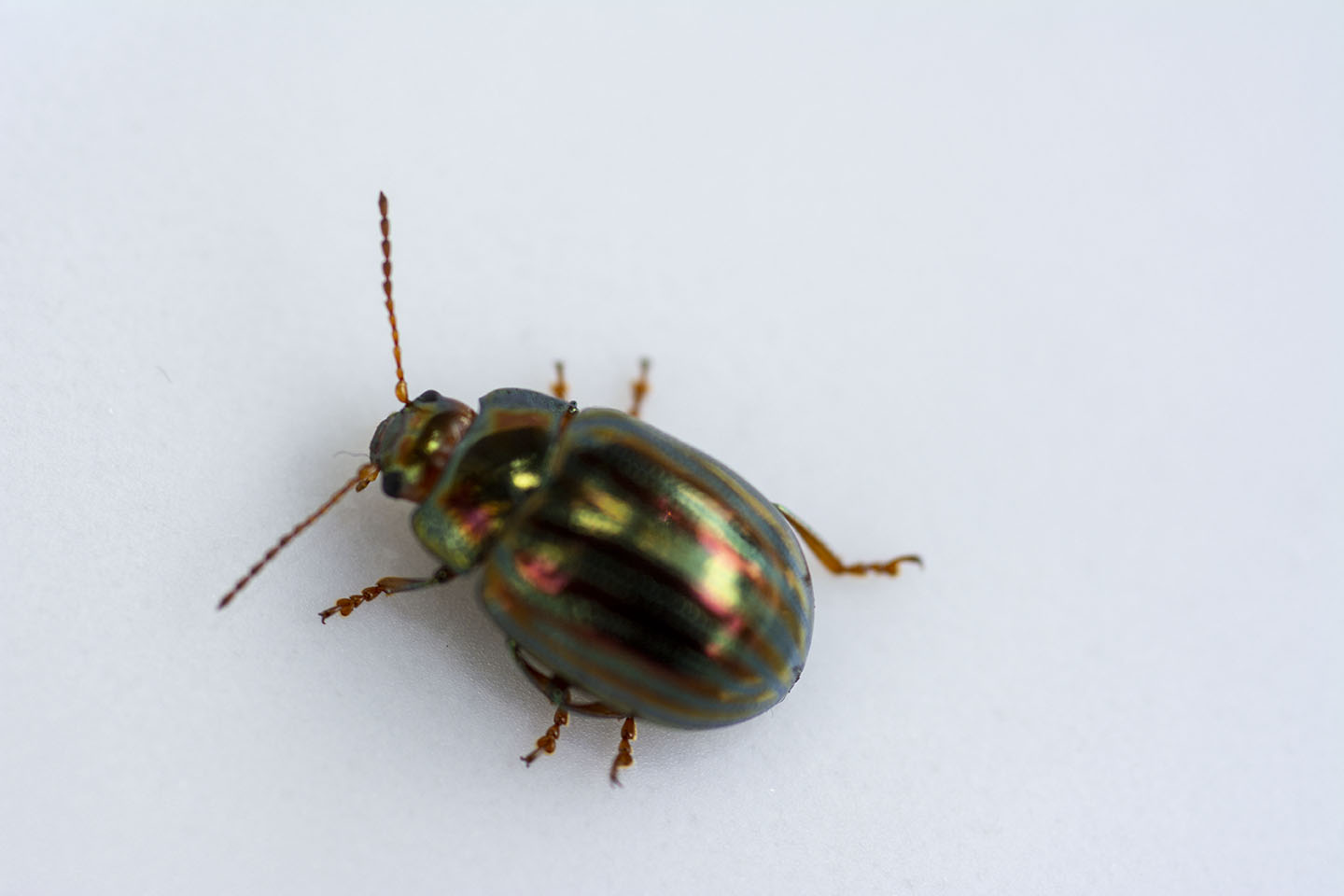
I really loved the colours of the Rosemary Beetle on the Lavender, so I cut a piece with a beelte on and placed it on a plate to try and get a better shot. I had to coax the beetle off the plant as they seem to love being face down in the Lavender.
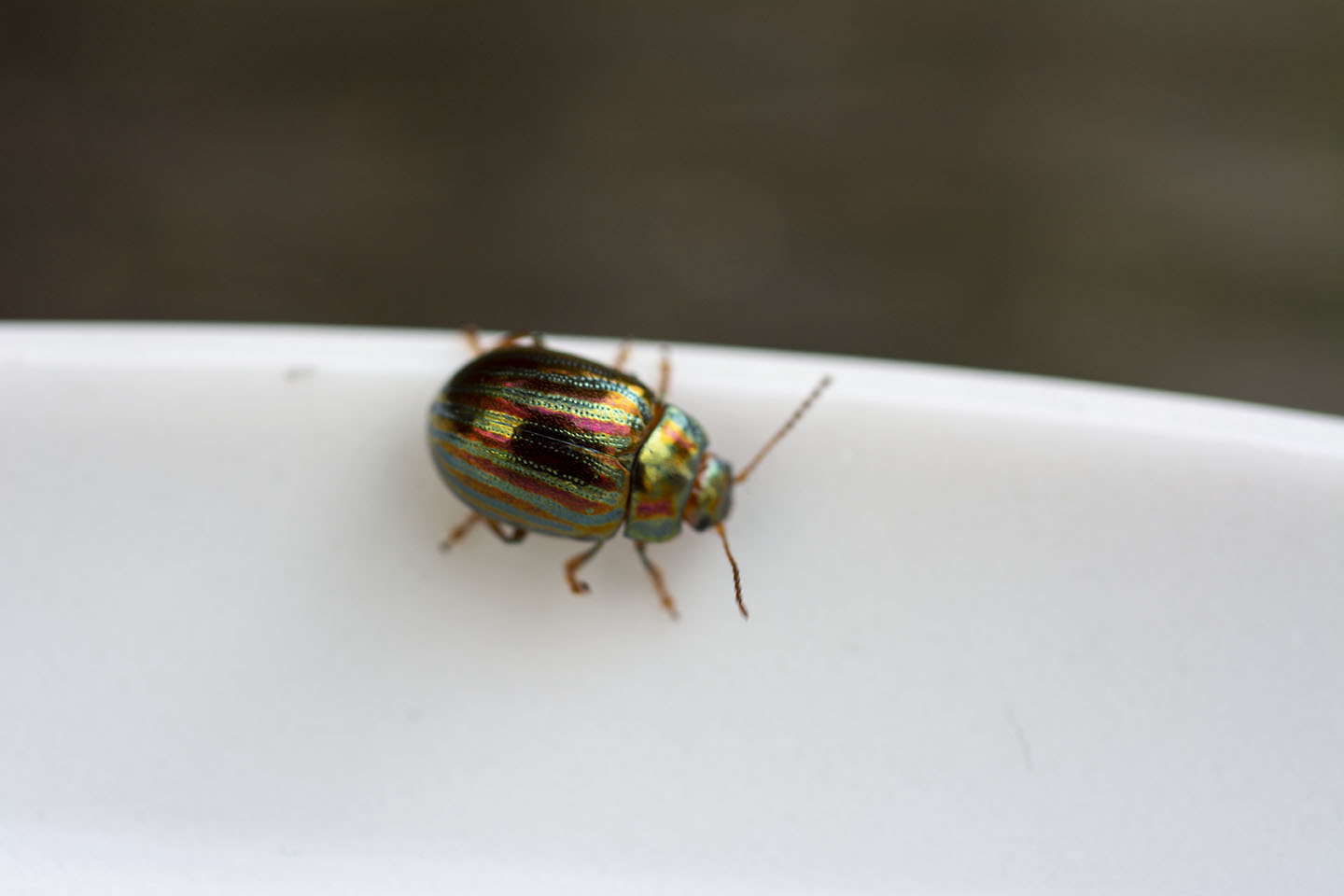
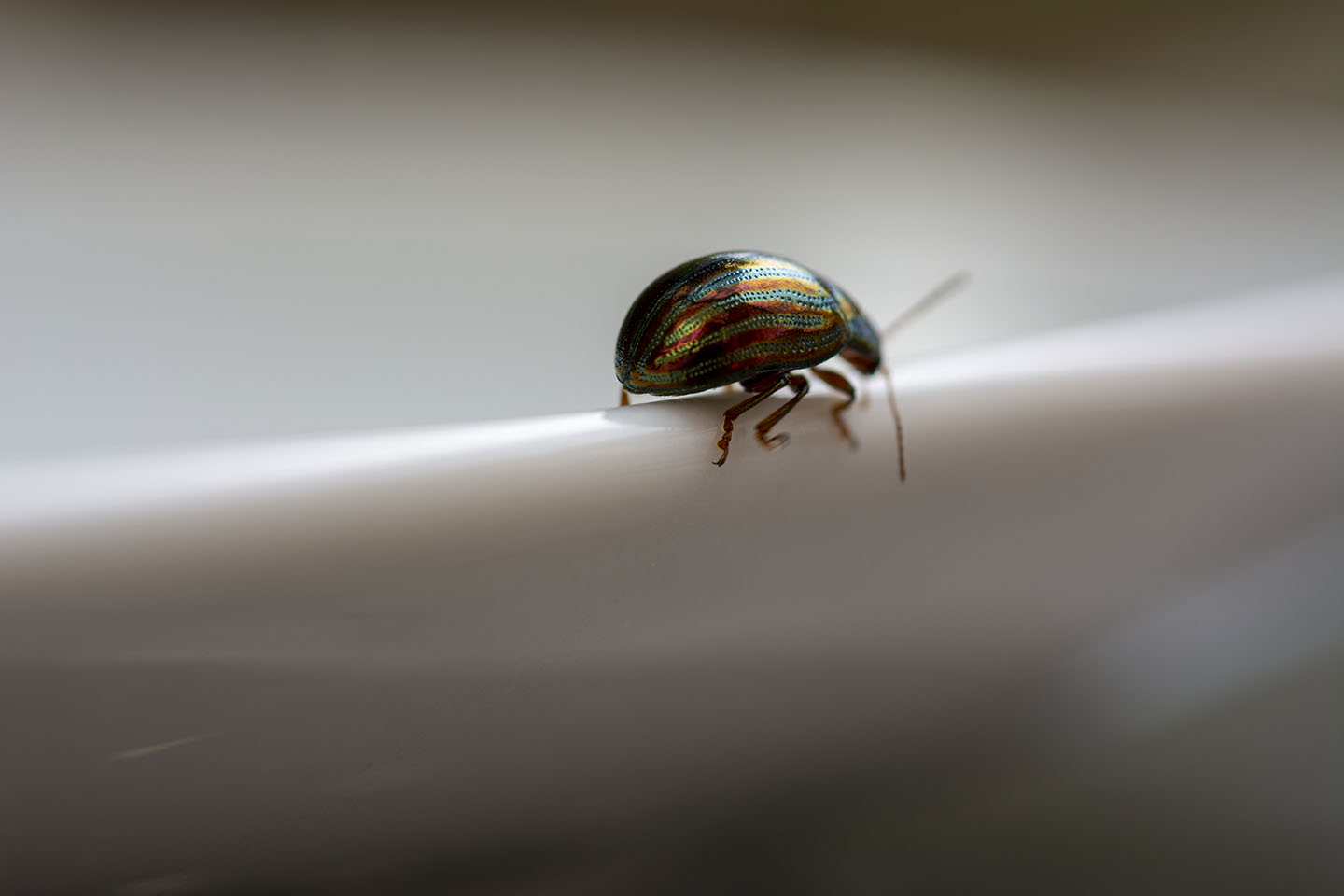
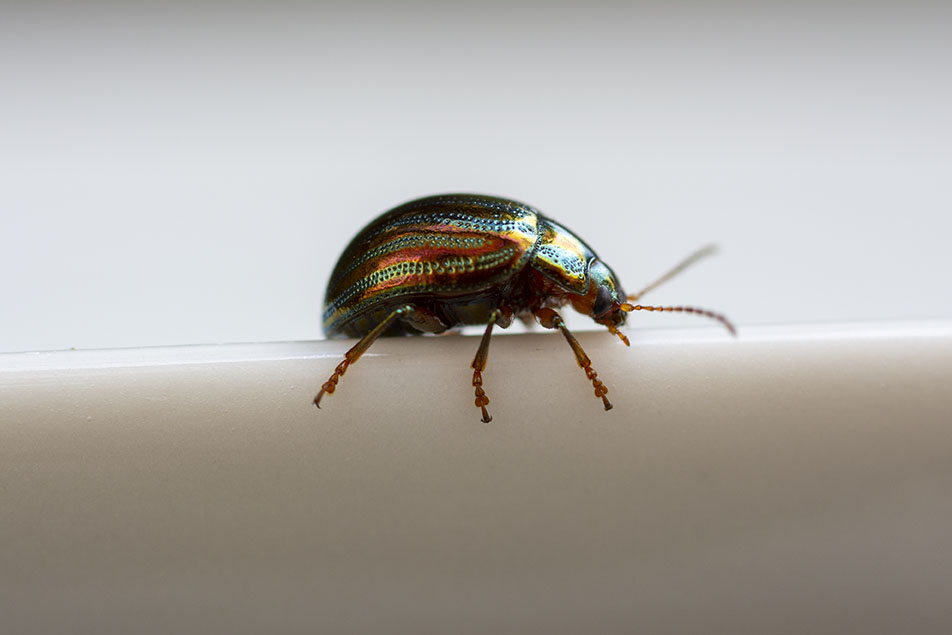
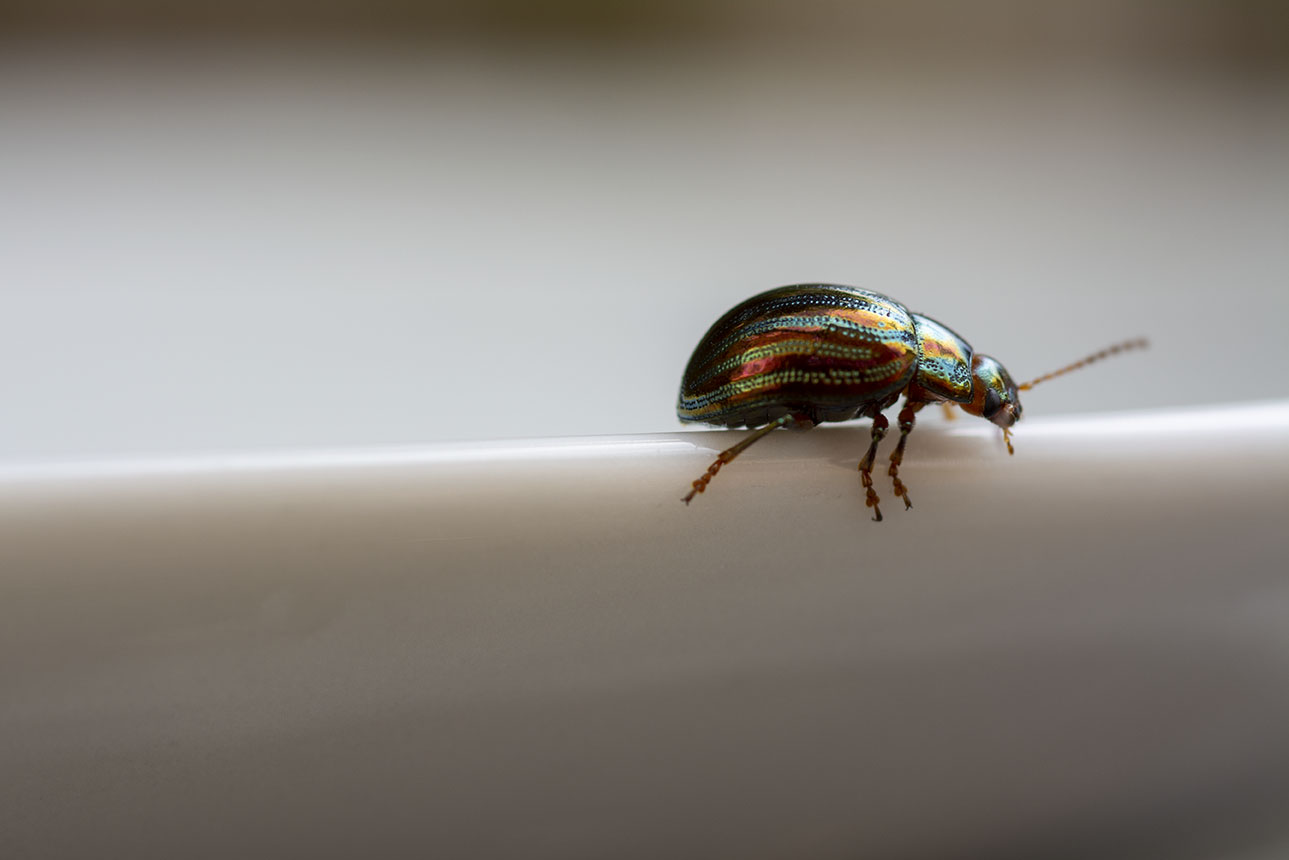
Focus Stacking
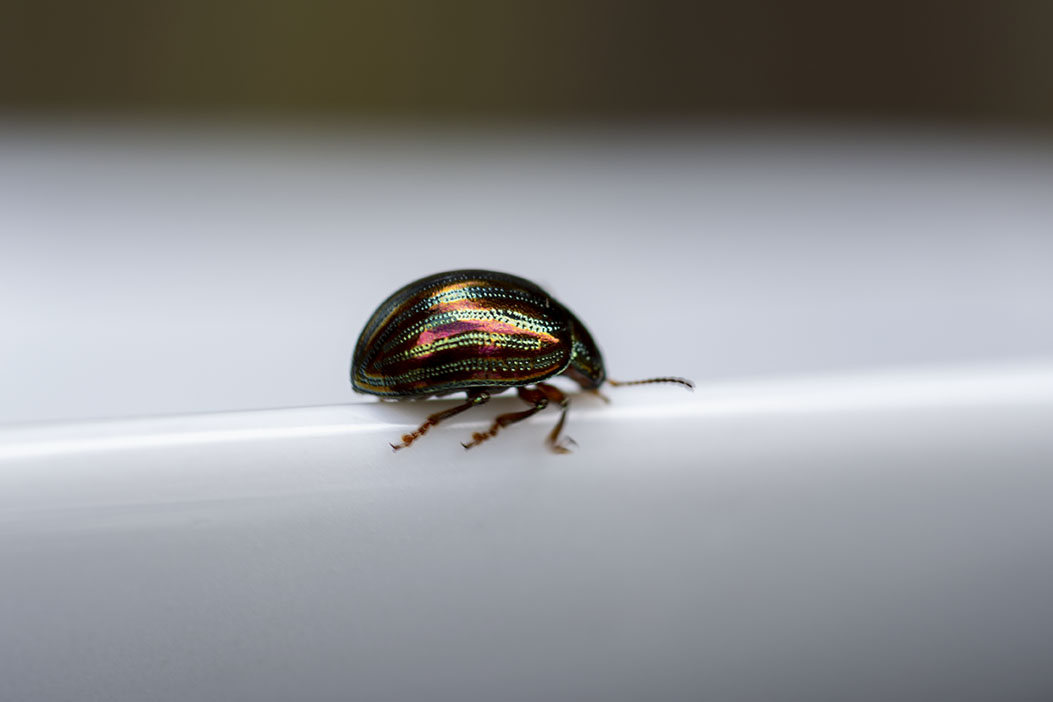
Macro photography is fantastic and I love the detail that can be magnified. This photograph below shows I have captured this beautiful beetle using a Macro lens. The beetle that is just bigger than a ladybird and appears to be a lot larger. The focus point is on its legs and everything else(the beetles back etc) are slight out of focus.
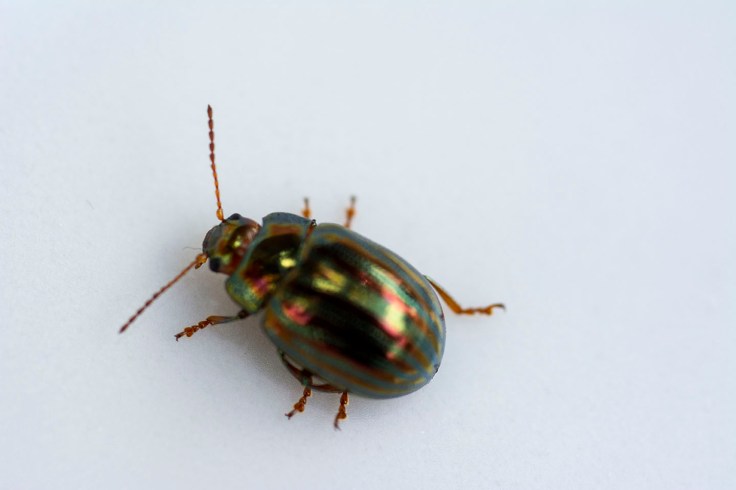
With Macro photography the depth of field is very shallow, so to be able to photograph this beetle fully I need to do some Focus Stacking. This is where many shots are taken of a subject but each time the focal point is changed. Then all of the images are stacked together in Photo shop. This will allow a larger area of the photograph to be in focus.
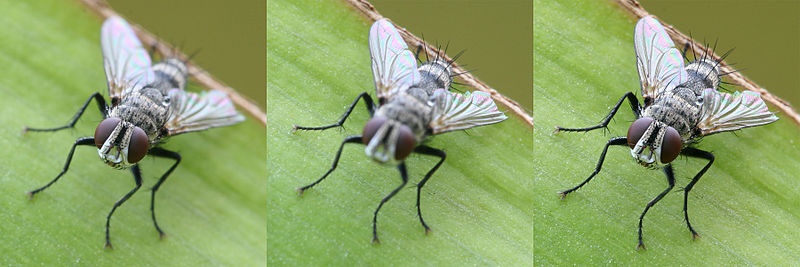
These three images above, show how you can achieve a better Macro image using focus stacking. The first image the focus point is the front of the fly(the eyes), the second image the focus point is the back of the fly(the wings) and the last image is the two images stacked together. I definitely am going to try this technique if I can get a subject to be still enough.
 My Photography Journey