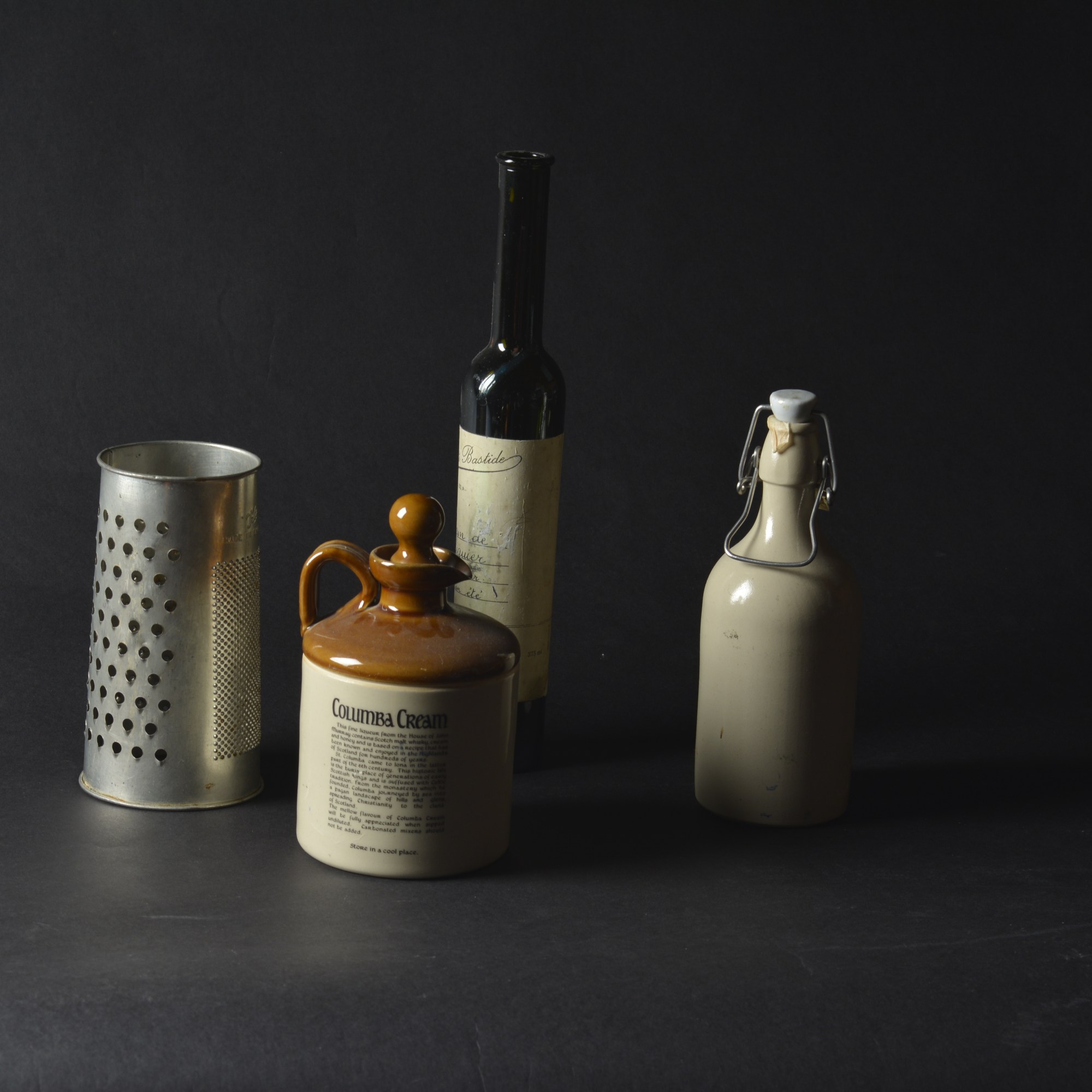
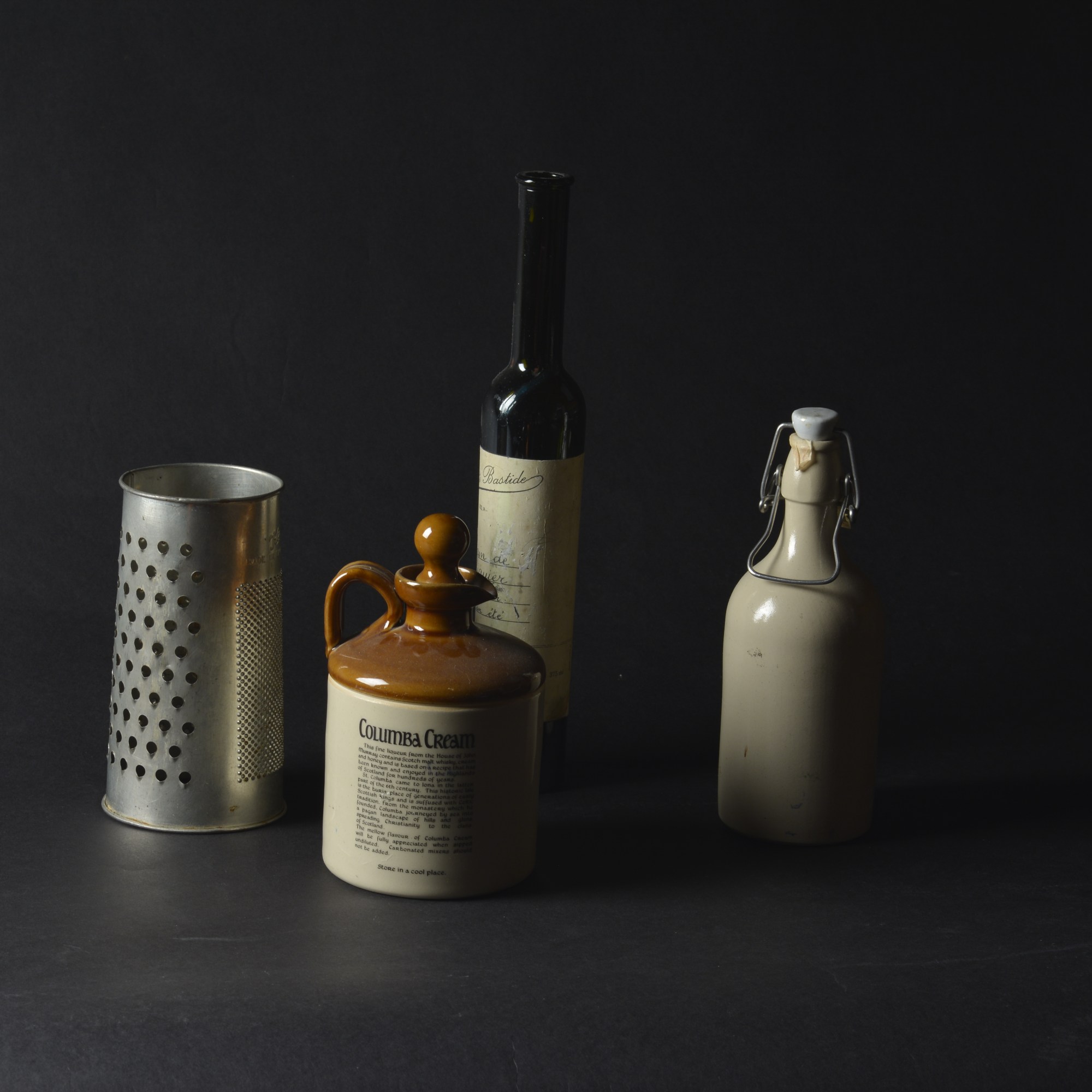
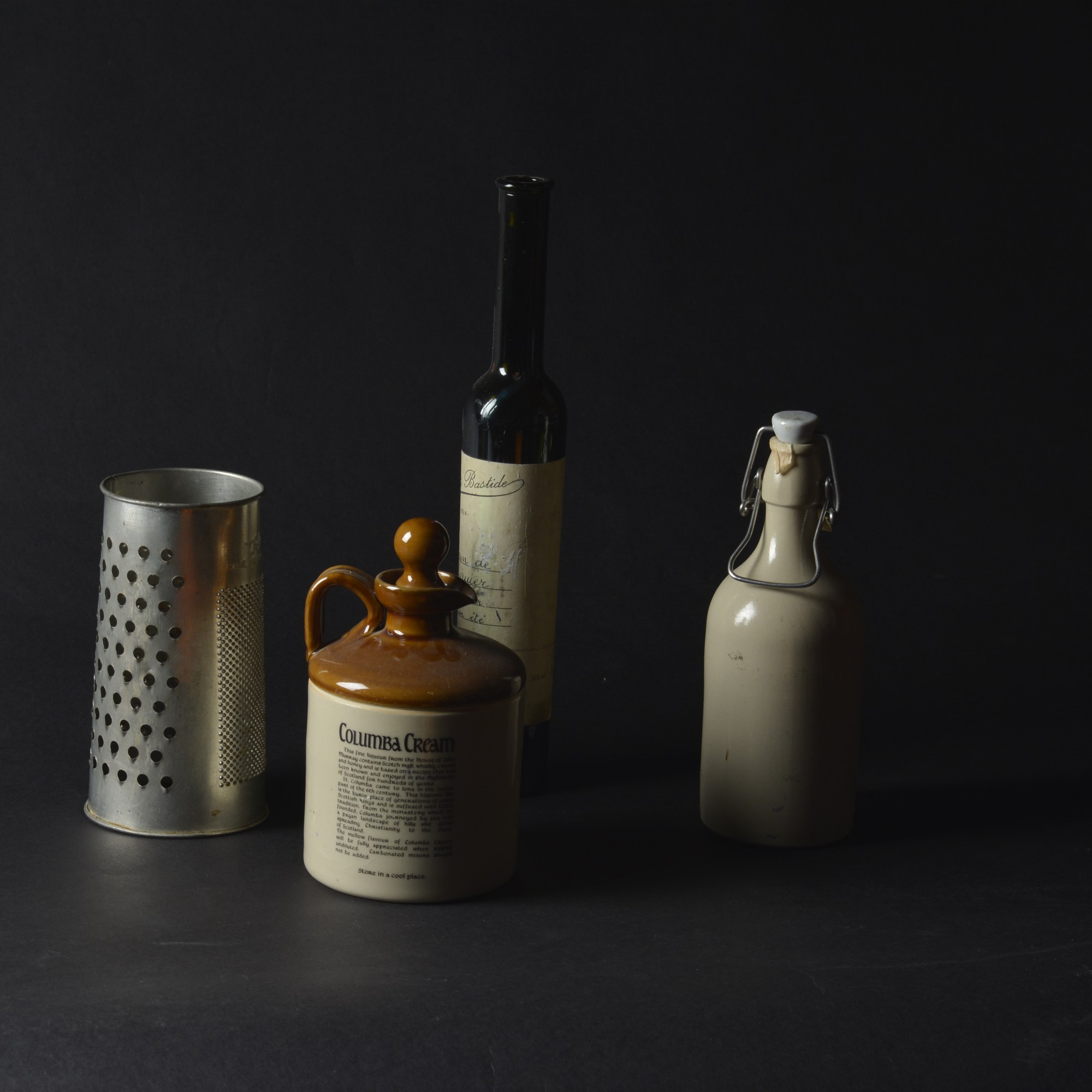
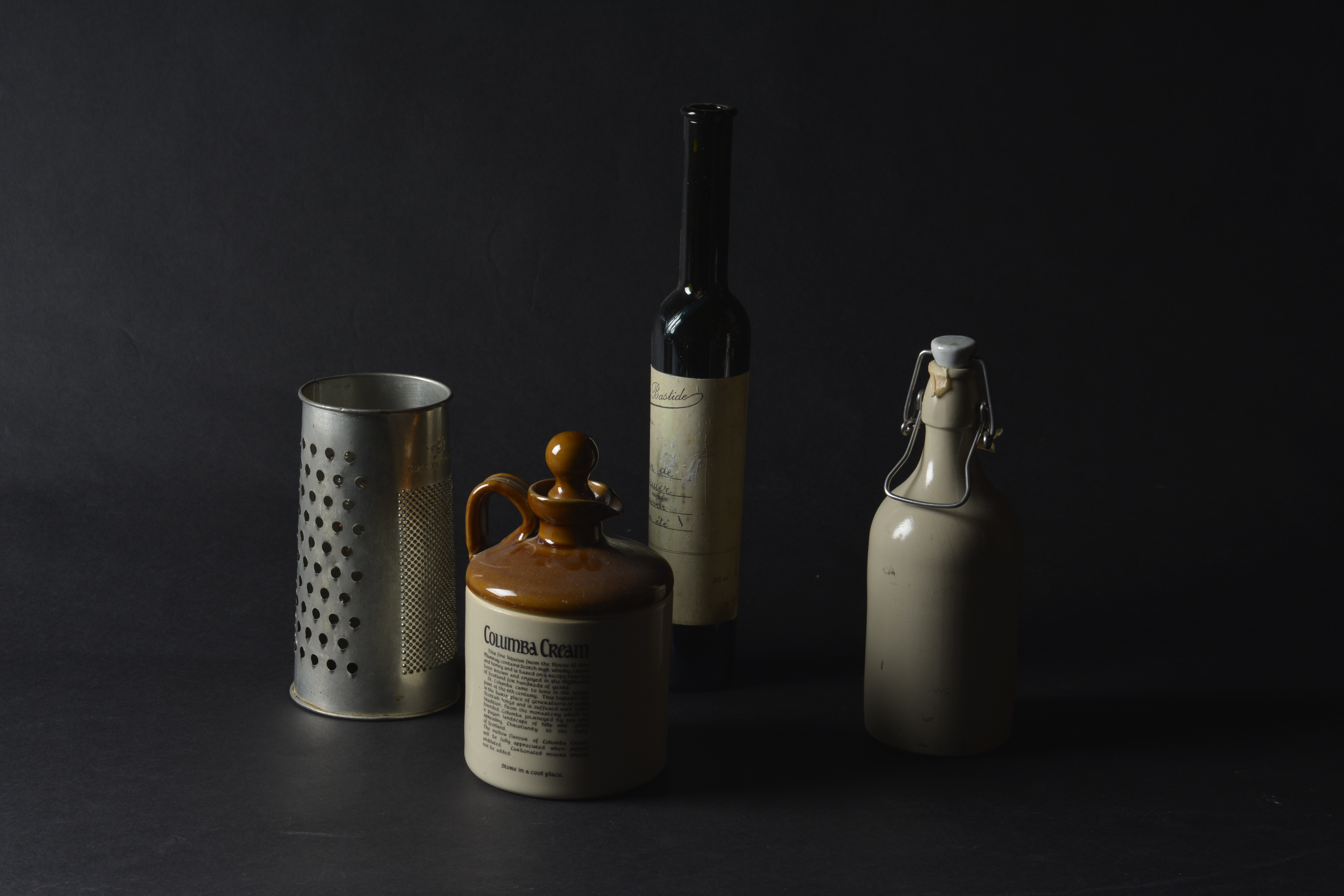
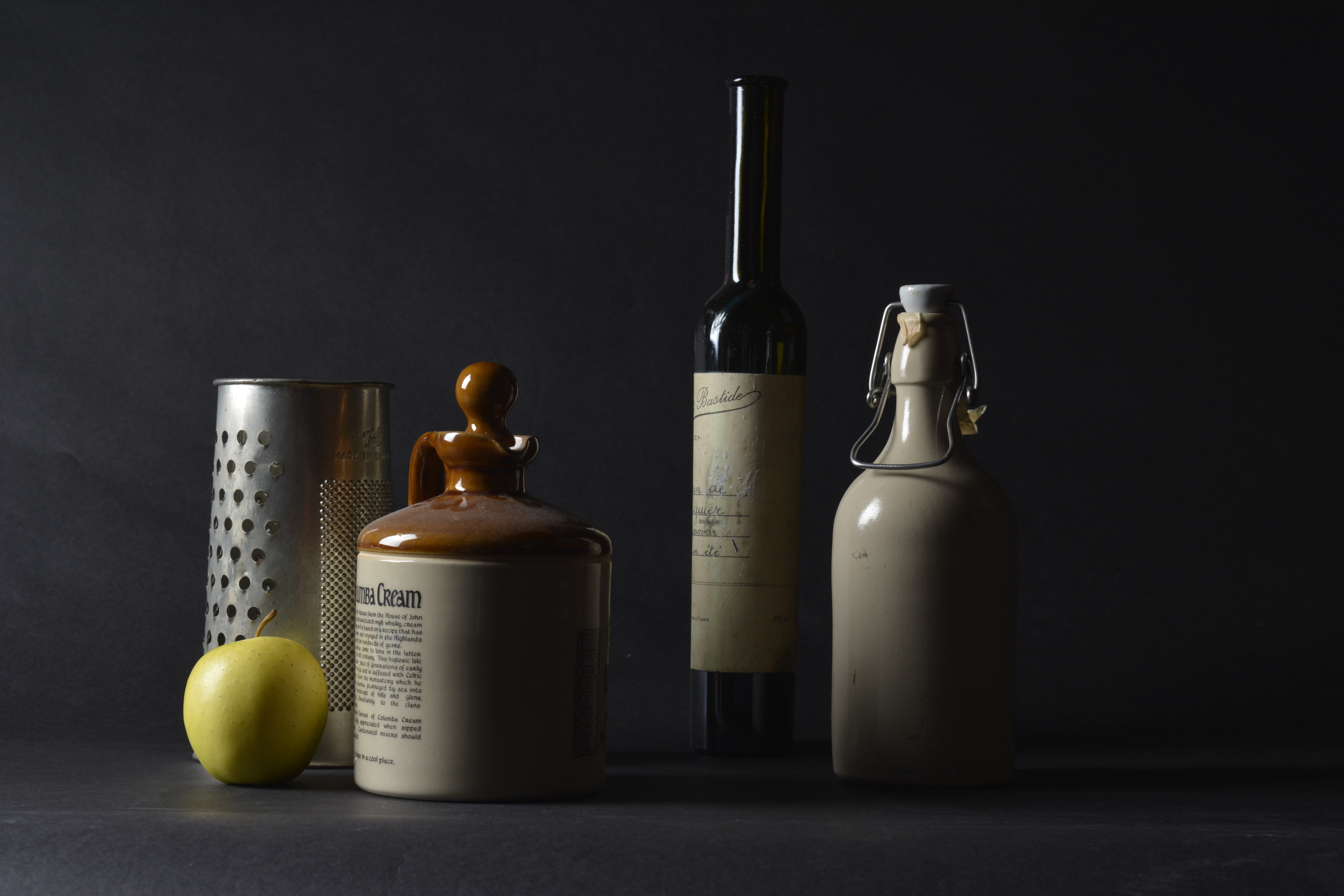
To try to correctly expose the still life, I took several shots at different Apertures. As you can see, the higher the Aperture, the darker the photograph.
F-8 F-9 F-10
F-11 F-13
F-11 F-13 F-14
I think that using an aperture of F-11 achieves the best exposure for the left hand side of this still life set up, however it does leave the right hand side slightly under exposed. I don’t mind it too much, as it’s like the light is shinning bright from the apple. Also the catch lights on the shinny surfaces are just right.
F-11 F-11
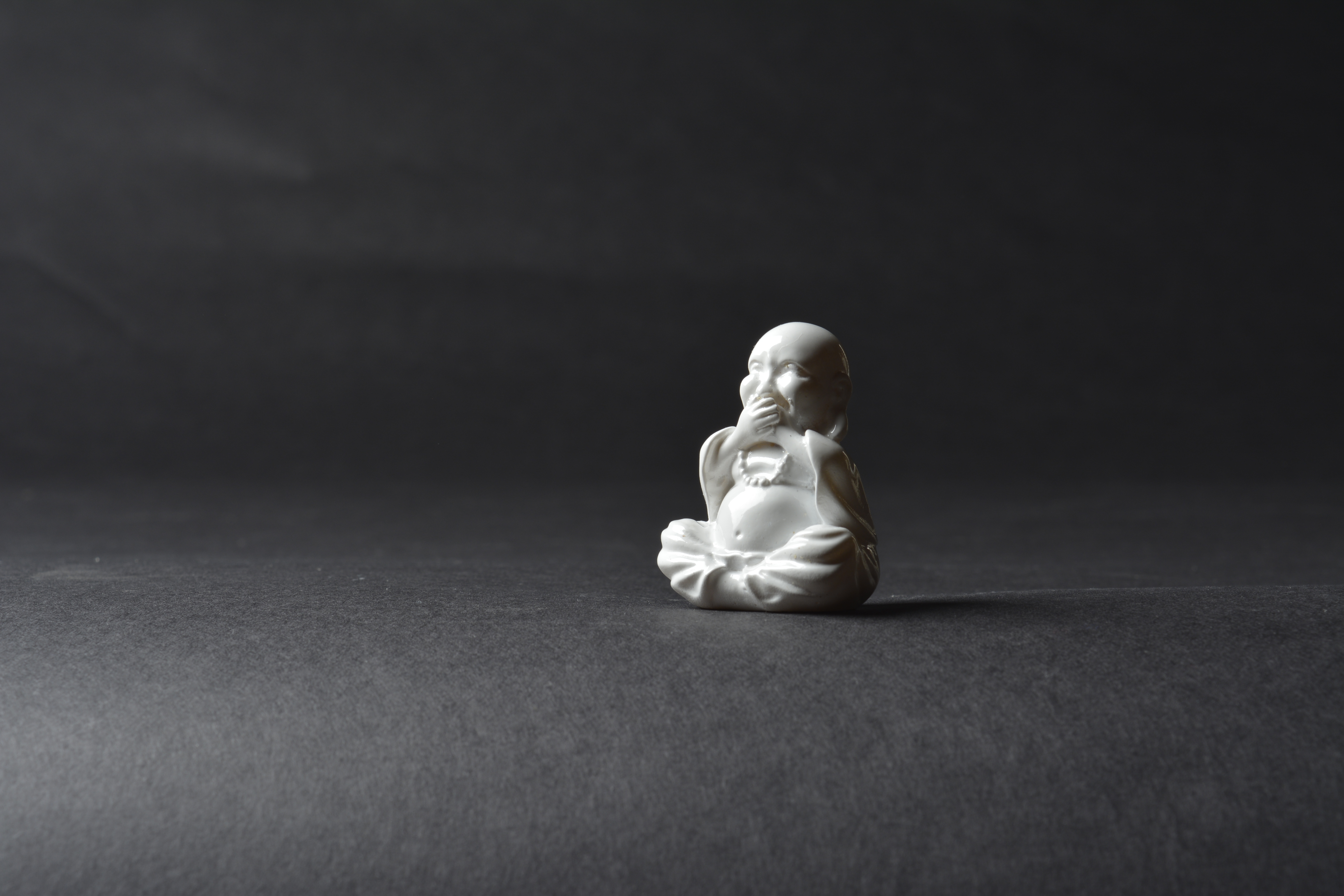
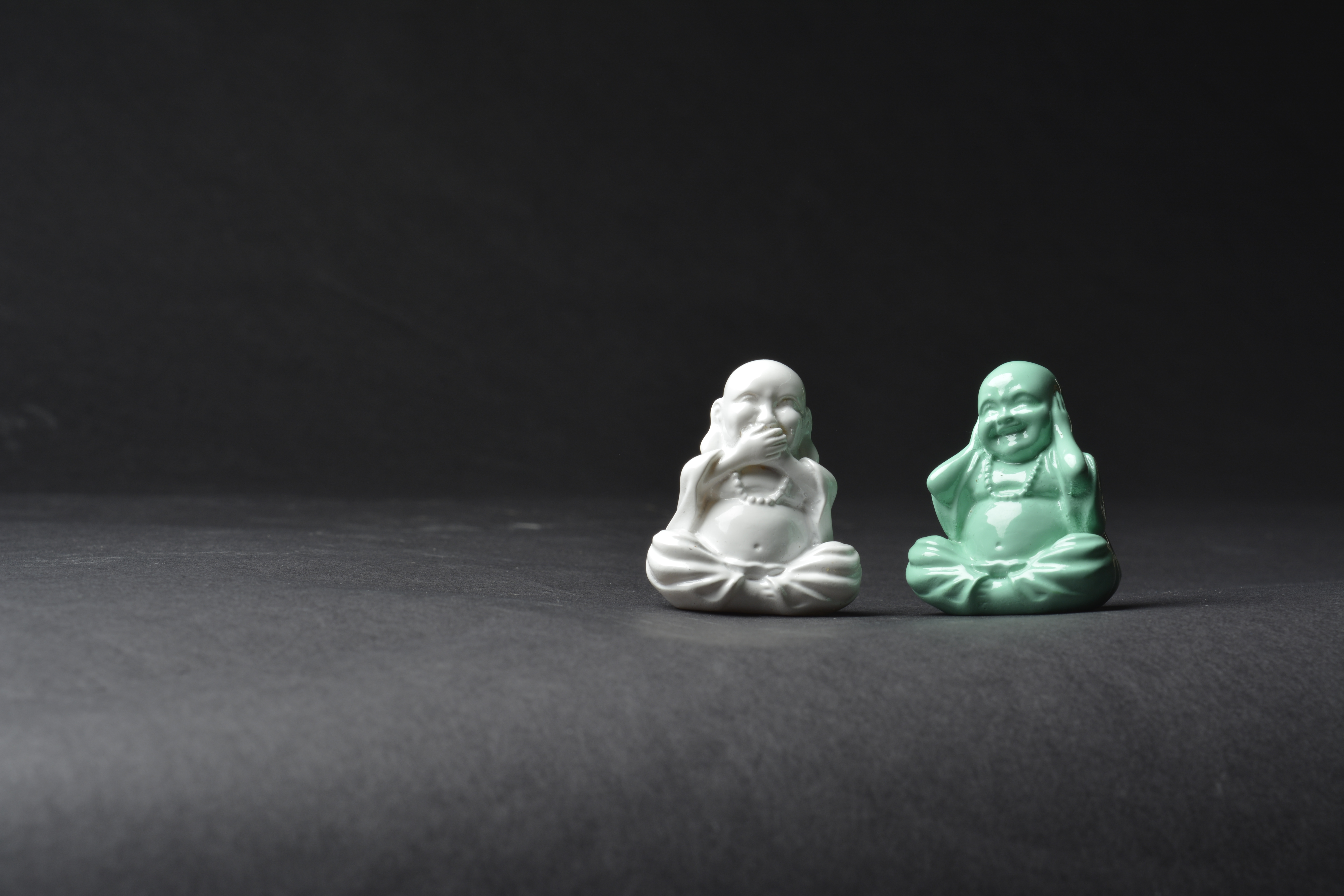
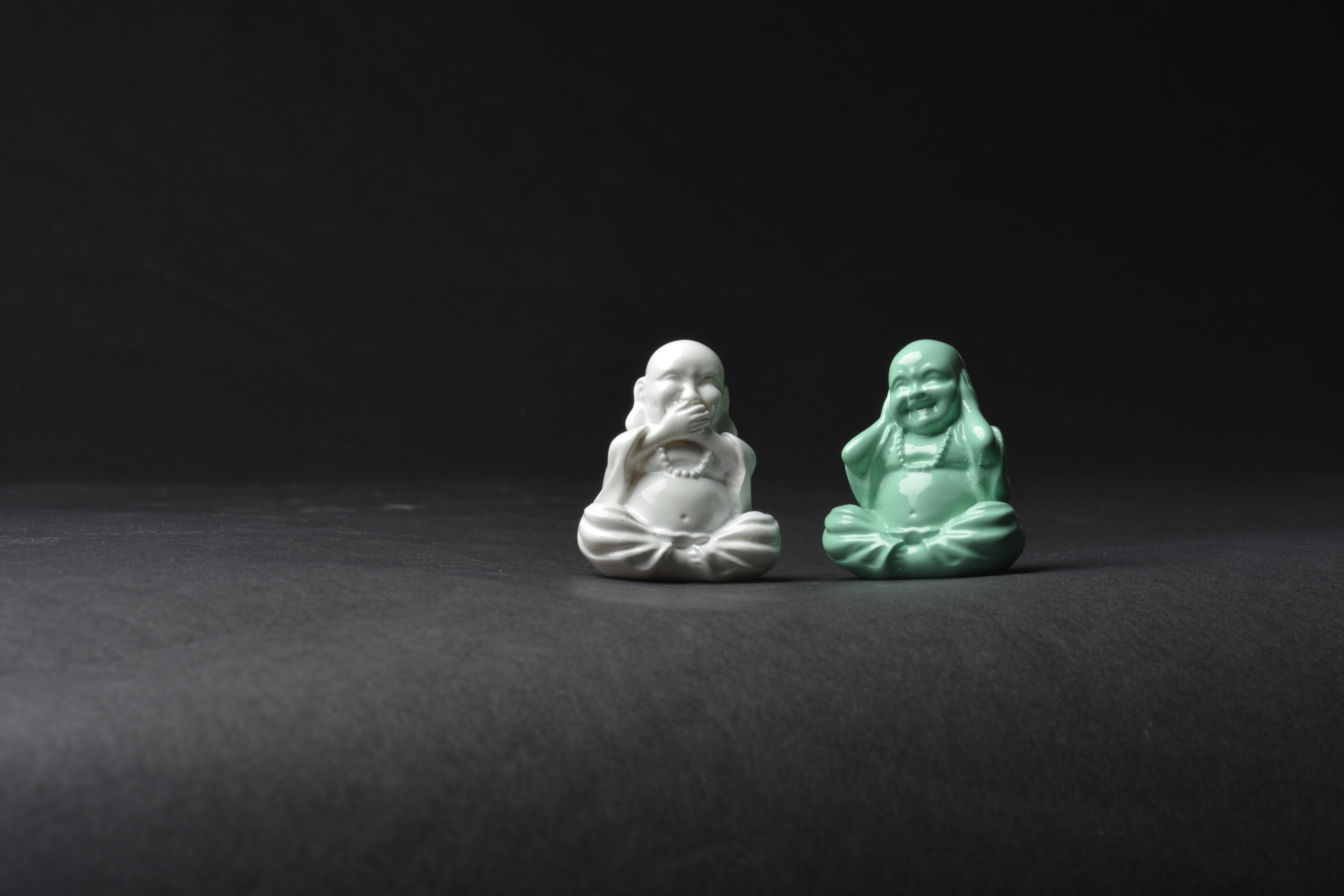
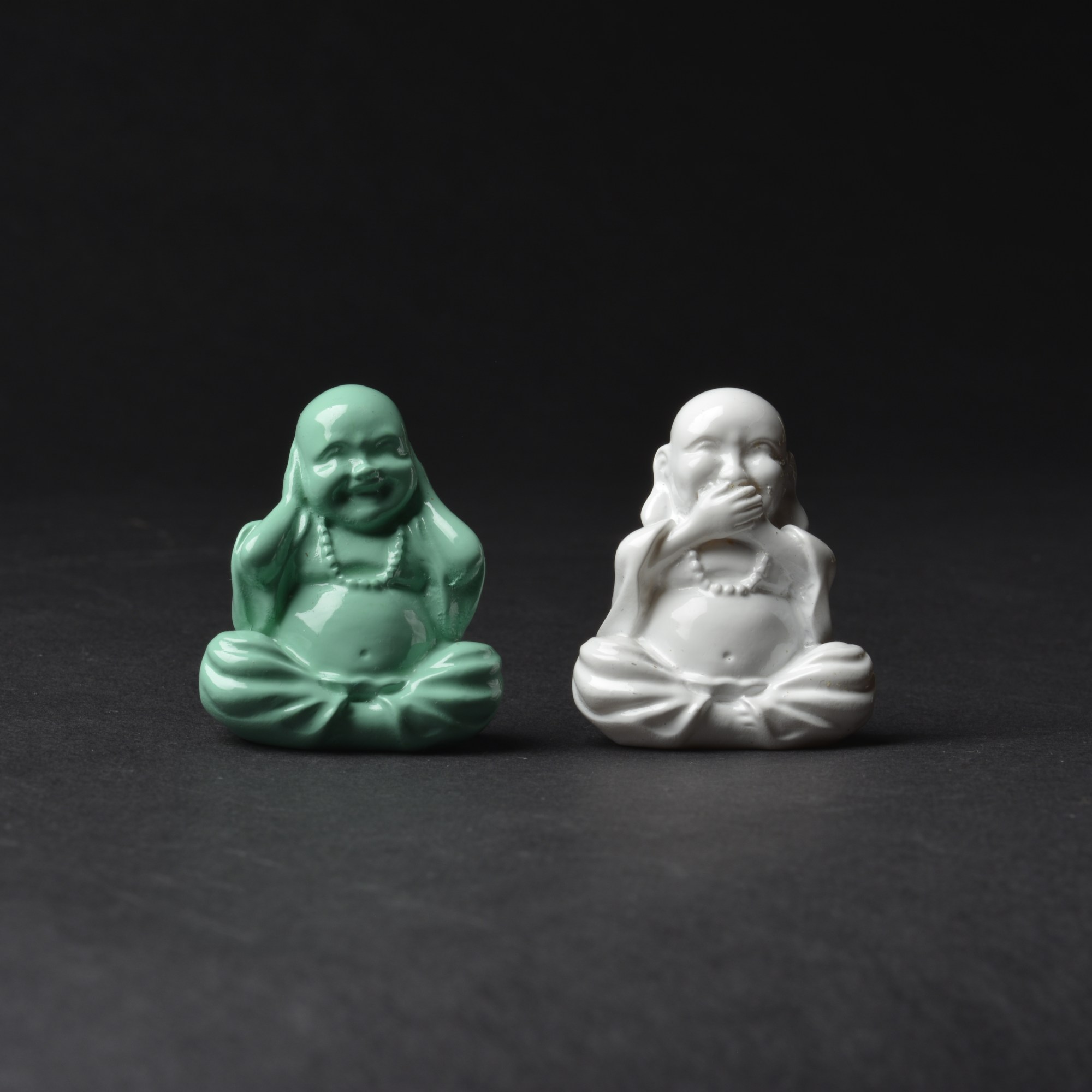
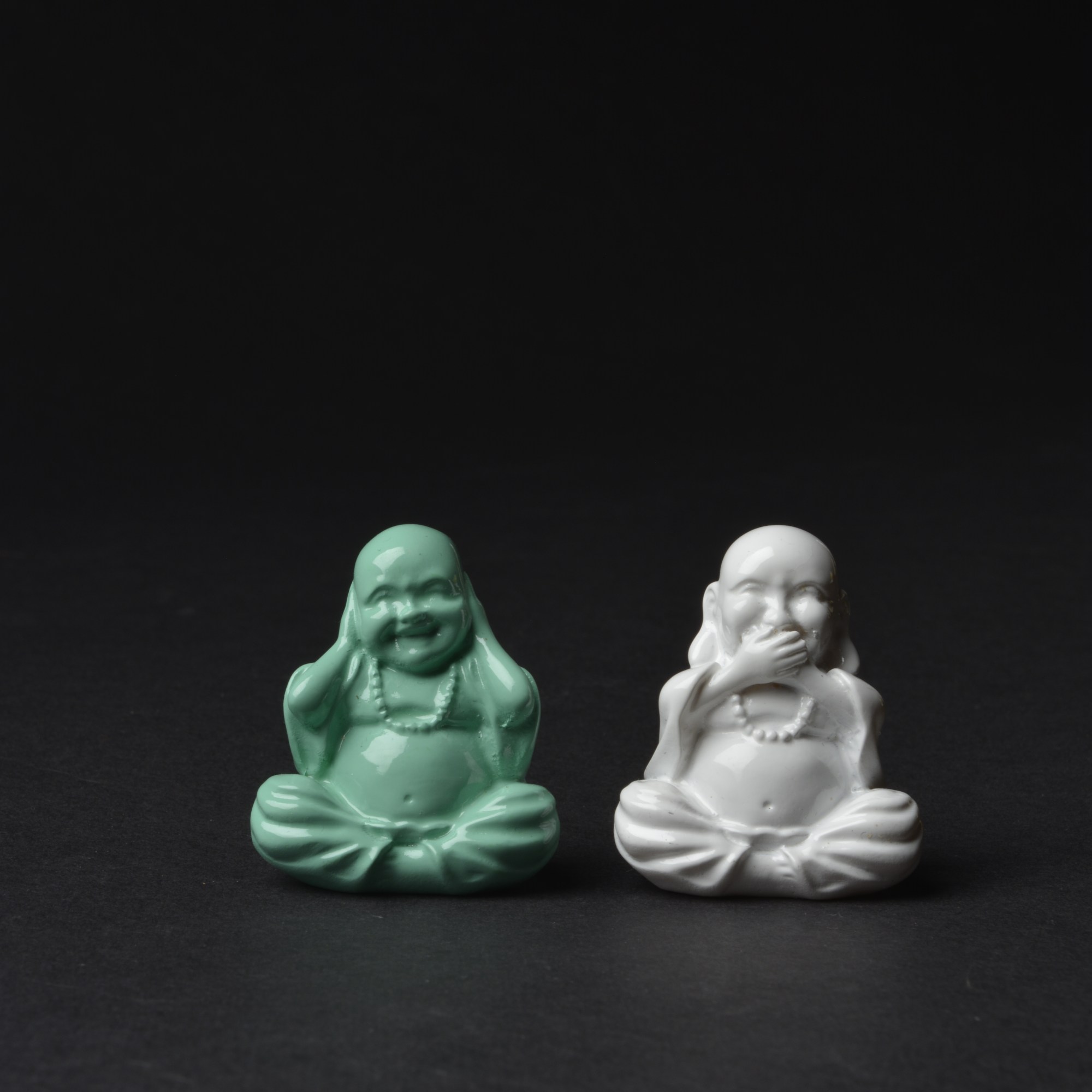
Below, I needed a really high Aperture so not to over expose the white Budda.
F-11
F-13 F-14
F-16 F-18
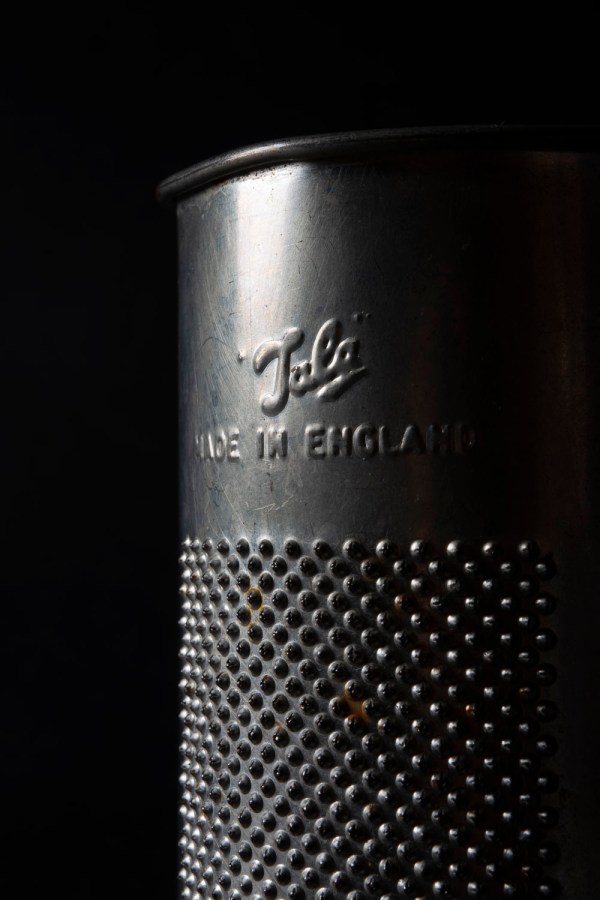
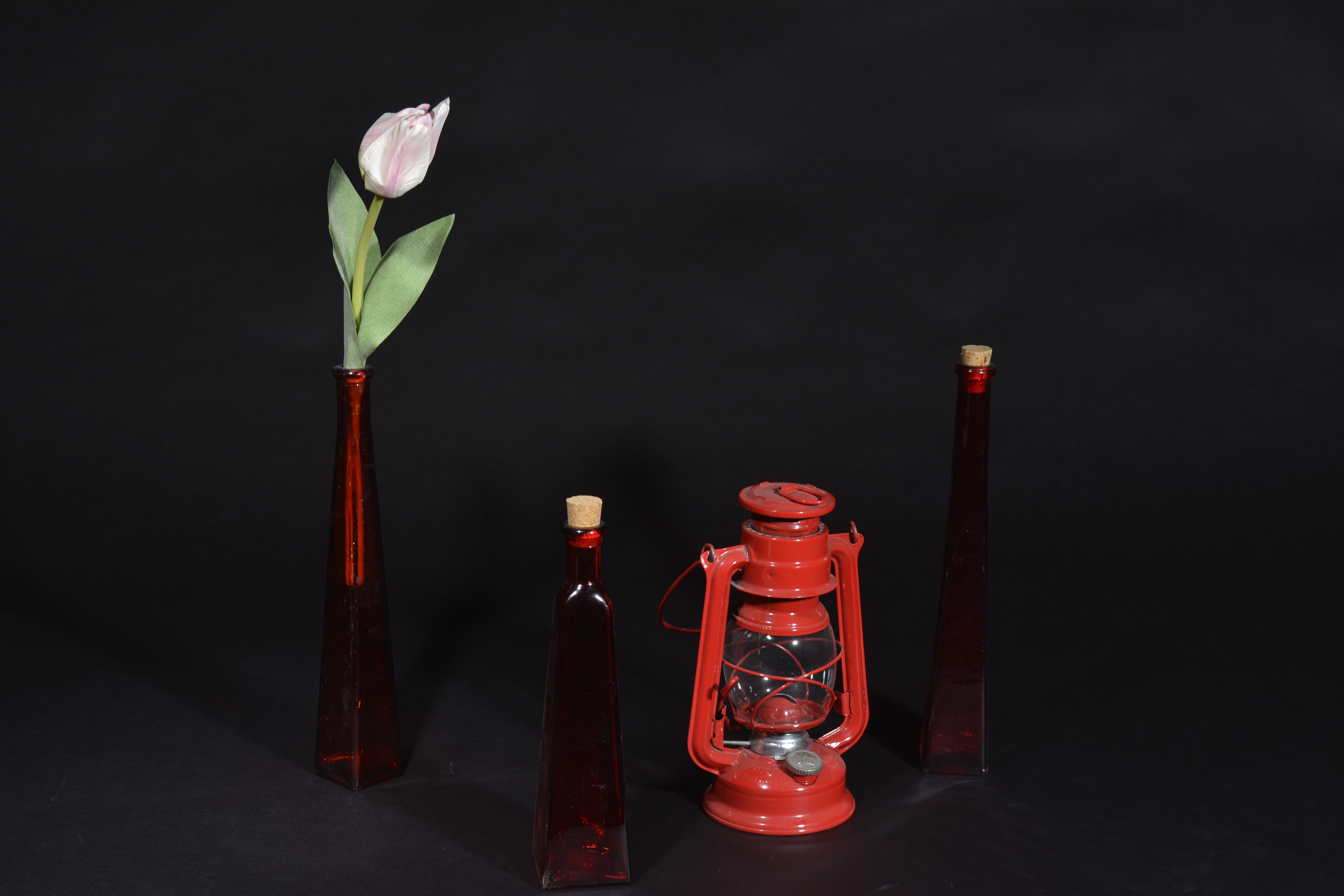
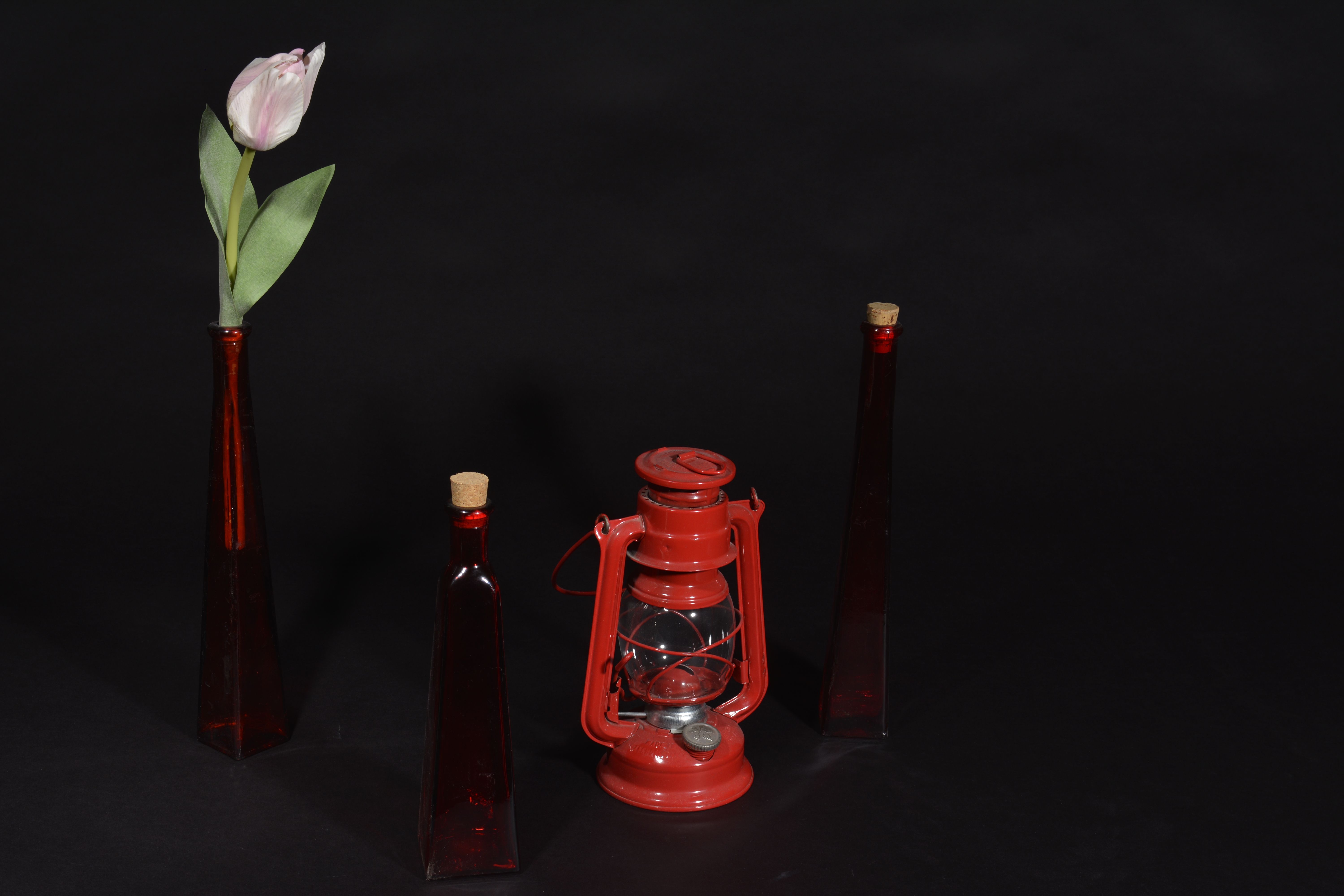
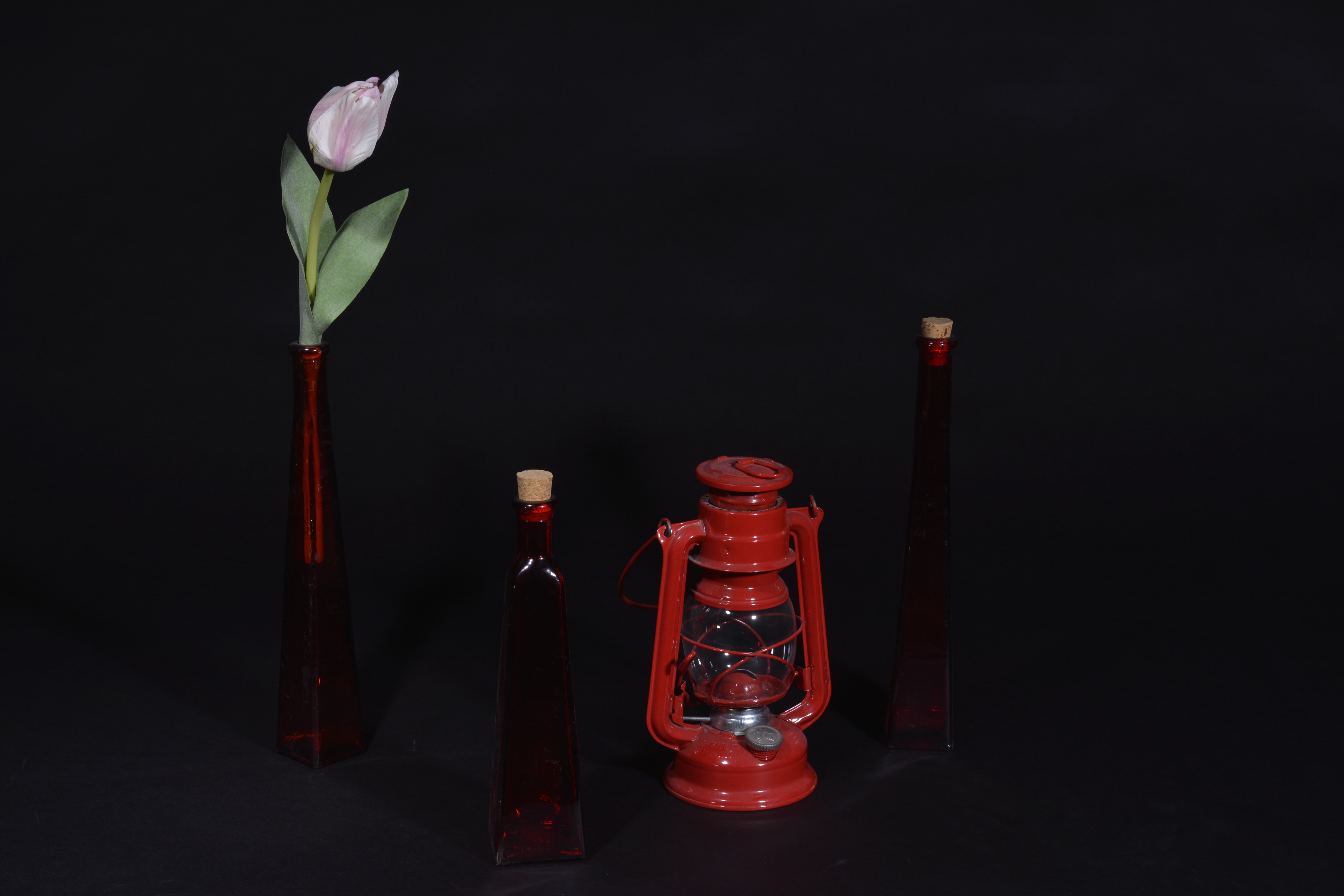
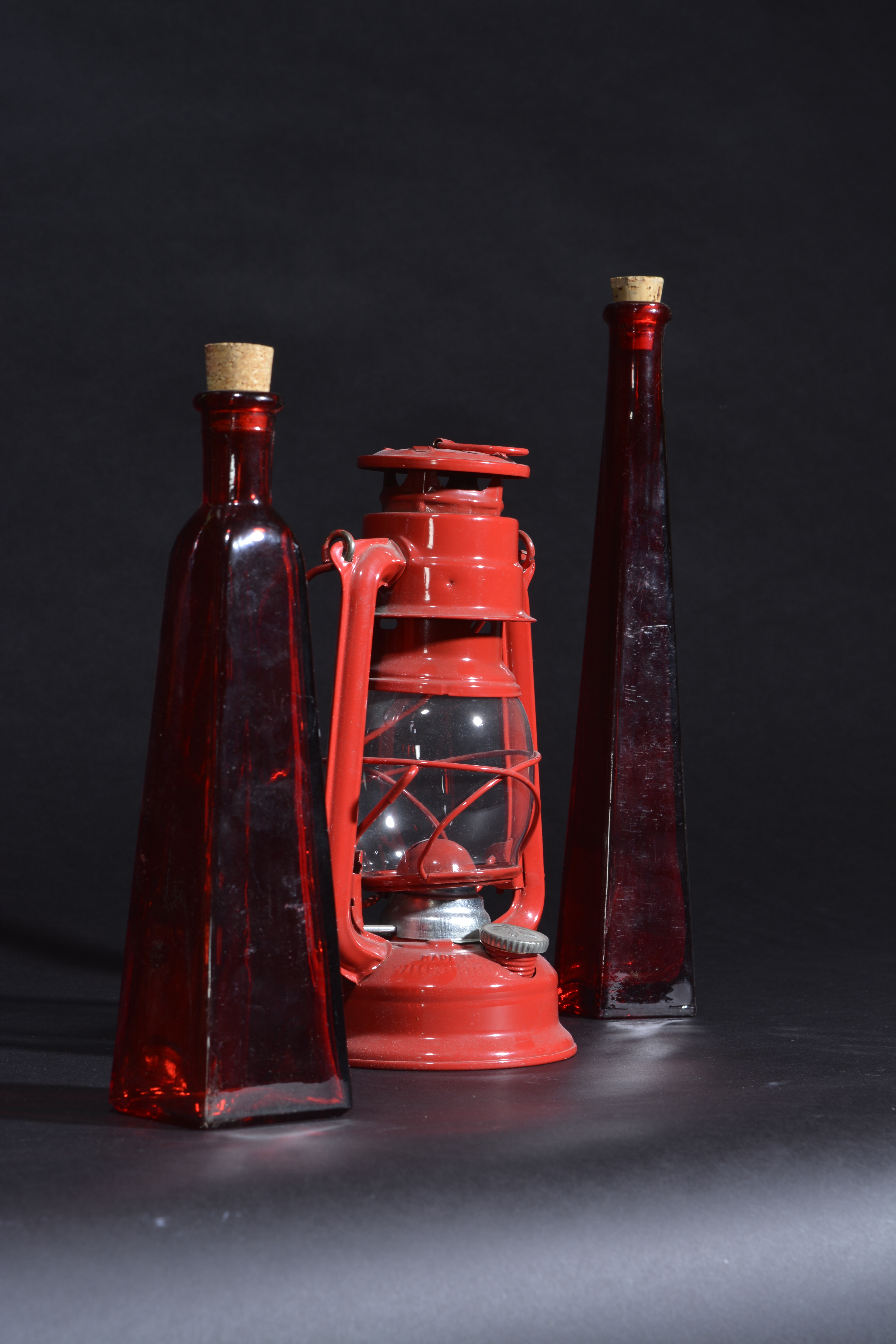
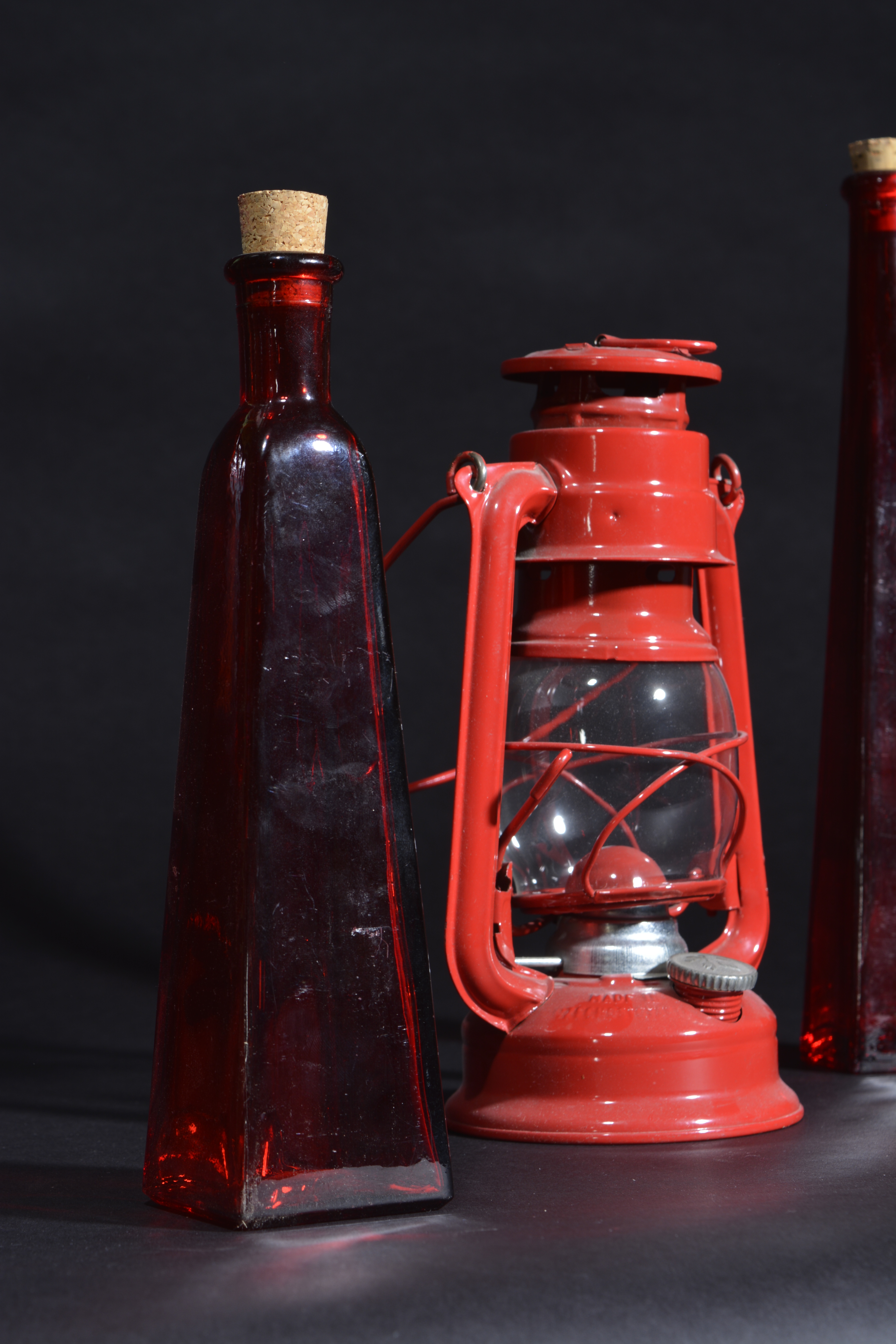
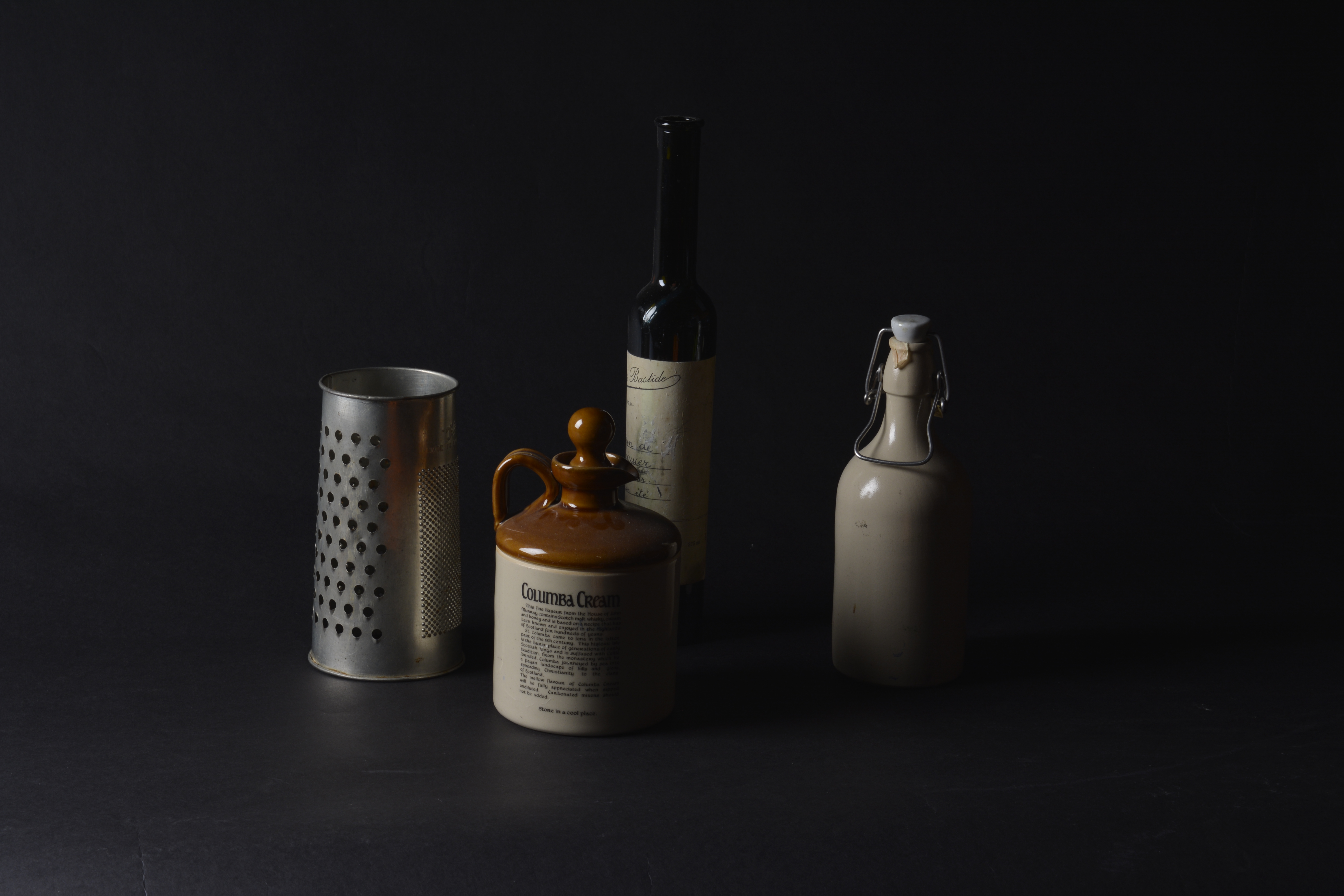
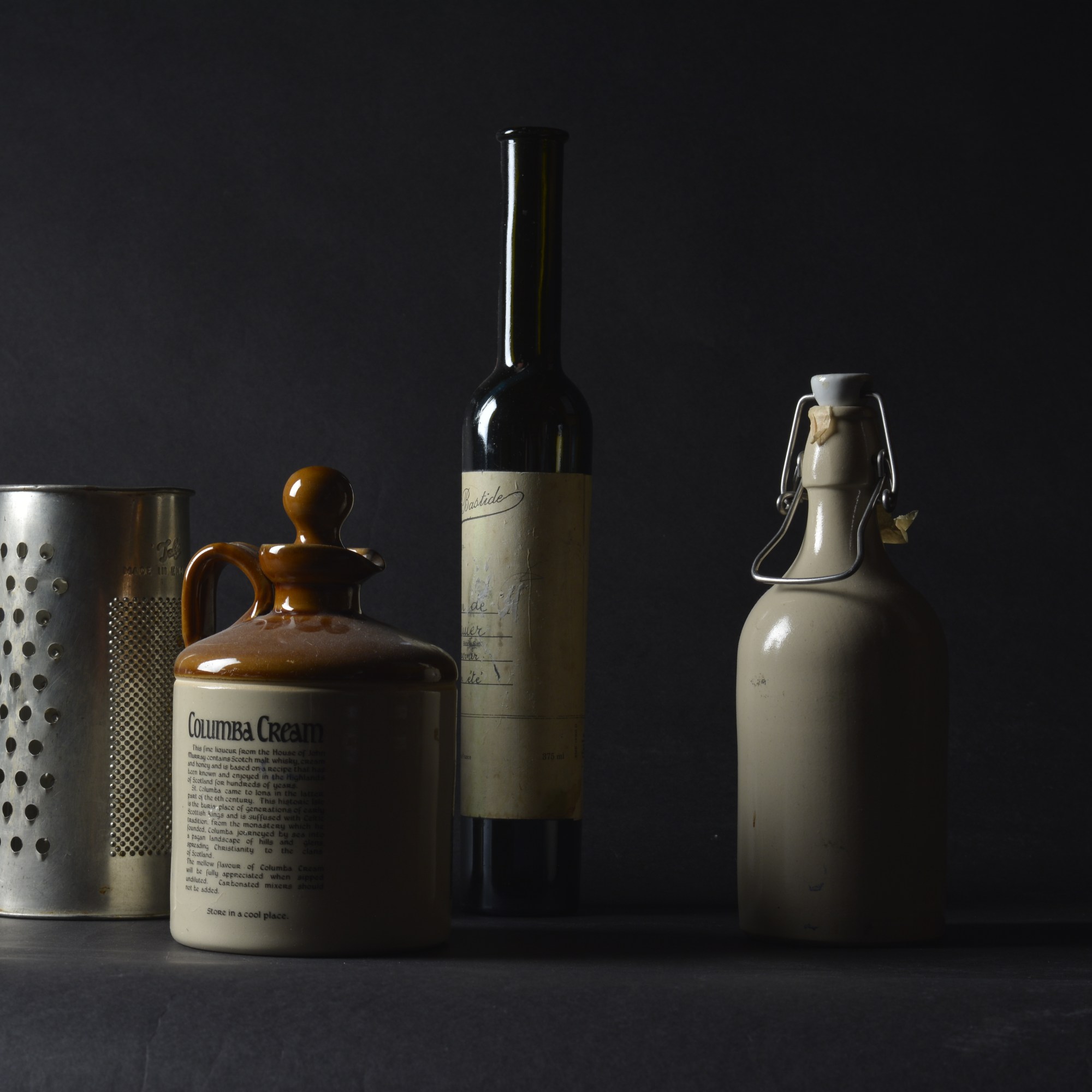
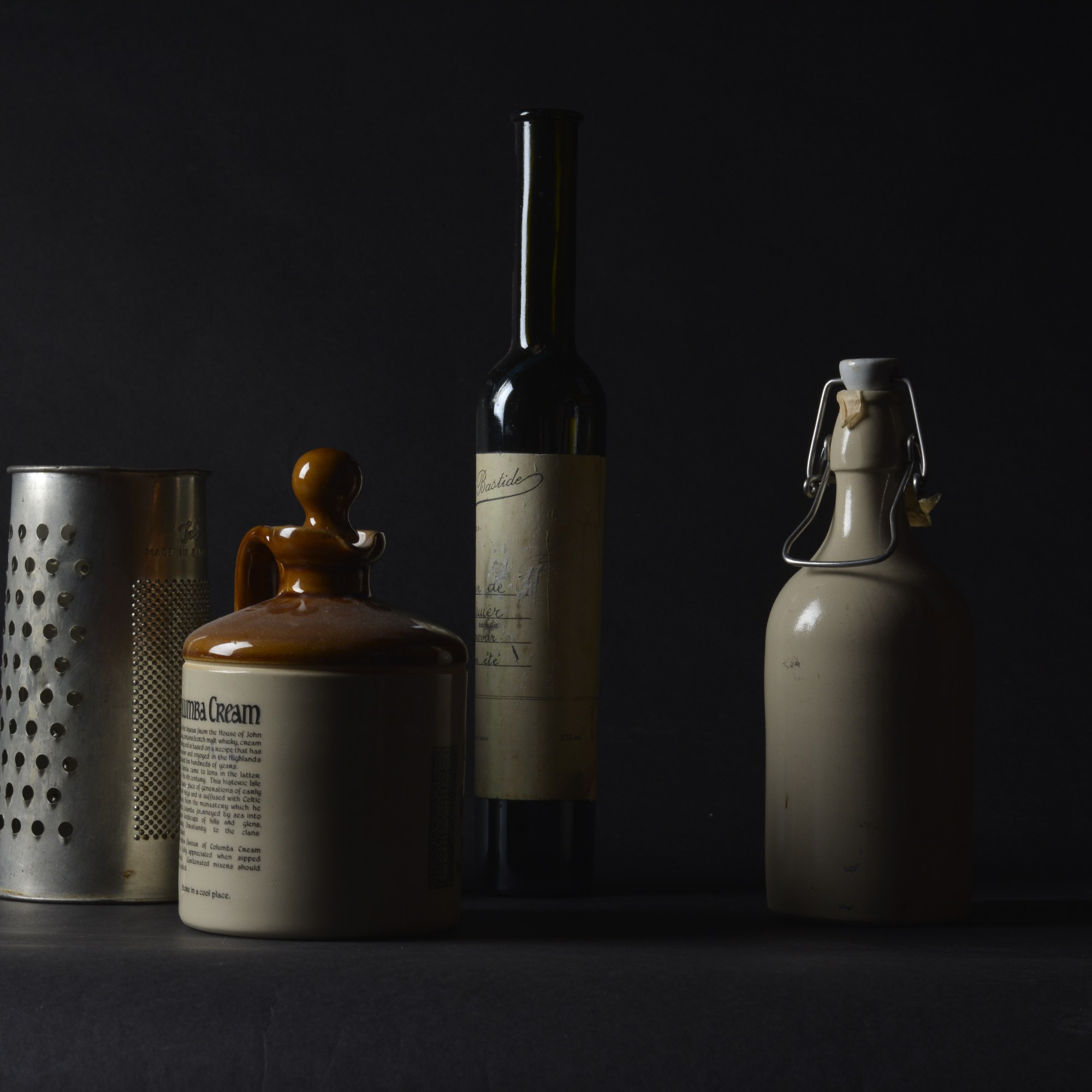
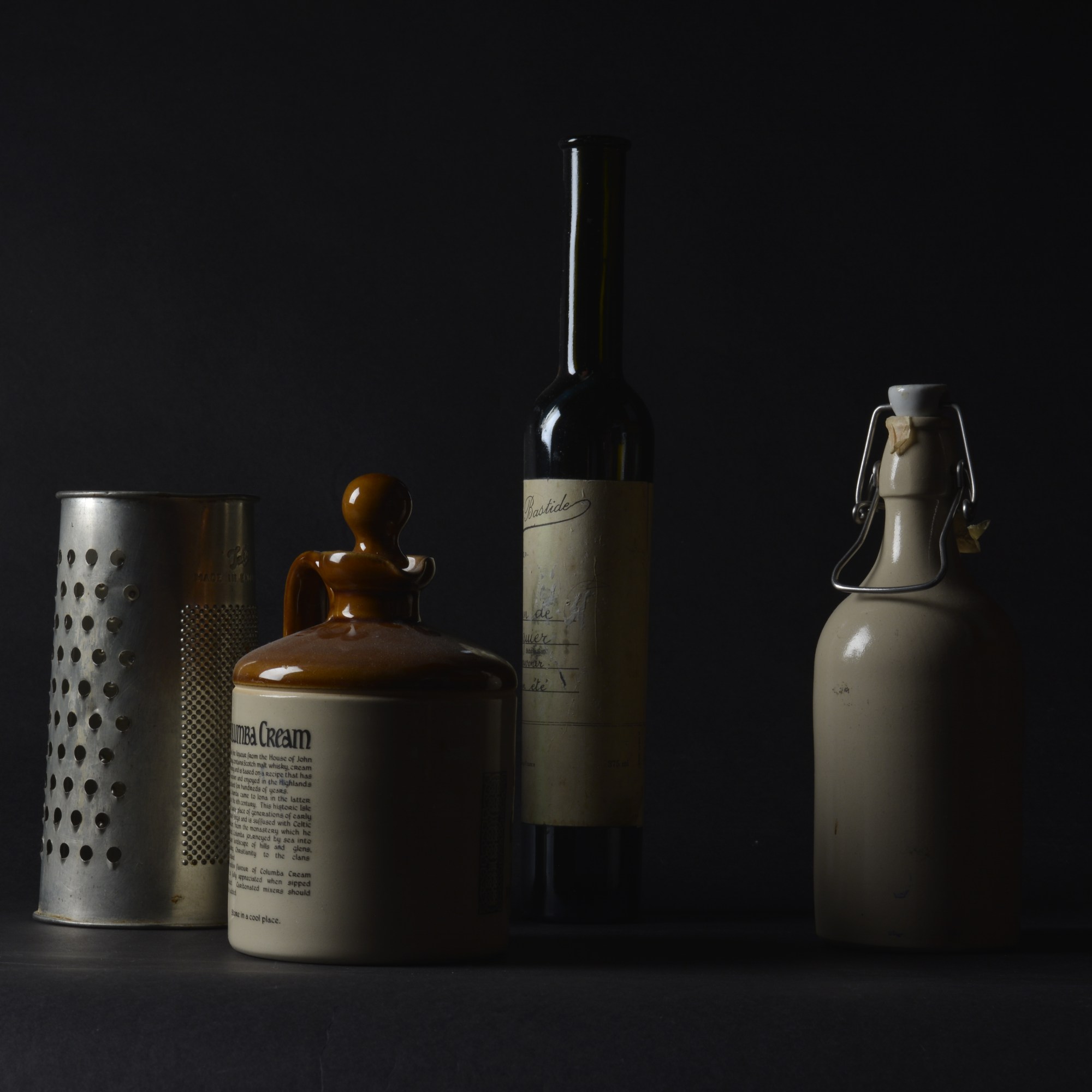
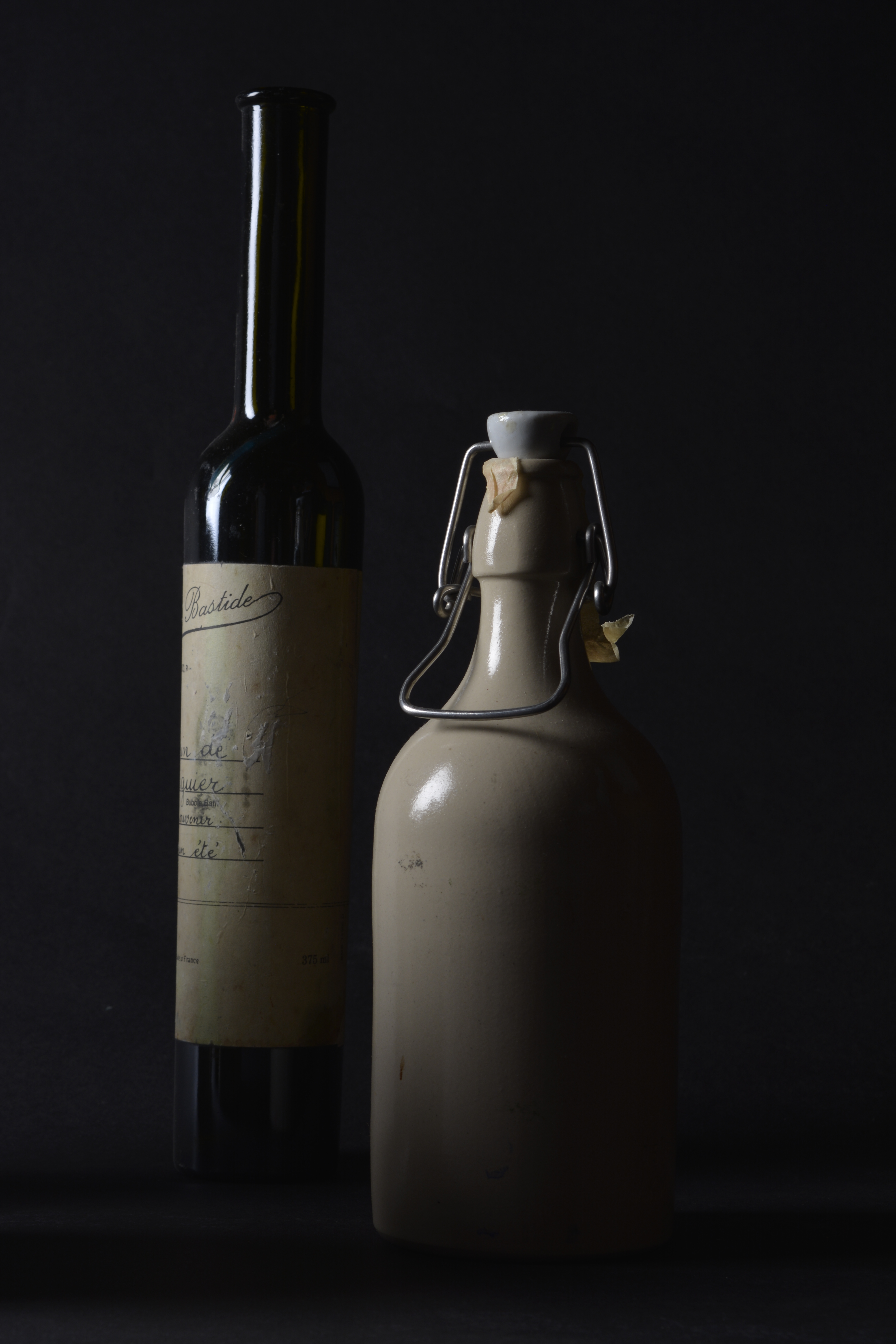
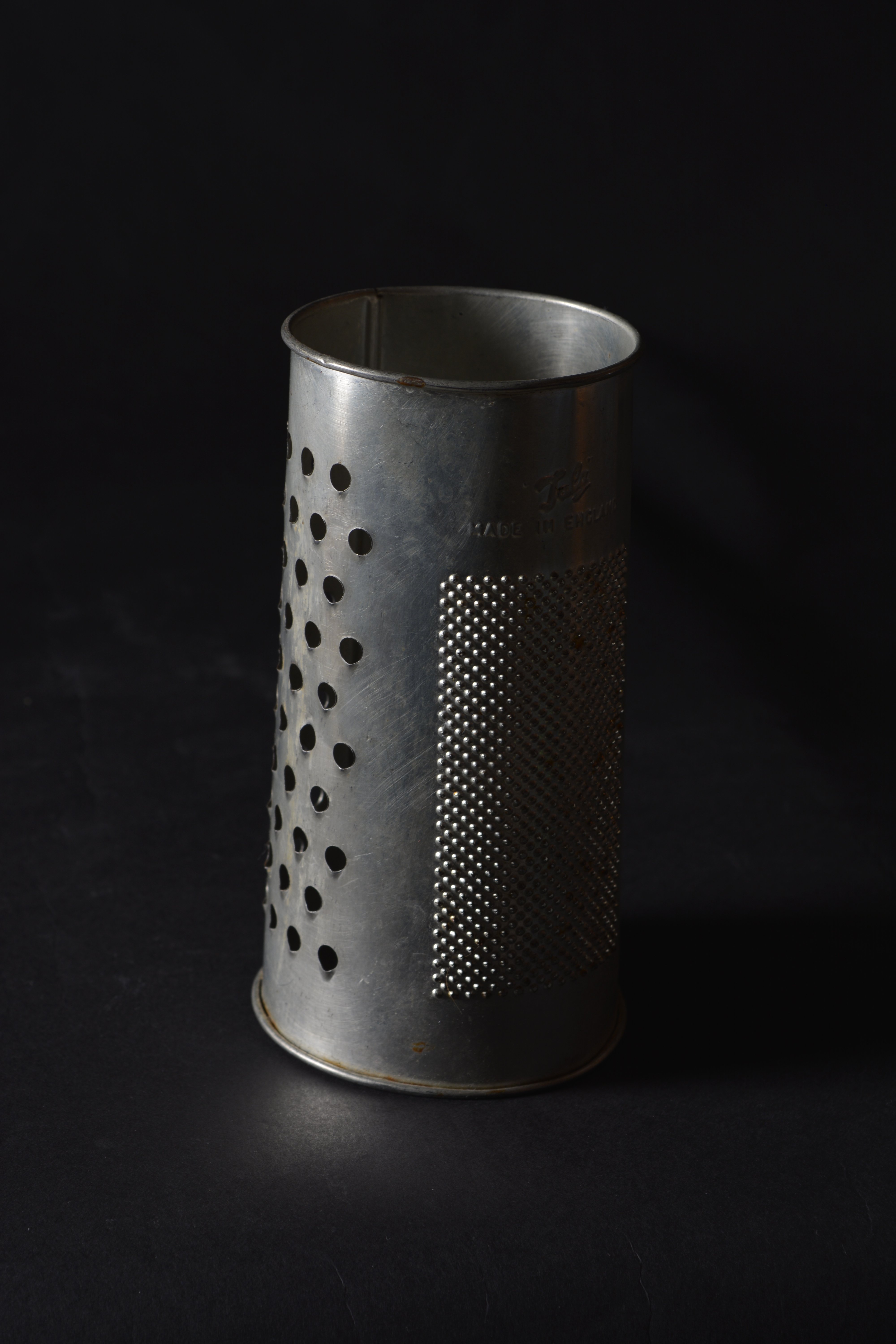
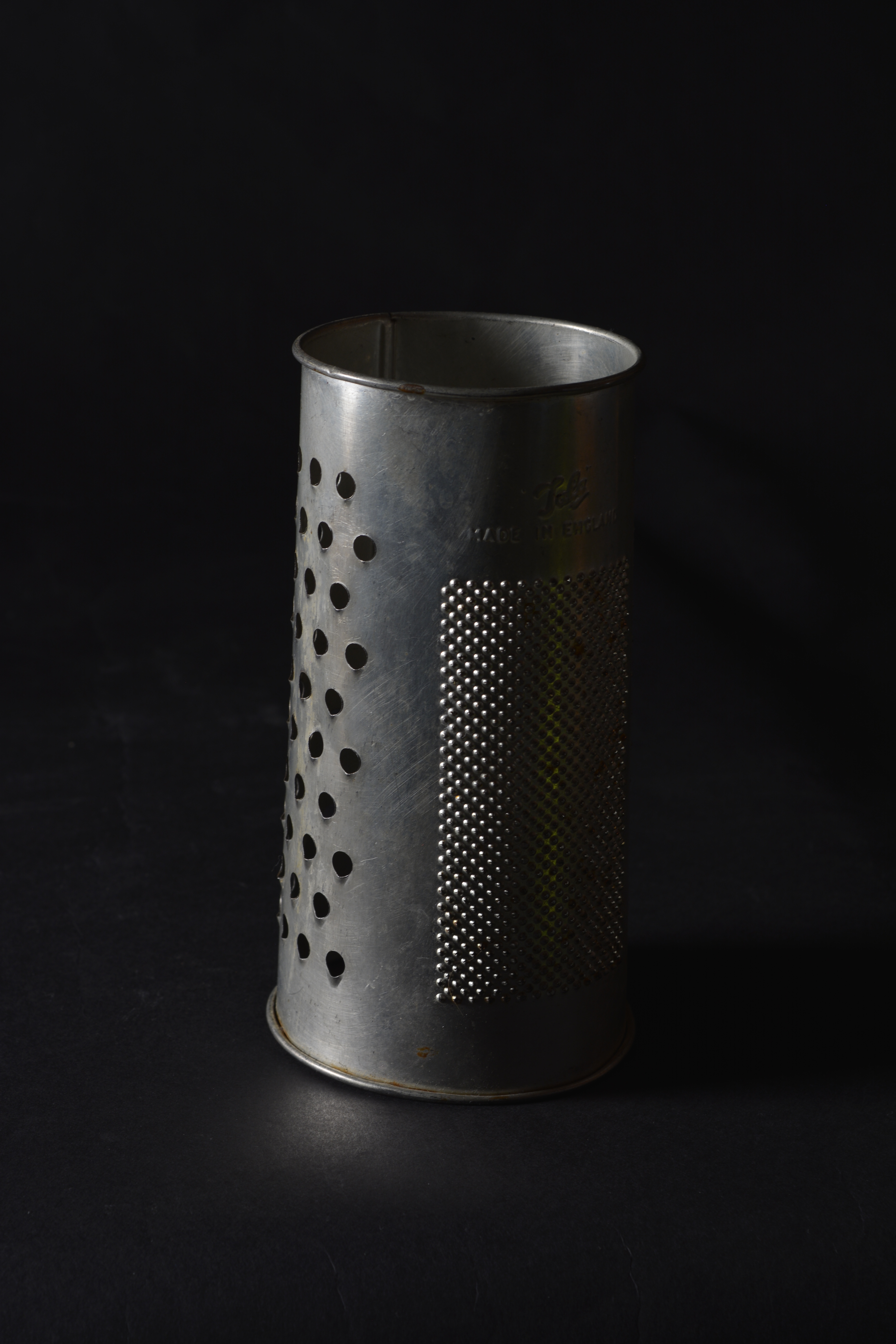
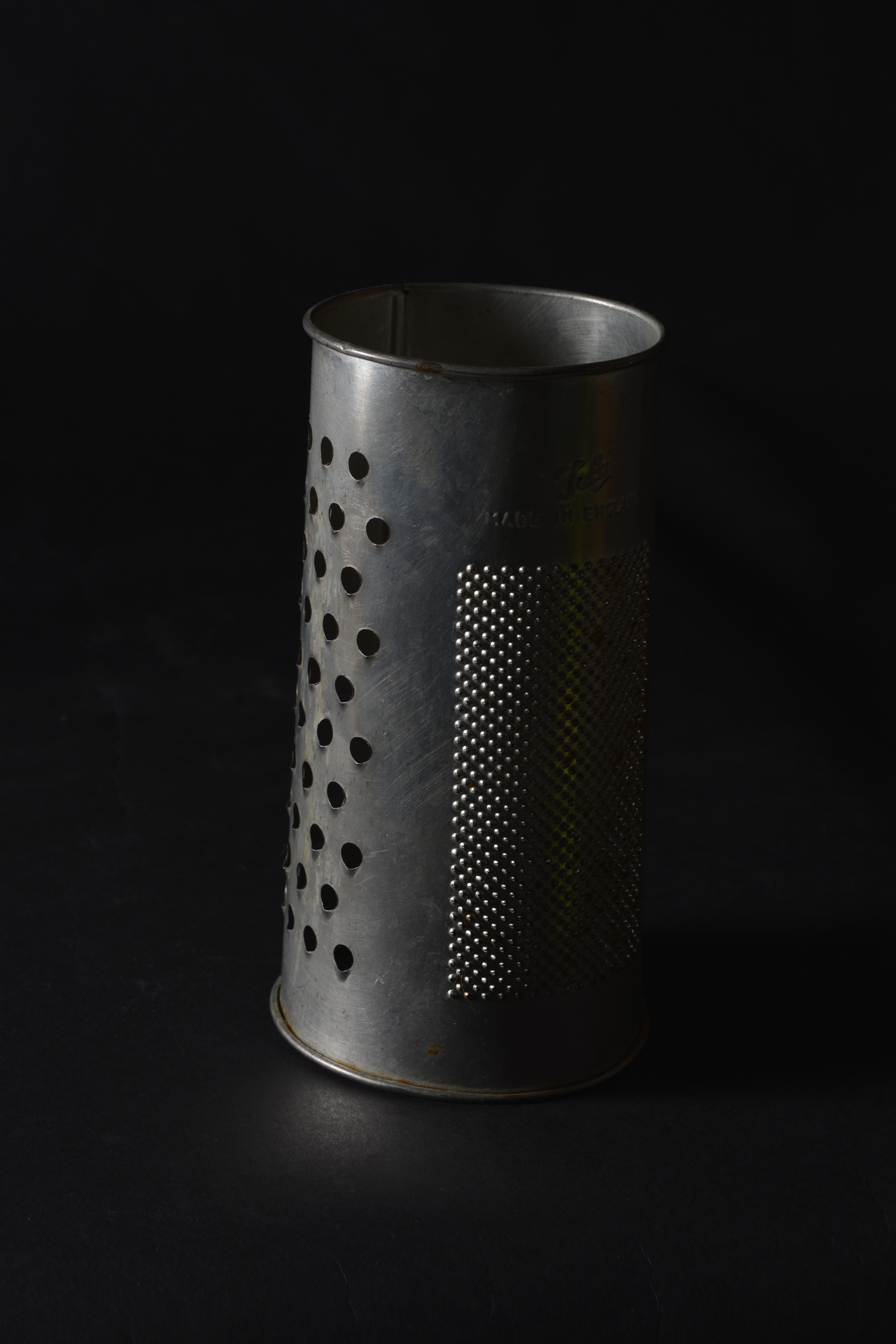
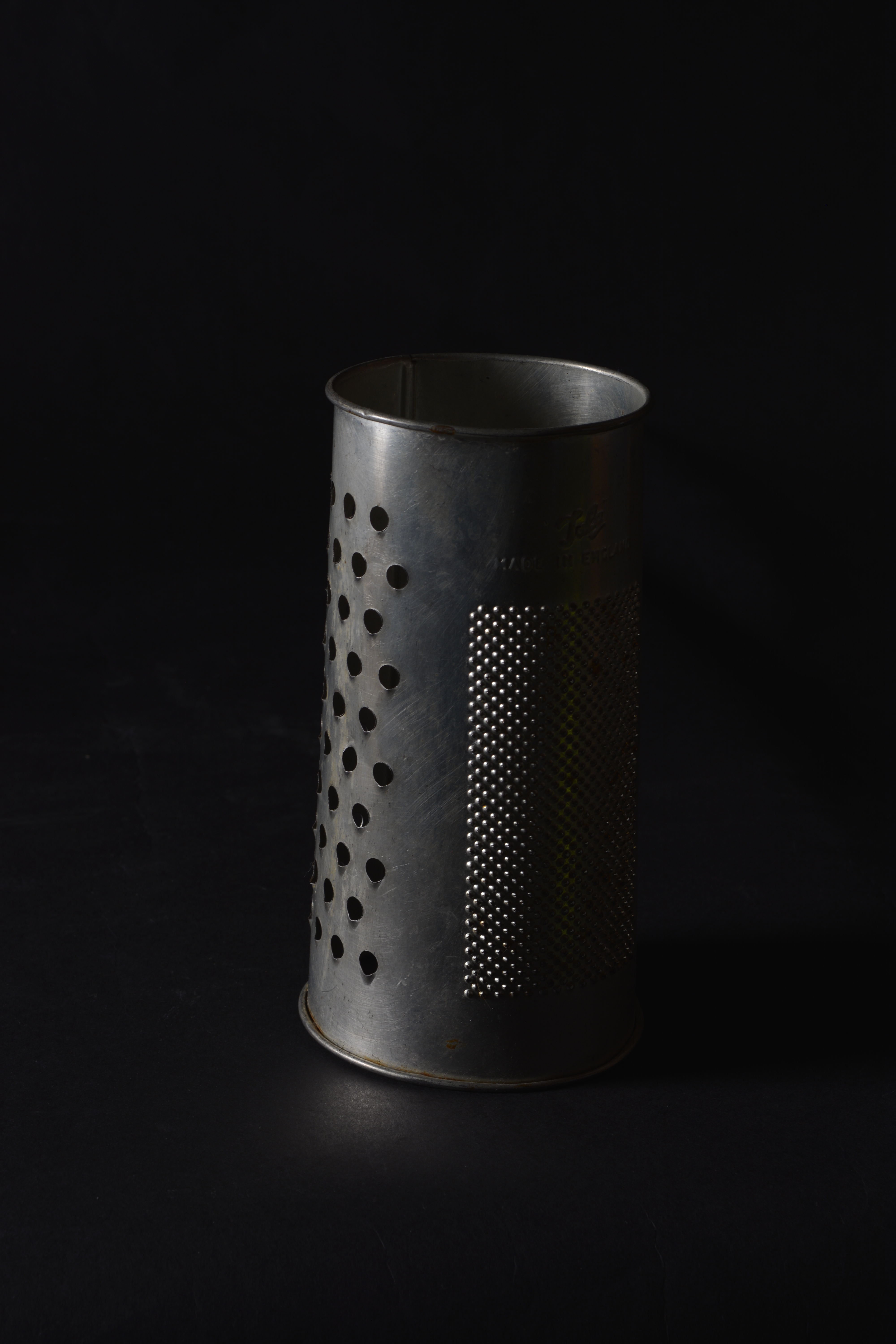
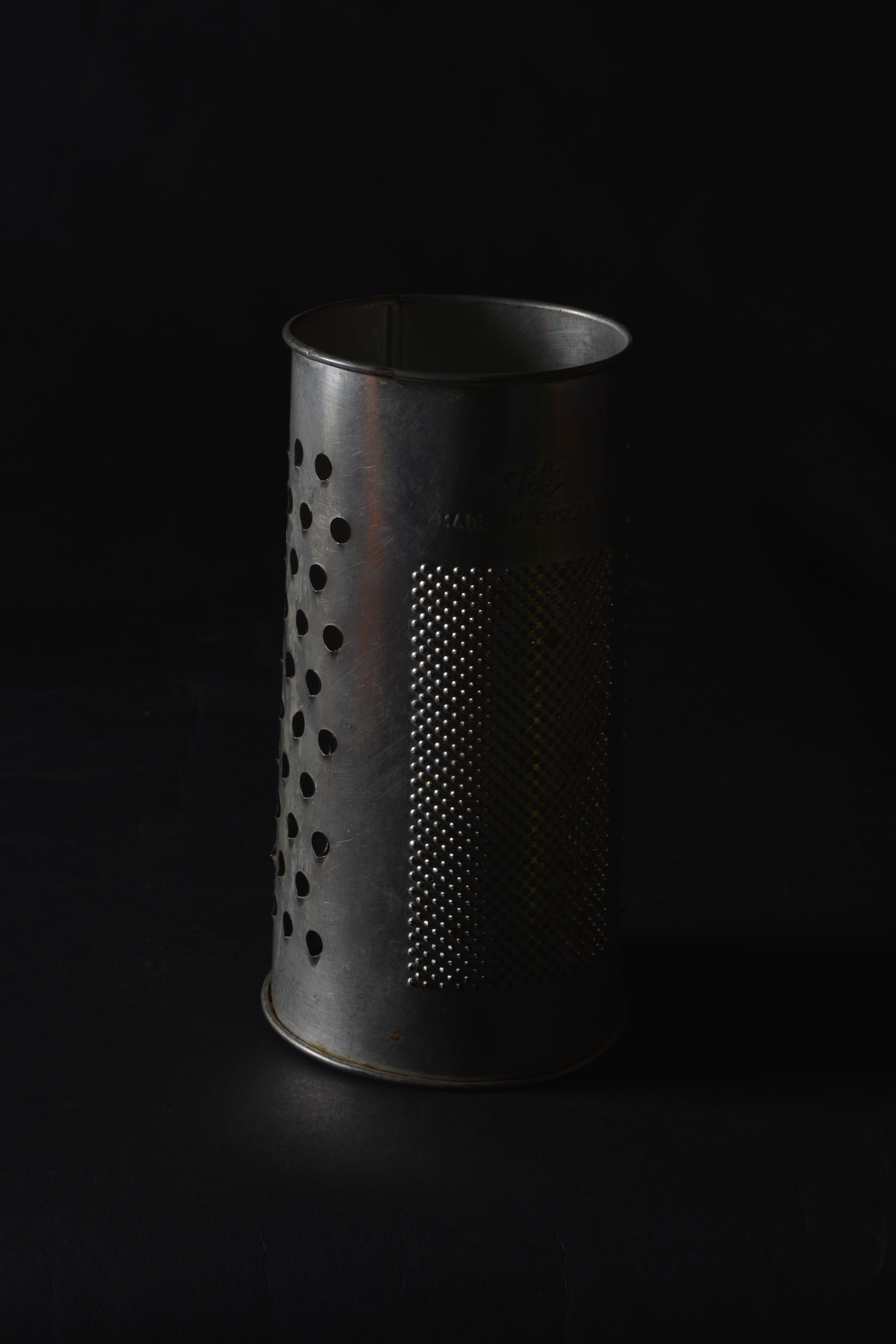
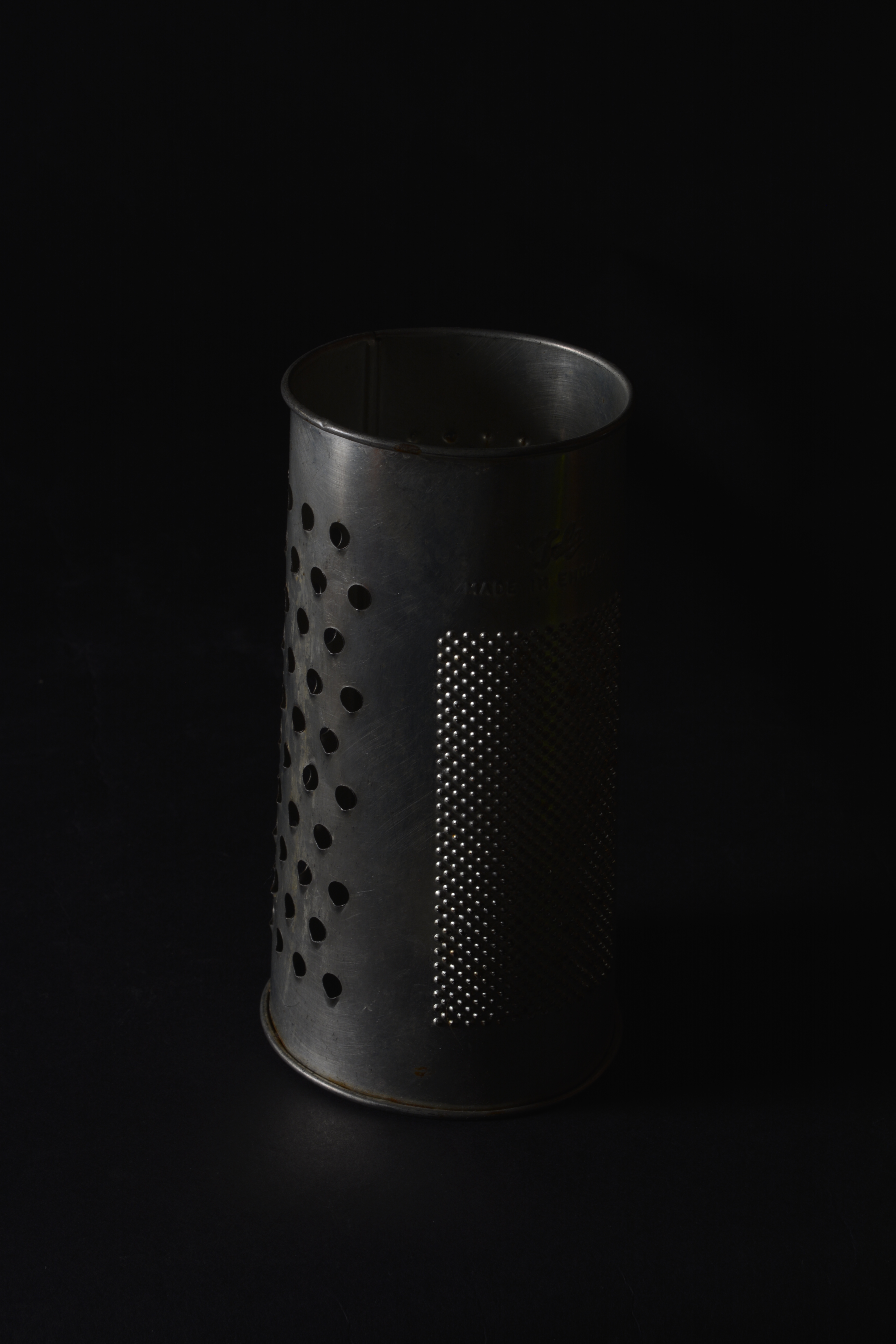
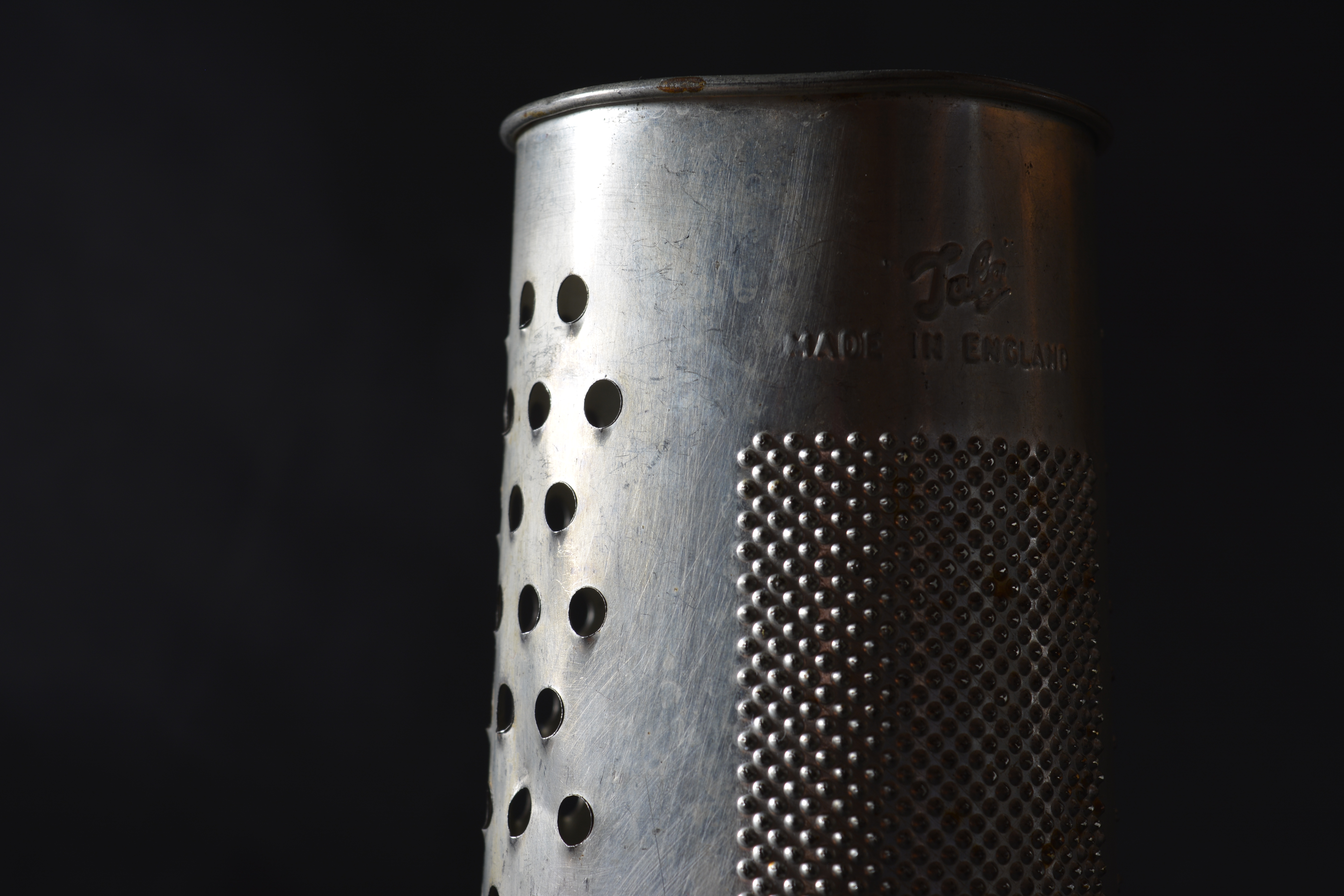
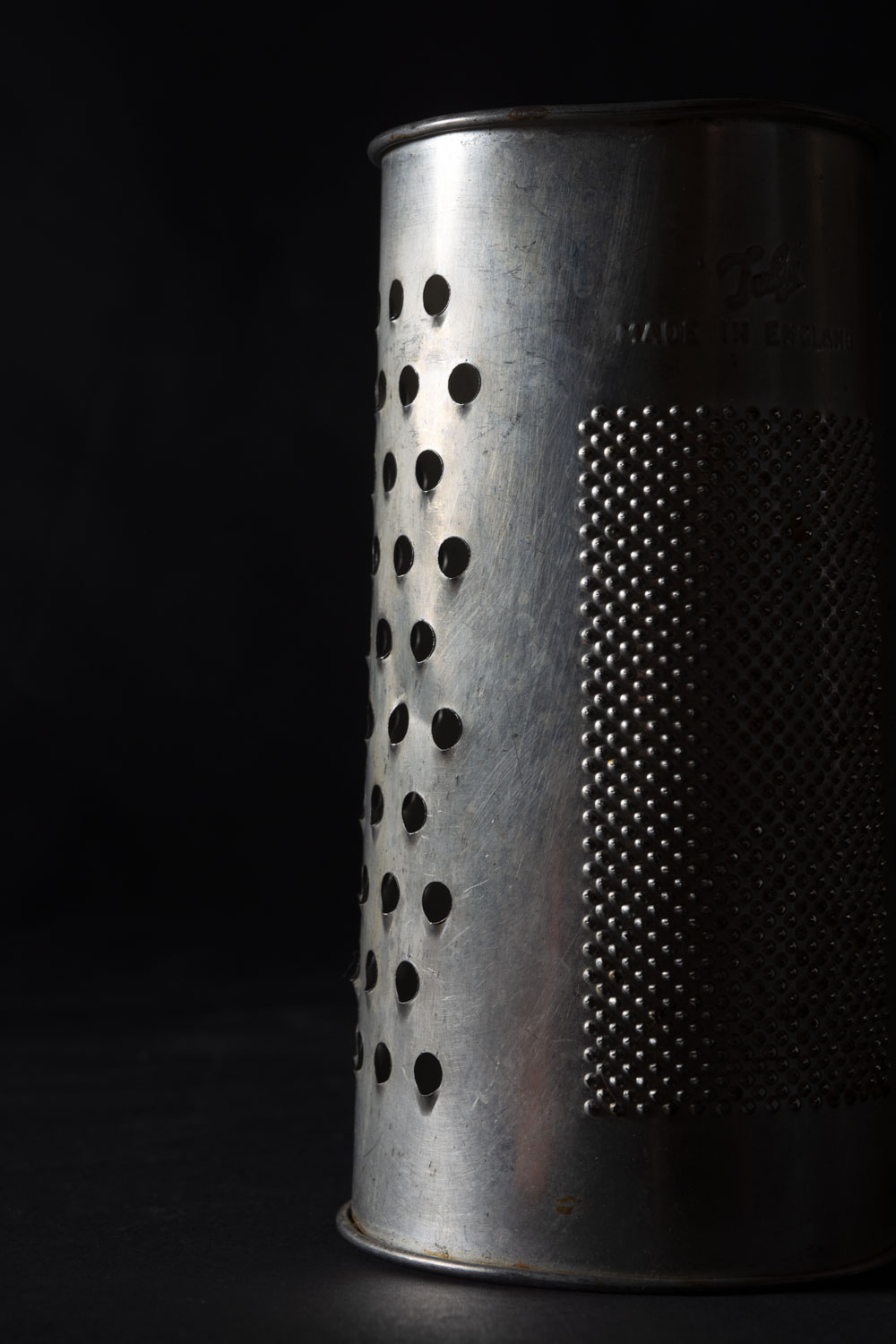
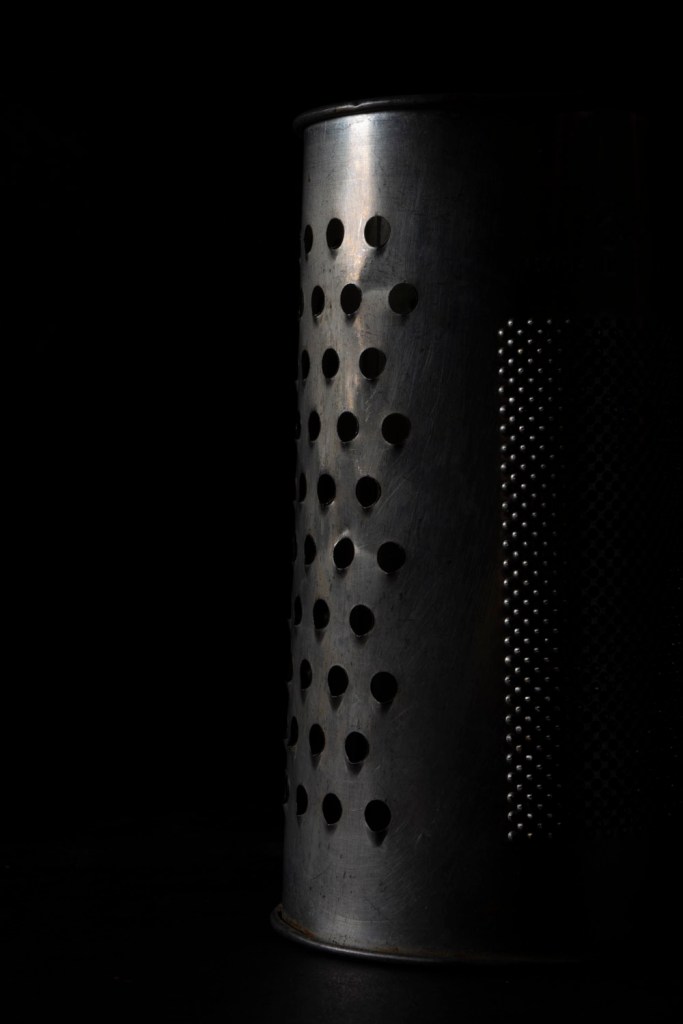
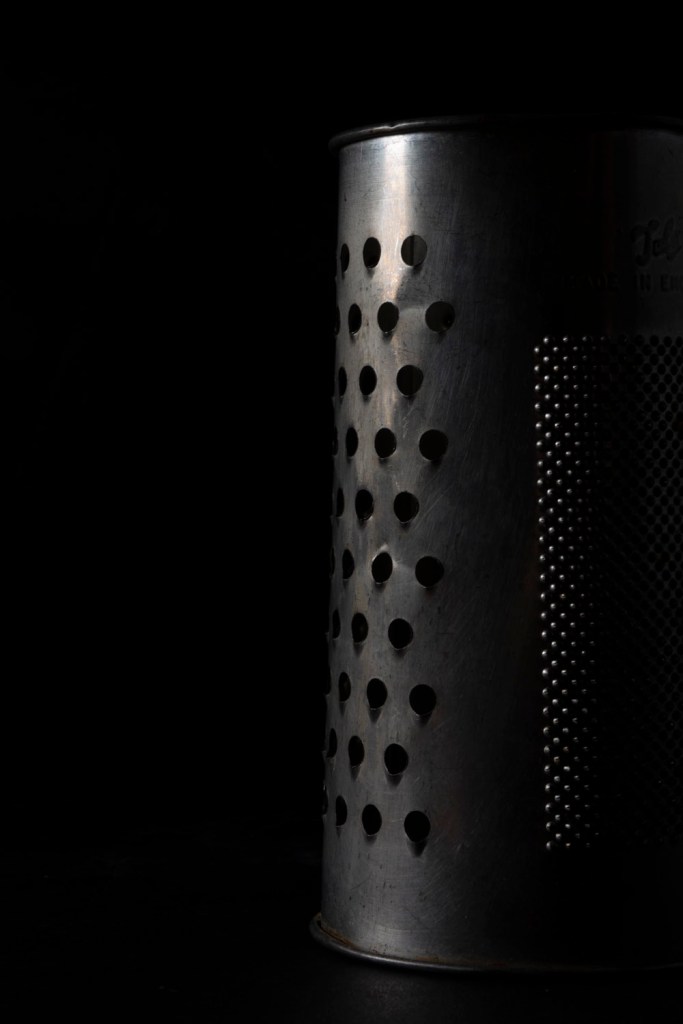
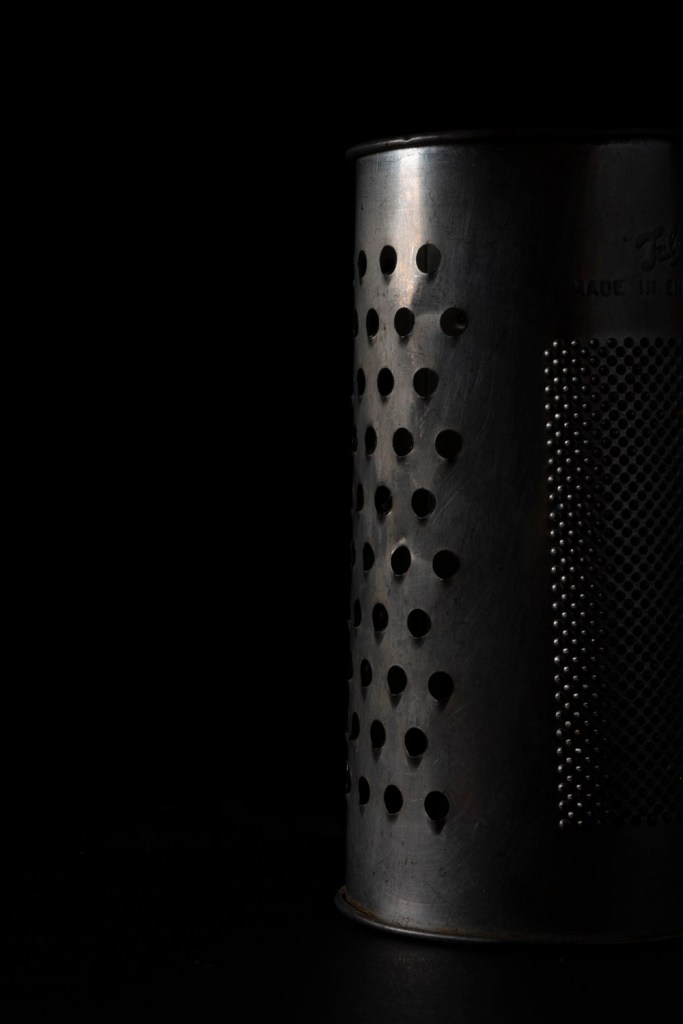
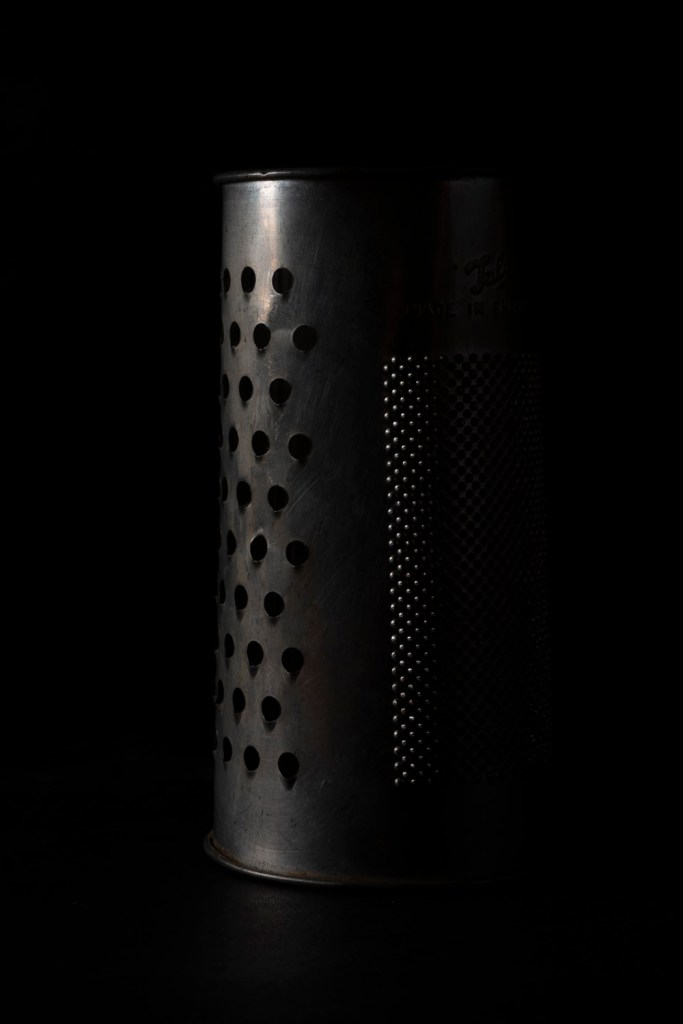
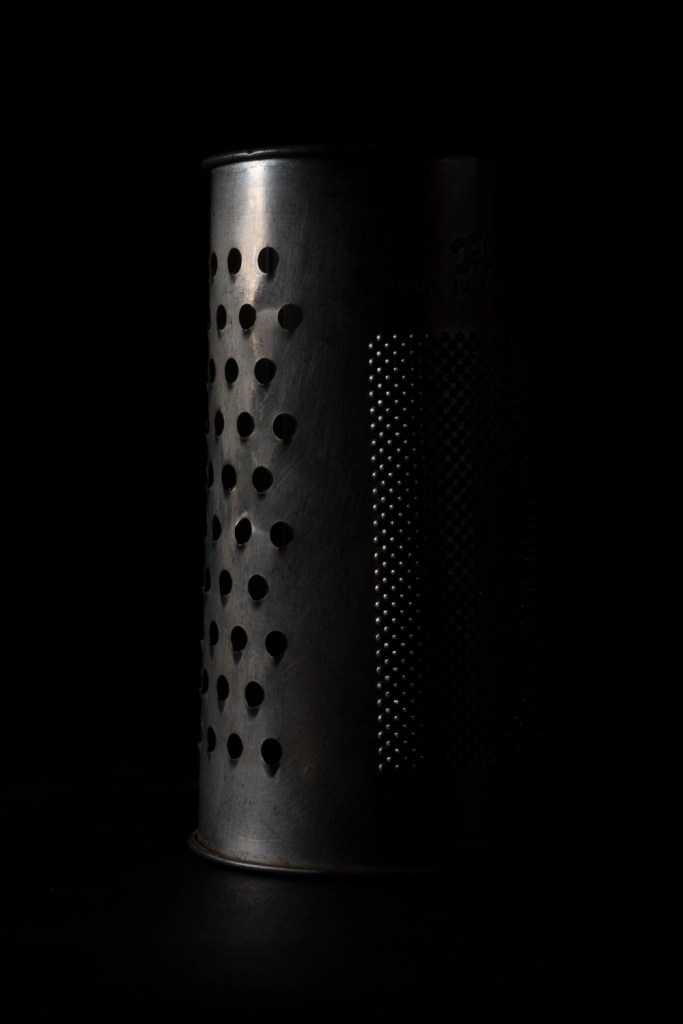
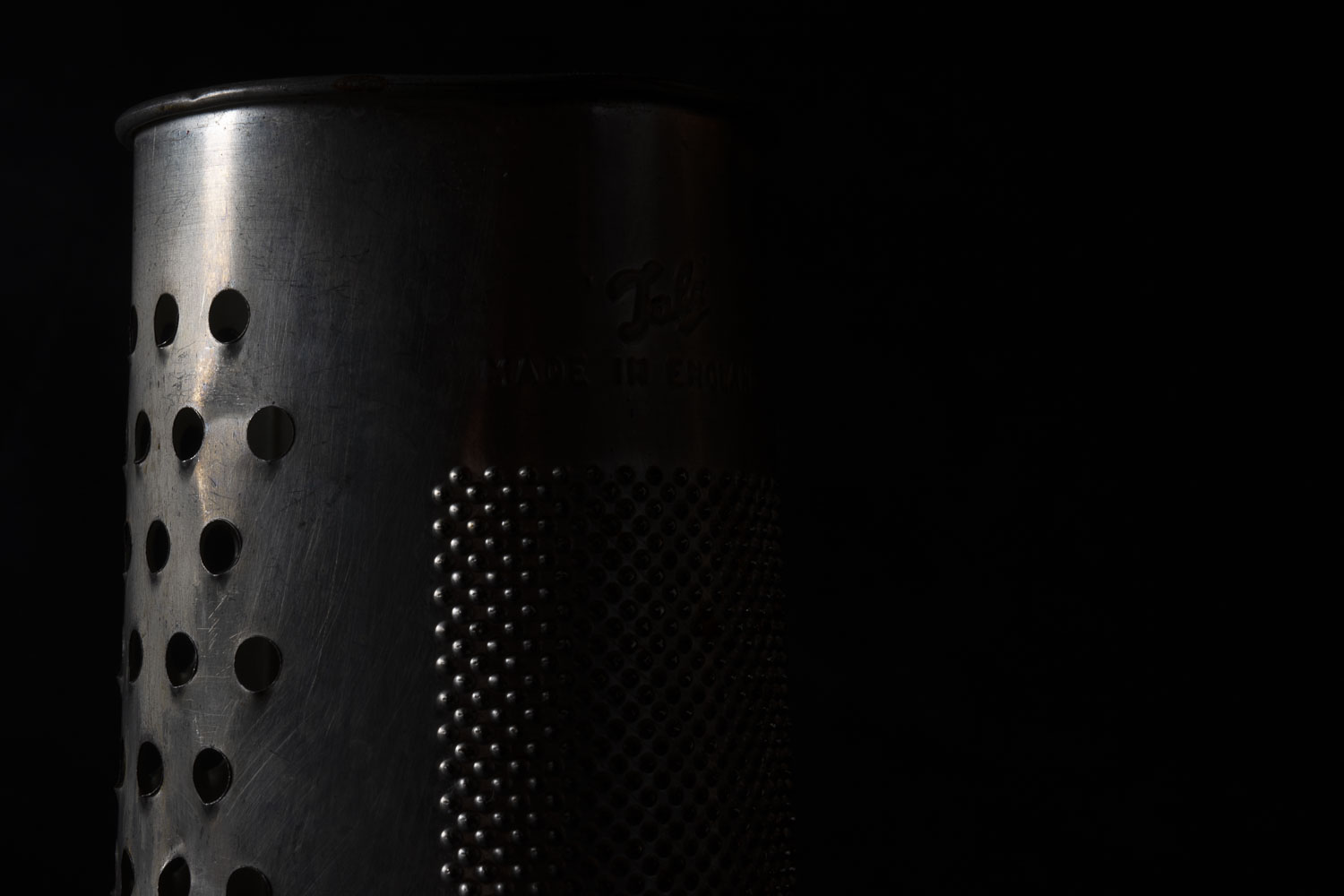
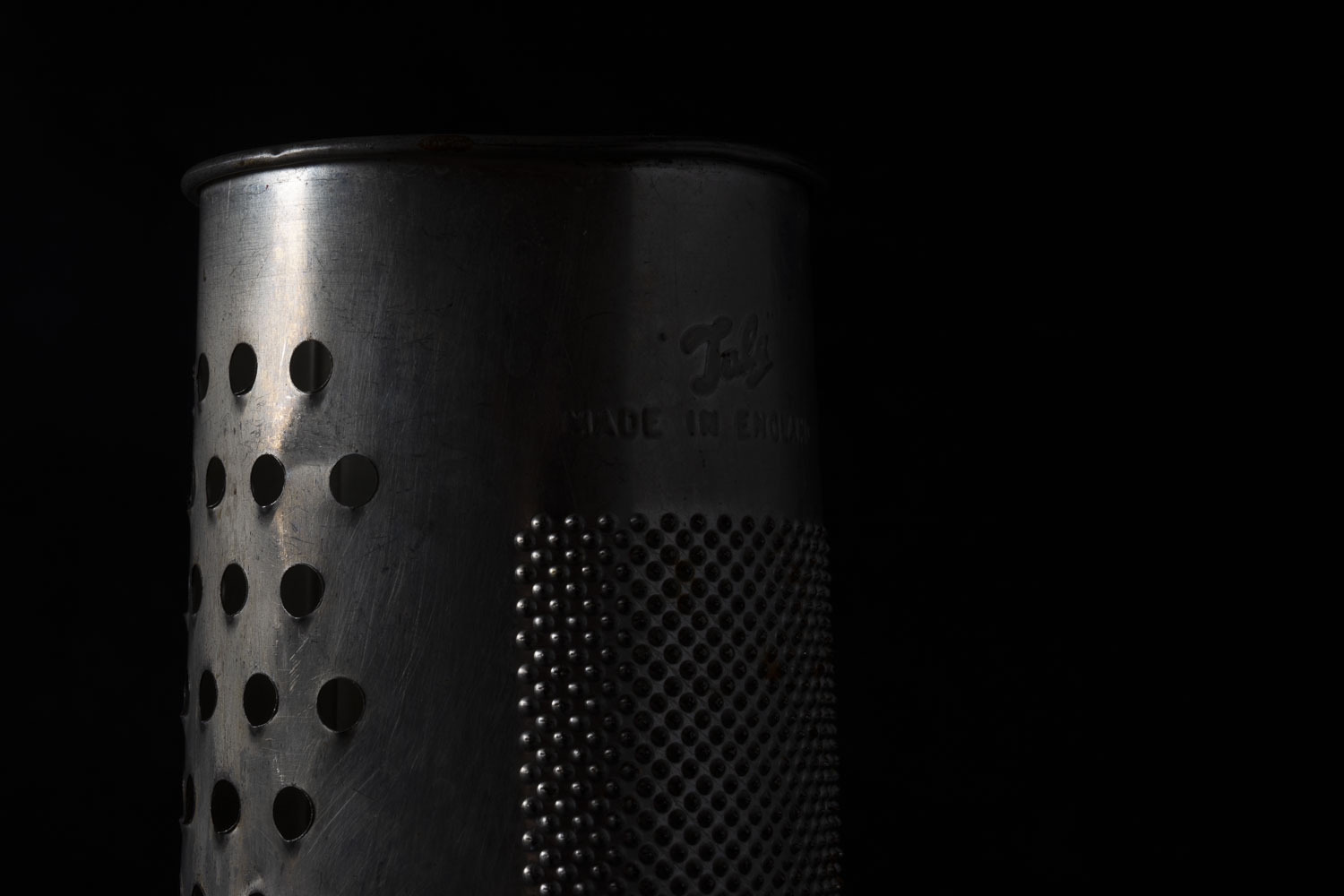
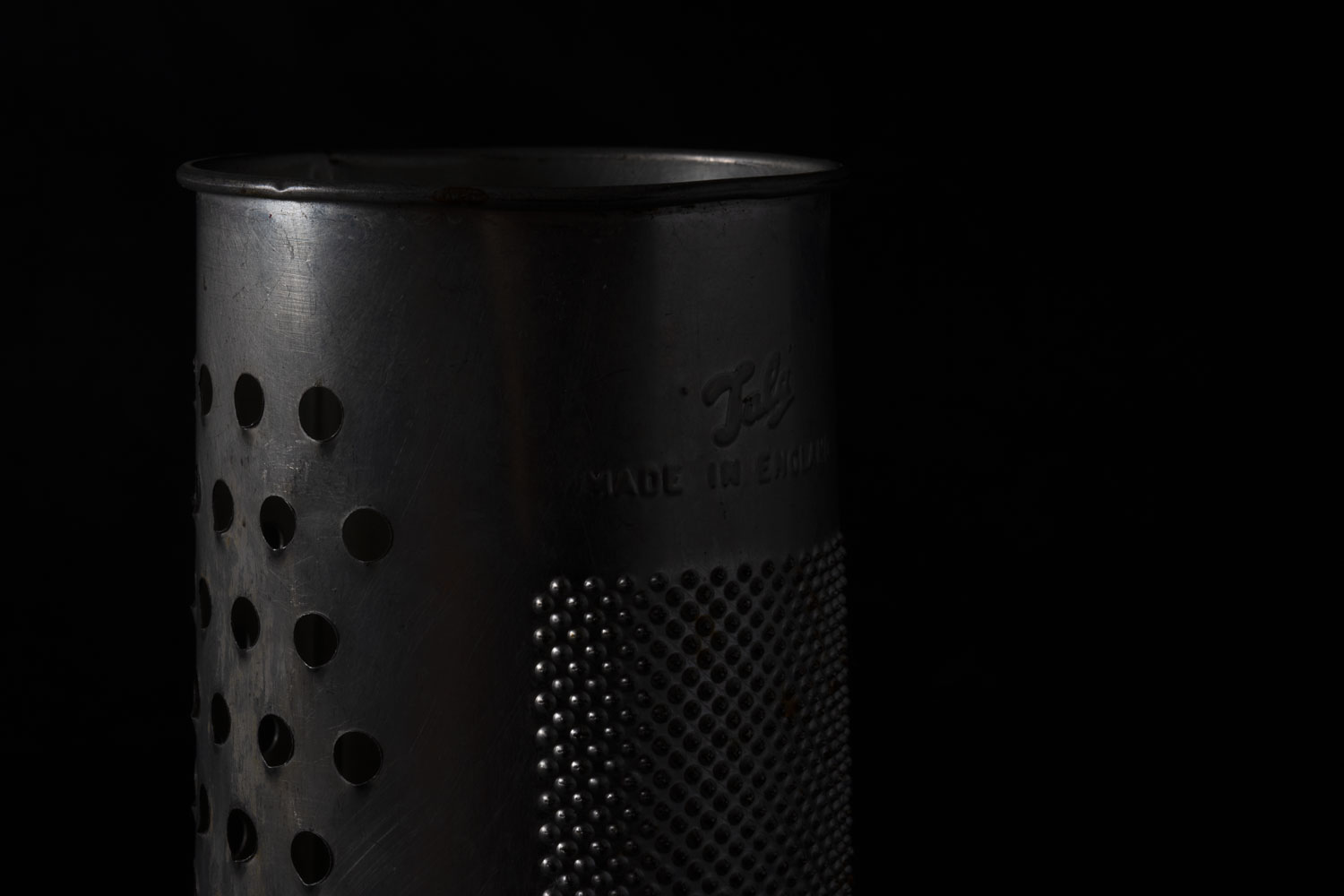
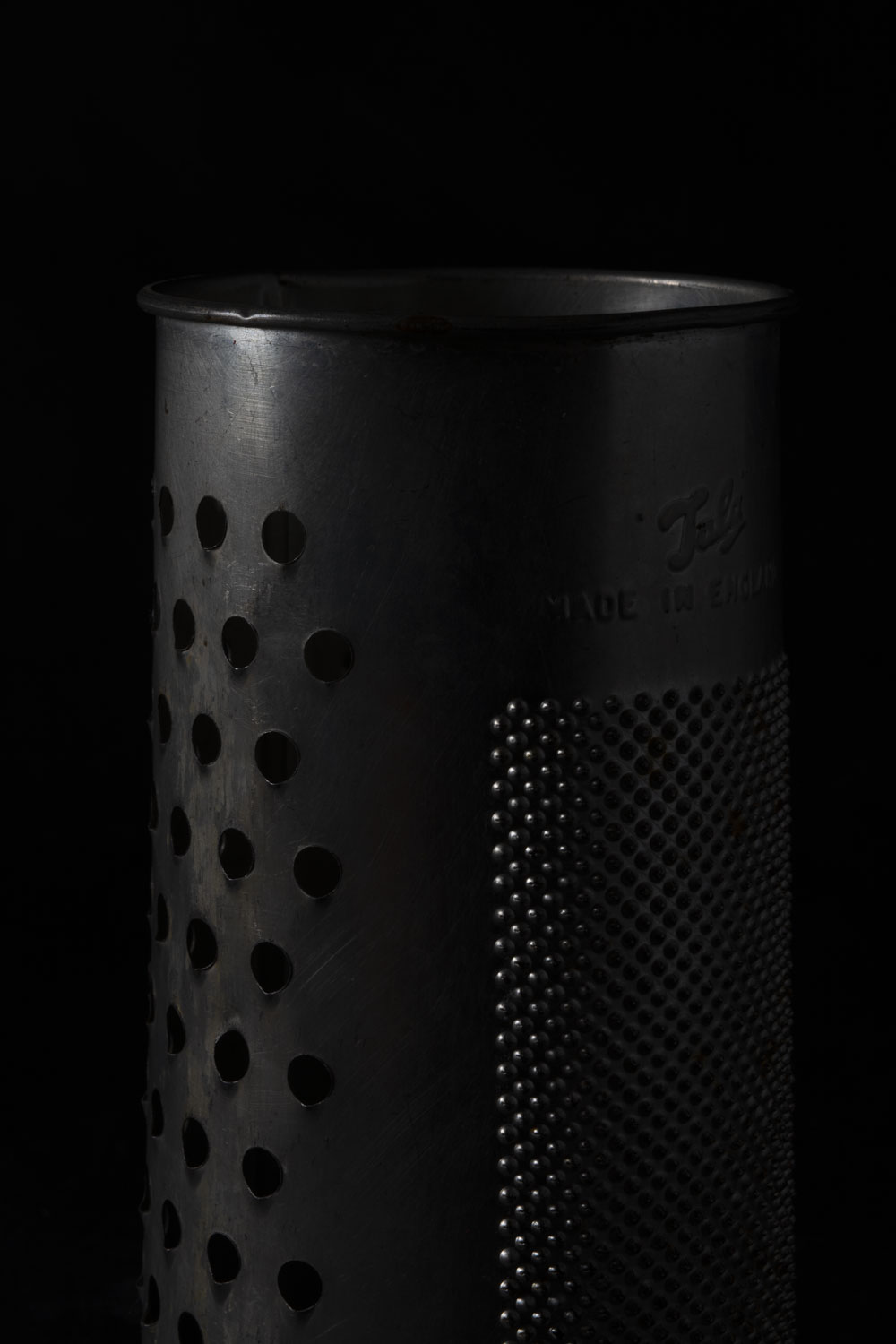
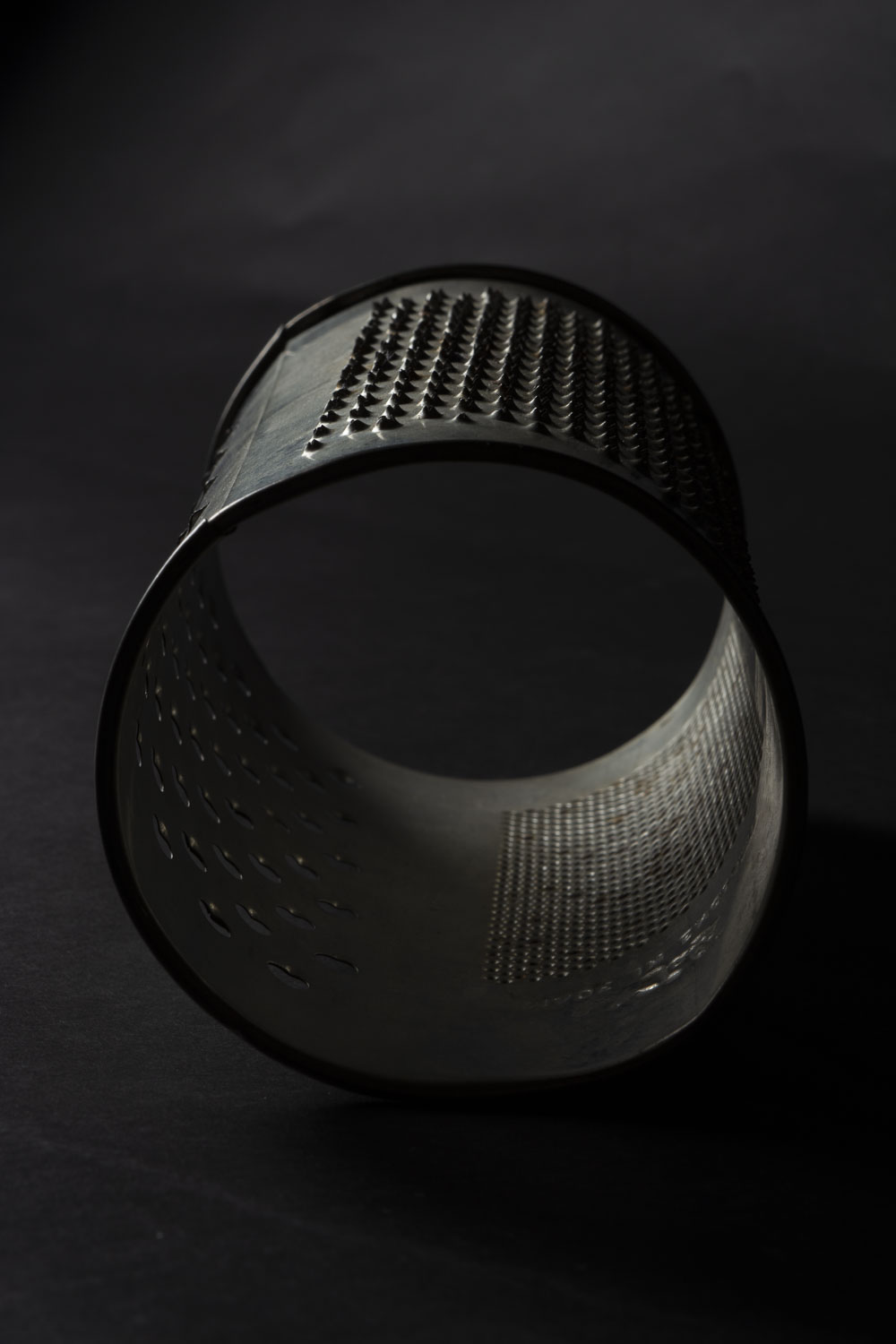
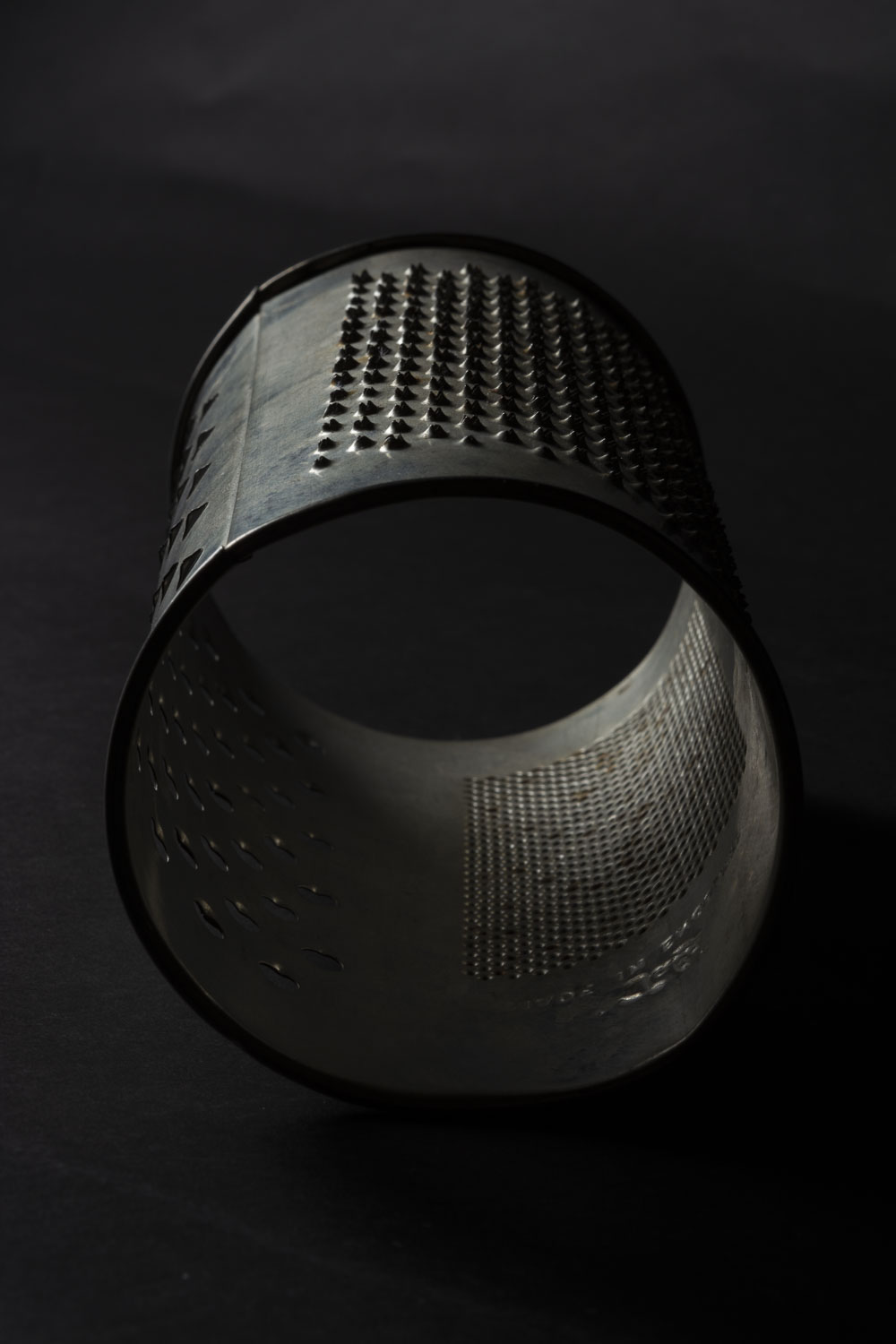
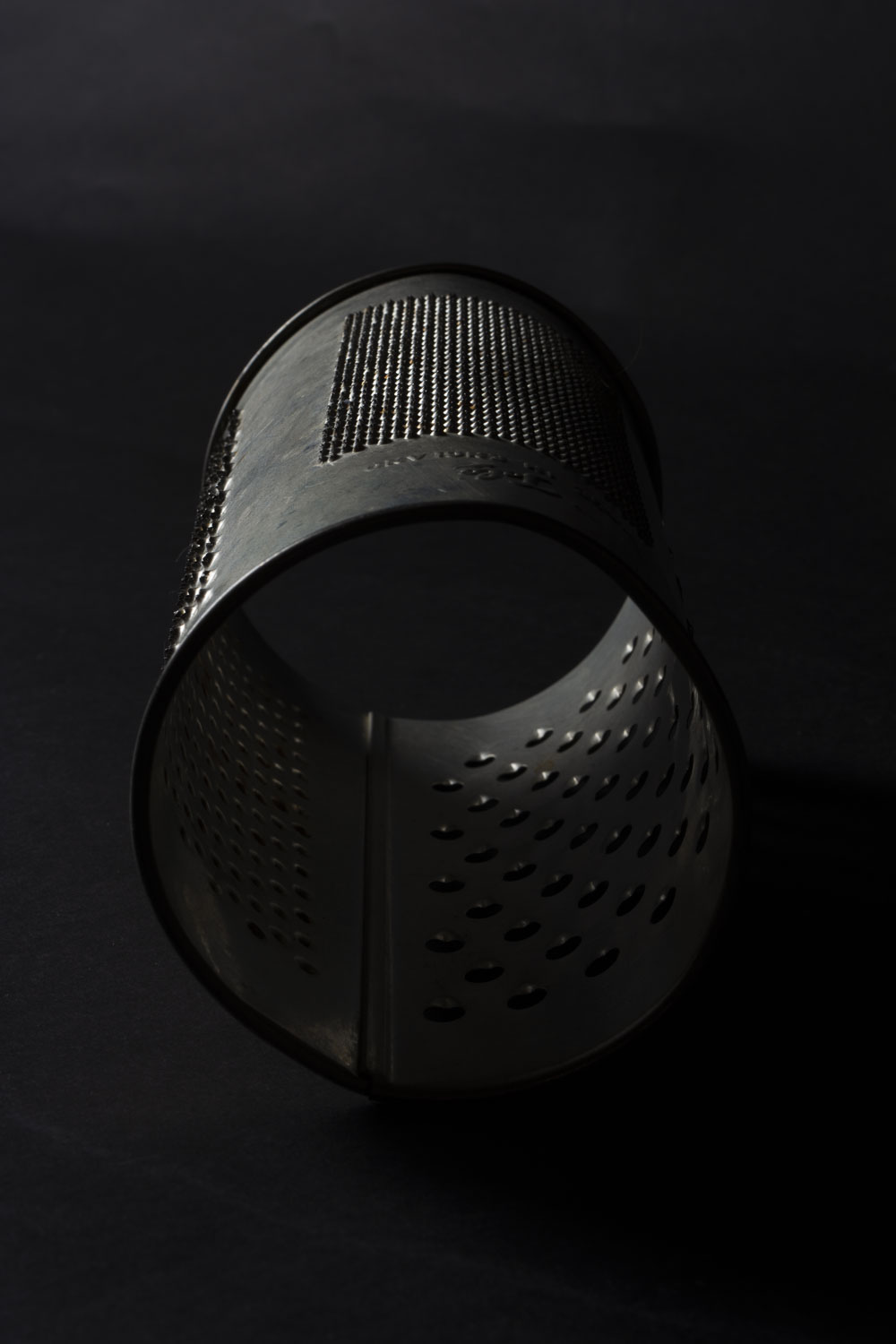
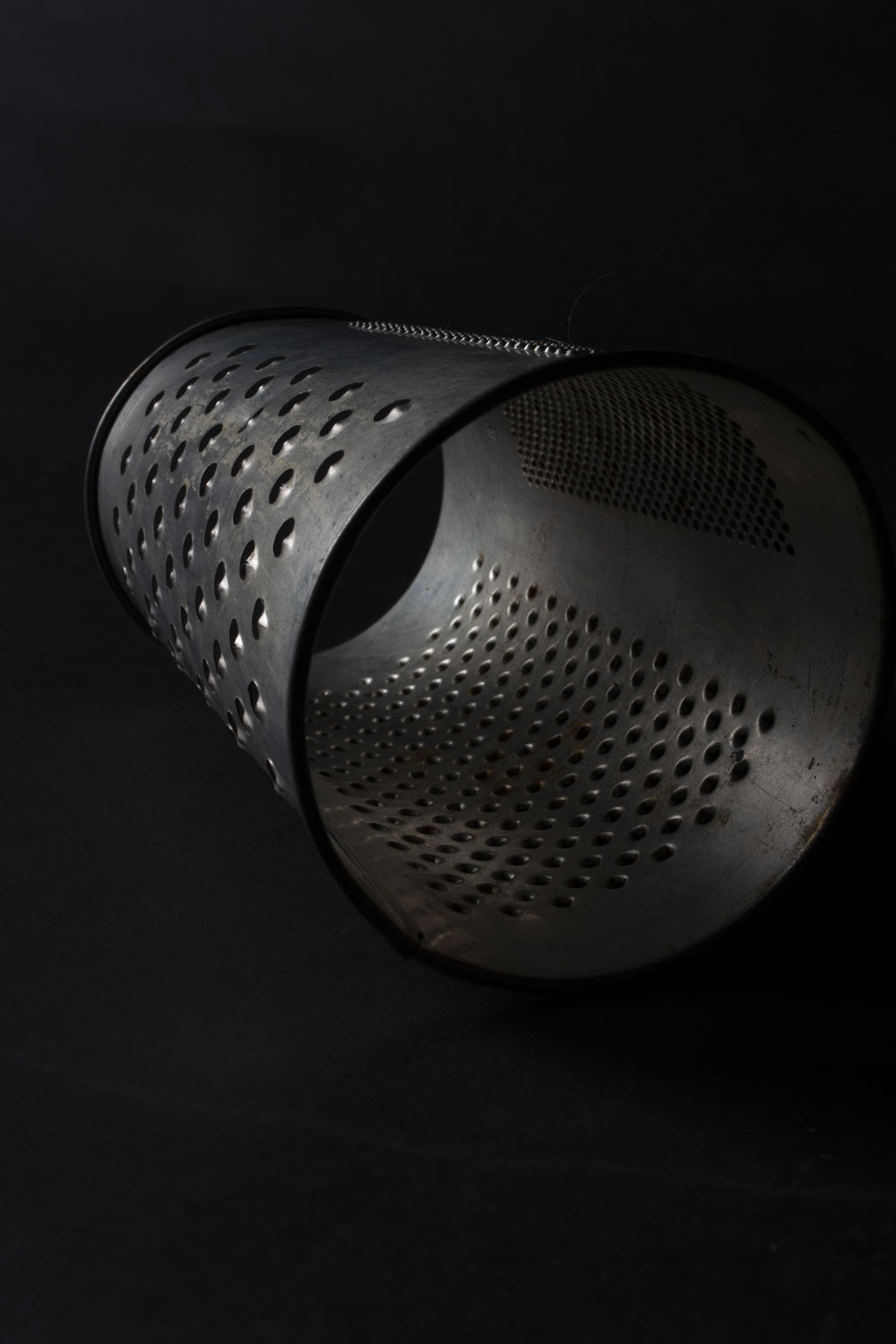
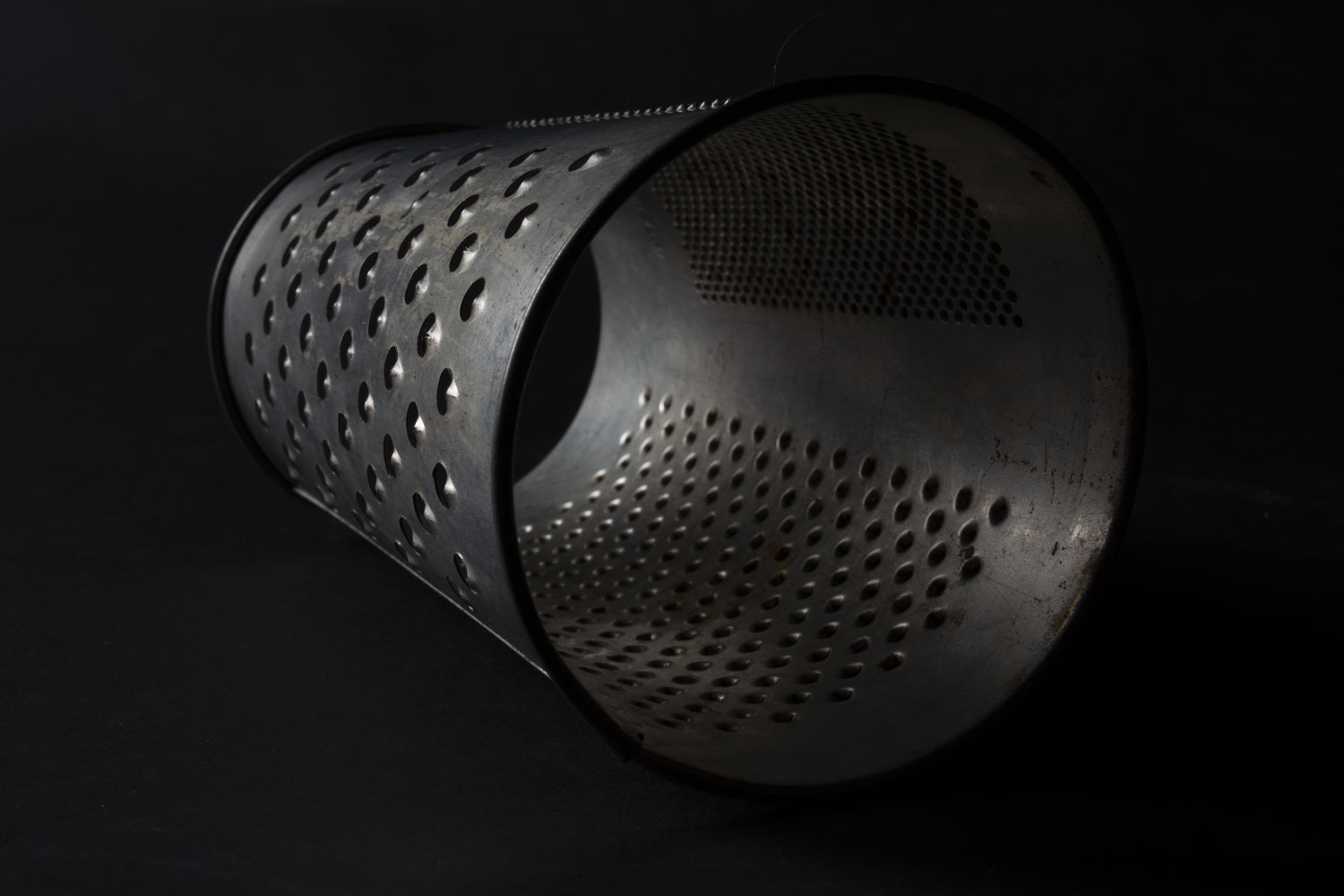
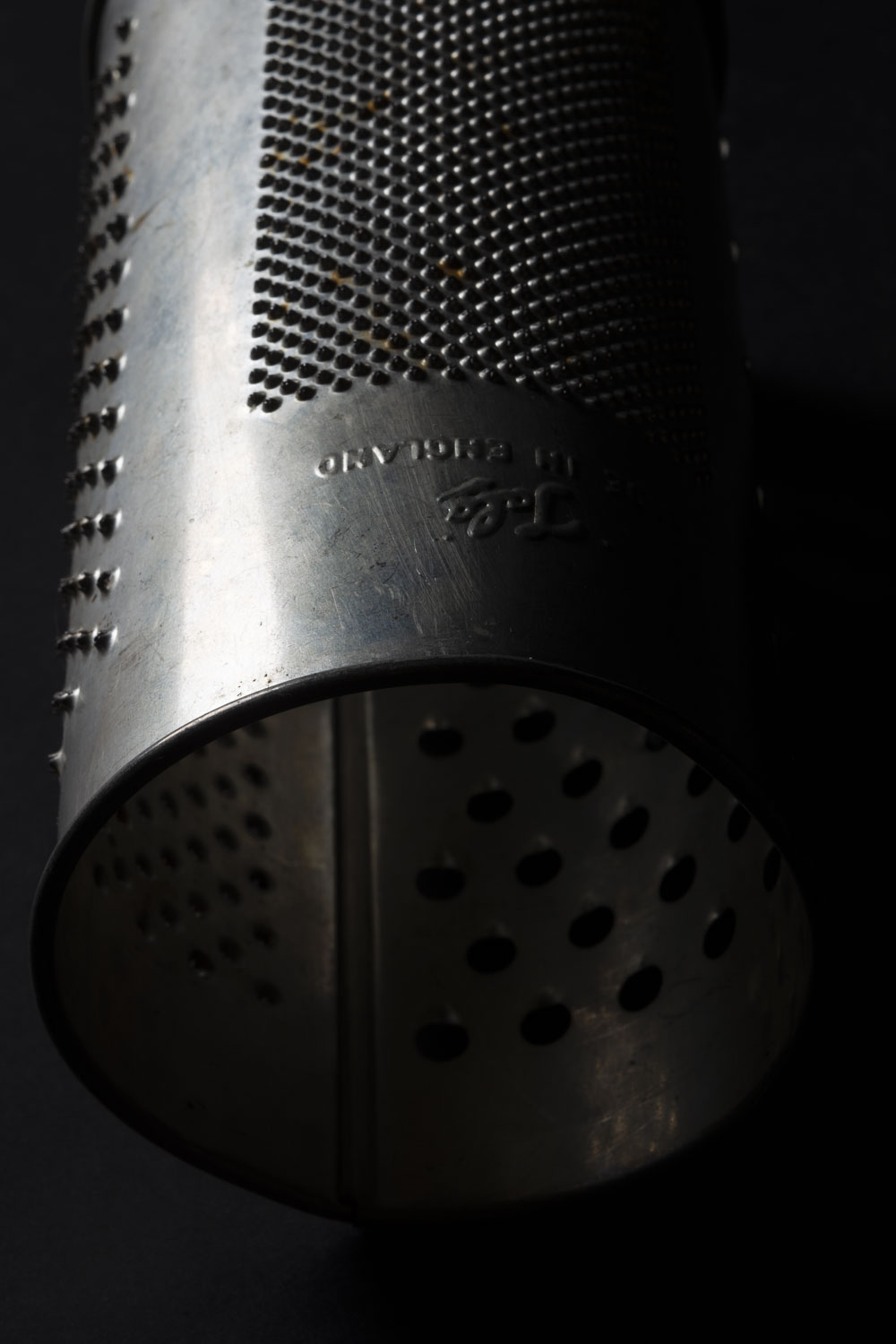
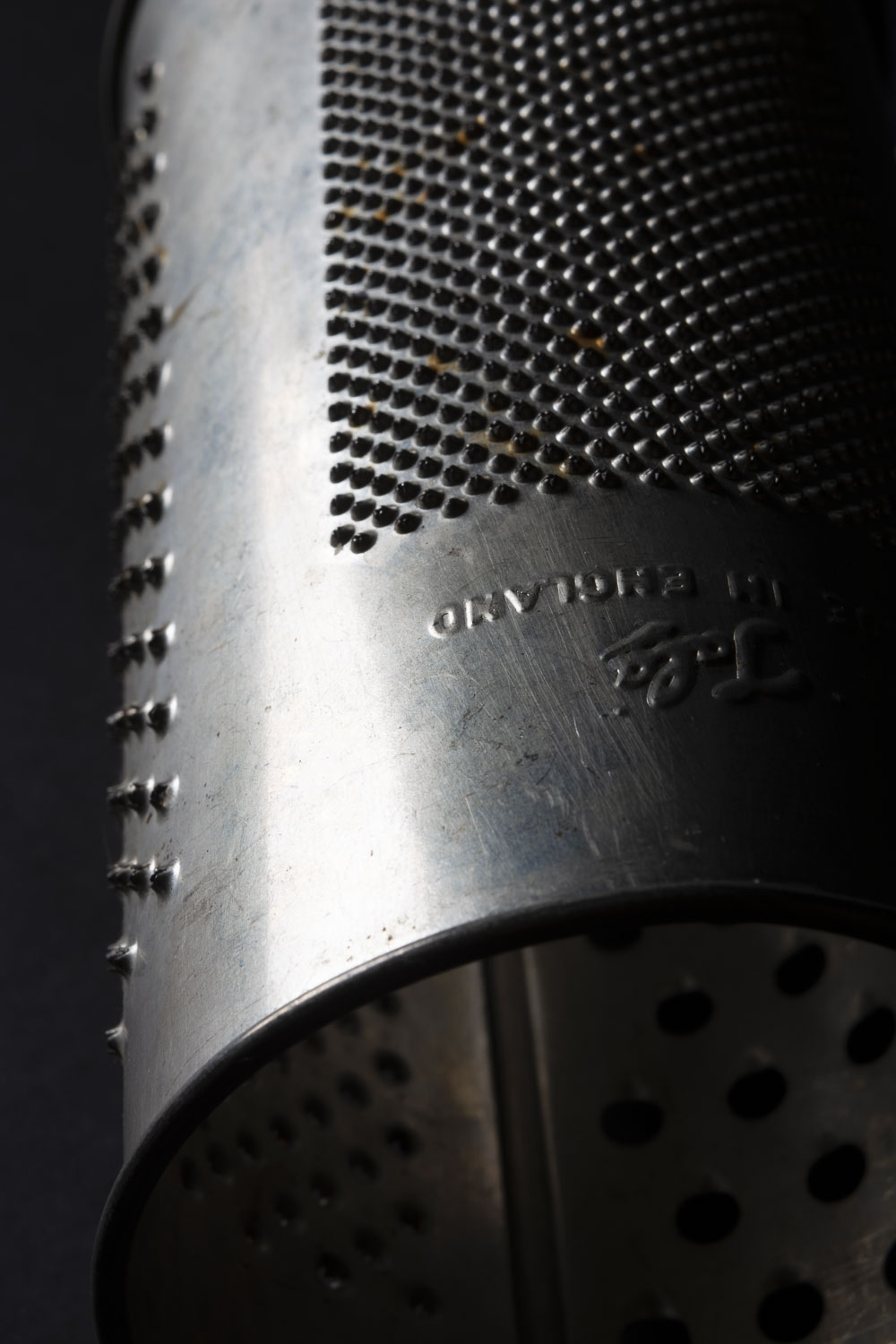
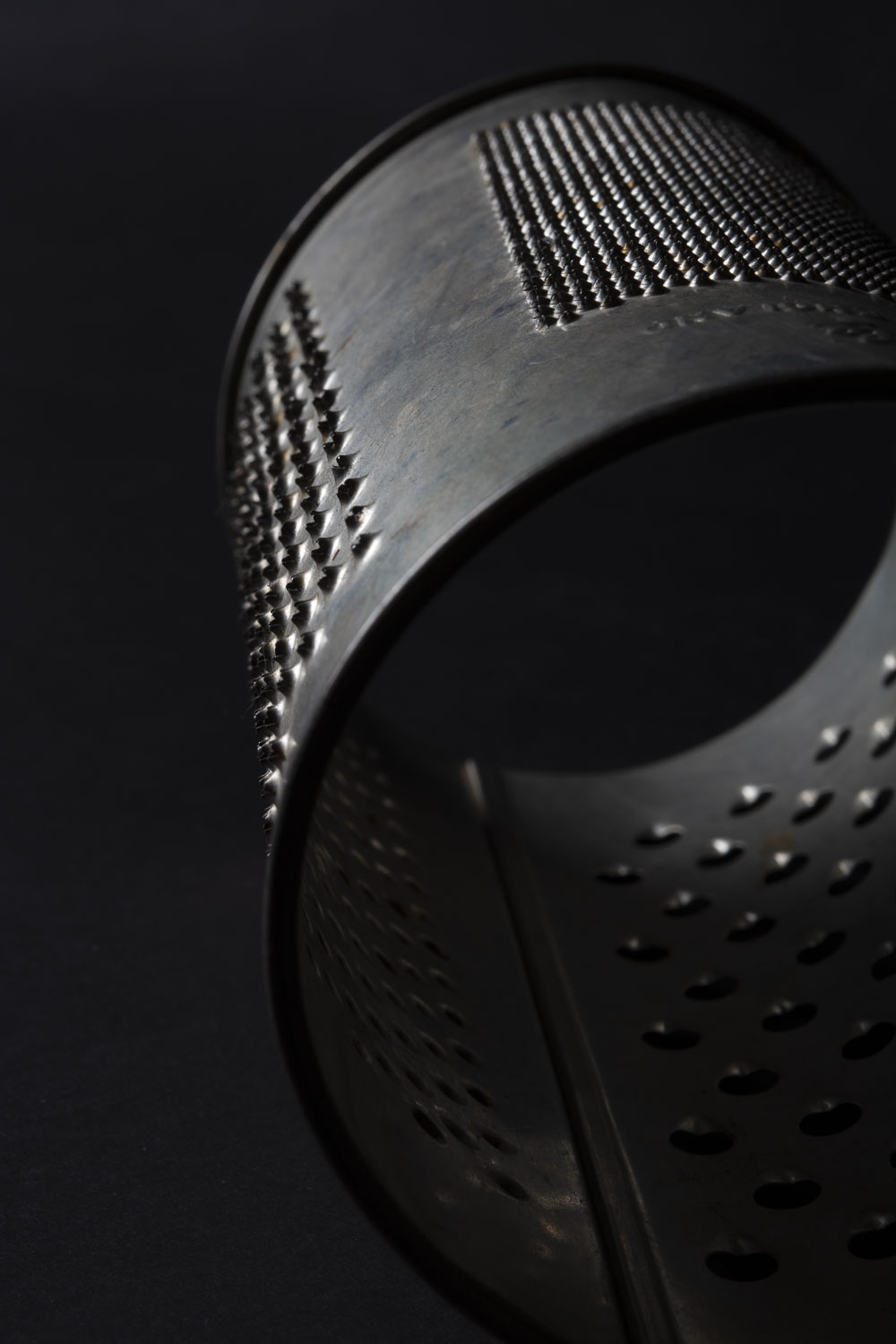
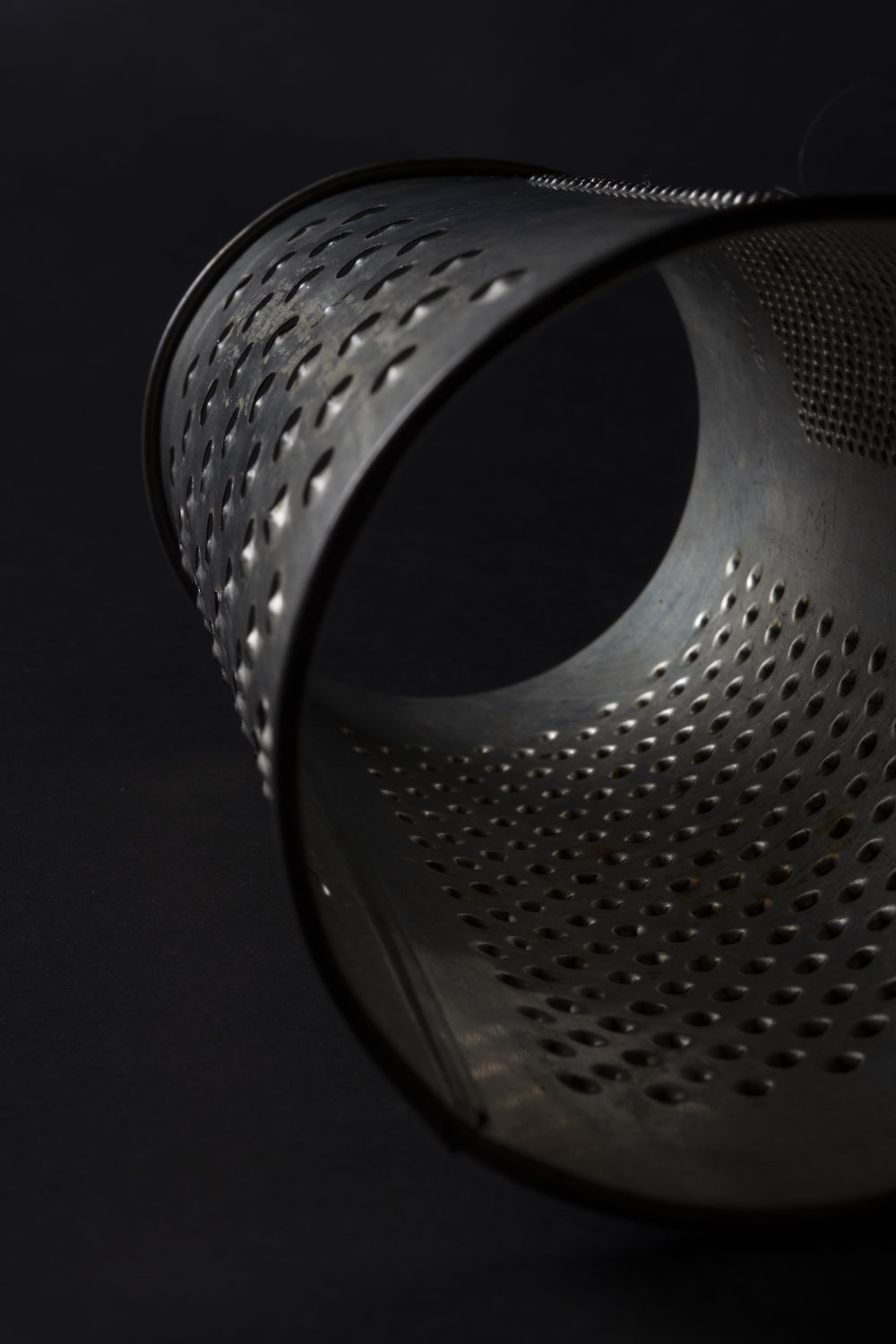
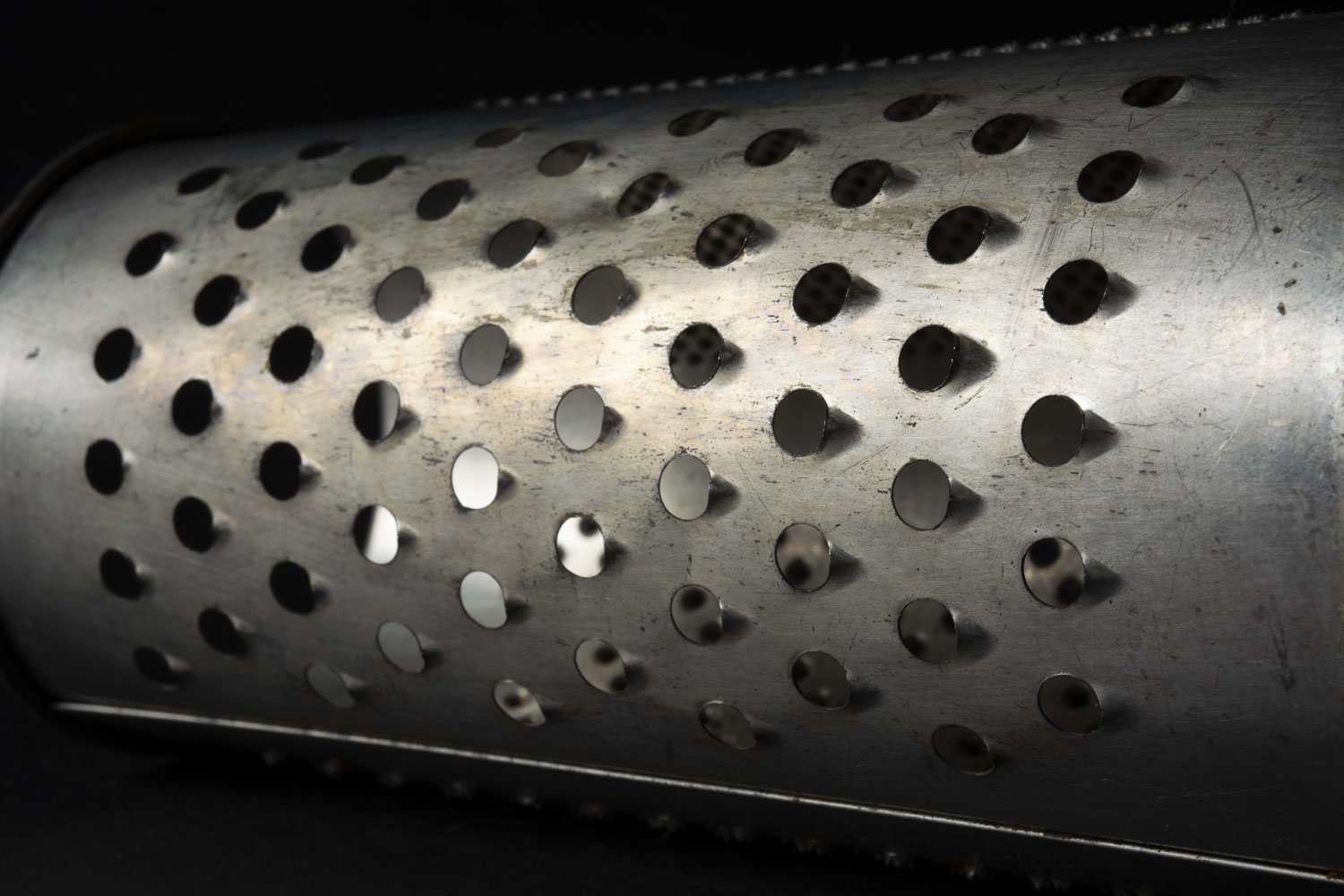
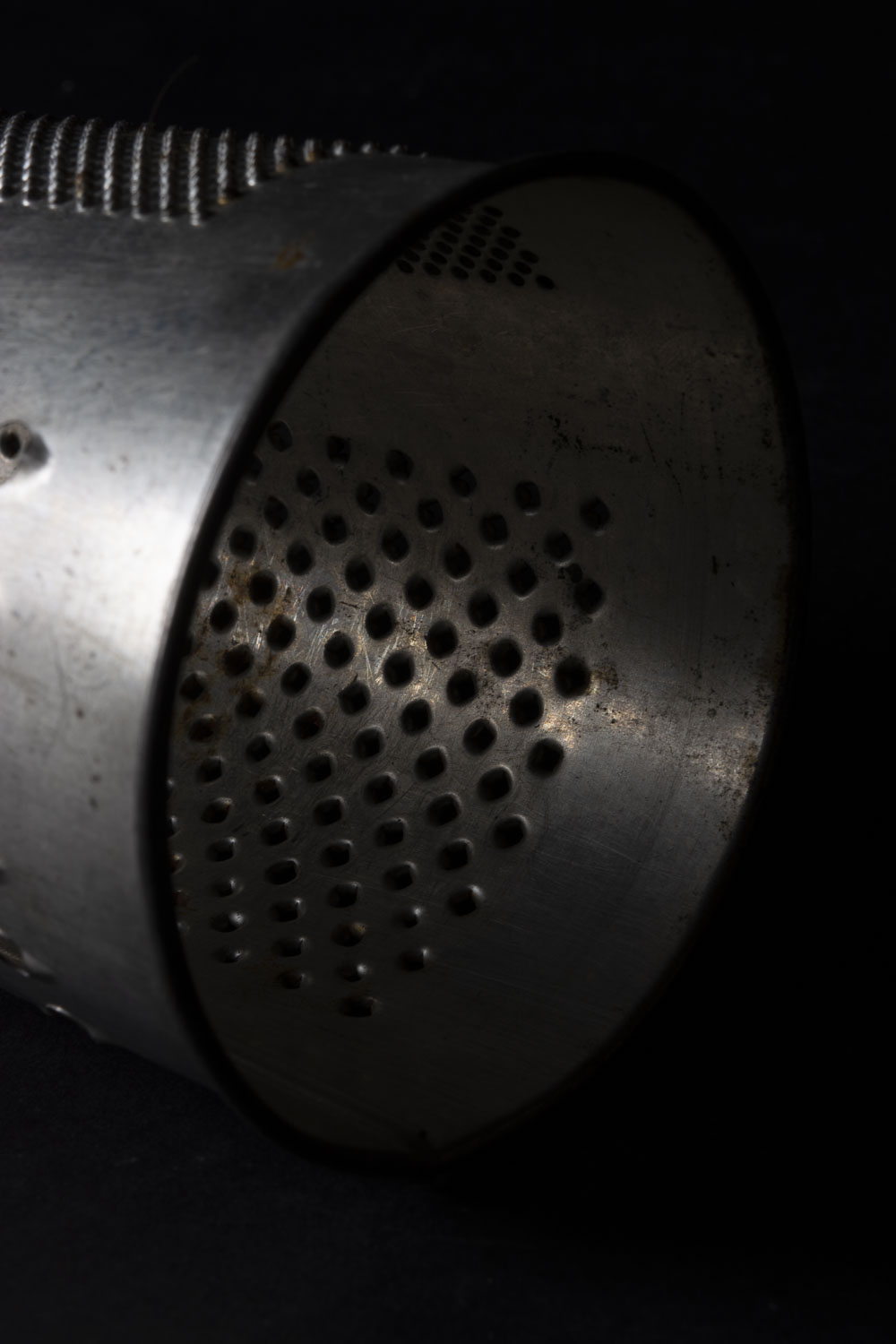
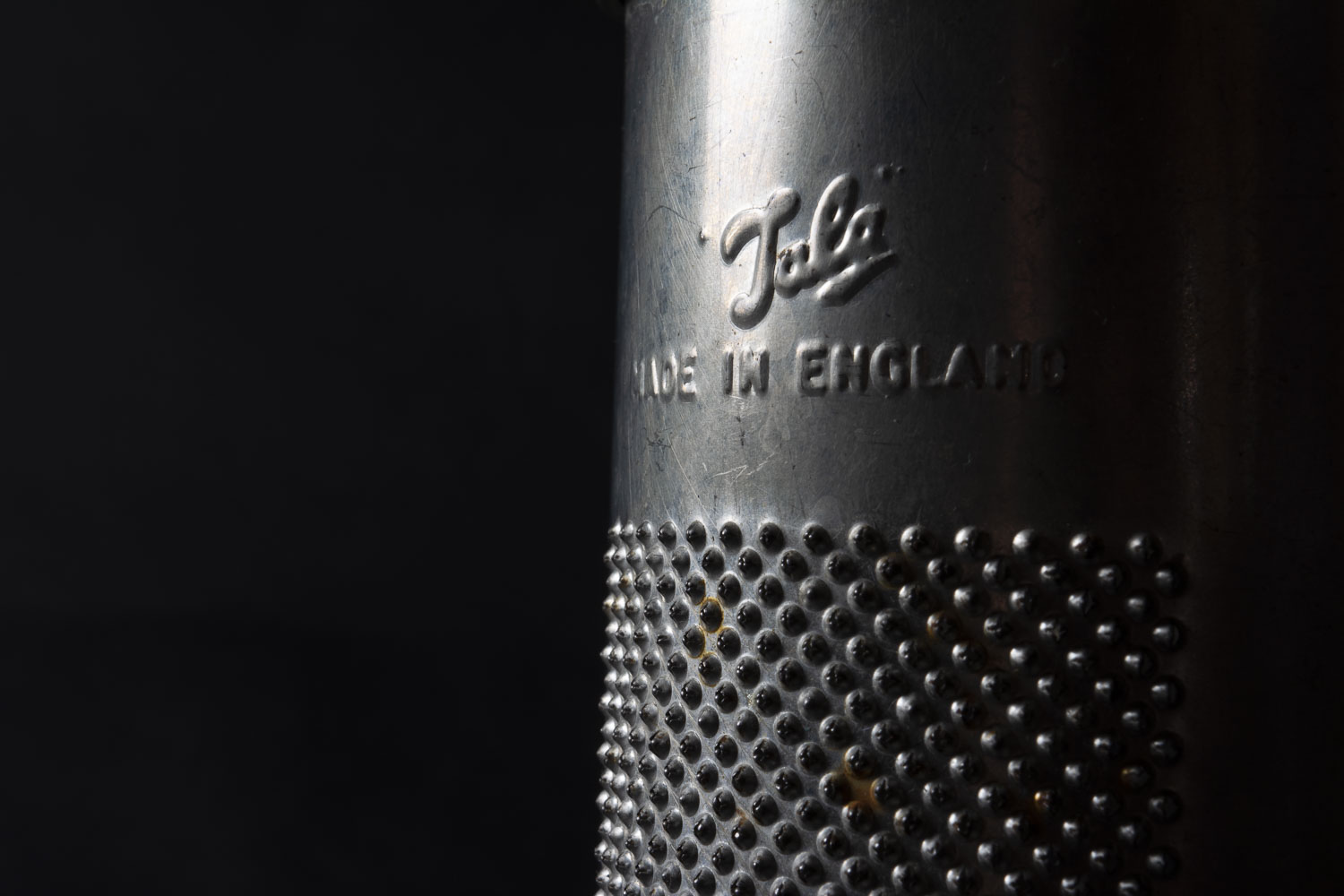
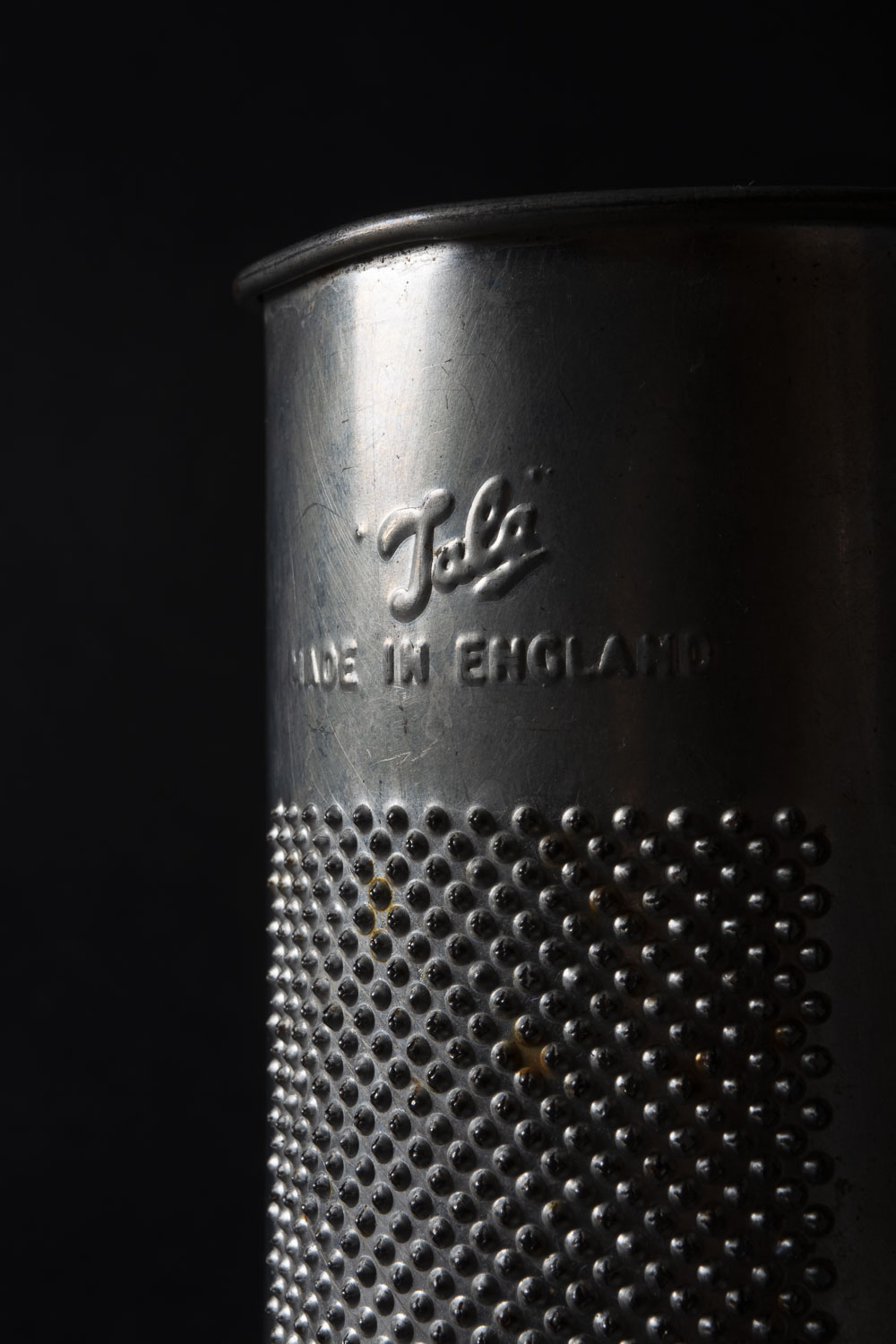
I quite like to photograph old metal and different textures. I seperated the grater from the bottles.
Light to dark with Apeture
F-7.1 F-8 F-9
F-10 F-11 F-13
F-7.1 with silver reflector
with out refector
With a reflector -moving
central composition, slight reflector
with reflector
Below, playing with different angles and one light source.
This week I purchased a second hand Prime Lens for my Nikon camera. F stop 1.8 This lens is a manual focus lens and therefore I have to be really careful and work hard to get the correct focus.
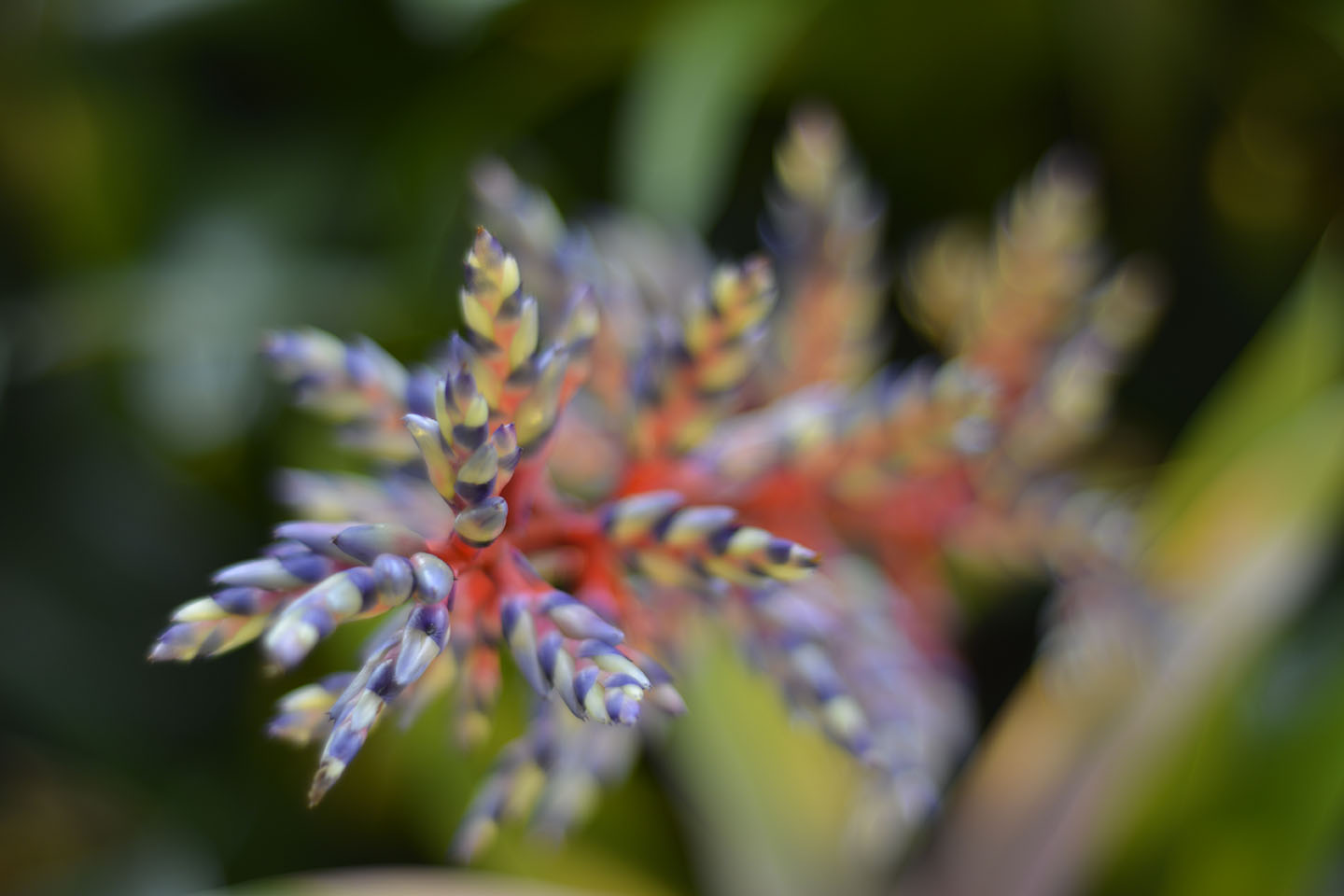
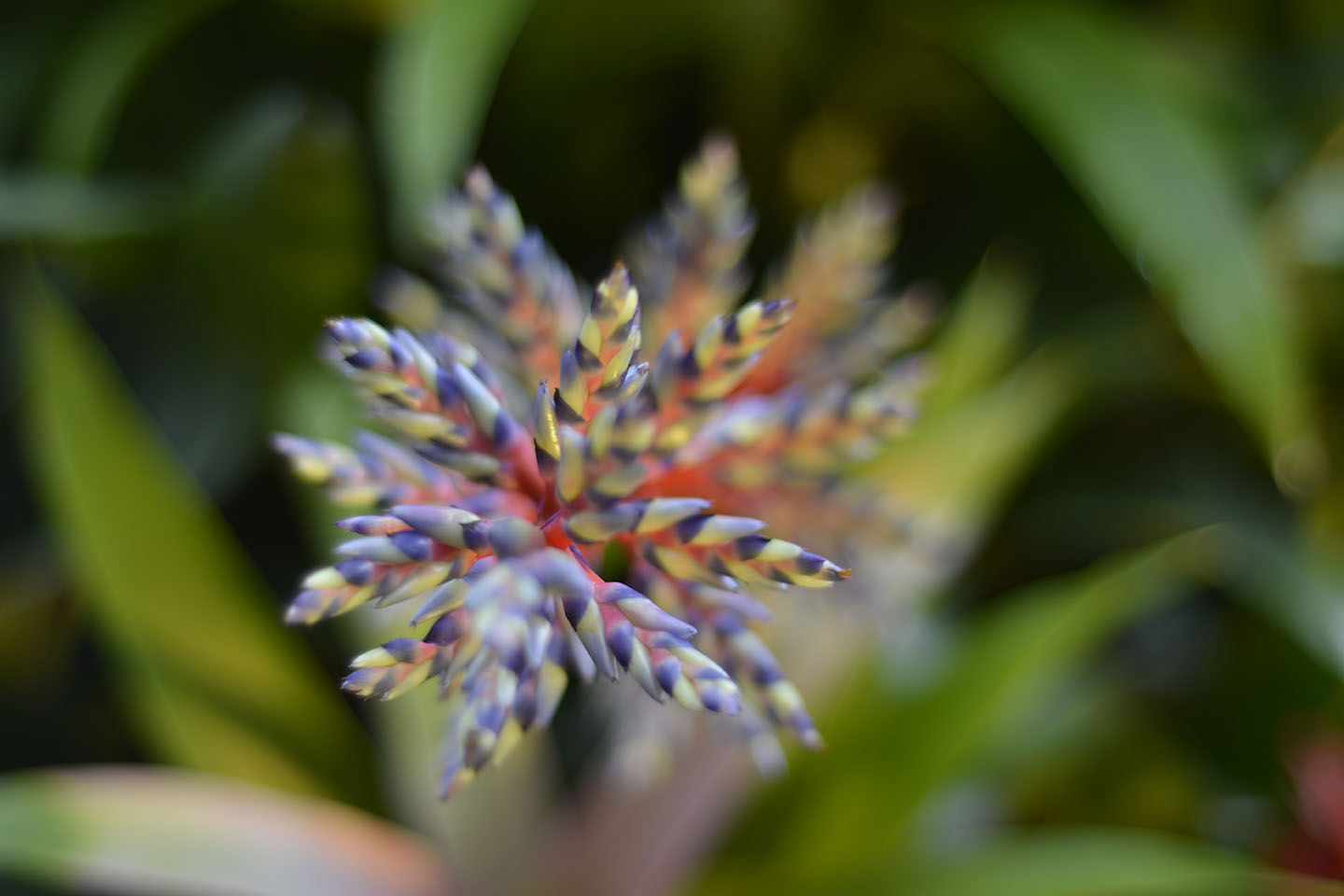
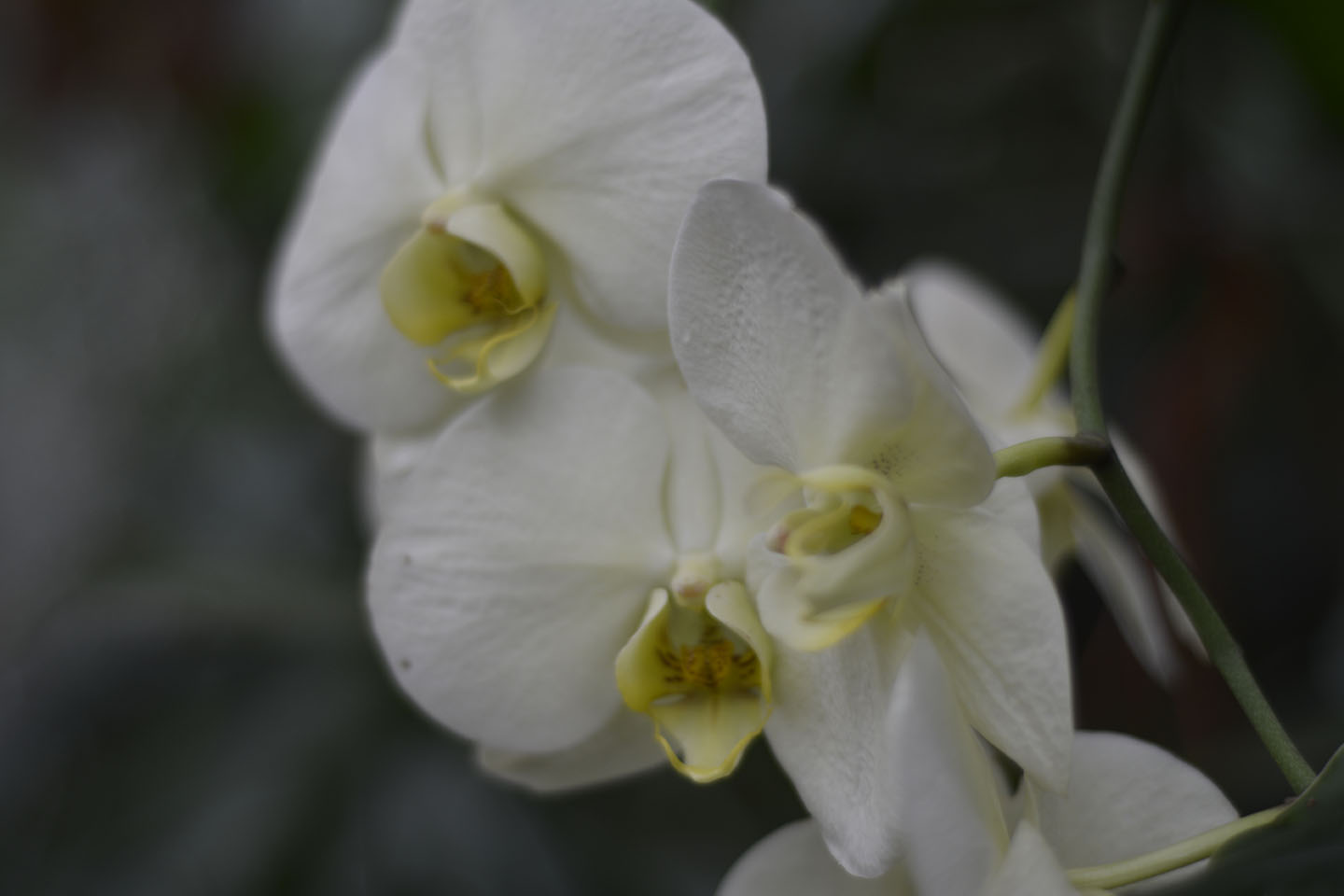
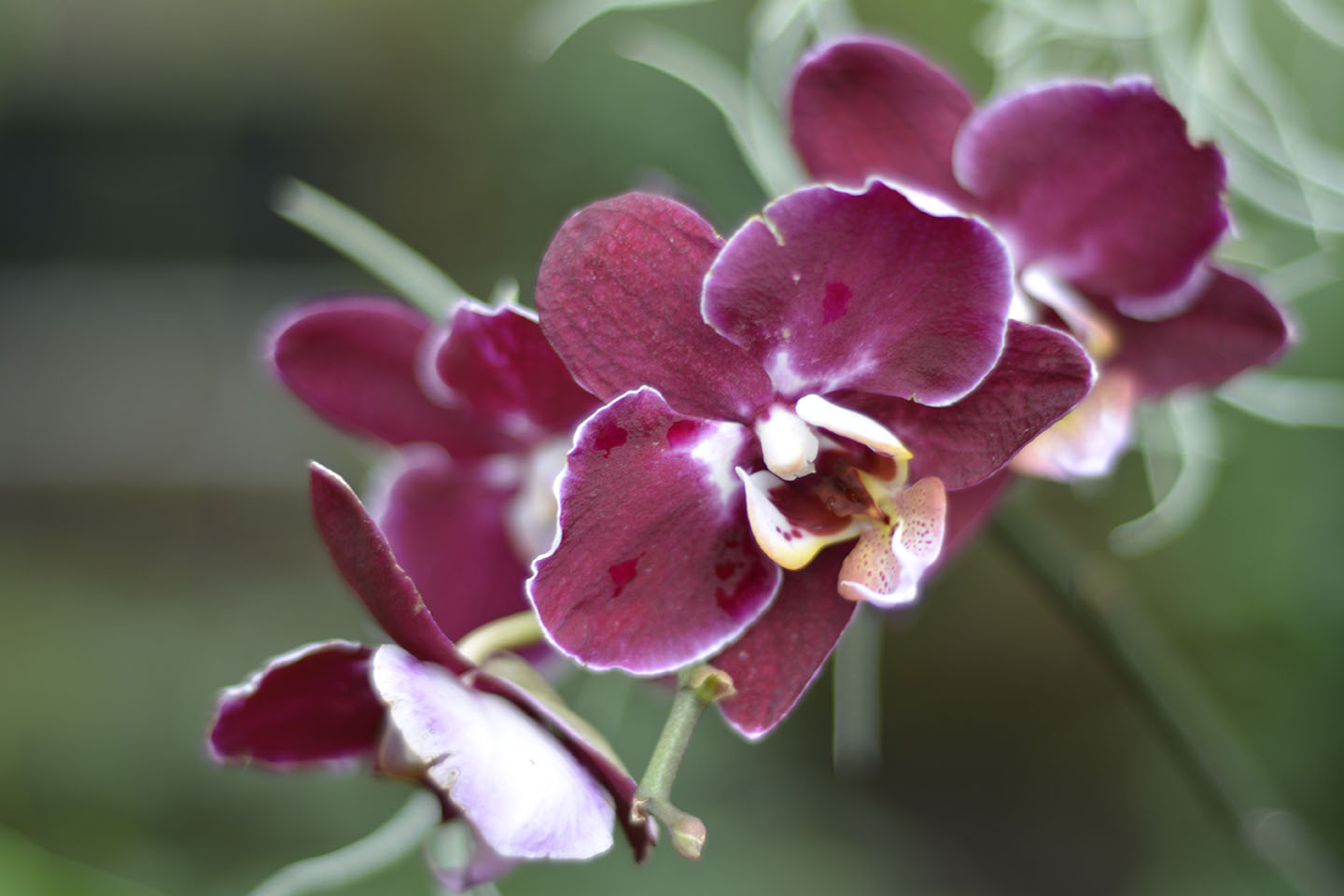
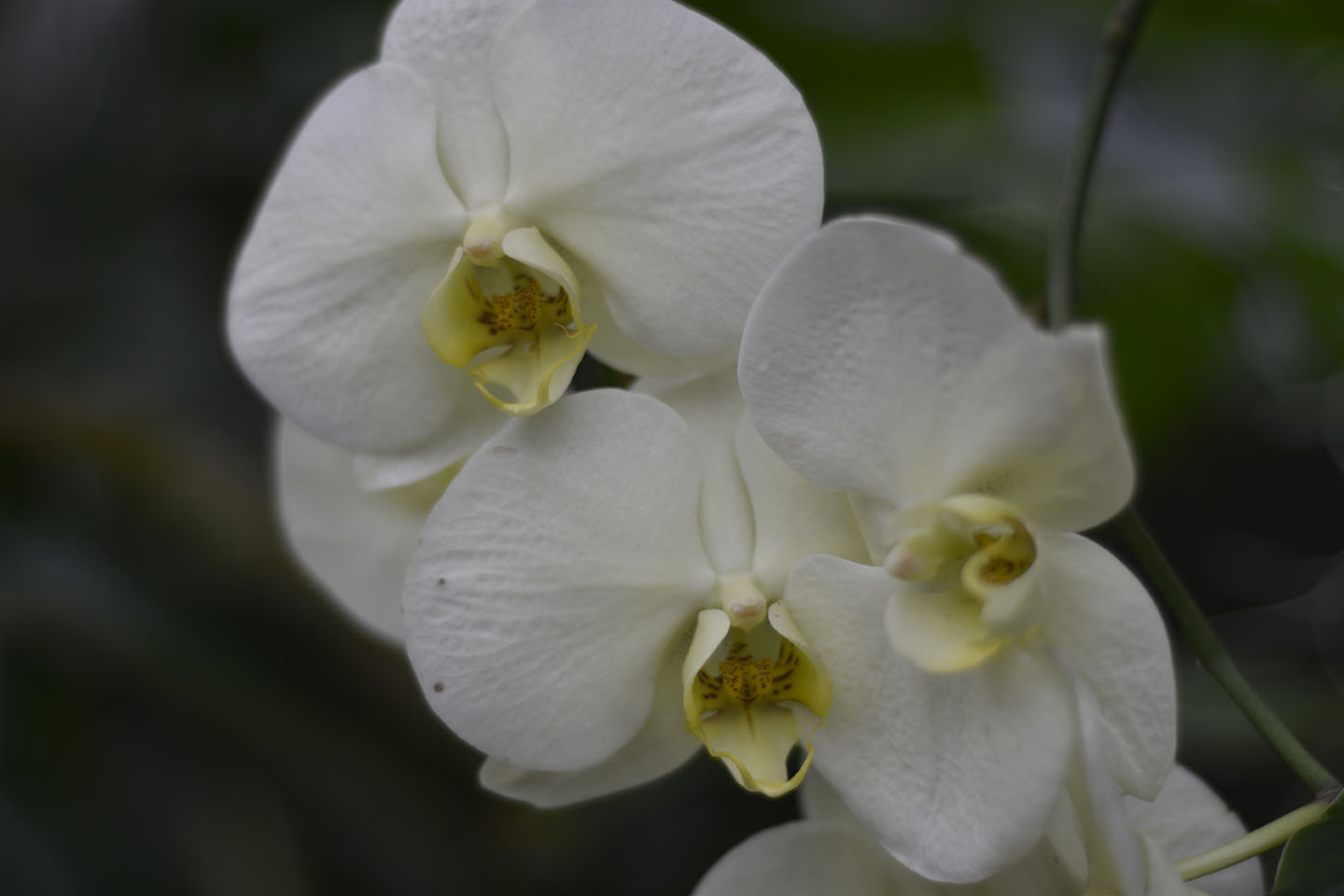
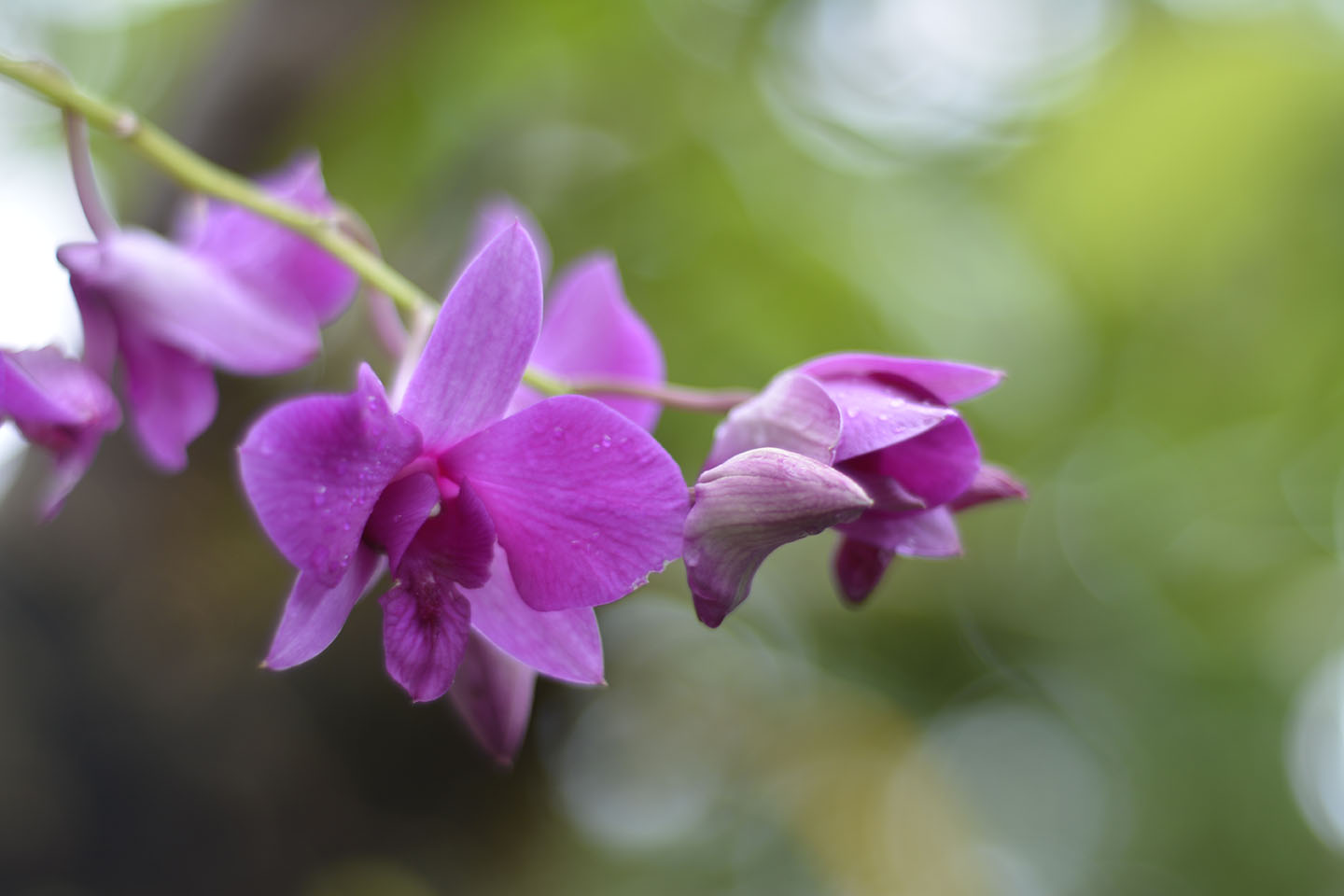
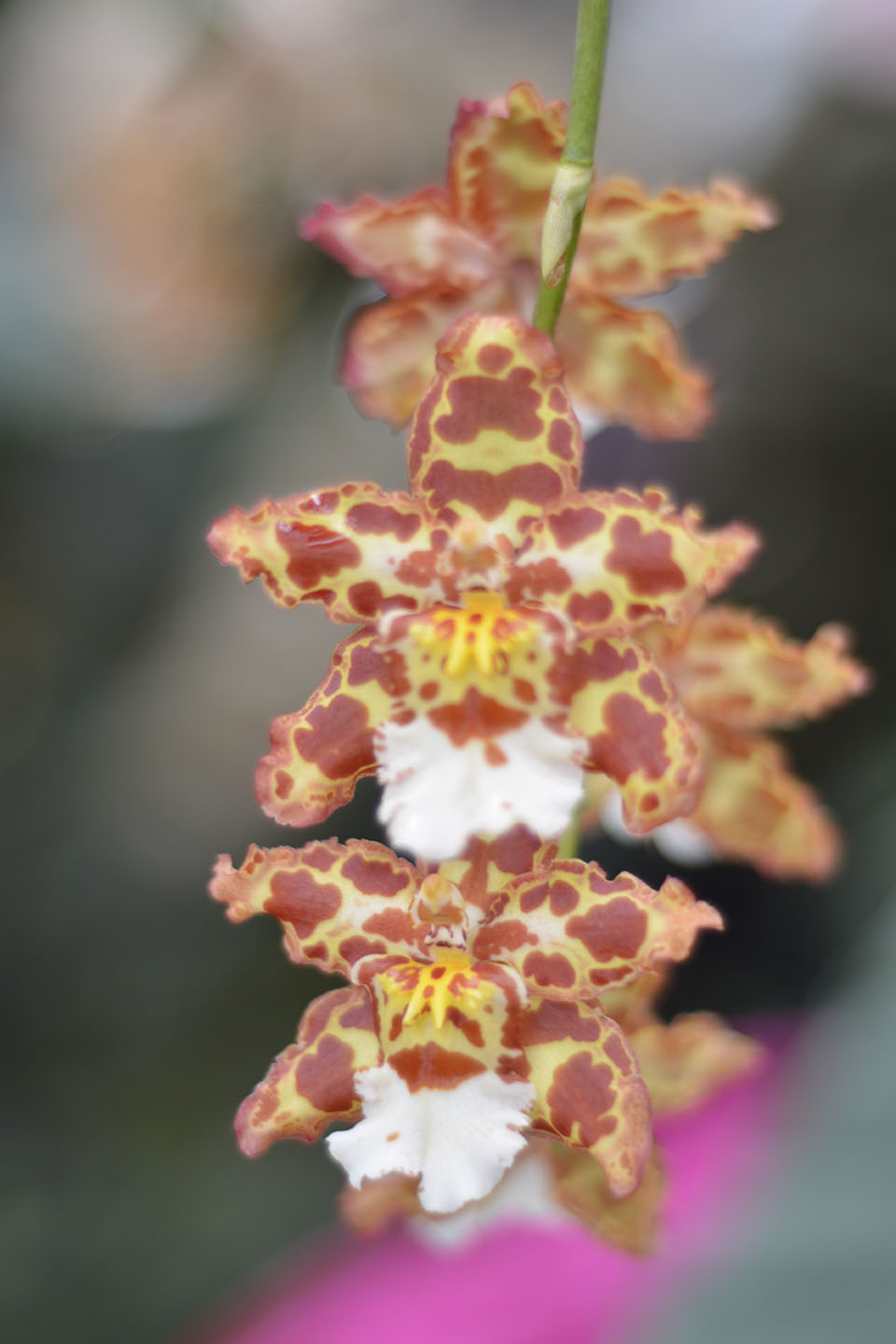
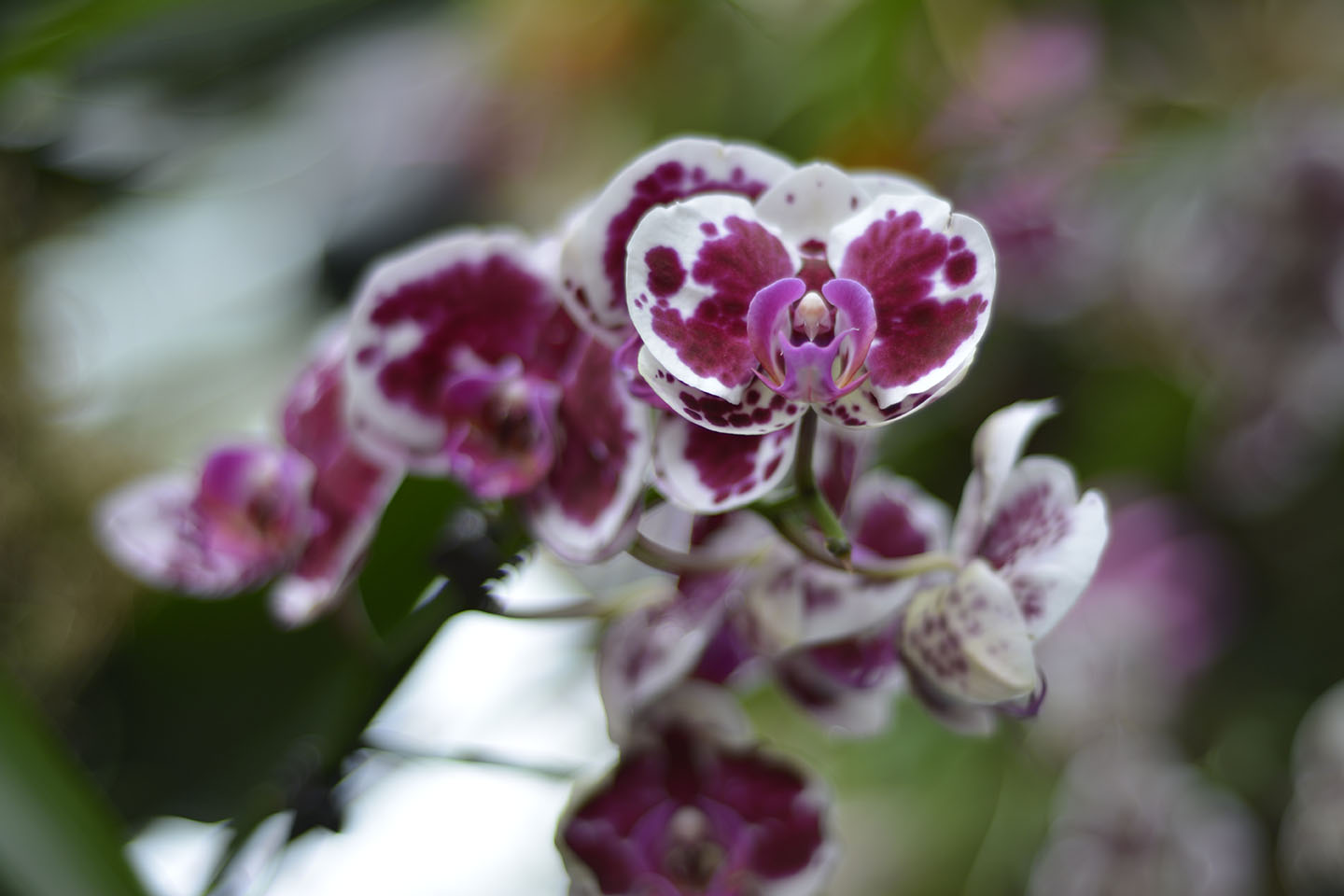
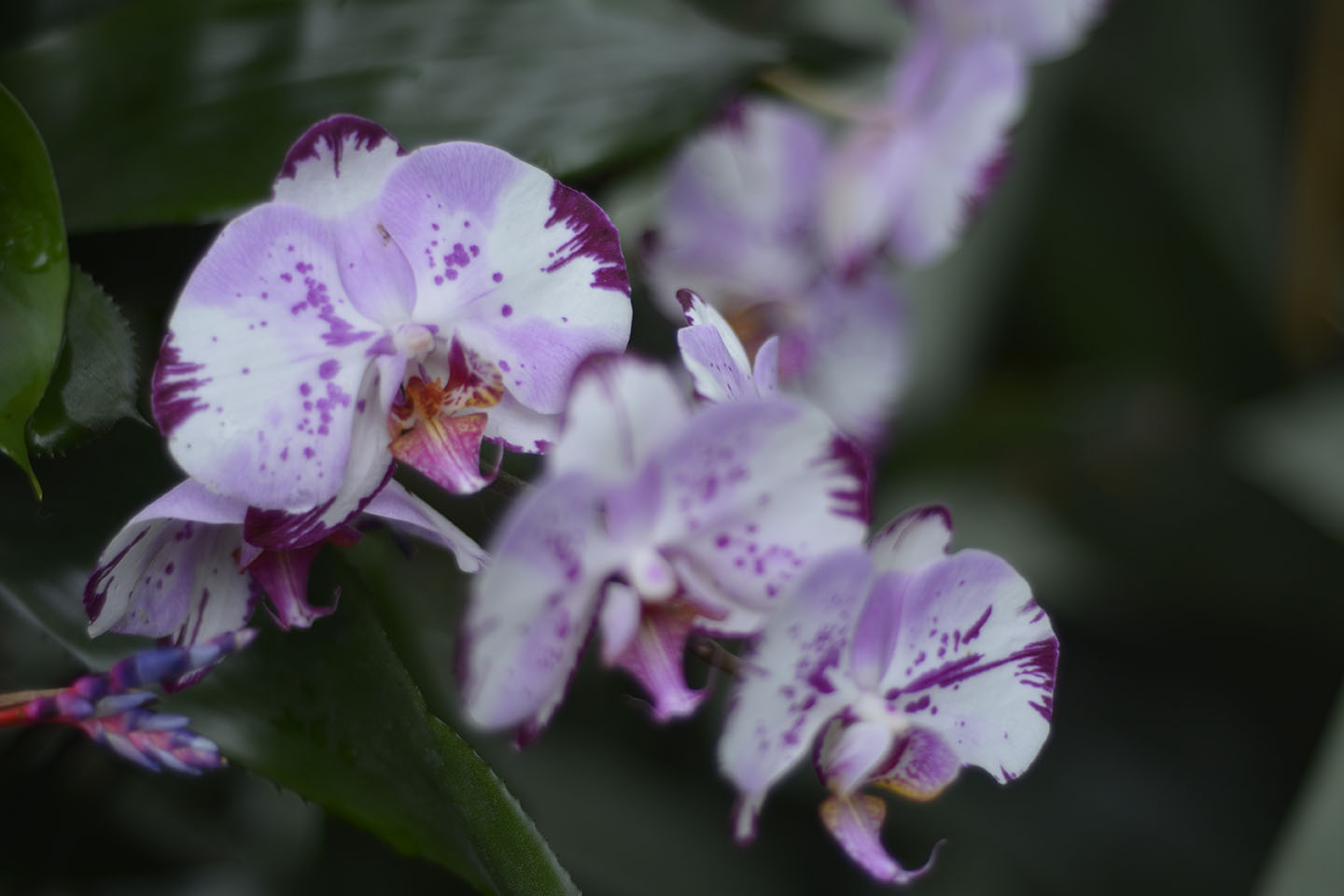
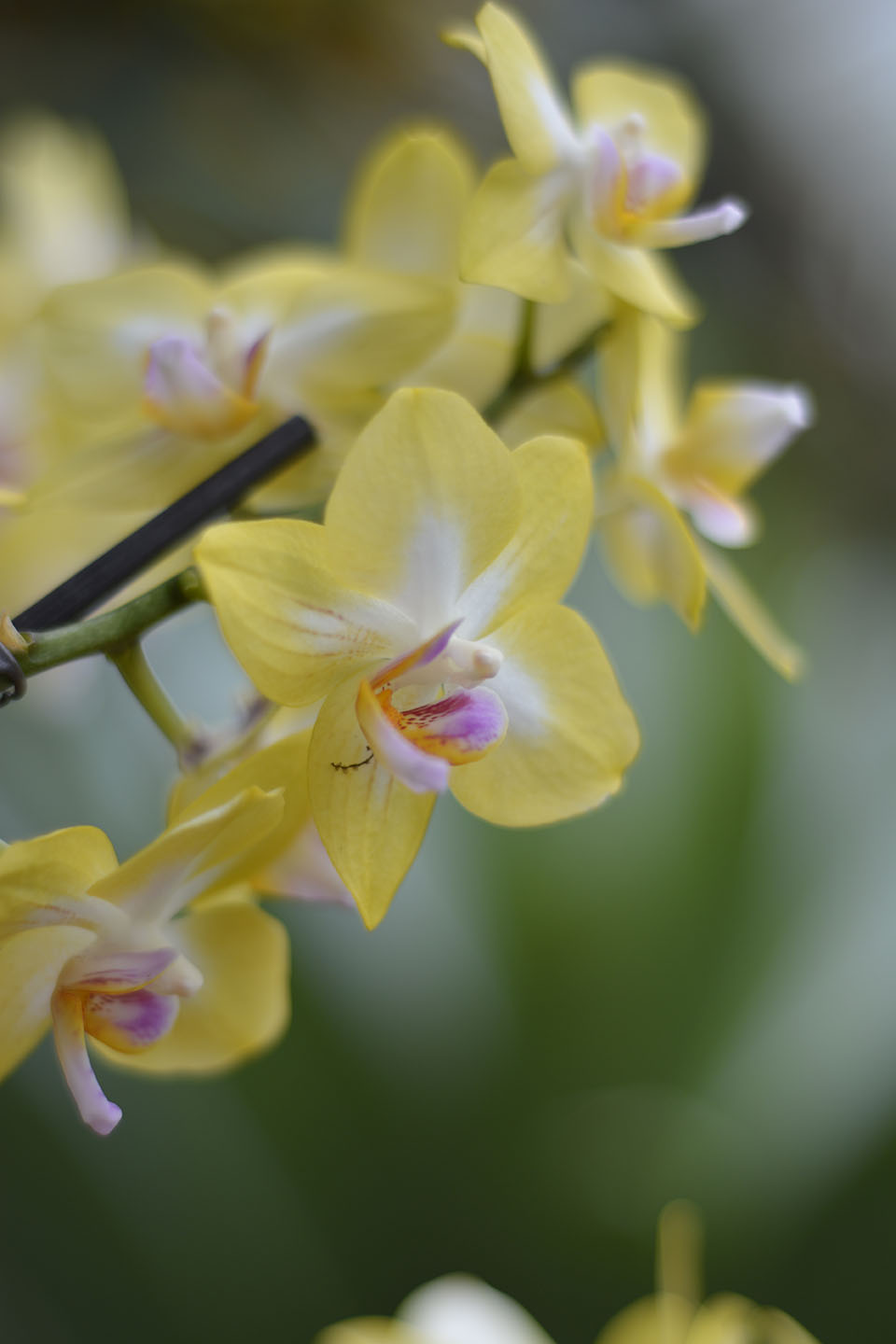
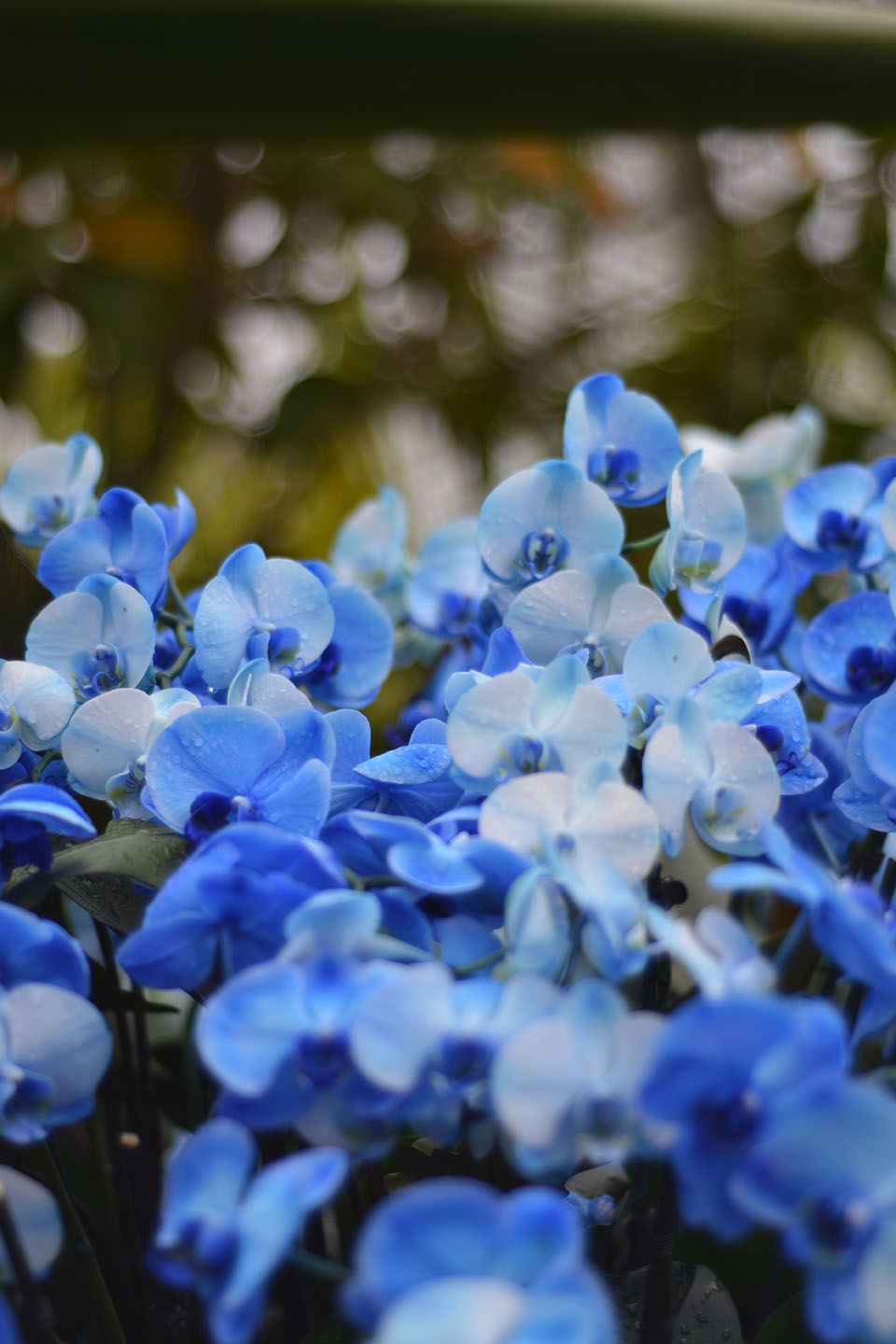
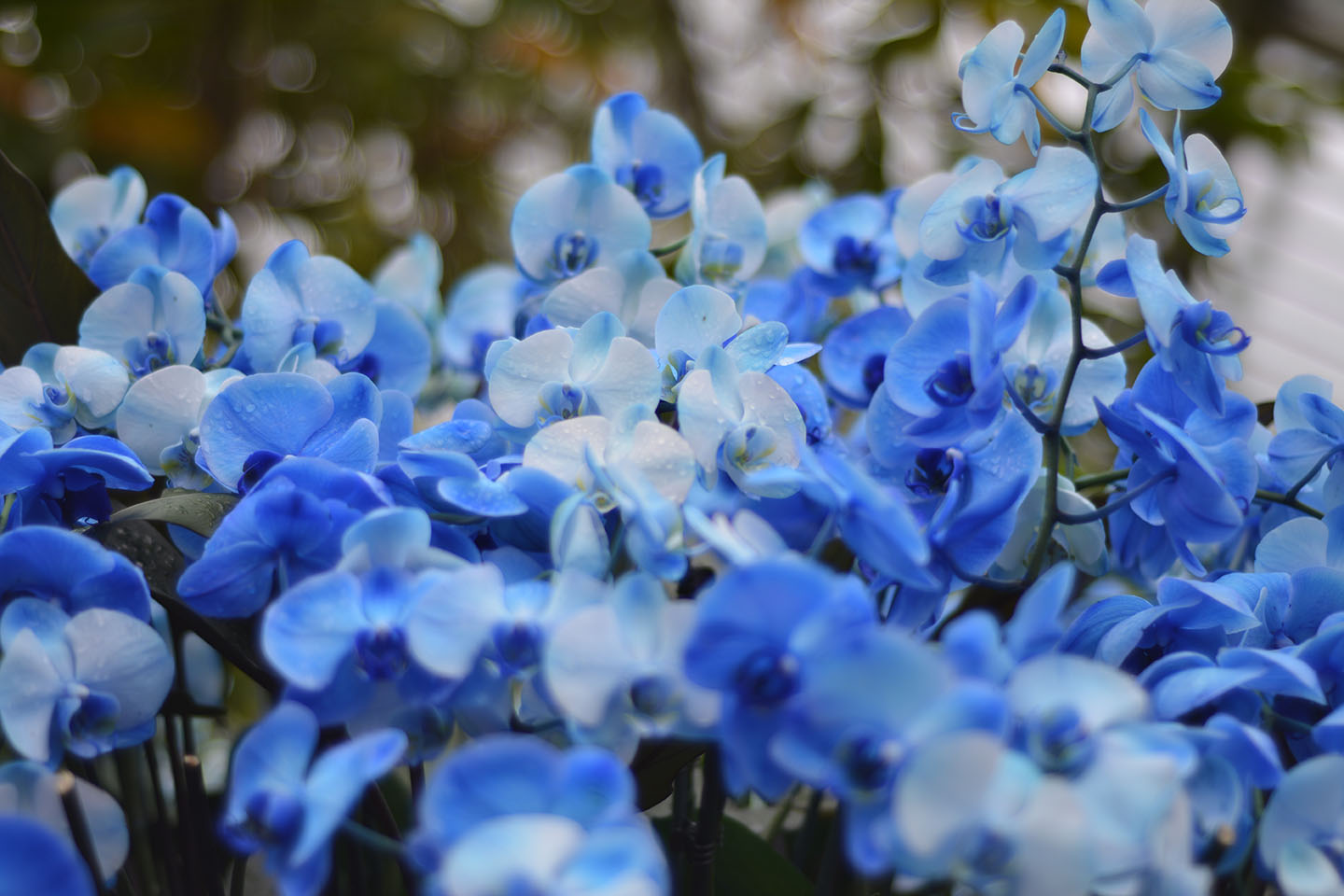
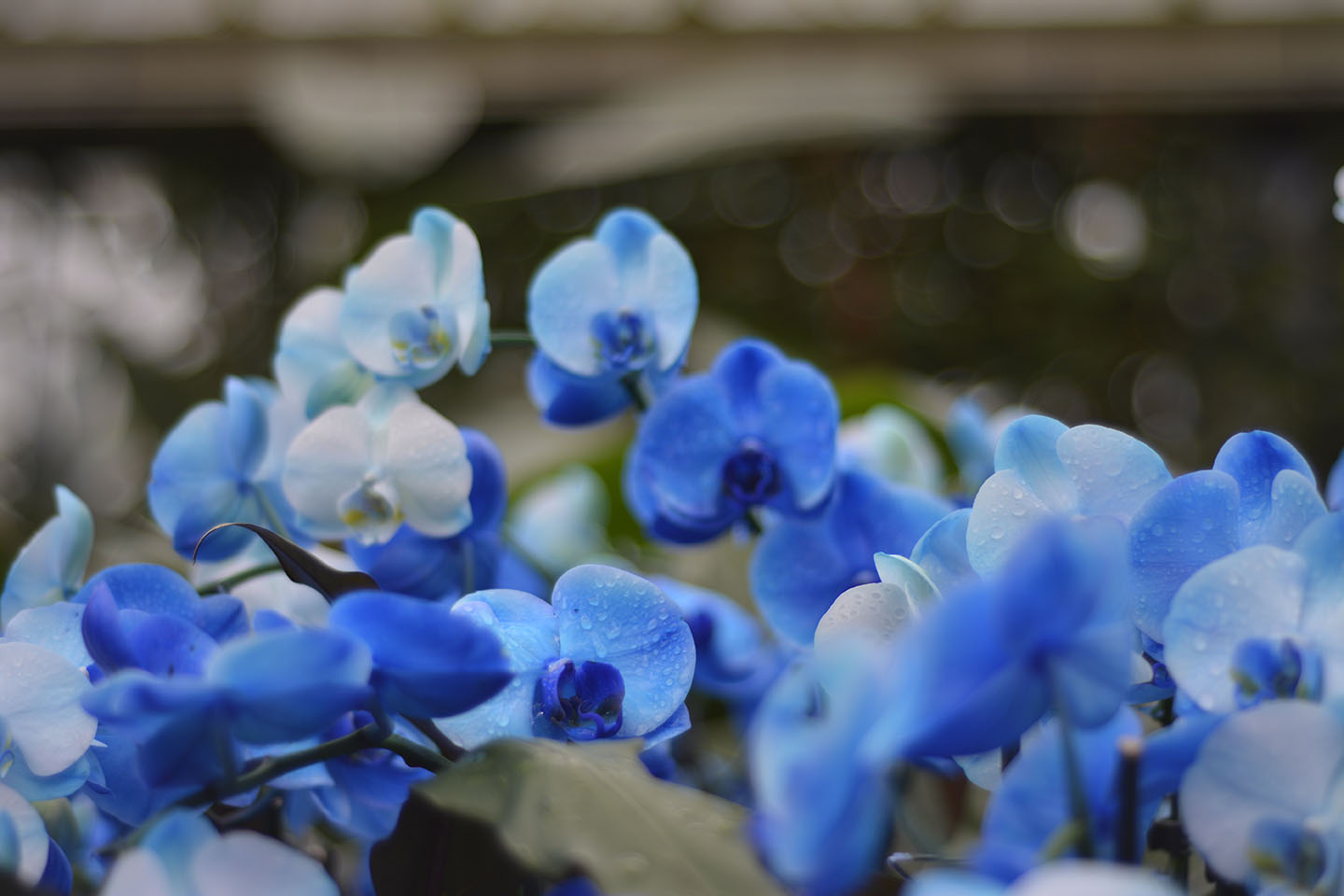
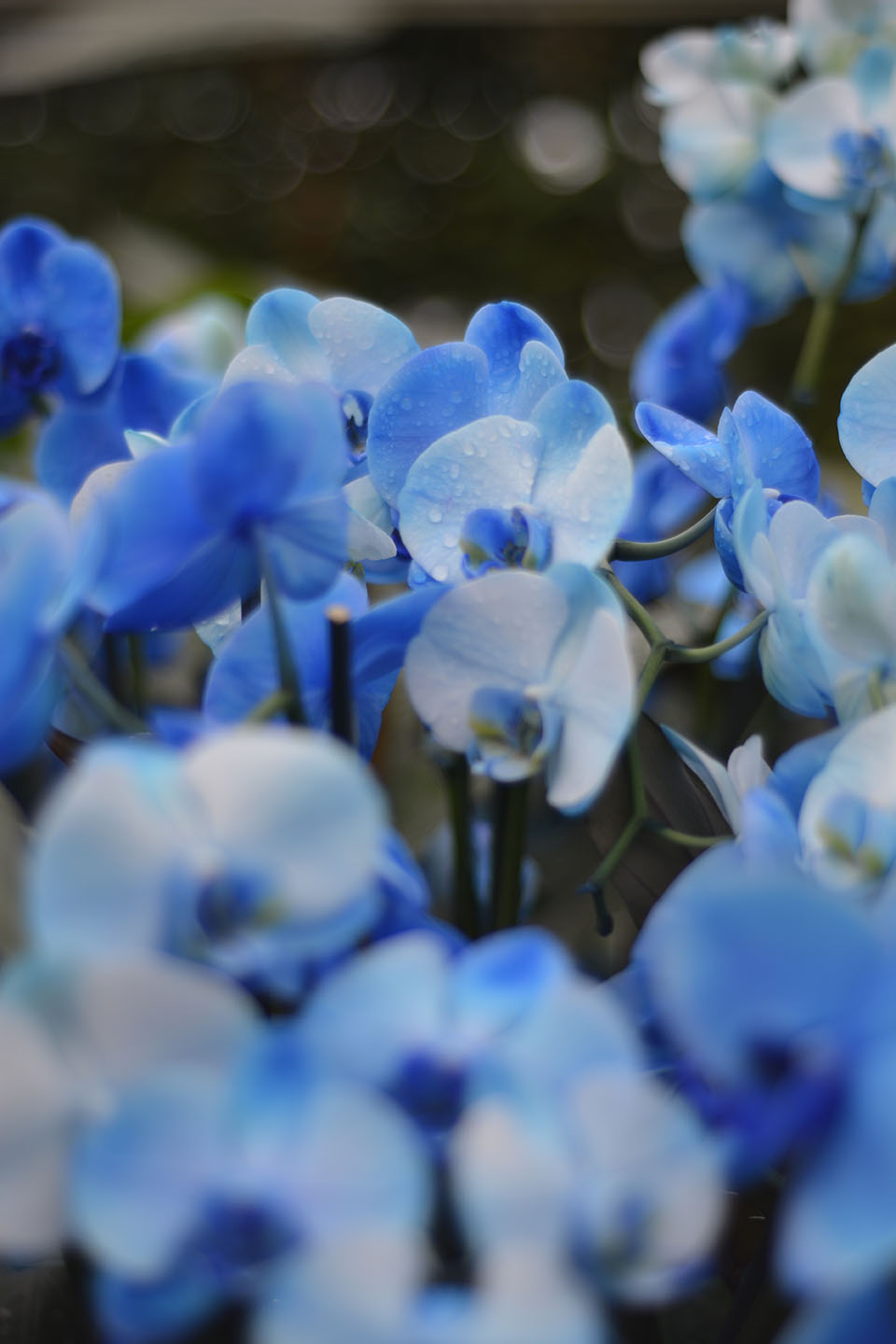
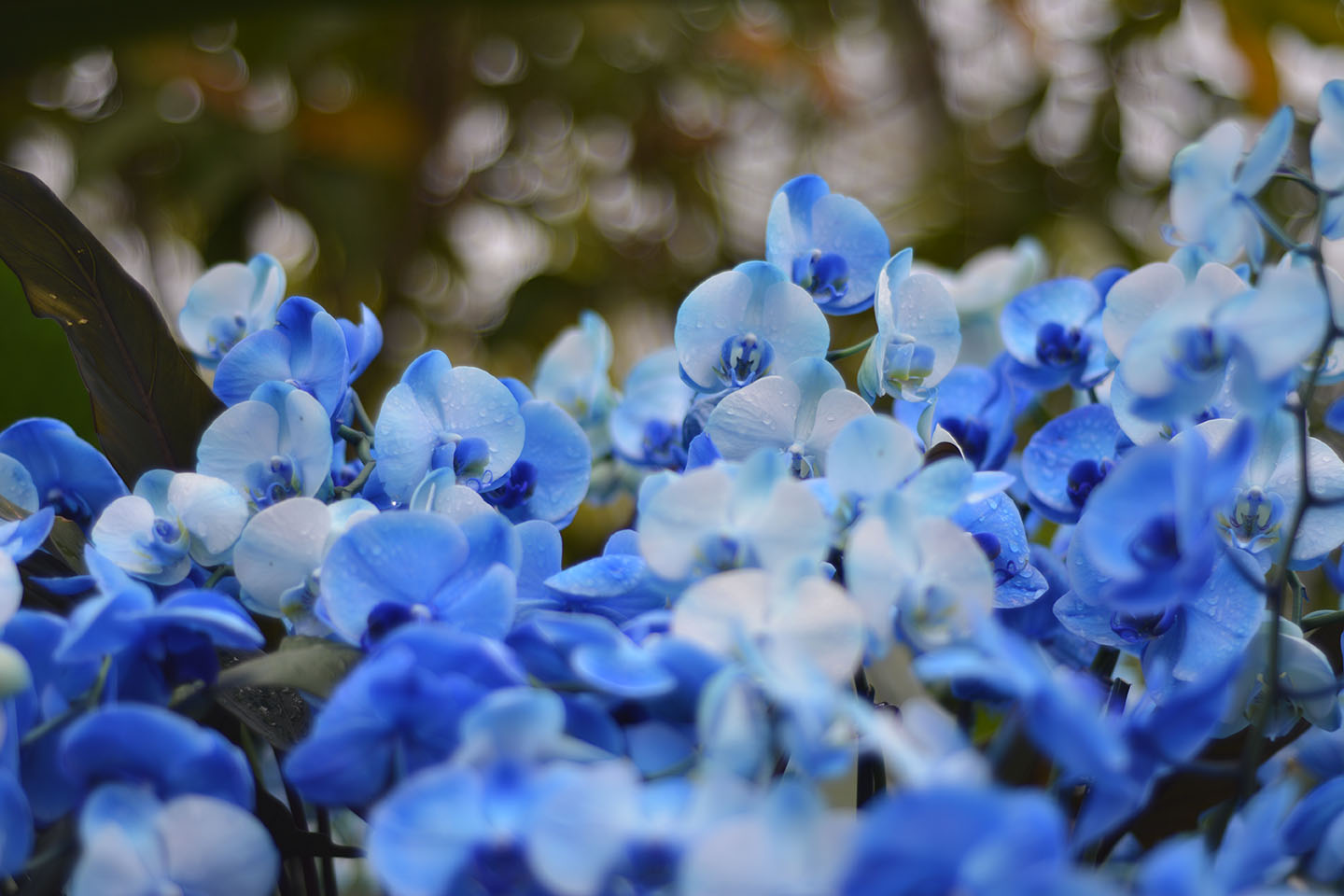
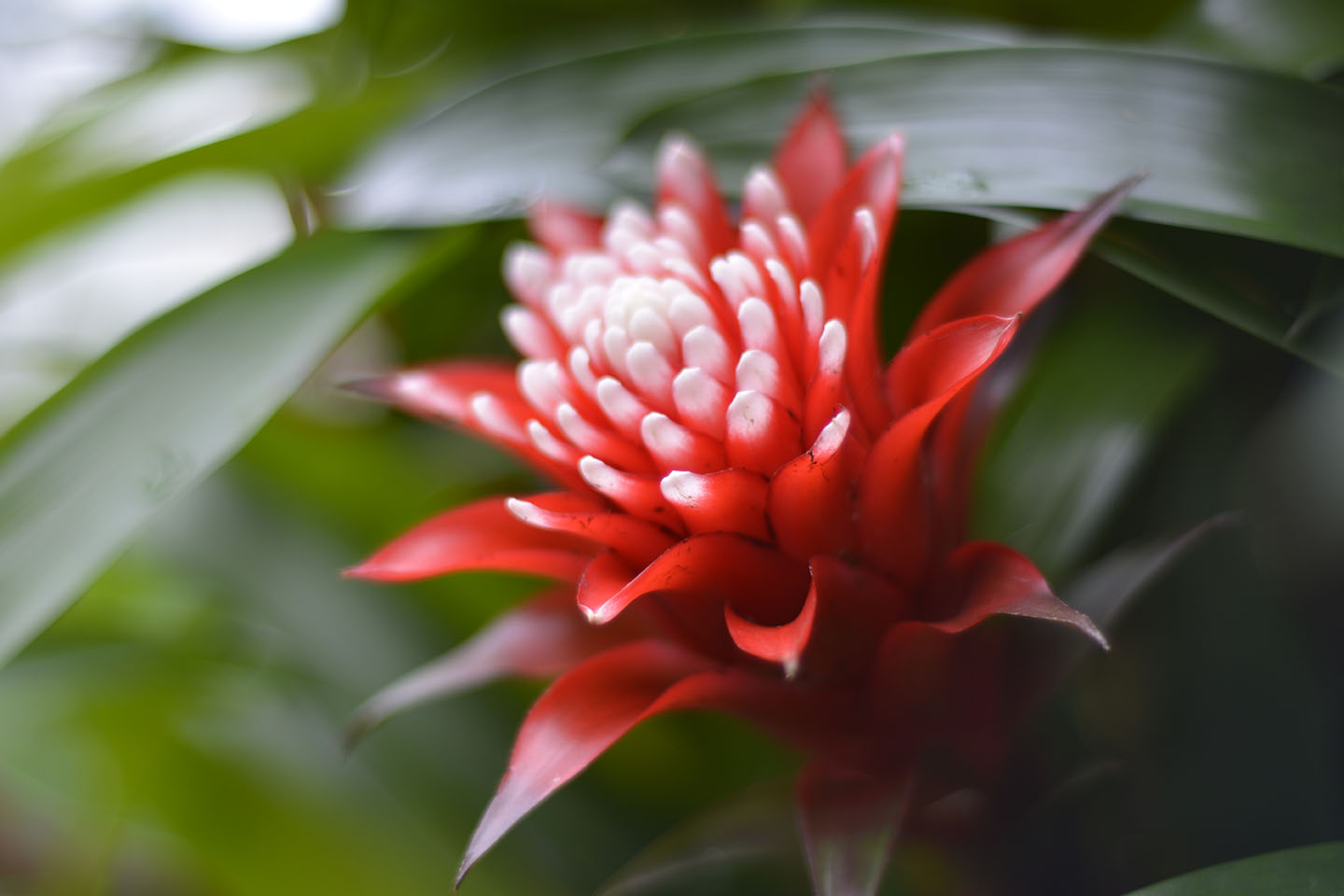
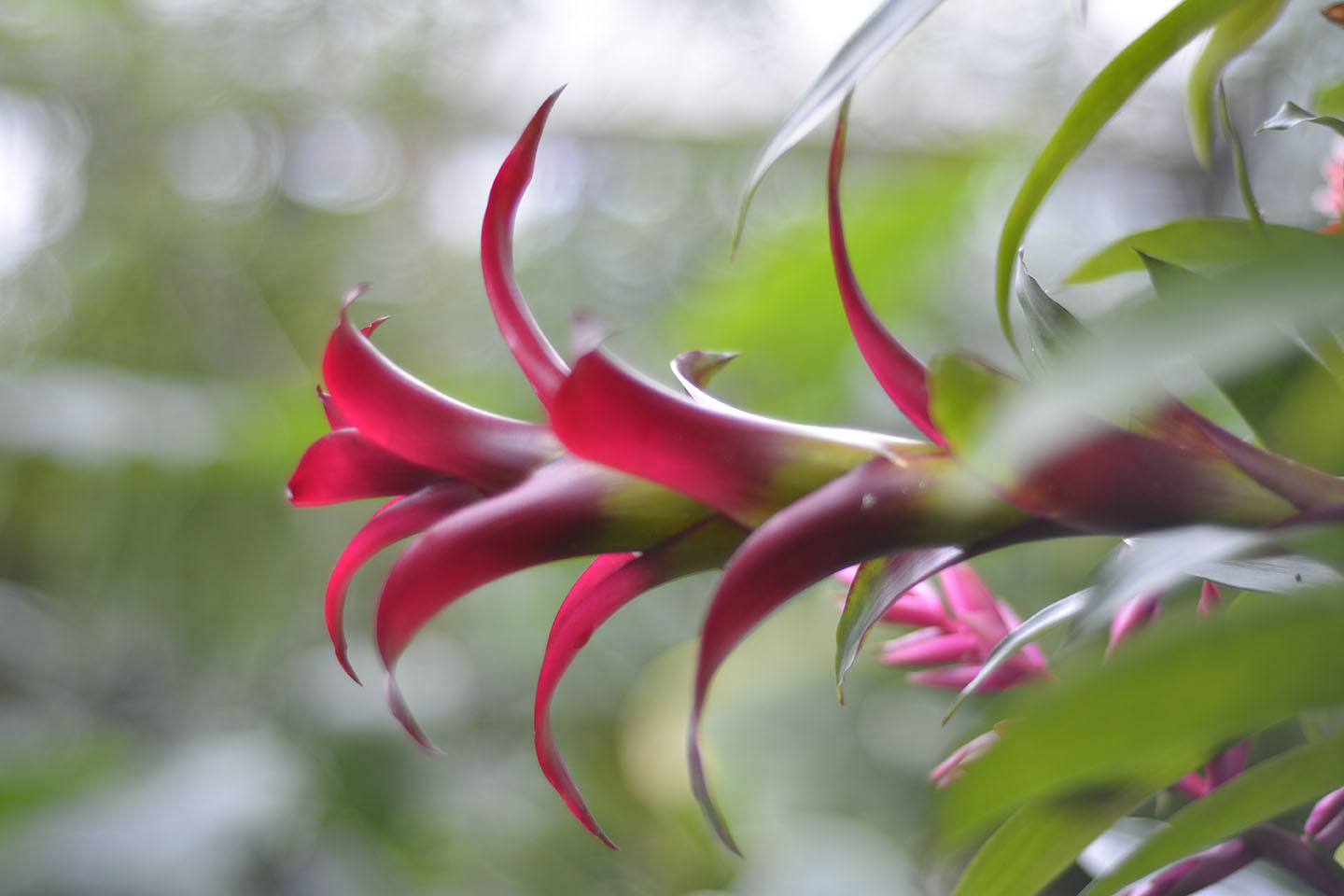
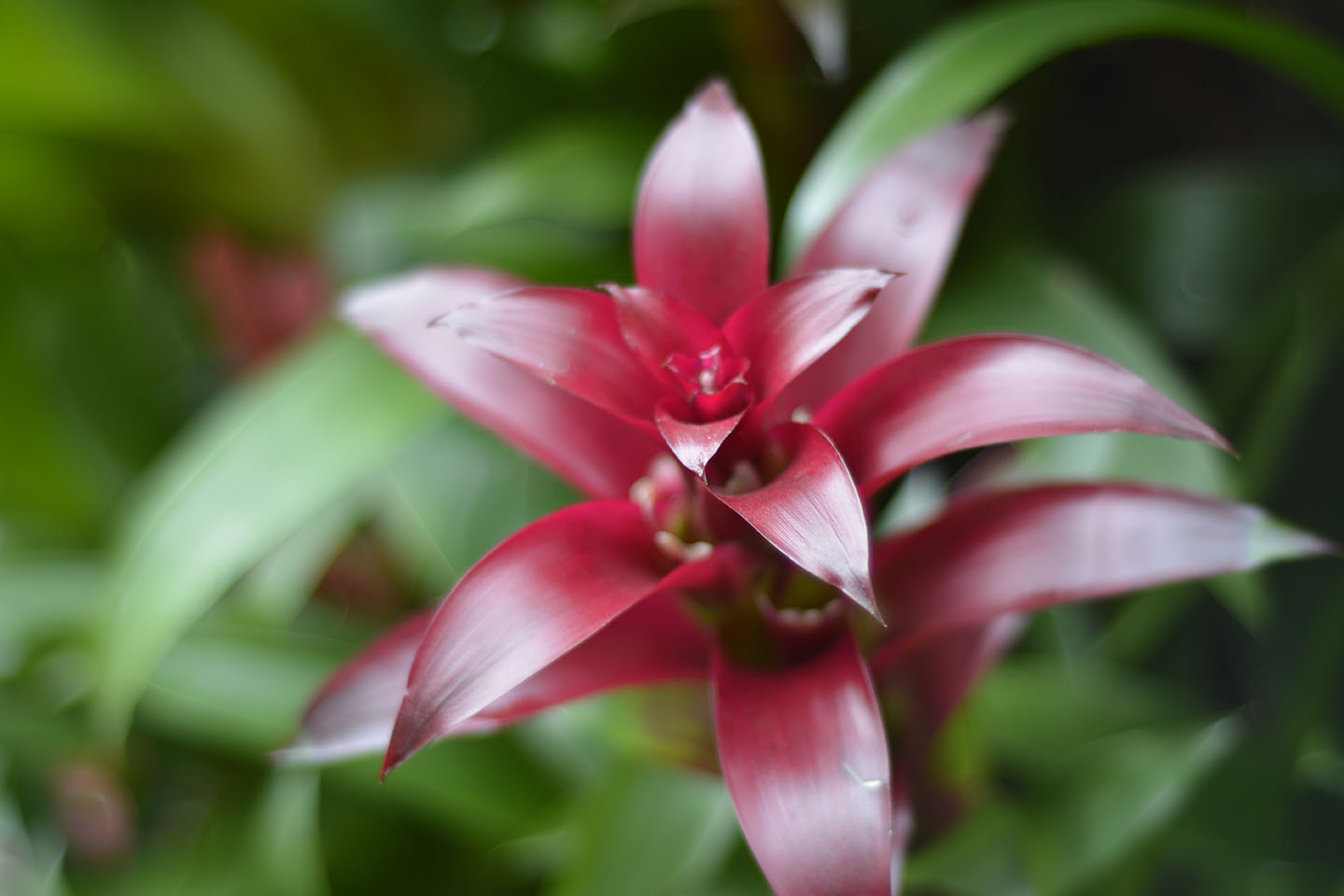
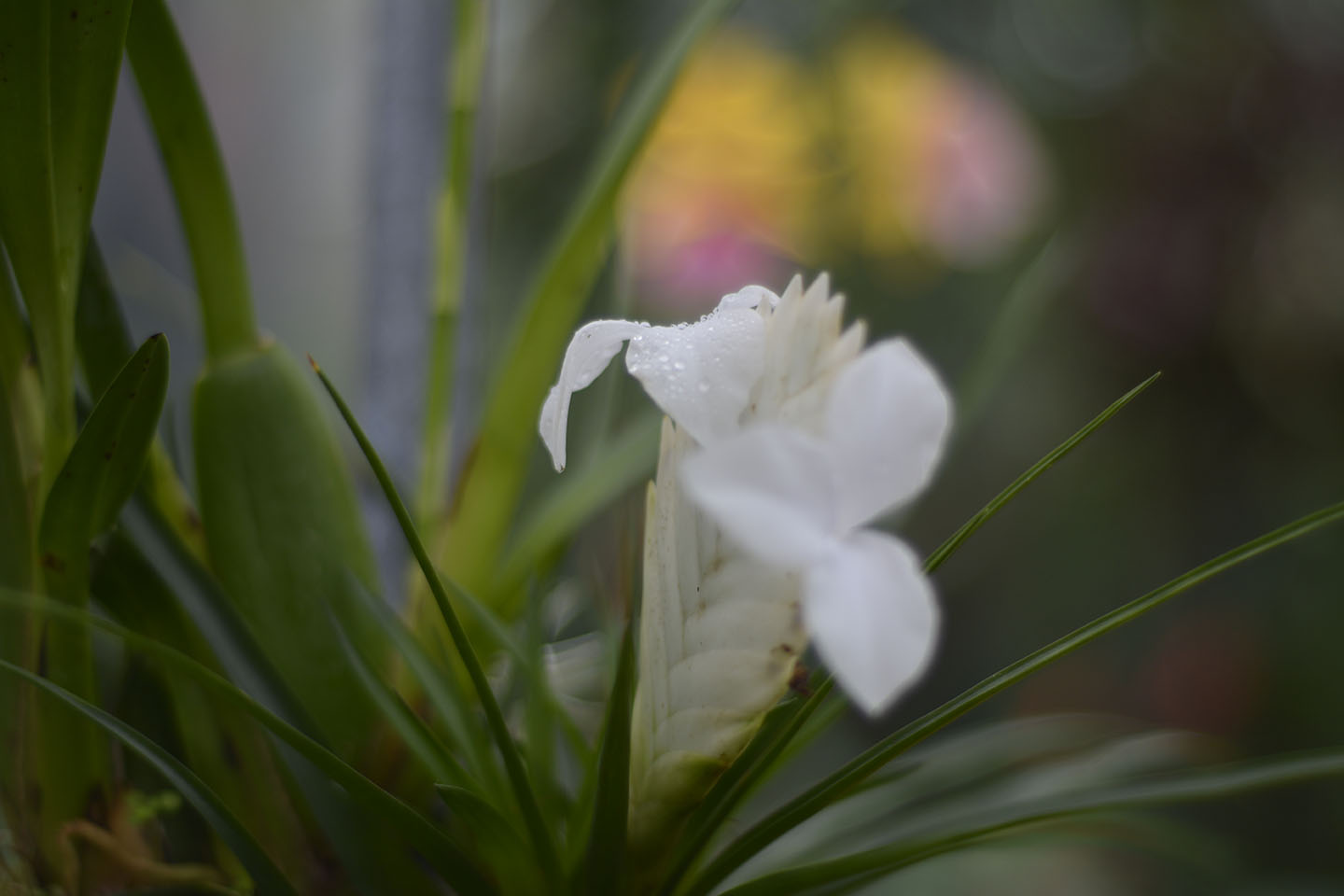
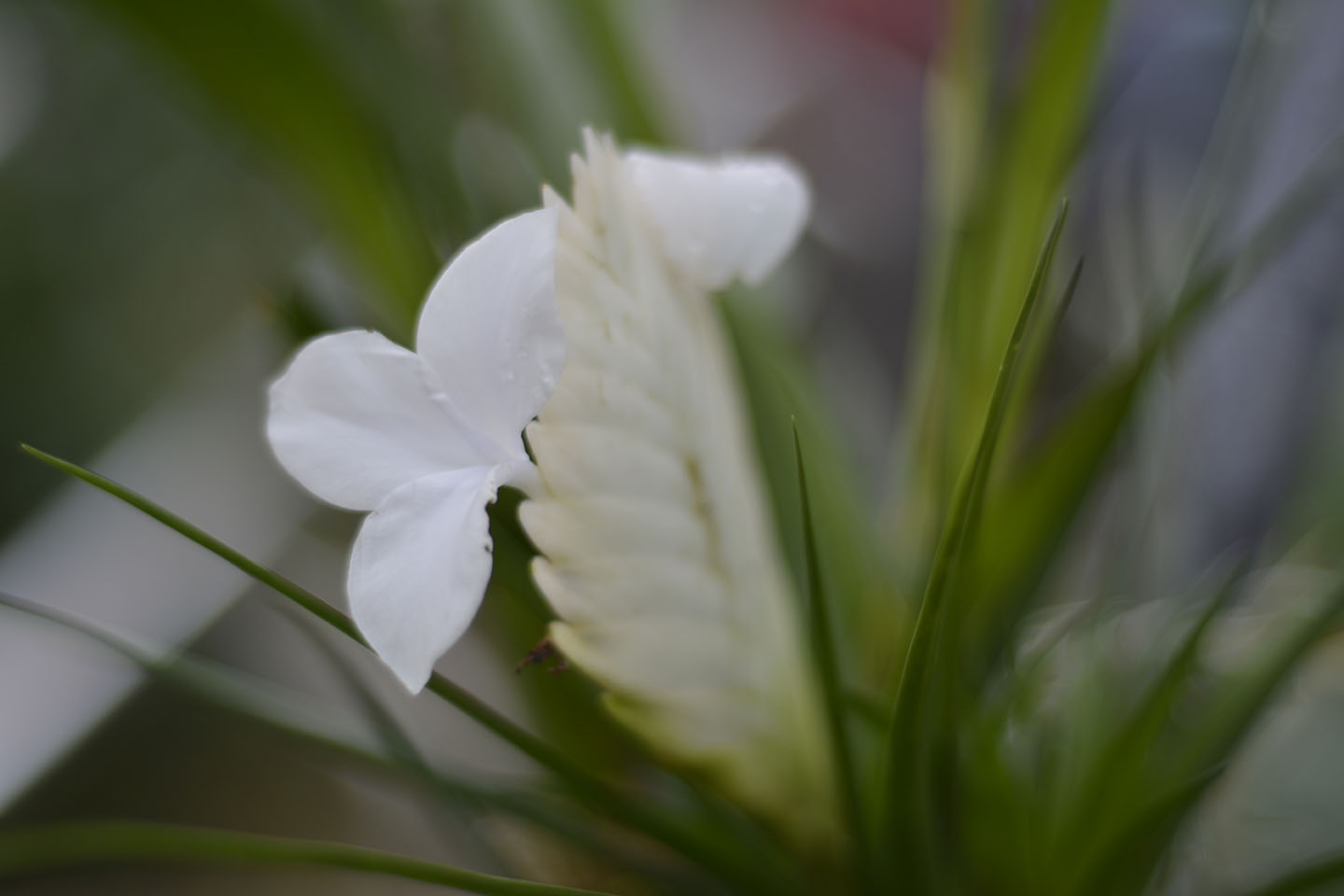
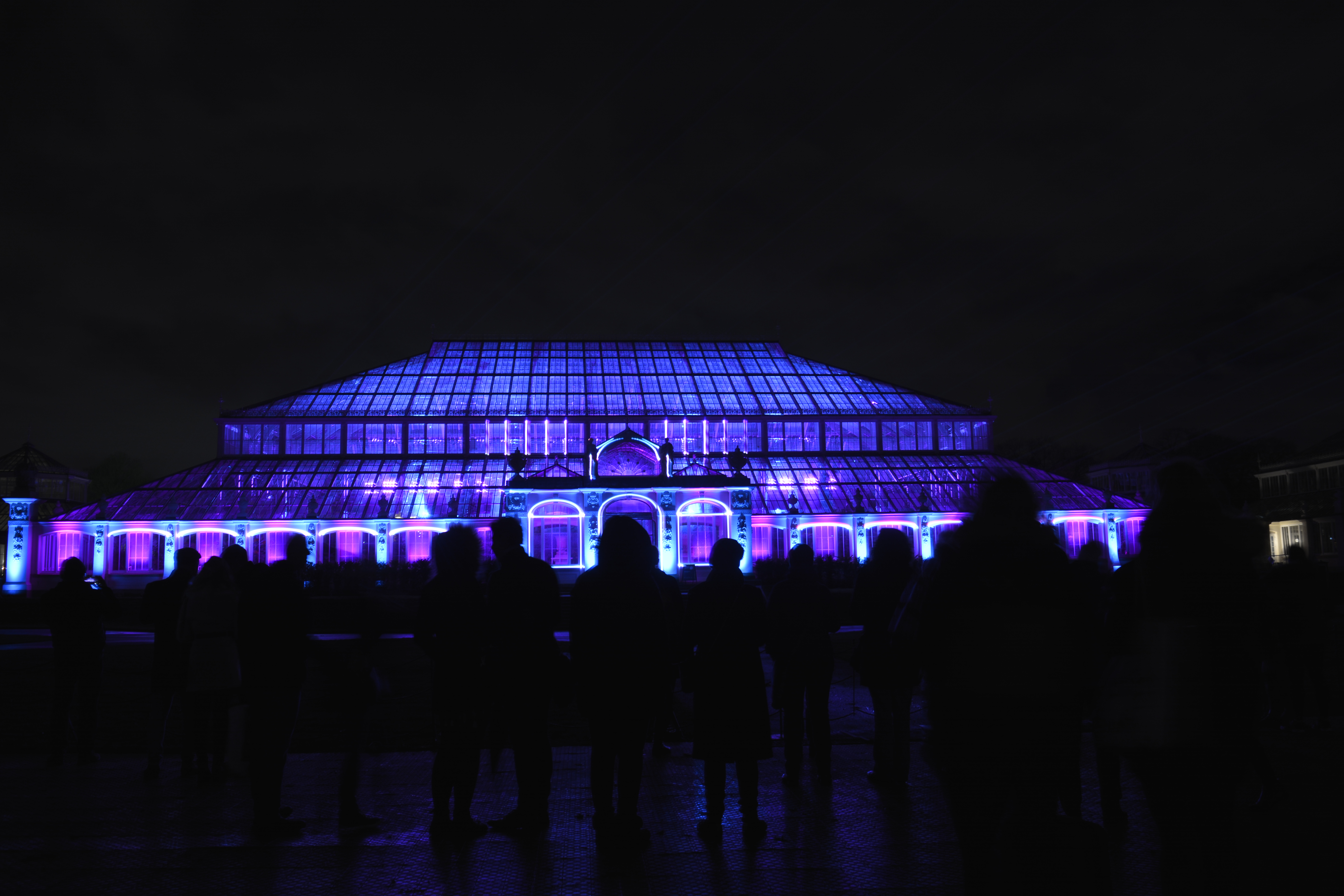
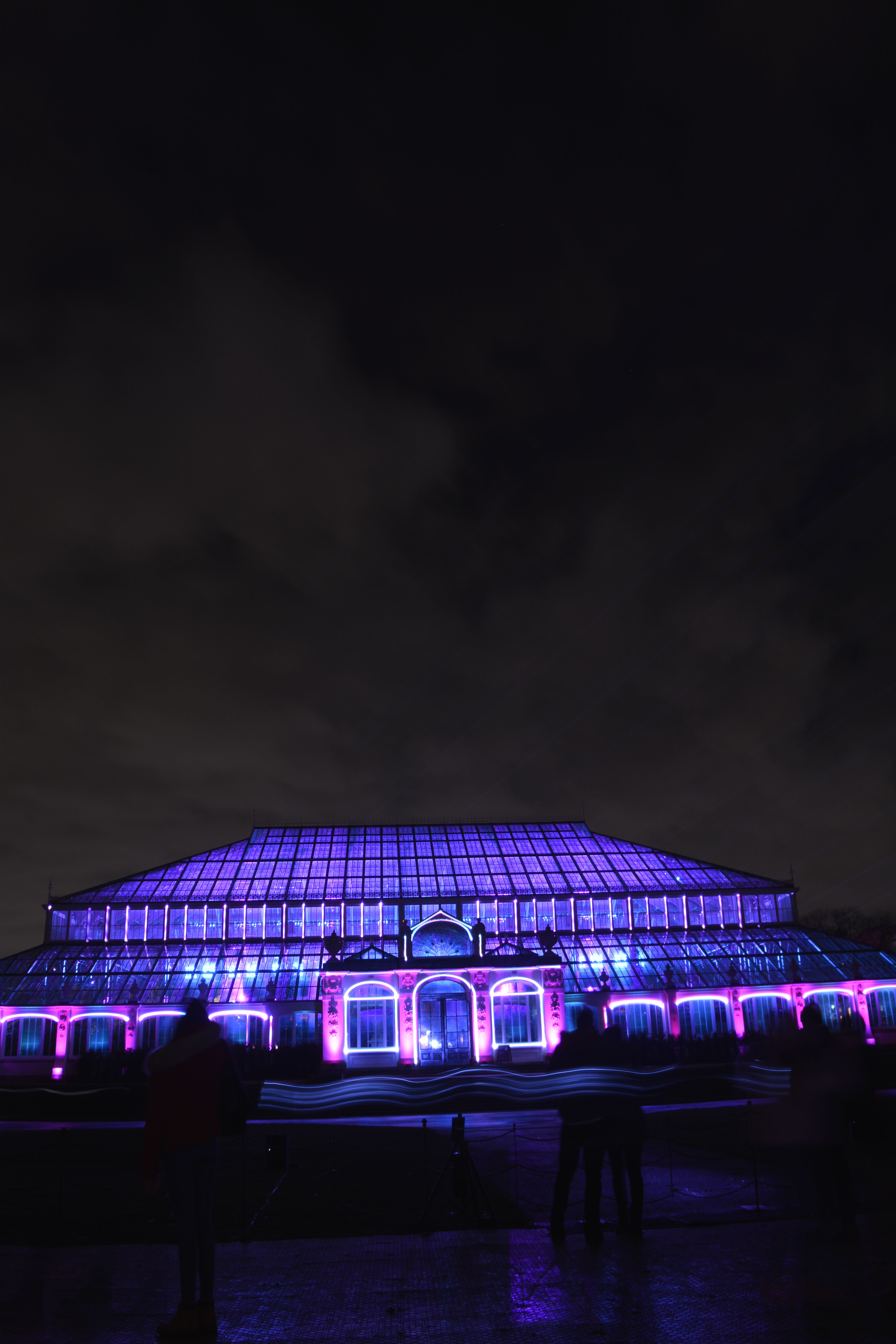
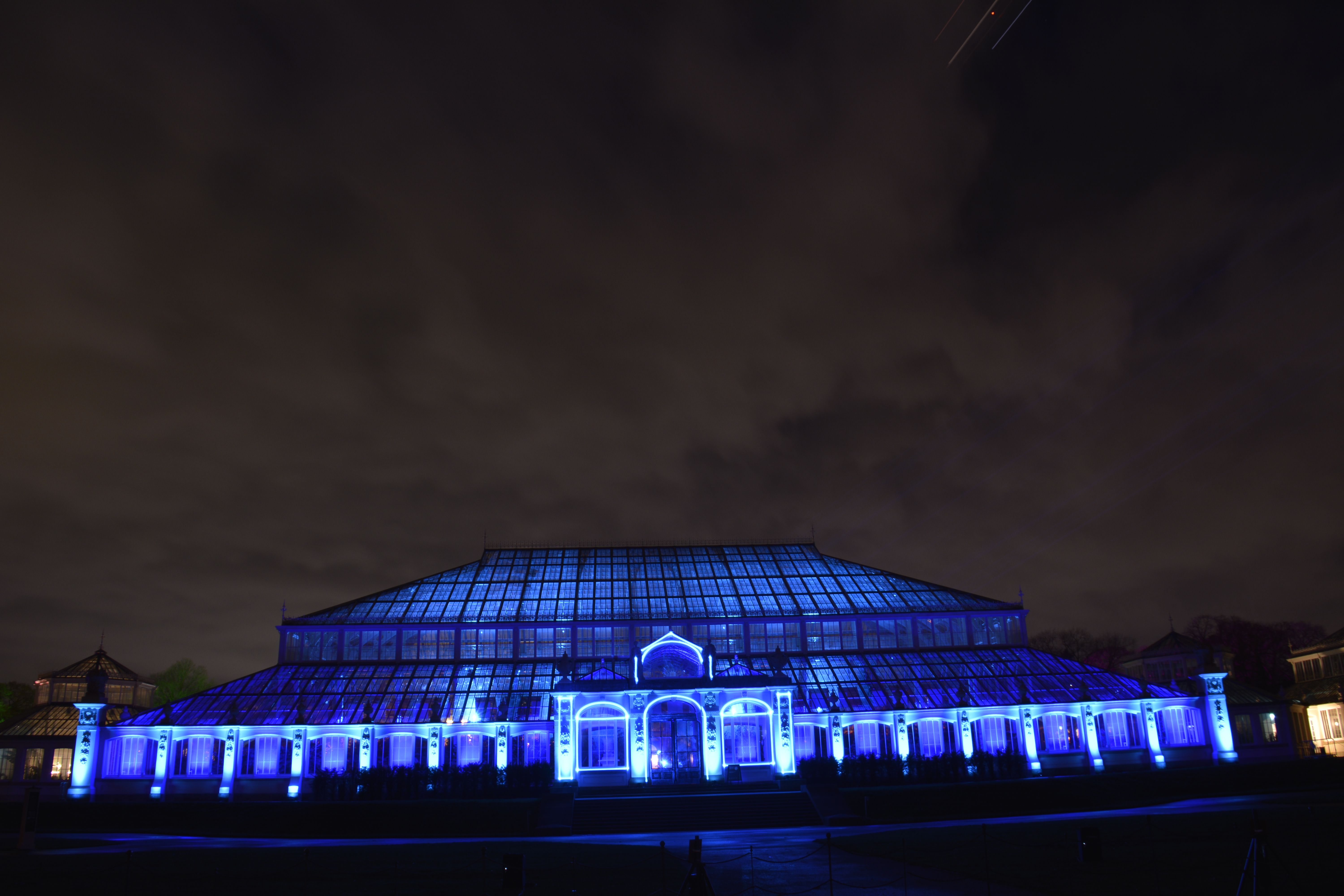
Visiting the Orchids Festival at Kew Gardens this week, I took my prime lens to see if I could get some close up shots of the flowers.
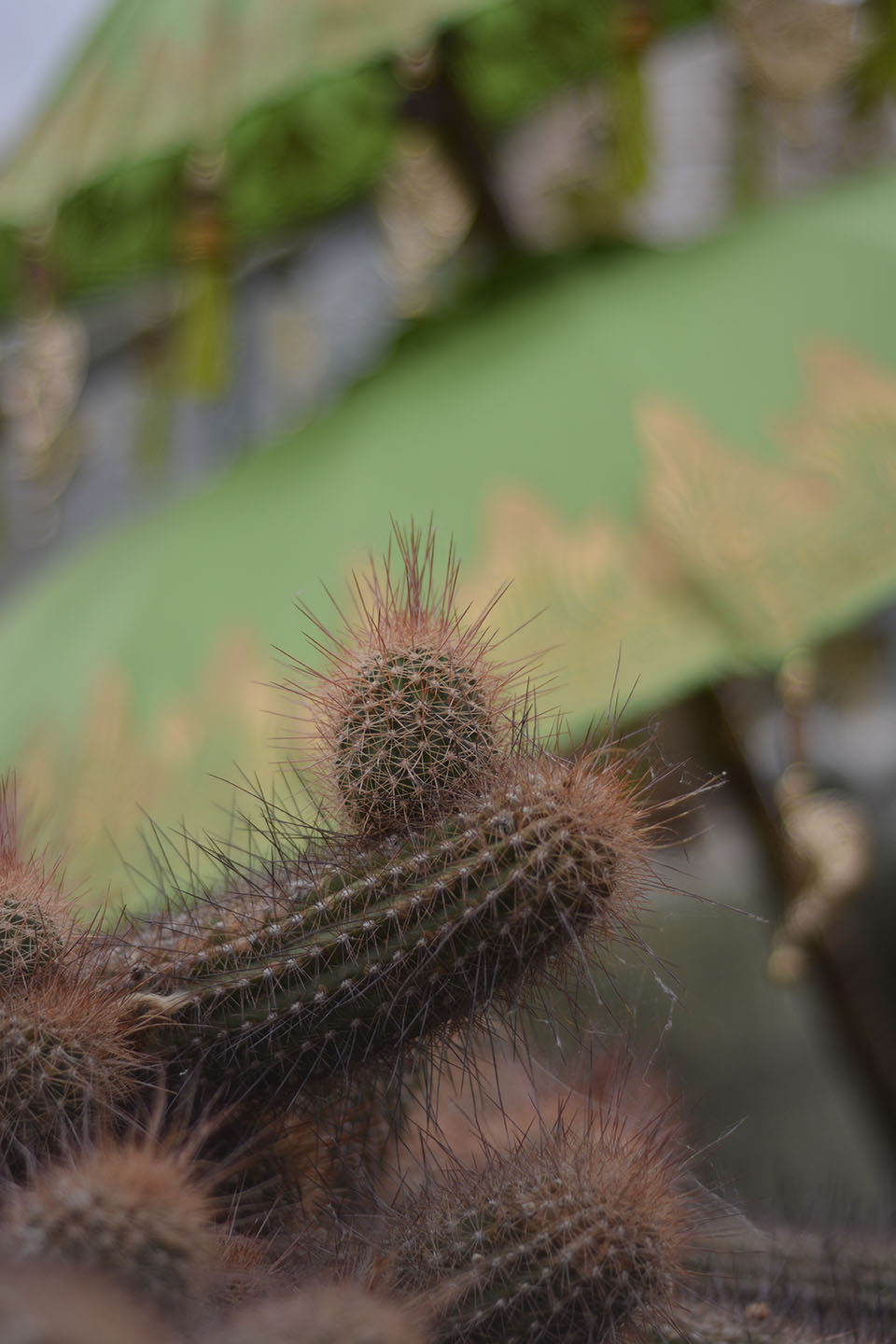
I was so excited by the low aperture range in this lens, that I didn’t change from F stop 1.8 the whole afternoon. Not a problem for some of the pictures I had taken, however looking through them I can see that I should have played around with the aperture a little bit more.
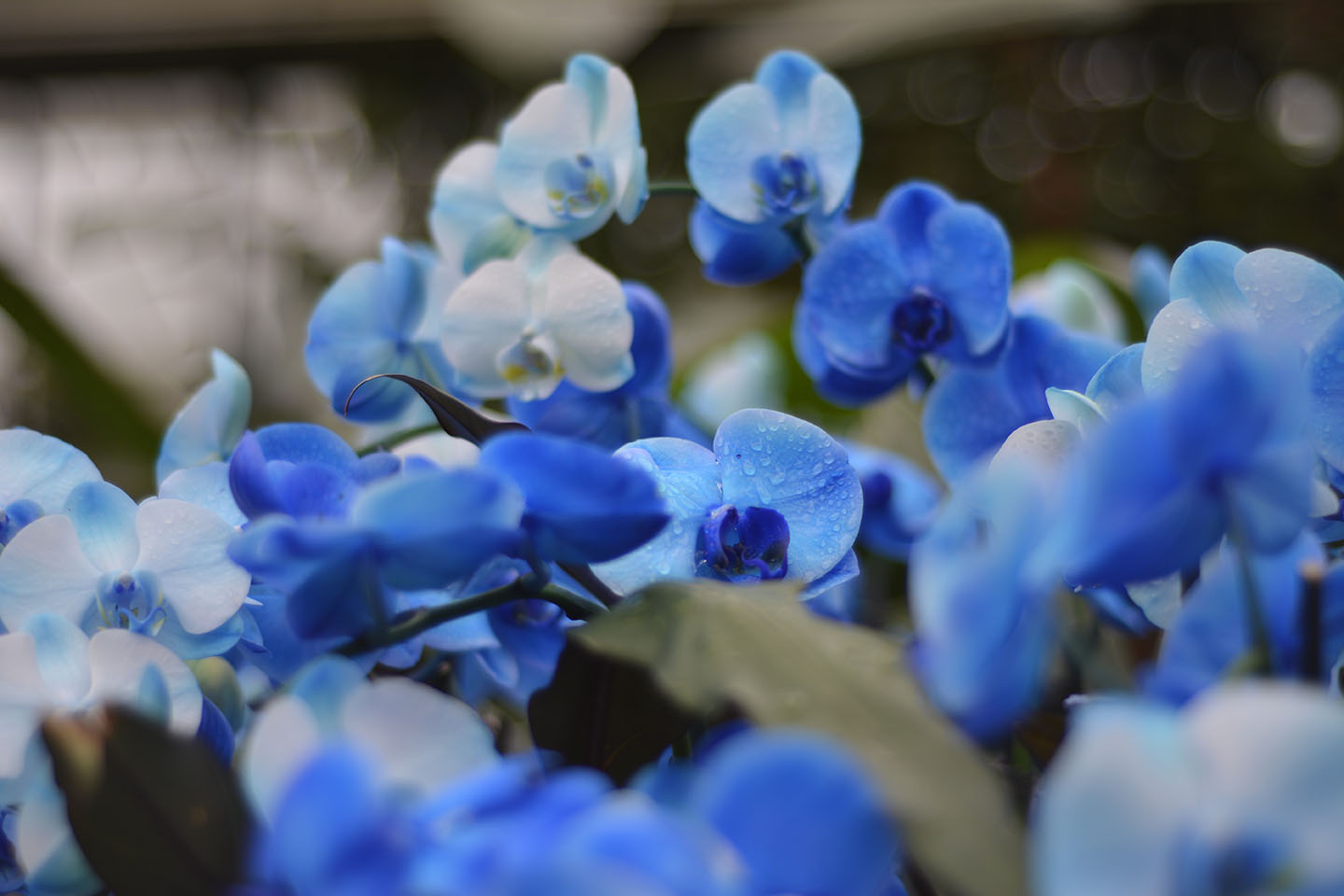
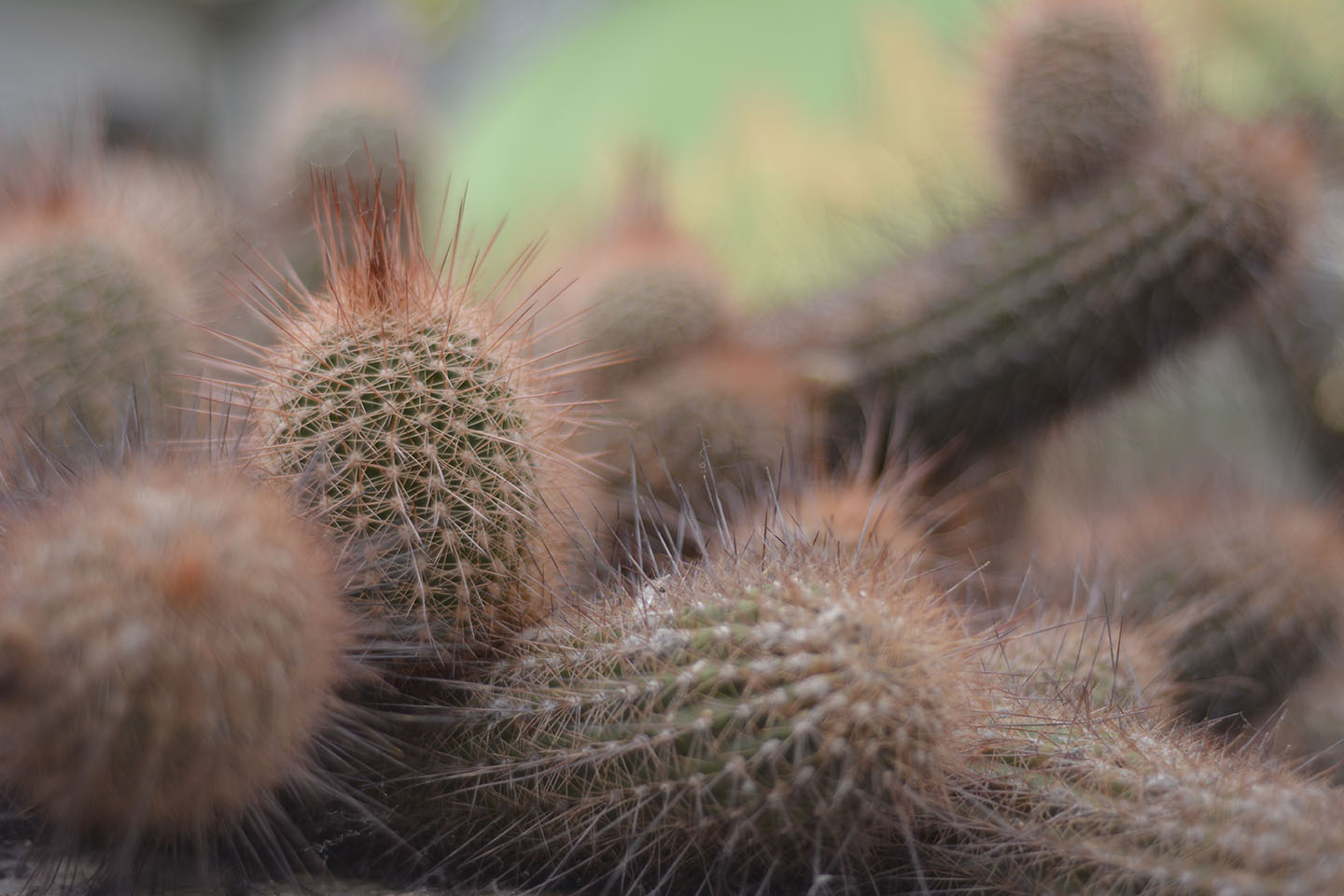
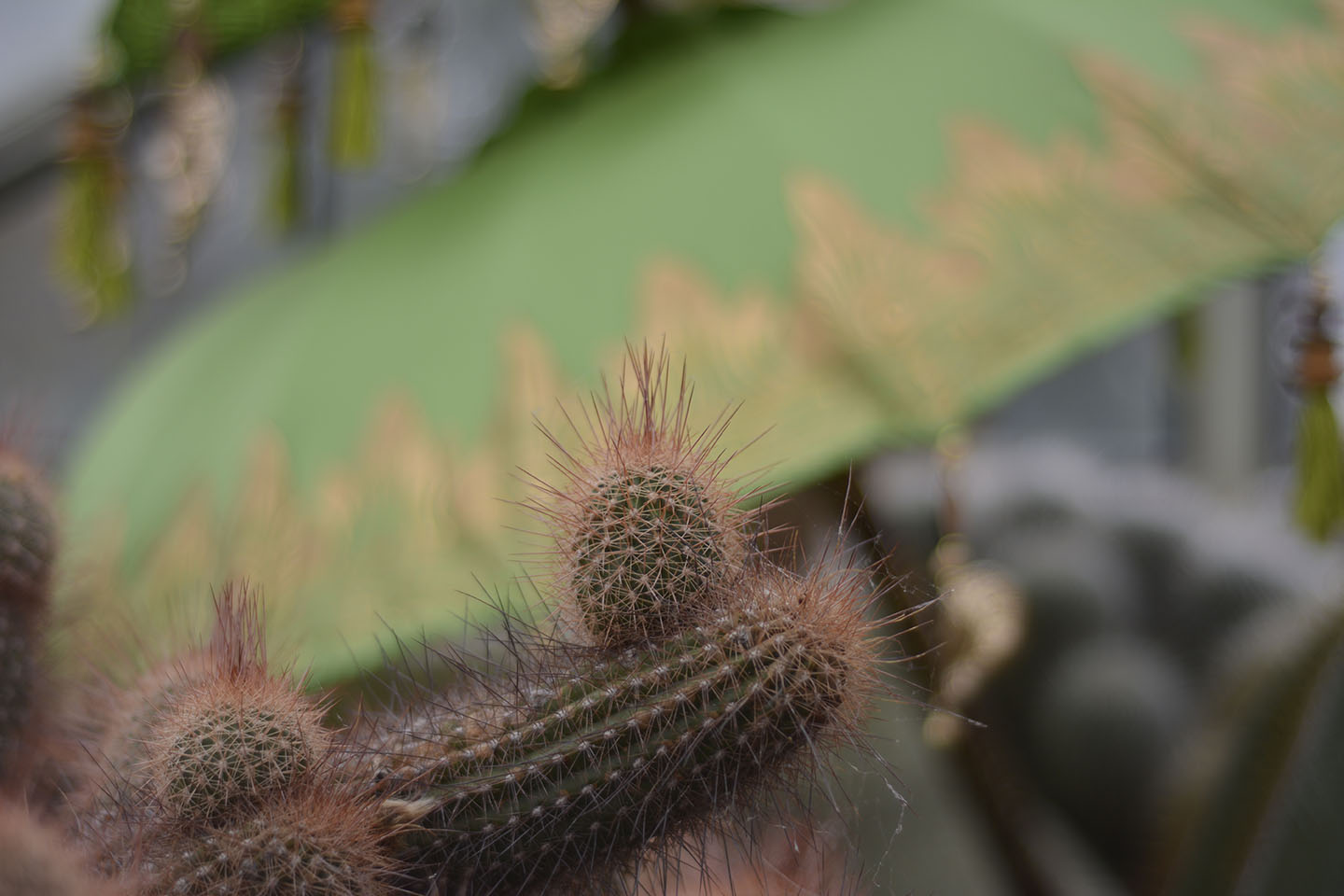
Keeping my Aperture on F stop 1.8 meant I had a very shallow depth of field. On some of the photographs I took the focus area wasn’t wide enough.
As you can see from the some of the photographs below, most of one flower is in focus and gets blurred towards the edge of the flower. If I had upped the aperture to perhaps 2.8, I may have been able to get in the whole flowerhead.
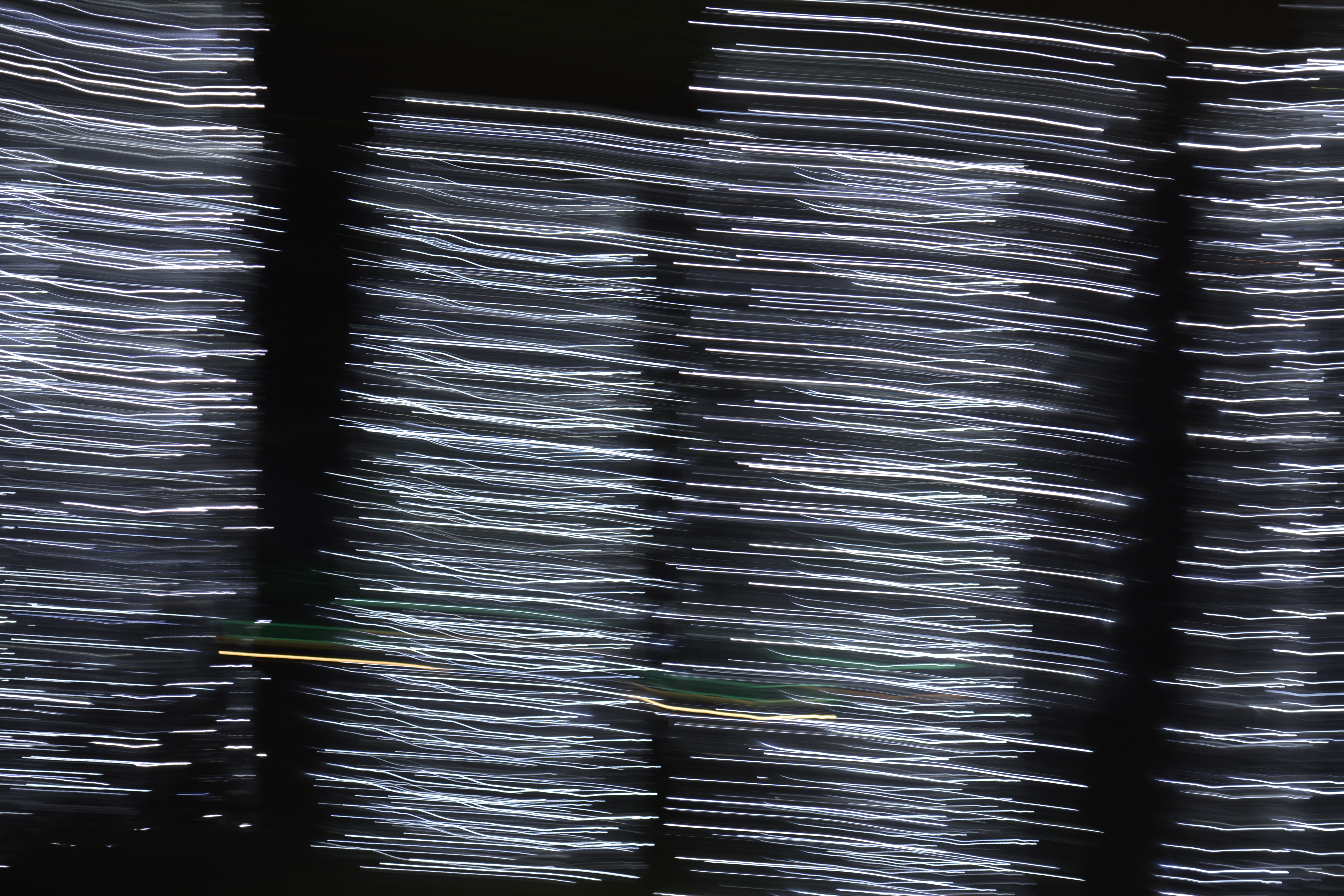
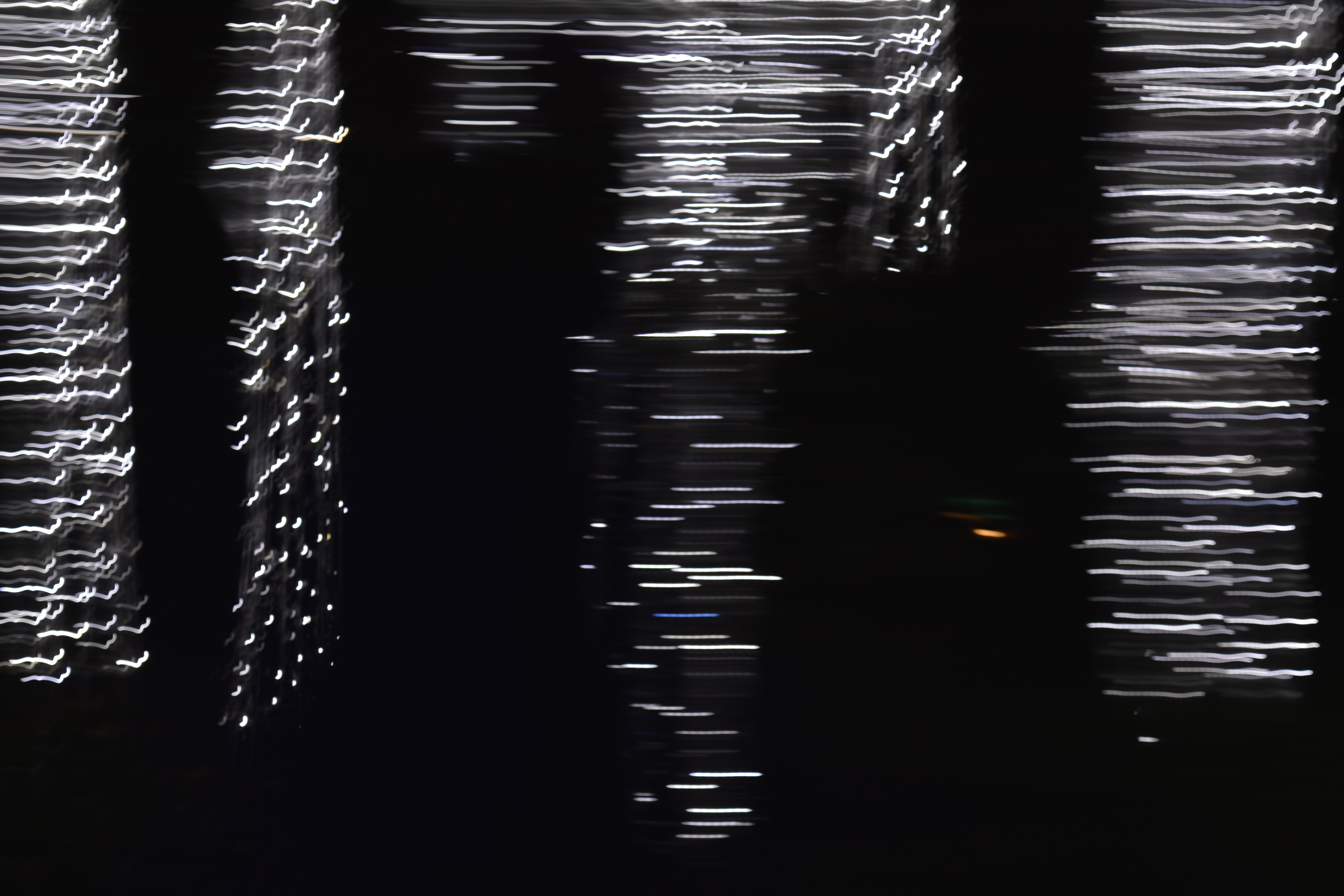
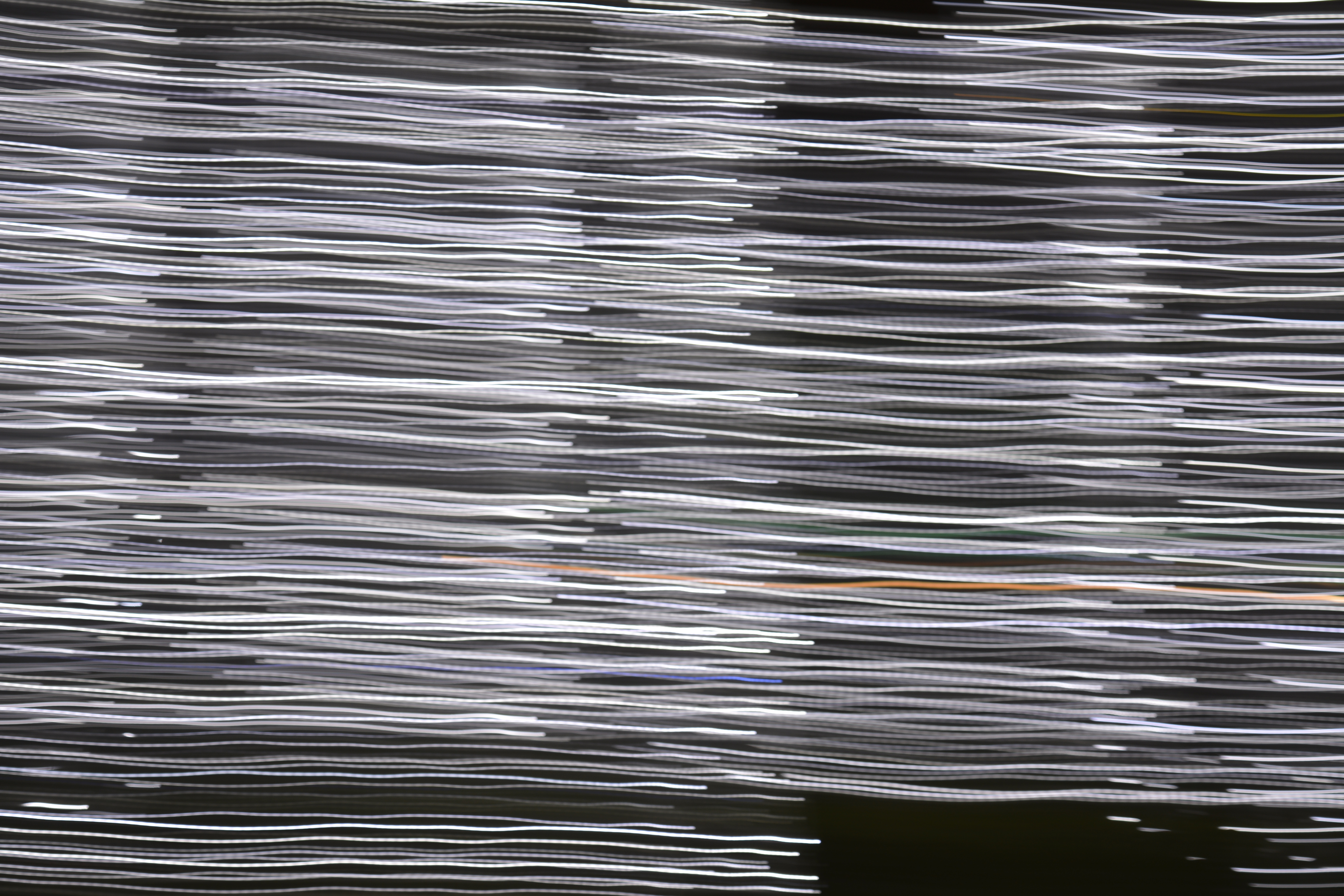
Quite often when I’m taking photographs, I try to produce something that you can’t necessarily achieve using a camera on a phone. So, drawn to slow shutter speeds, I really wanted to produce some images like Alex Titarenko’s from my research.
My concept for this project is to show the beauty of some of London’s buildings and structures and how people of today lead busy lives and perhaps always rushing around not taking in the views.
All of my final five images were taken using a tripod to stabilise the camera and stop camera shake. I also used a neutral density filter, ND16, to allow me to use longer shutter speeds during brighter days or brighter lit areas so not to over exposed. They are also all shot with an ISO of 100. This allowed me to get the best quality photographs in daylight conditions.
Below are my final five photographs. I had originally wanted to try and produce some Black and White images taking inspiration from Alexey Titarenko’s motion blur photographs. However after some class discussion and feedback we all decided they worked better in colour.
Liberty’s
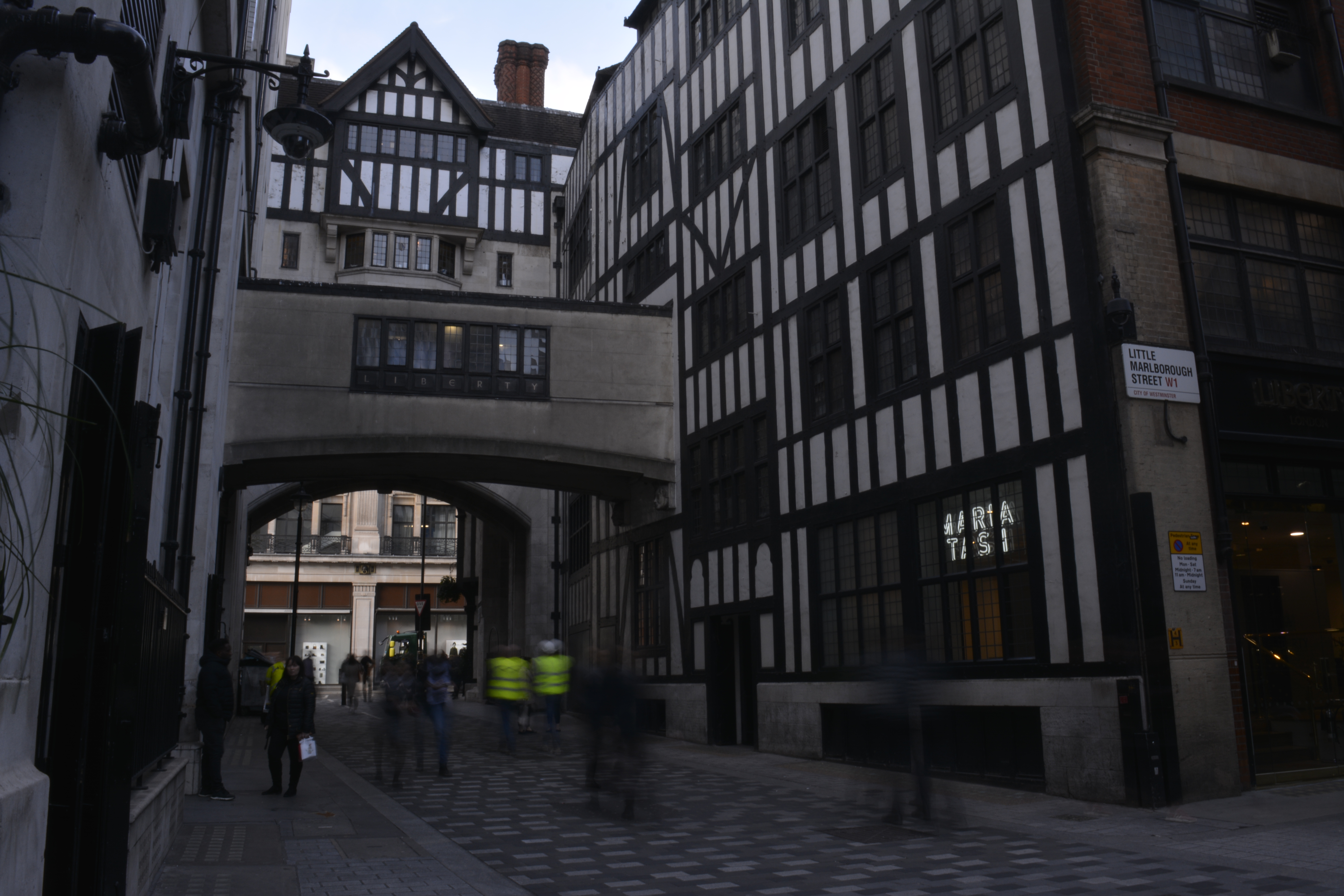
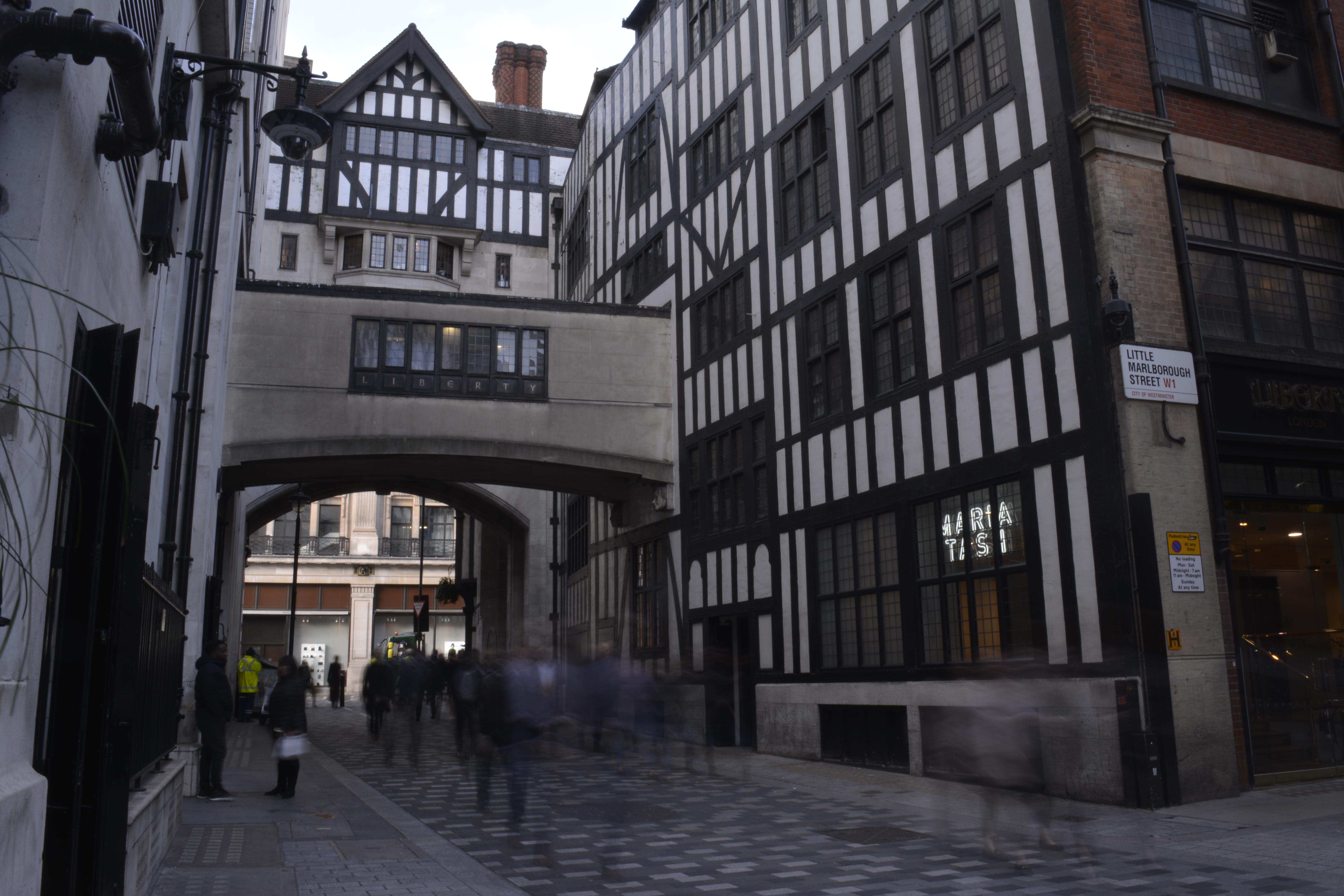
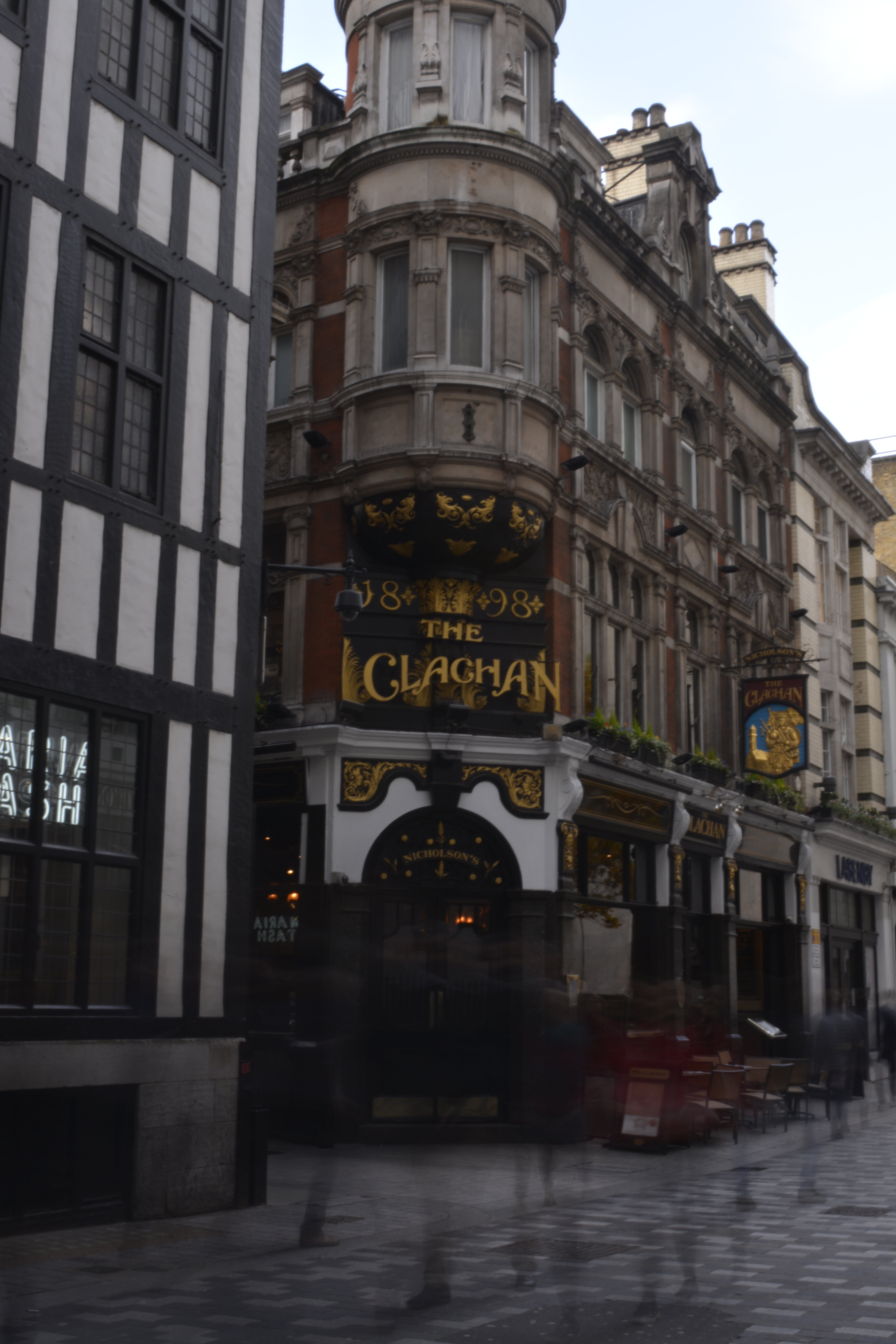
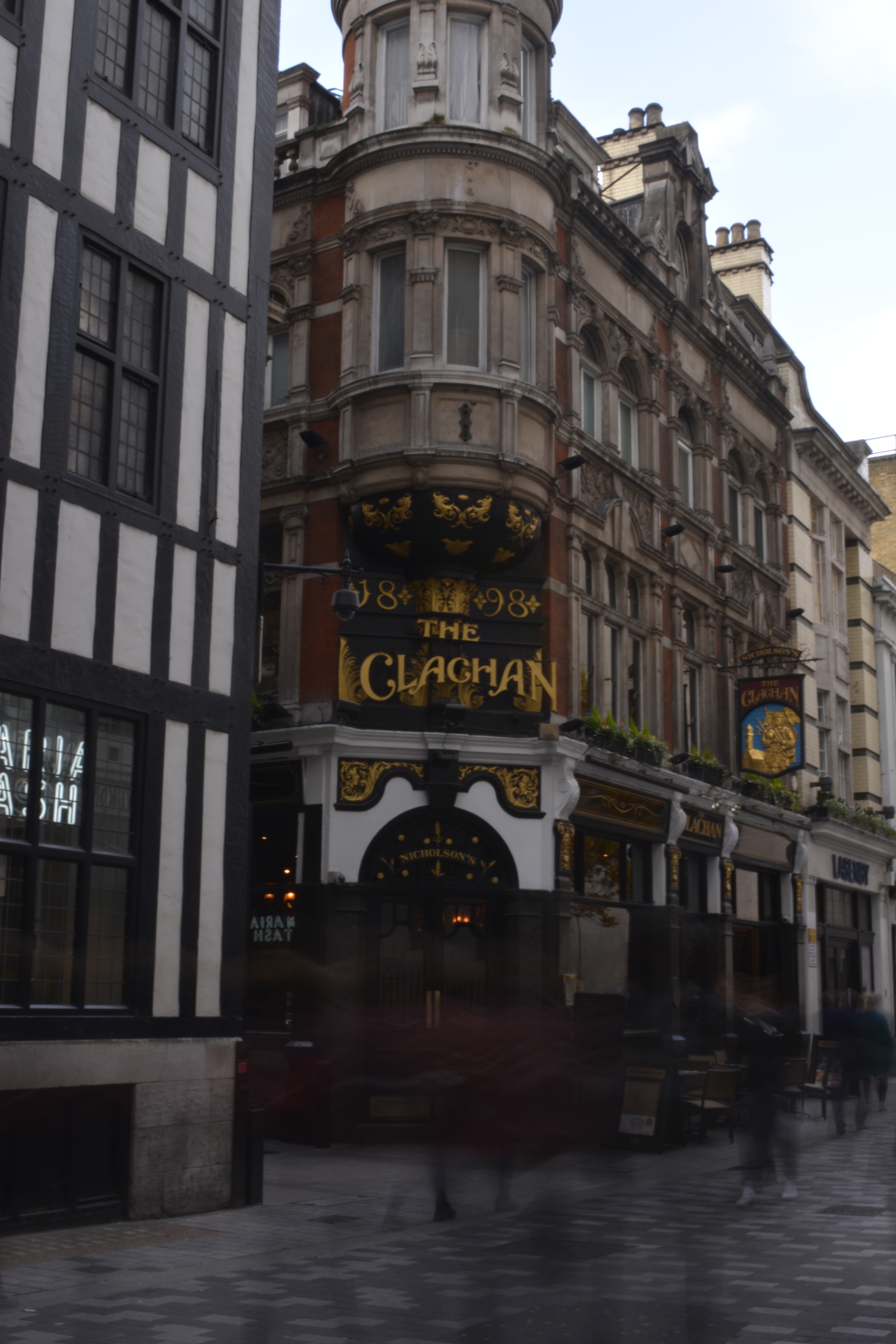
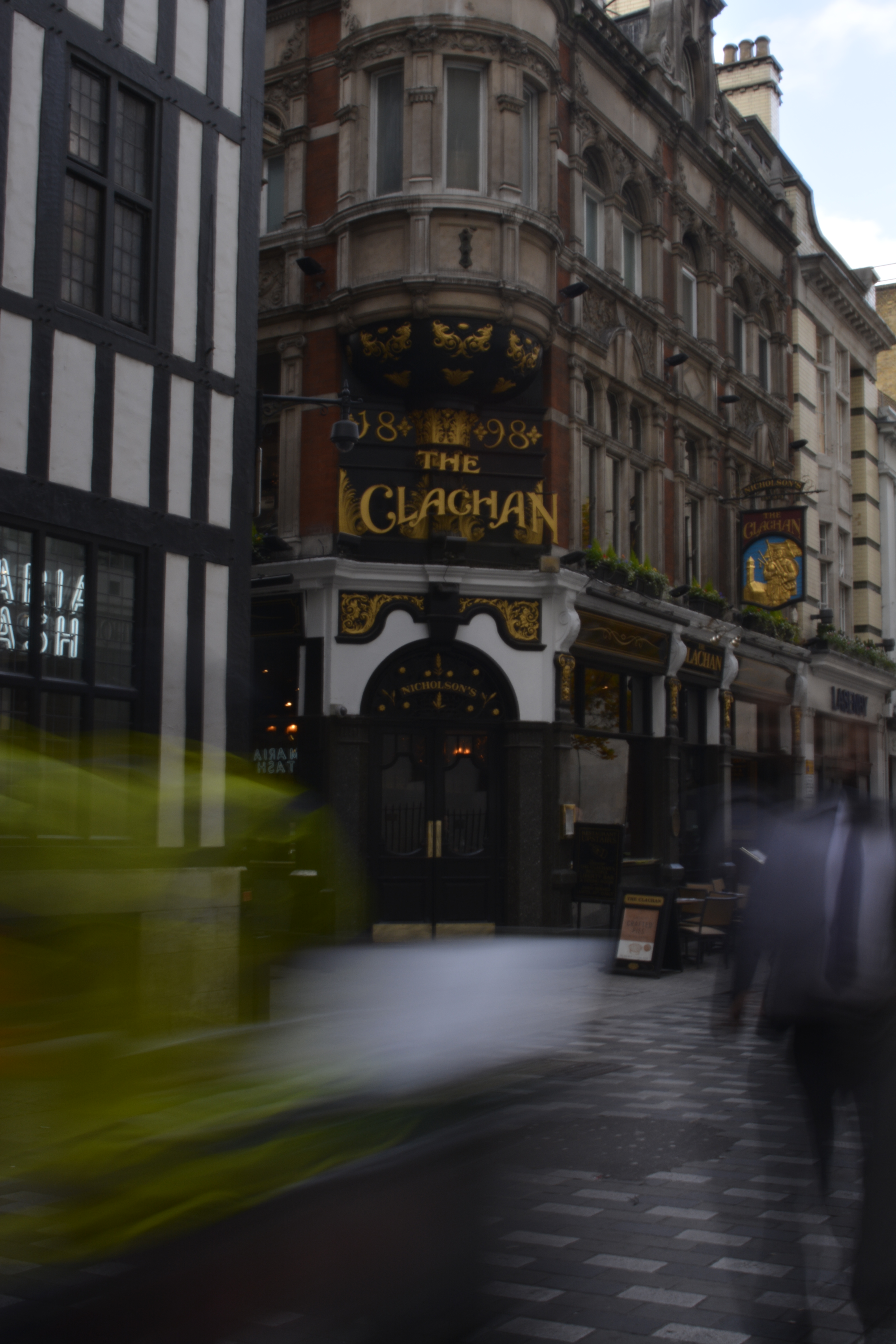
From my recce photographs you can see that I wanted to try and capture the Liberty building. With the flow of traffic and my focus not quite right, I ended up choosing this photo below. It was taken behind Liberty’s along a pedestrian walk way leading to Carnaby Street. I felt capturing flows of people gave a better effect on my images than traffic did and keeping that ghostly feel.
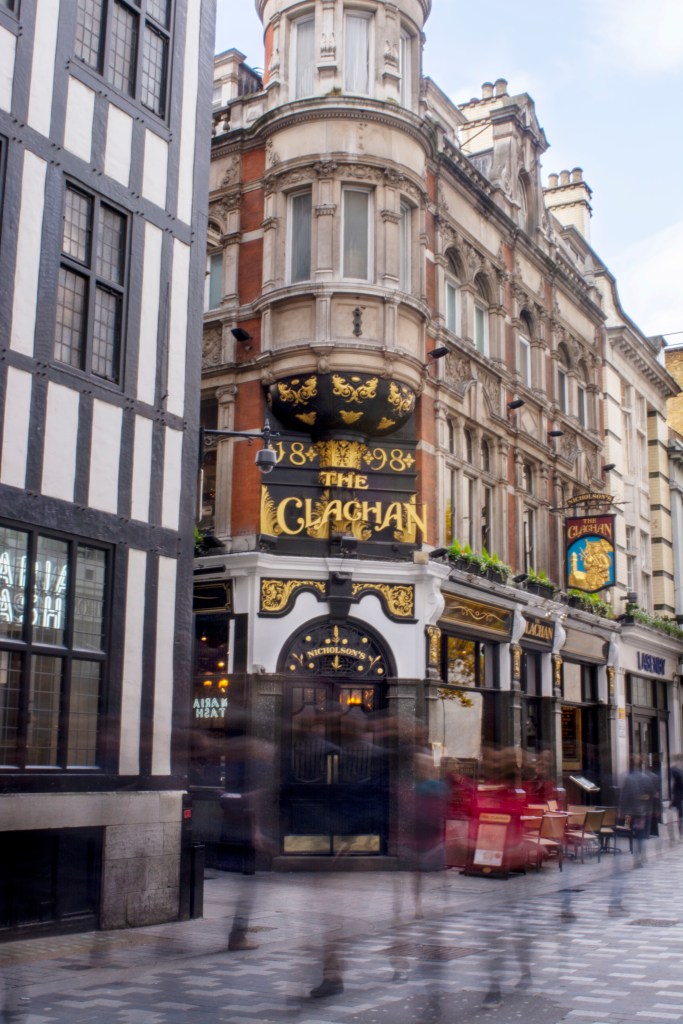
Kingly Street, Liberty’s
F-25 ISO-100 SS-1.6secs
It was a very sunny day when I captured this photograph. Even though I was using an ND filter I needed to really try and control the amount of light coming into my images. Therefore I used a very high f-stop of 25. There wasn’t a constant flow of people walking past me so I needed to wait for groups of people to approach before taking the photograph. Any longer than 1.6-2 seconds was over exposing the Image.
Within post production I had to work a lot with the exposures on this photograph. The original image was a lot darker. Lightening the exposure allowed the centre of the photograph to be nicely exposed, brightening the darker areas of the pub entrance and building facade. I also lightened the shadows that formed the people using the brush tool with curves on Photoshop. This draws the eye to the centre of the photograph where you can see the great detail of the pub and the motion blur from the people.
However in bringing the exposure up I had lost the colour in the sky. To bring this back I worked on a separate layer and darkened the whole photograph. Then using a mask I exposed the sky using the brush tool(soft with a low opacity). The areas around the building were tricky so zooming in helped not to darken the top of the building and chimneys. Bringing the blue sky back into the Image created a good colour balance to the whole photograph and kept the focus towards the middle.
Covent Garden
This photograph was not my initial vision that I wanted to try and capture at Covent Garden. Trying to use a tripod in the market stall areas was not allowed and as I was using longer shutter speeds I needed to stabilise the camera somehow. I was not wanting to give up but really struggling to find a solution.
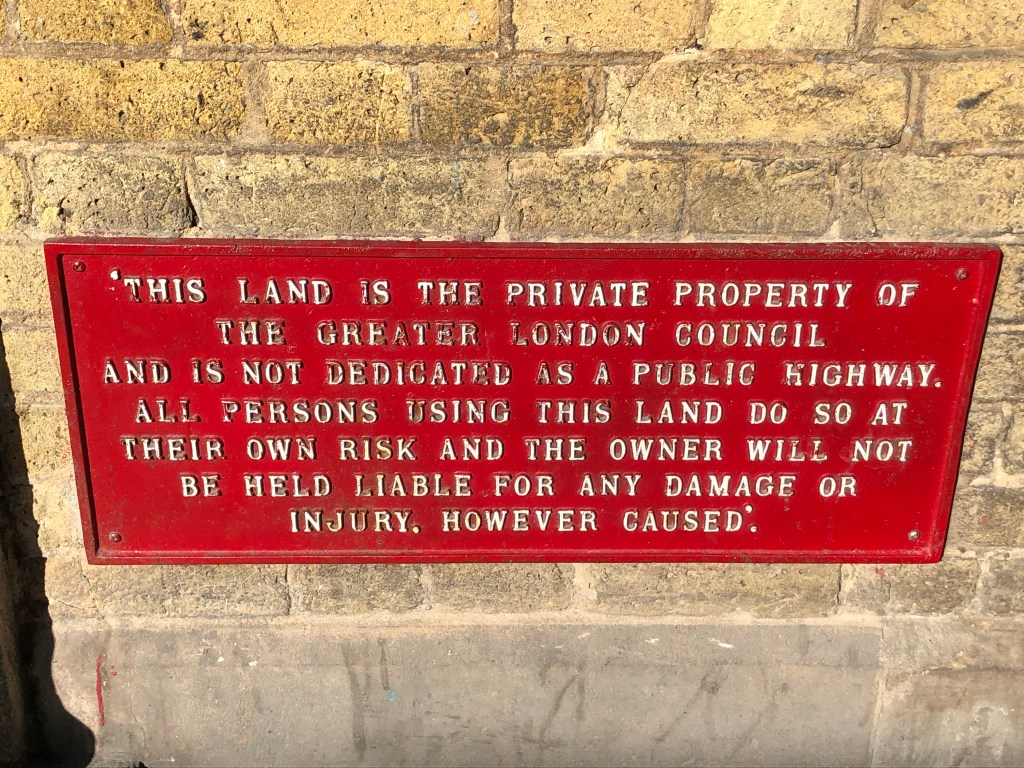
Sign on the wall of Covent Garden (iPhone)
I was so pleased to be able to bend the rules and get one of my final five photographs.
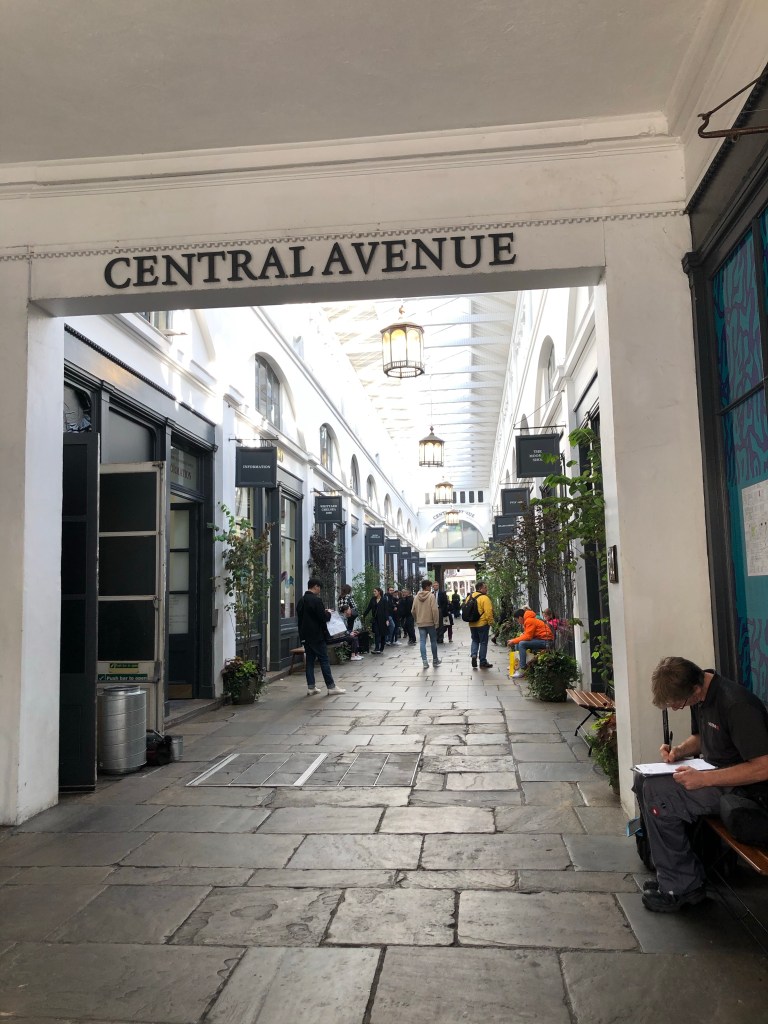
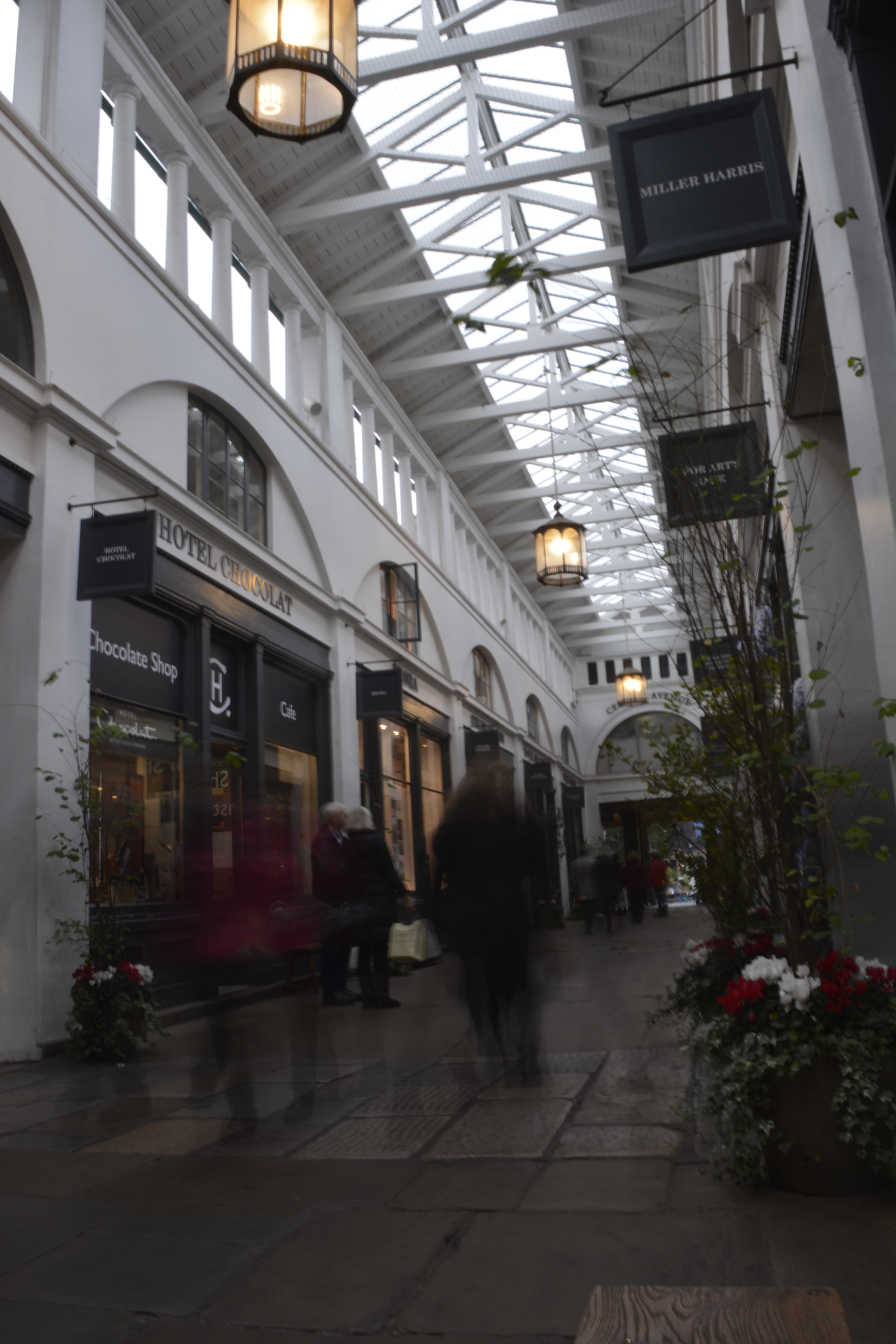
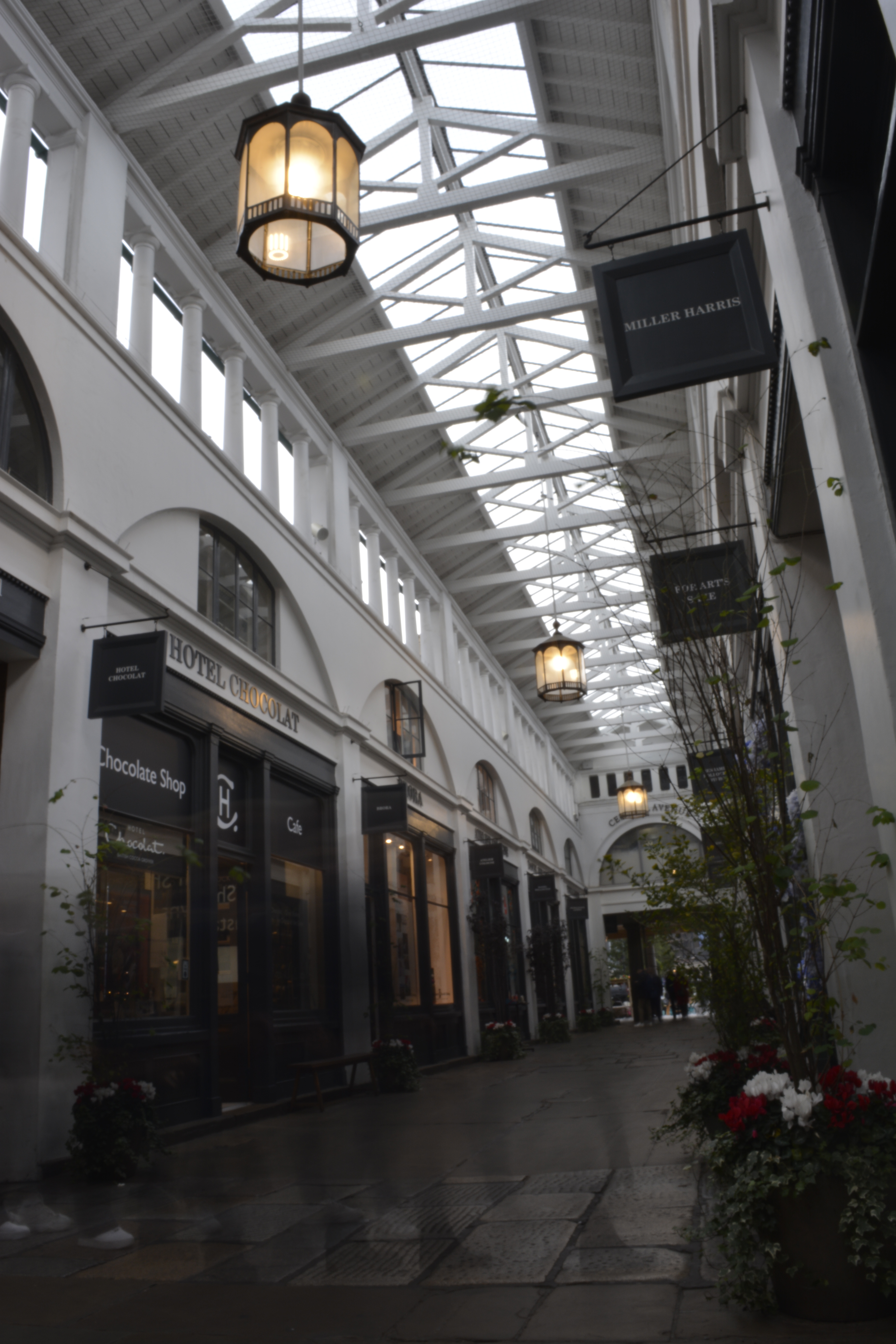
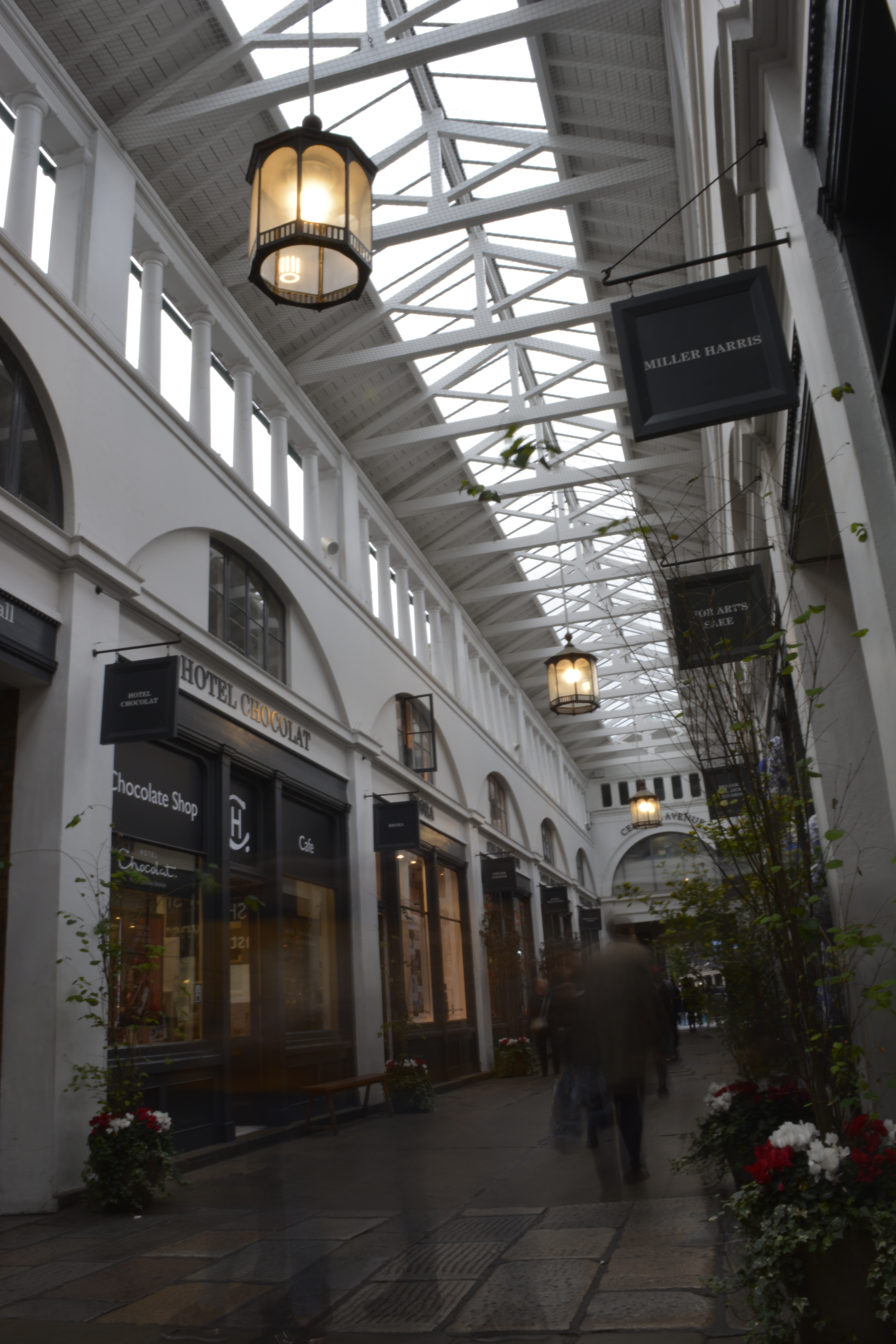
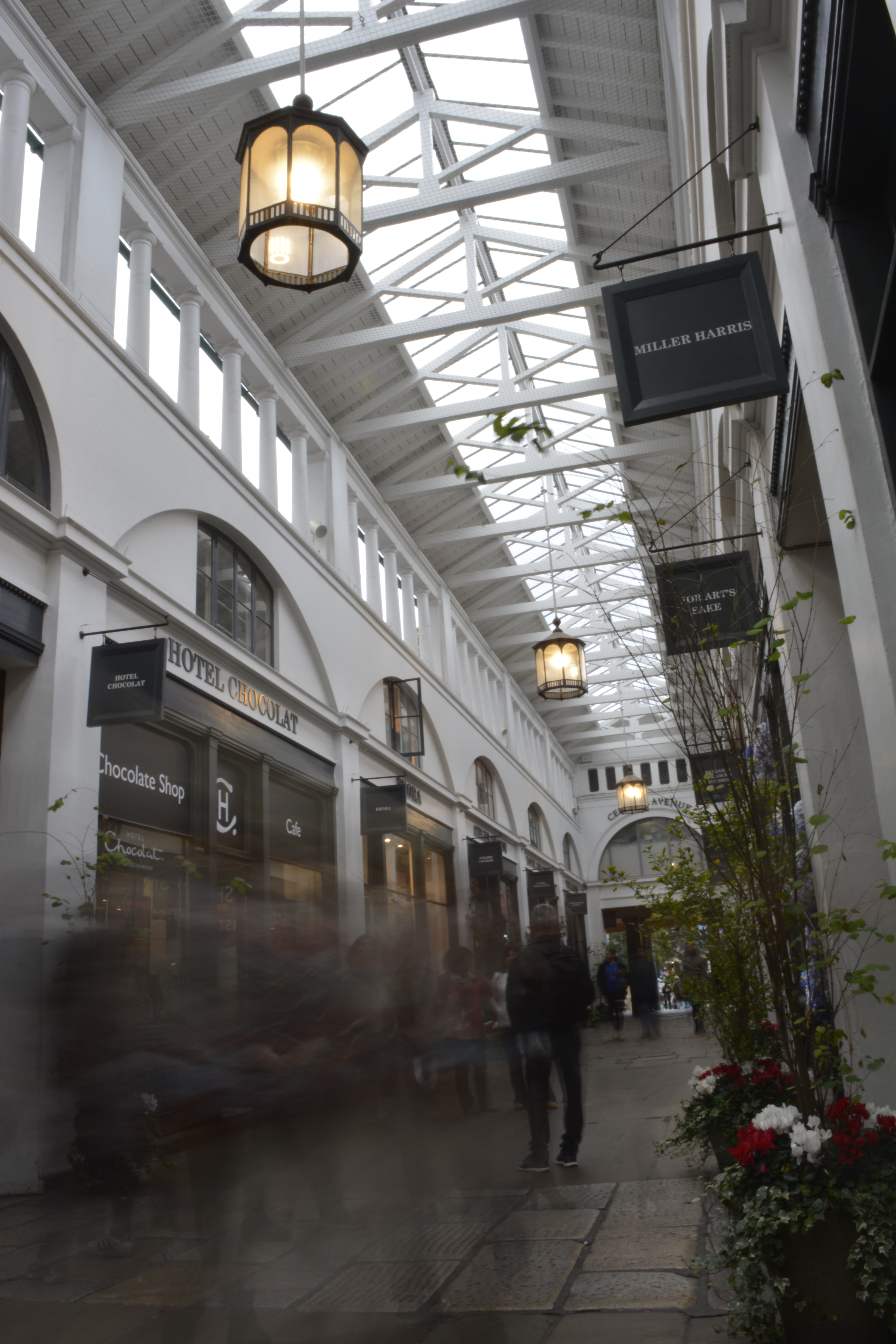
Central Avenue (see photo below) was within the grounds of the market. All along the shops within were benches. I managed to set up my tripod on the smallest setting and rested it on the bench. This way, I wasn’t causing a trip hazard or breaking any rules and was able to stabilise the camera to get the shot.
Central Avenue in Covent Garden (iPhone)
It was on this recce that I had decided to switch my lens focus from manual to auto. I have mainly used manual focus up until now, thinking to be a good photographer that is what I need to master. The only problem with that is that you think you have the perfect shot, however you get home and zoom in on a bigger screen and realise you’re just off with the focus.
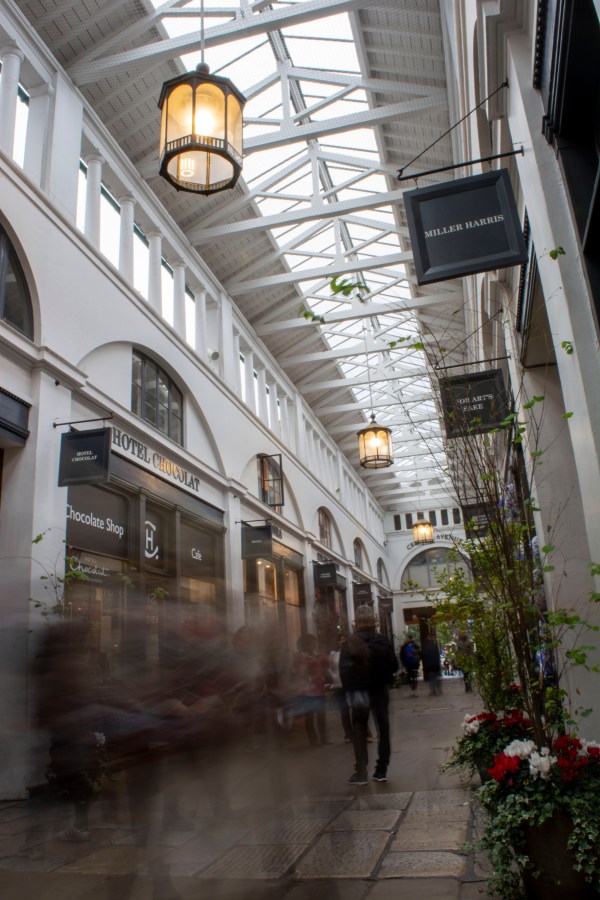
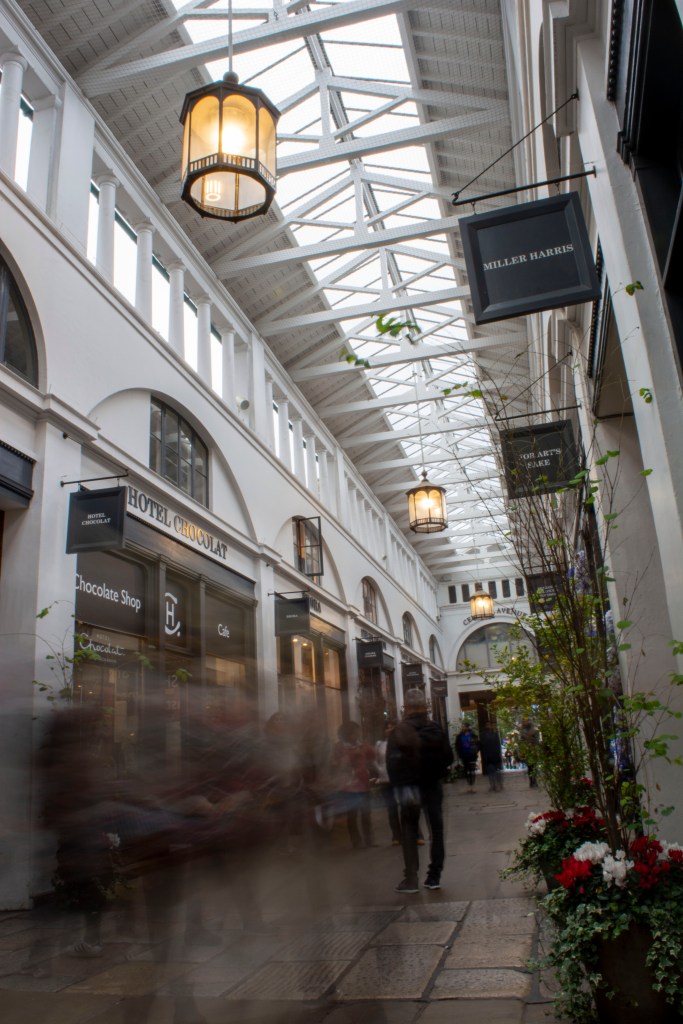
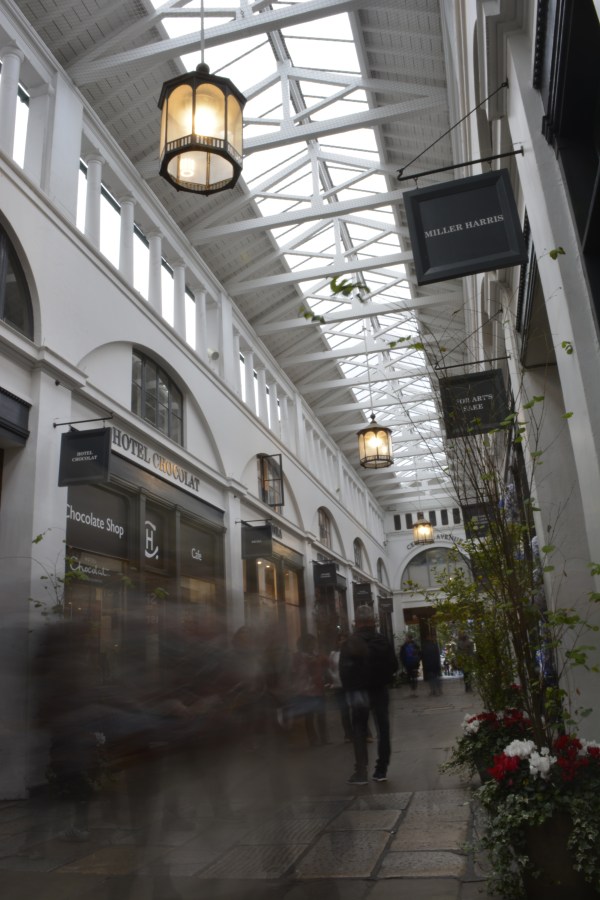
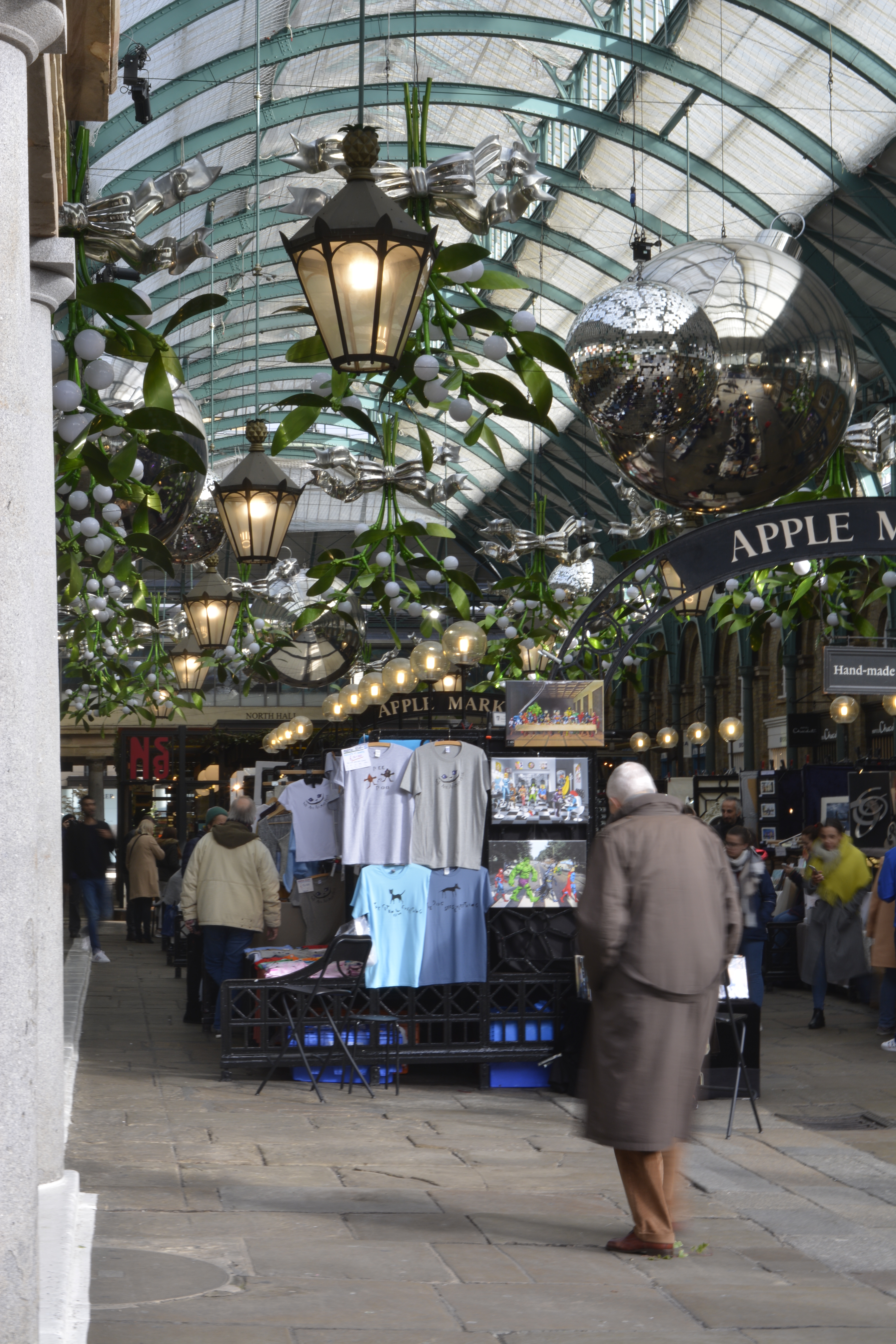
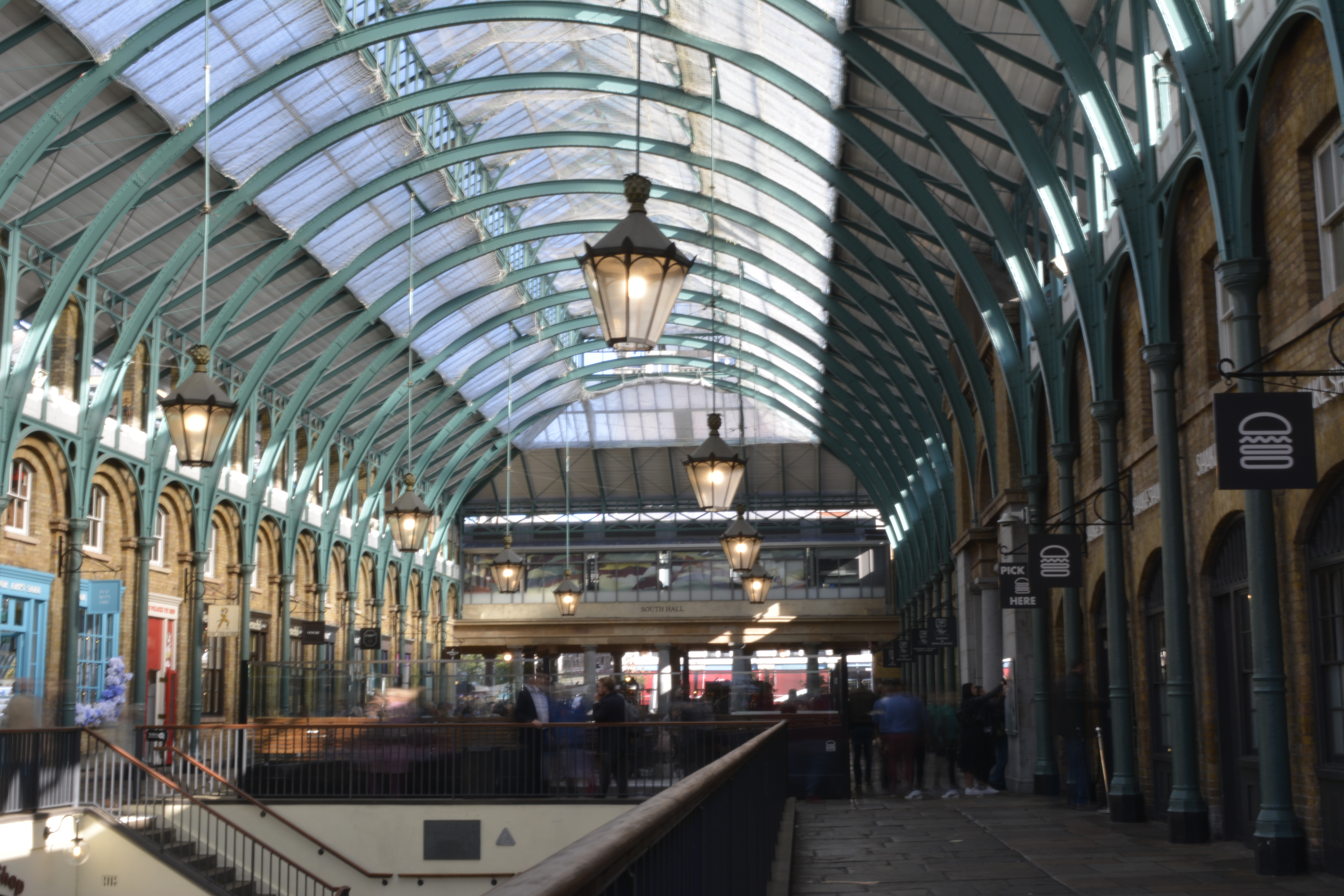
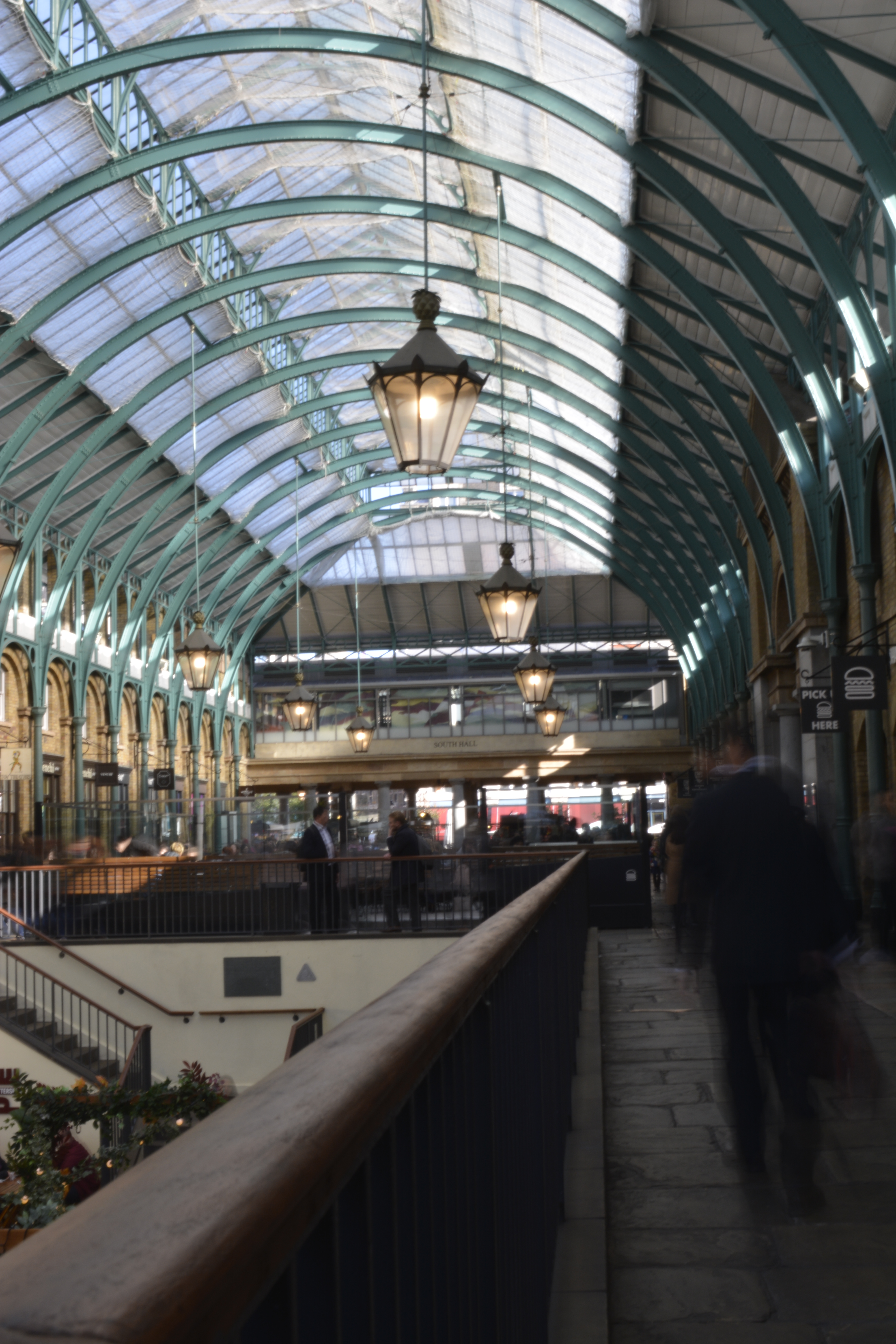
Central Avenue, CoventGarden
F-22 ISO-100 SS-2.5secs
Although this walkway was undercover there was still a lot of light coming through the windows at the top so I decided to use a fairly high f-stop to try to minimise the light. Using a shutter speed of 2.5 seconds allowed me to capture stationery people and moving people quite well.
Over all I am really pleased with this photograph. The walkway being narrower than the market halls allowed there to be a constant flow of people walking through. Exactly what I needed. I like the perspective of the image however, maybe I could have aligned the image better, made the right hand side shop fronts line up with the right hand side of the frame. This is something I could go back to do in Photoshop.
This photograph I felt looked good in black and white however to keep cohesiveness within the final five, I kept it in colour.
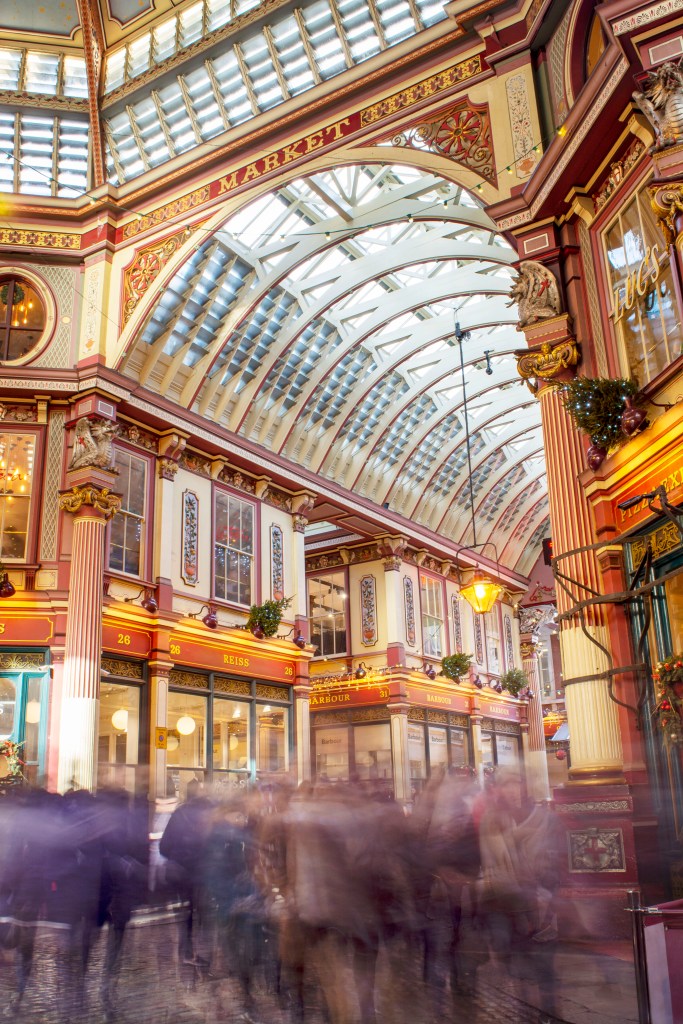
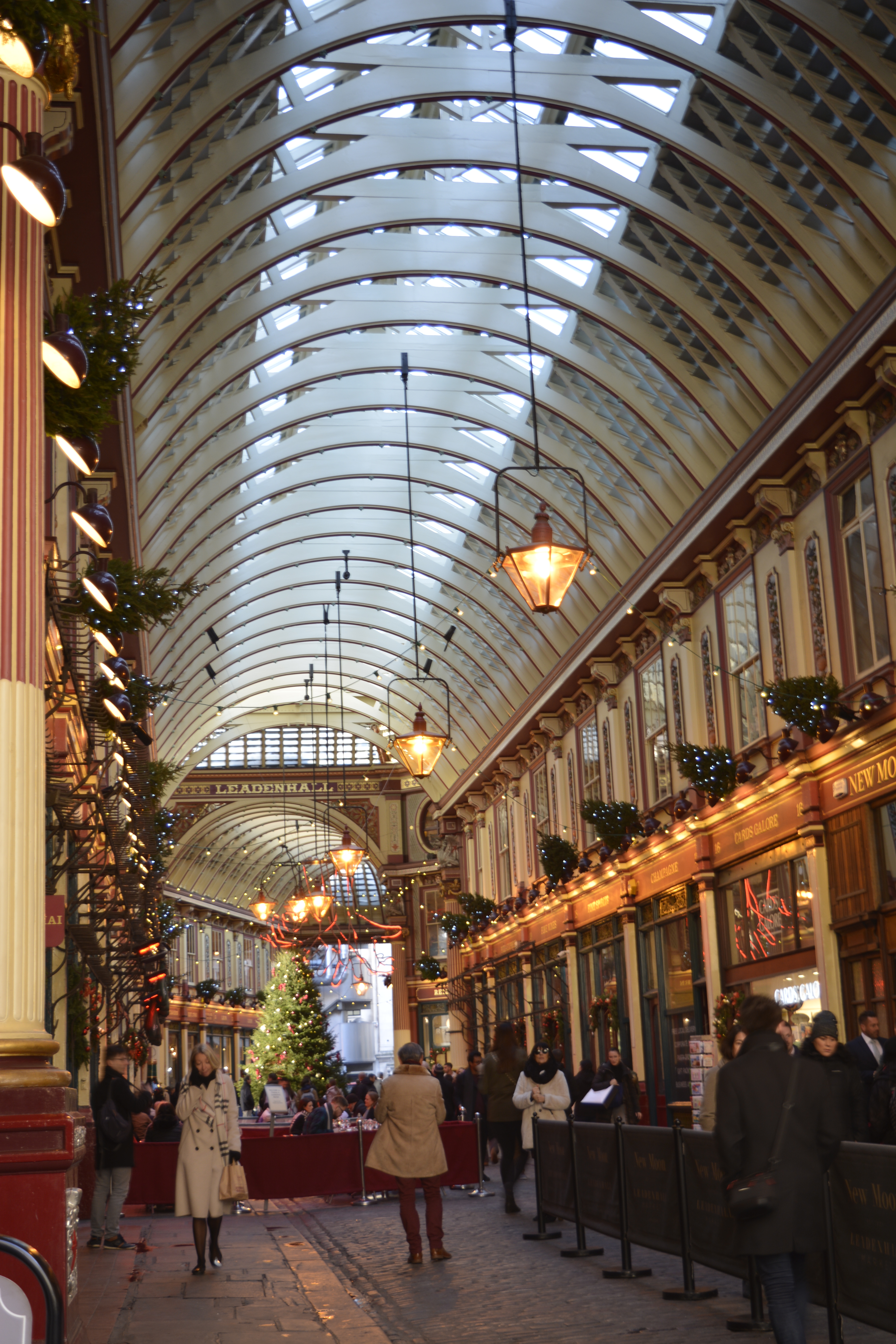
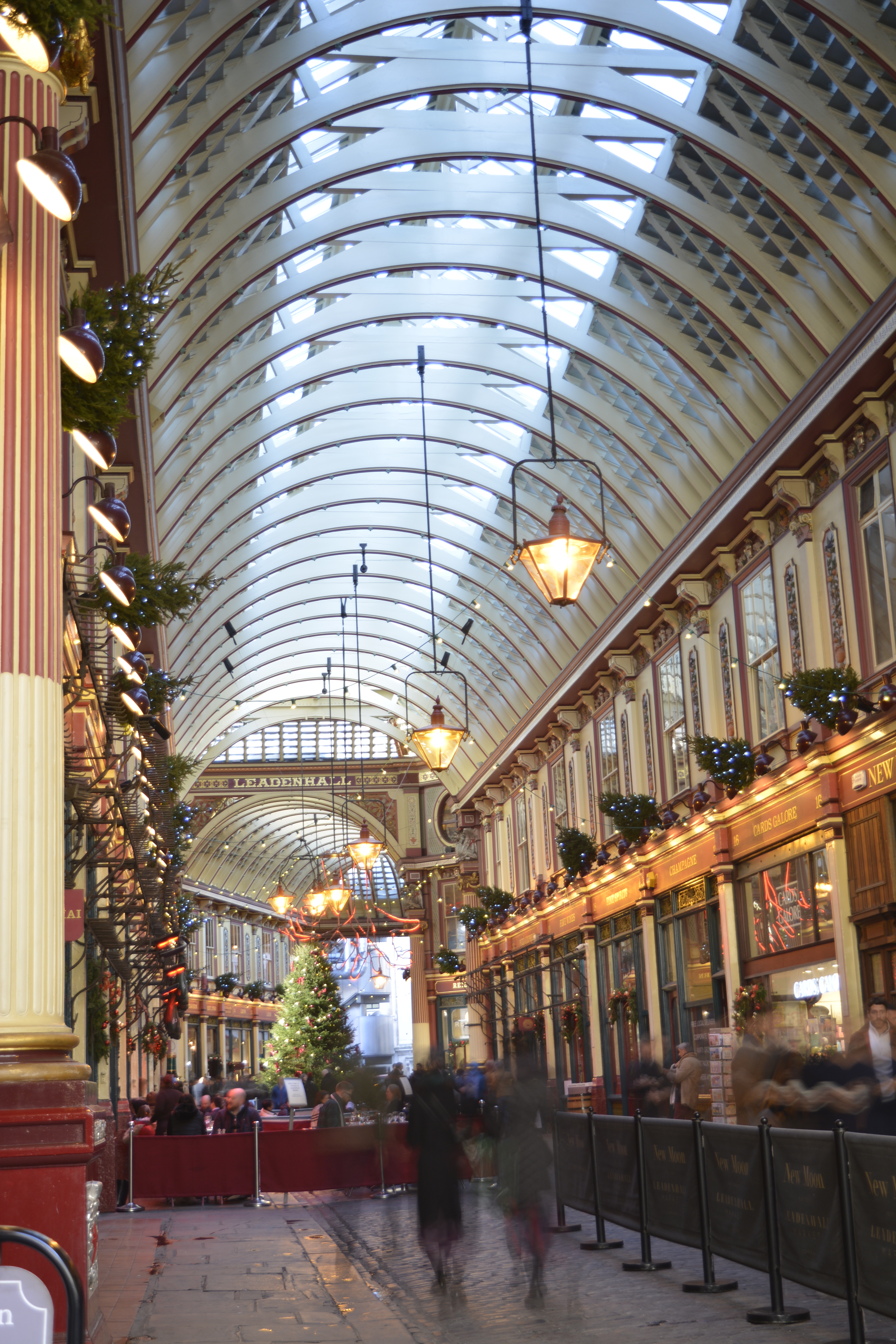
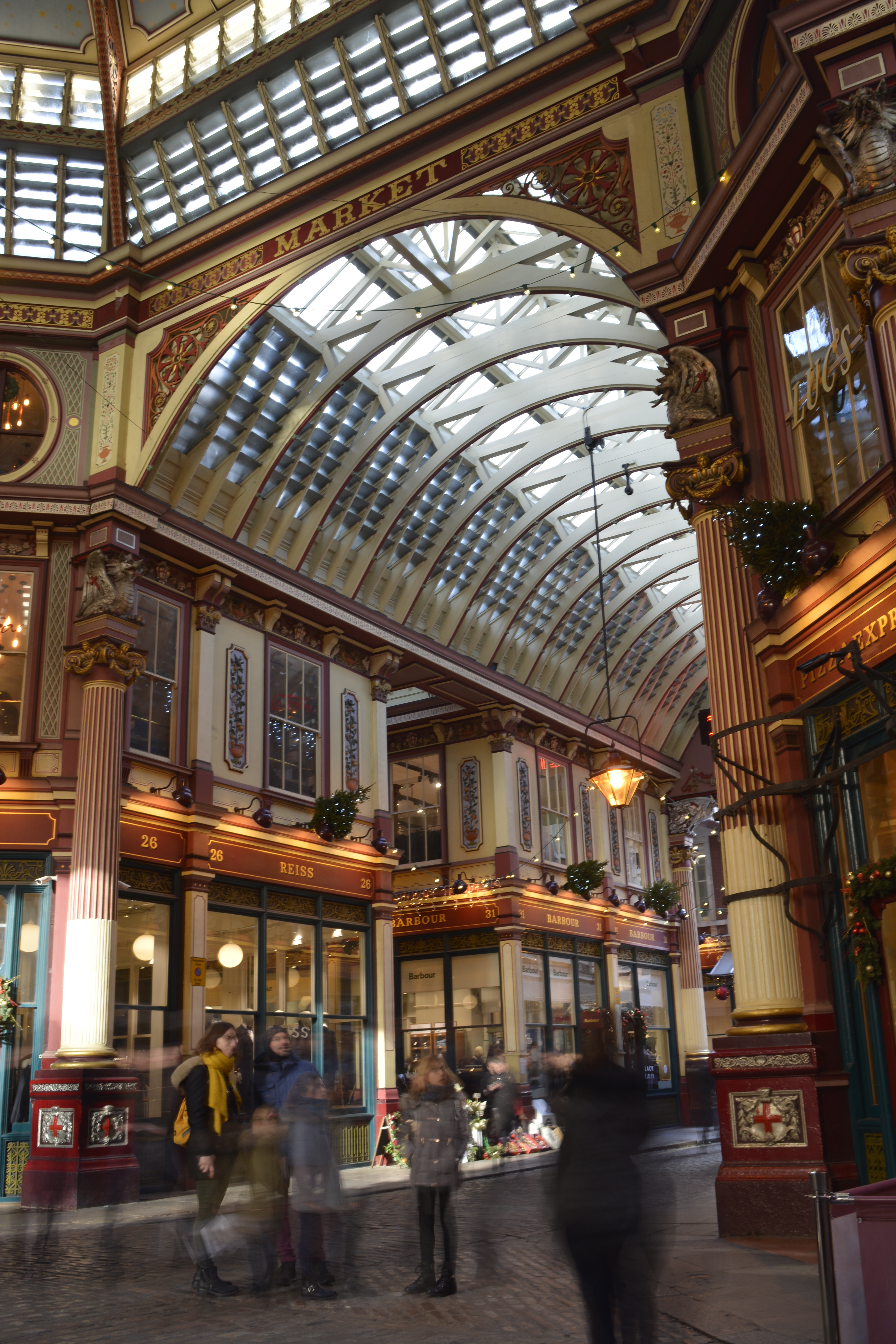
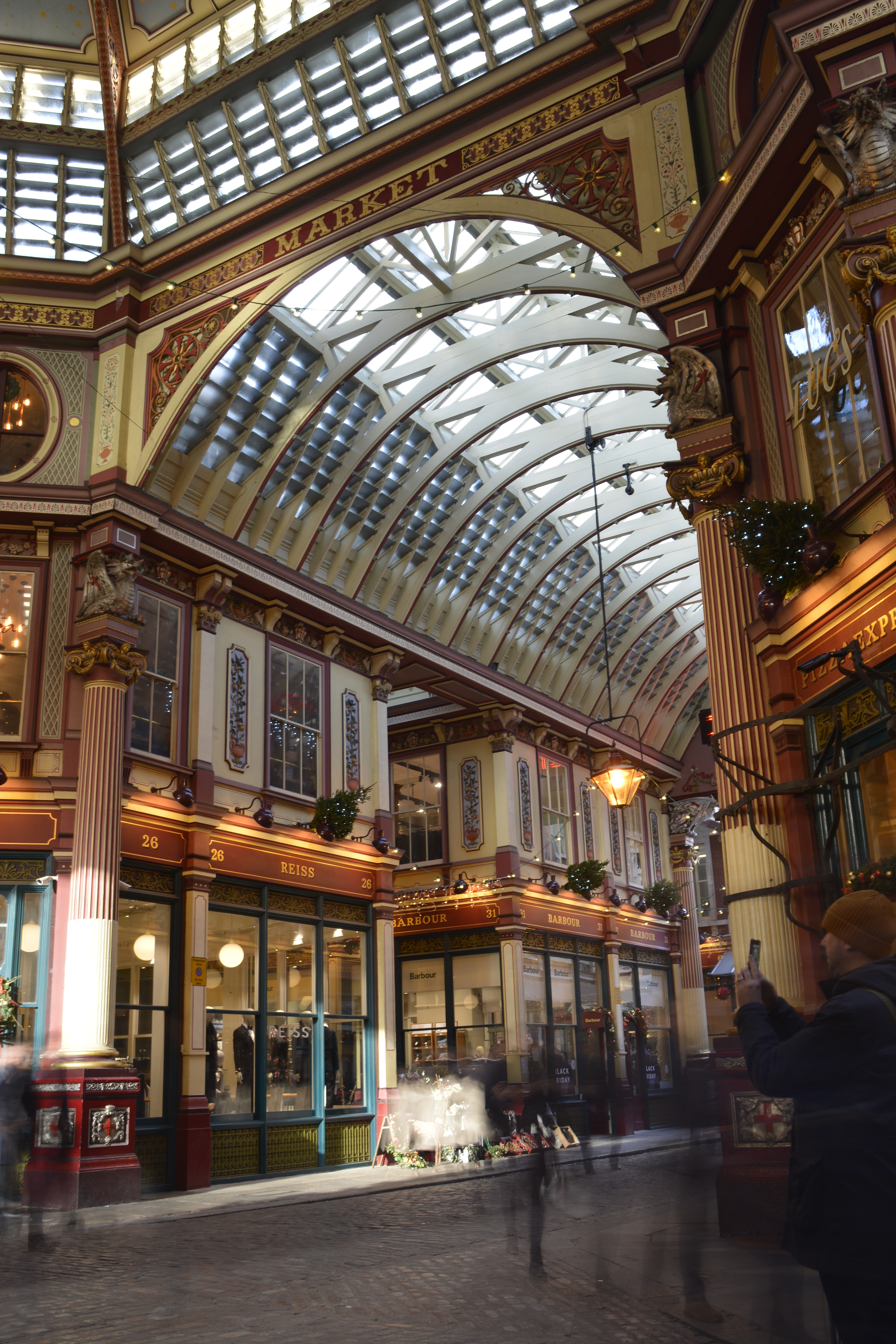
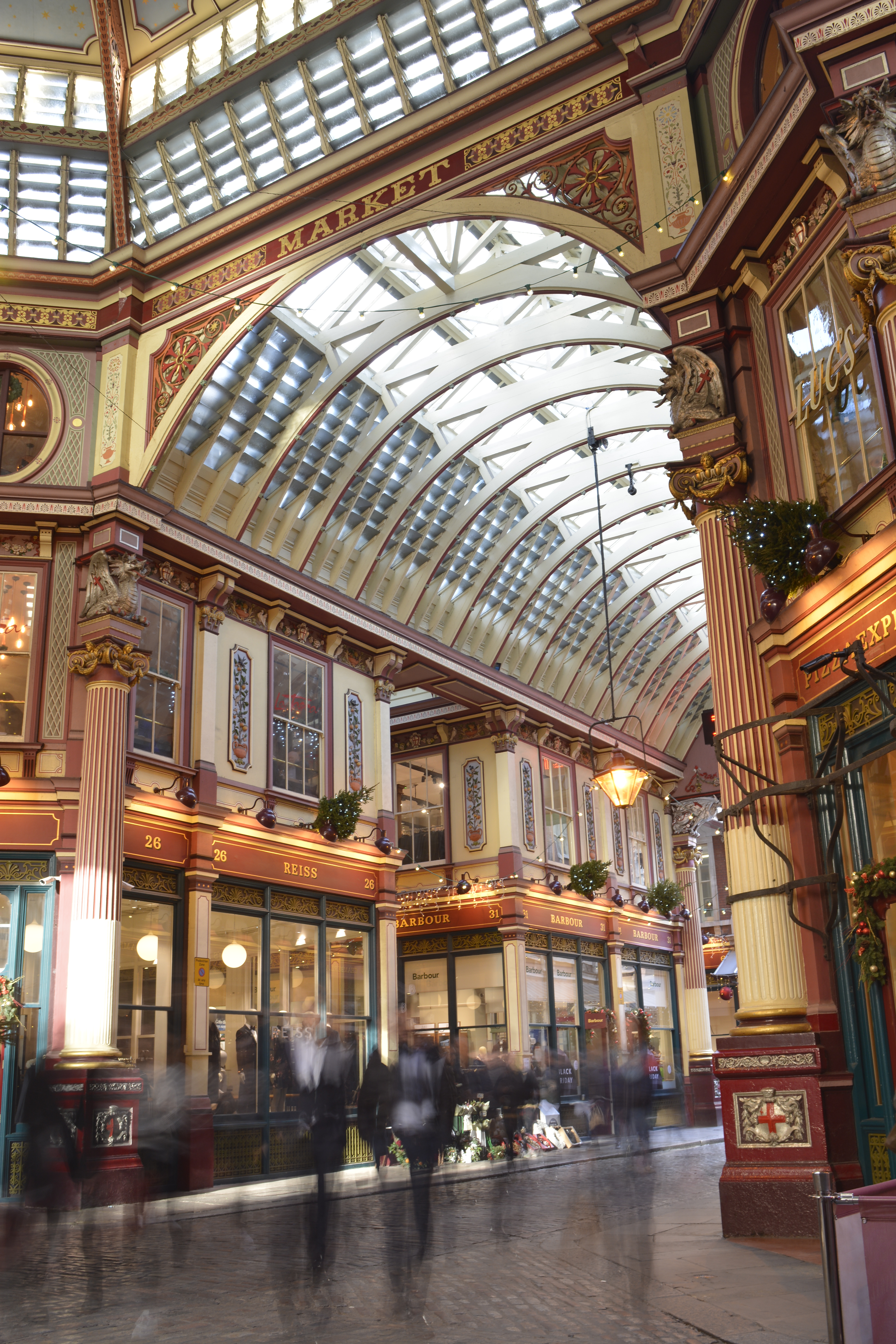
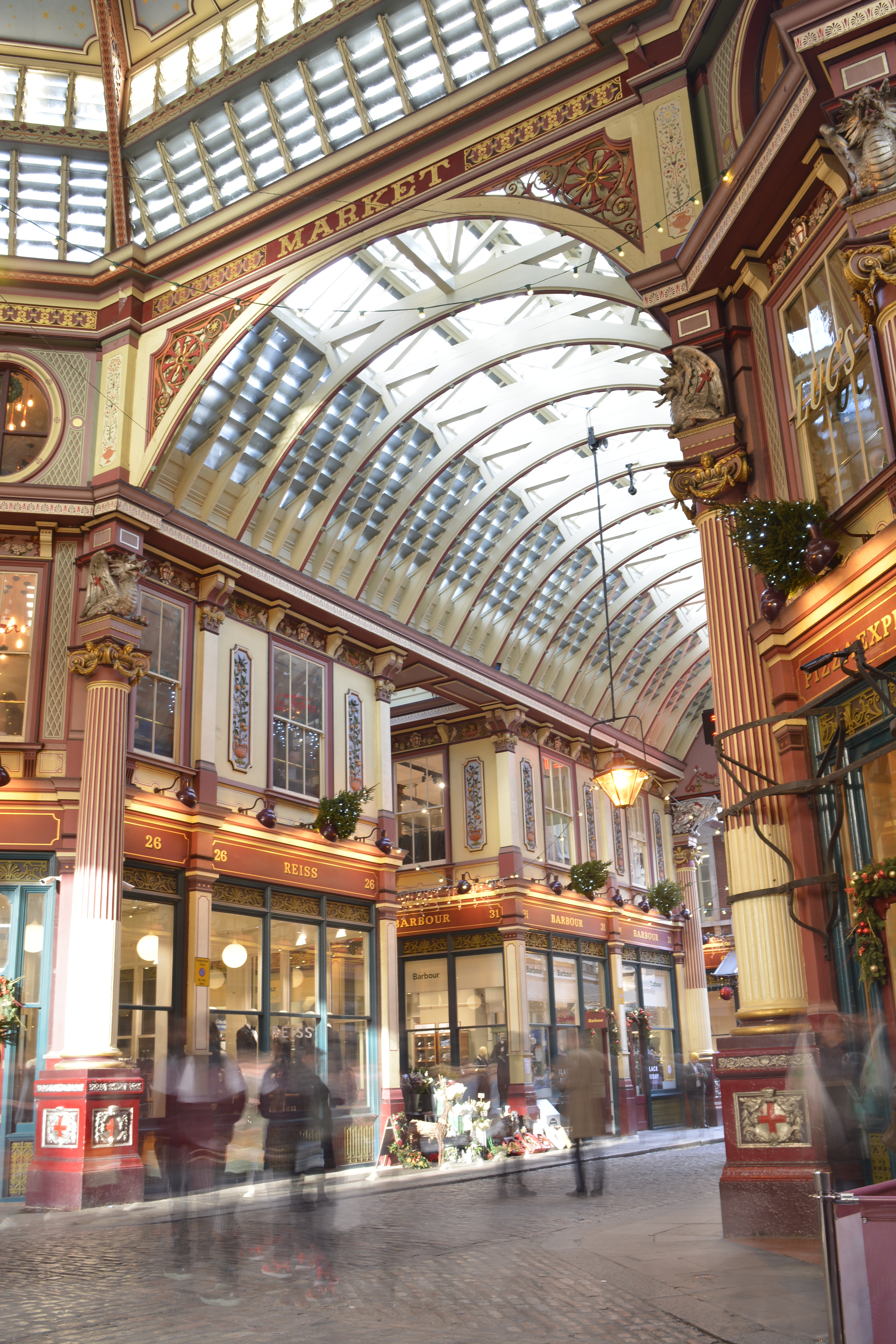
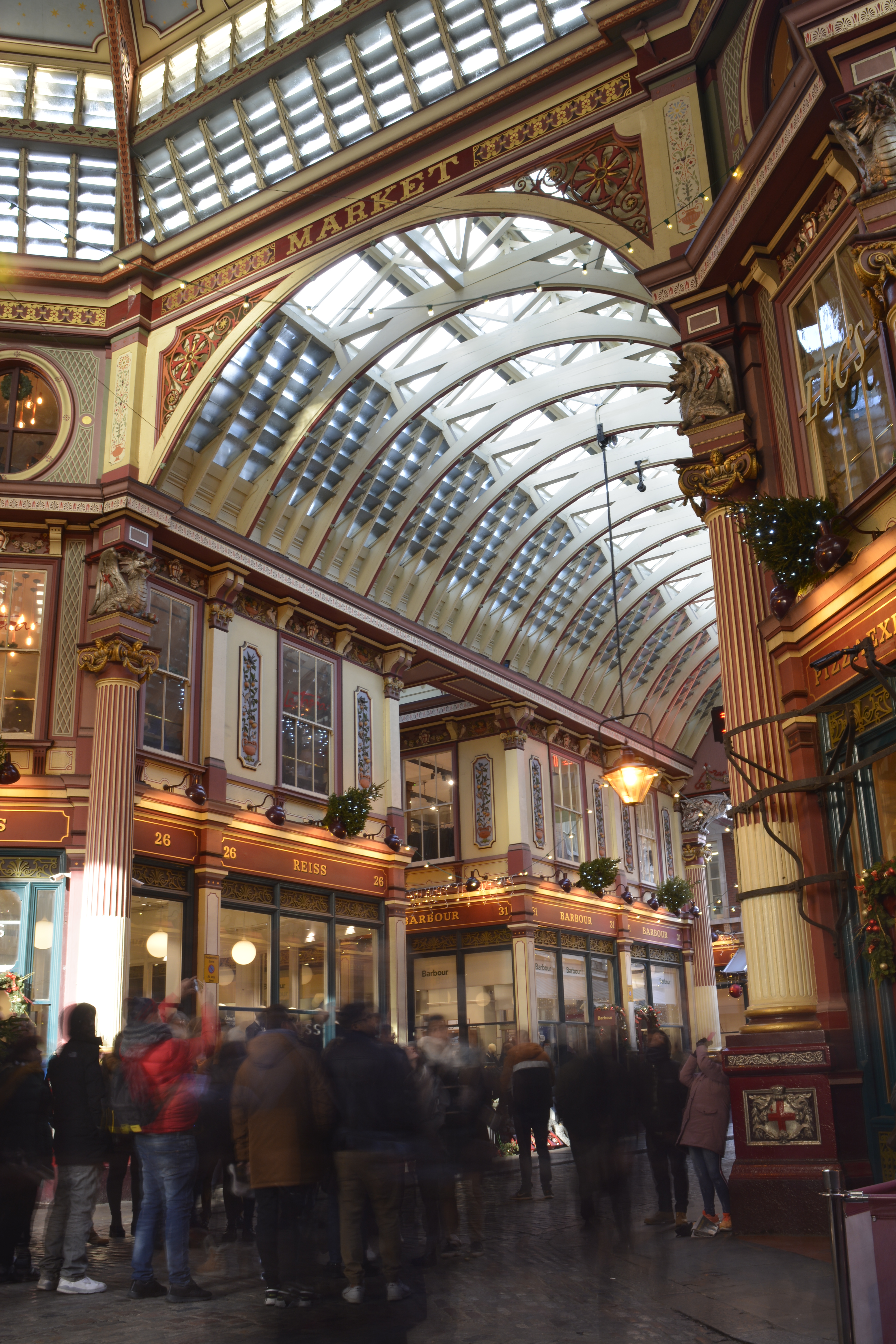
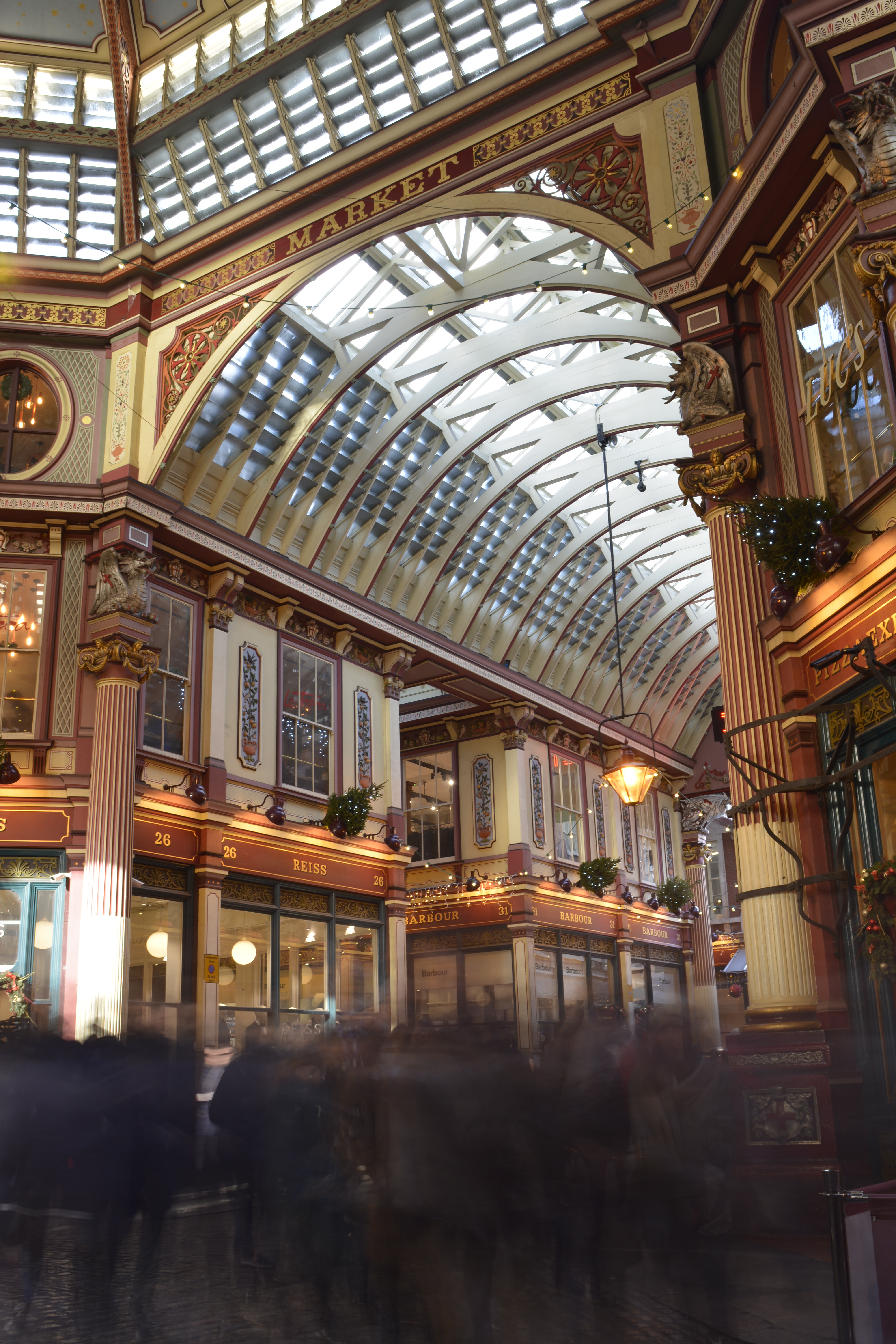
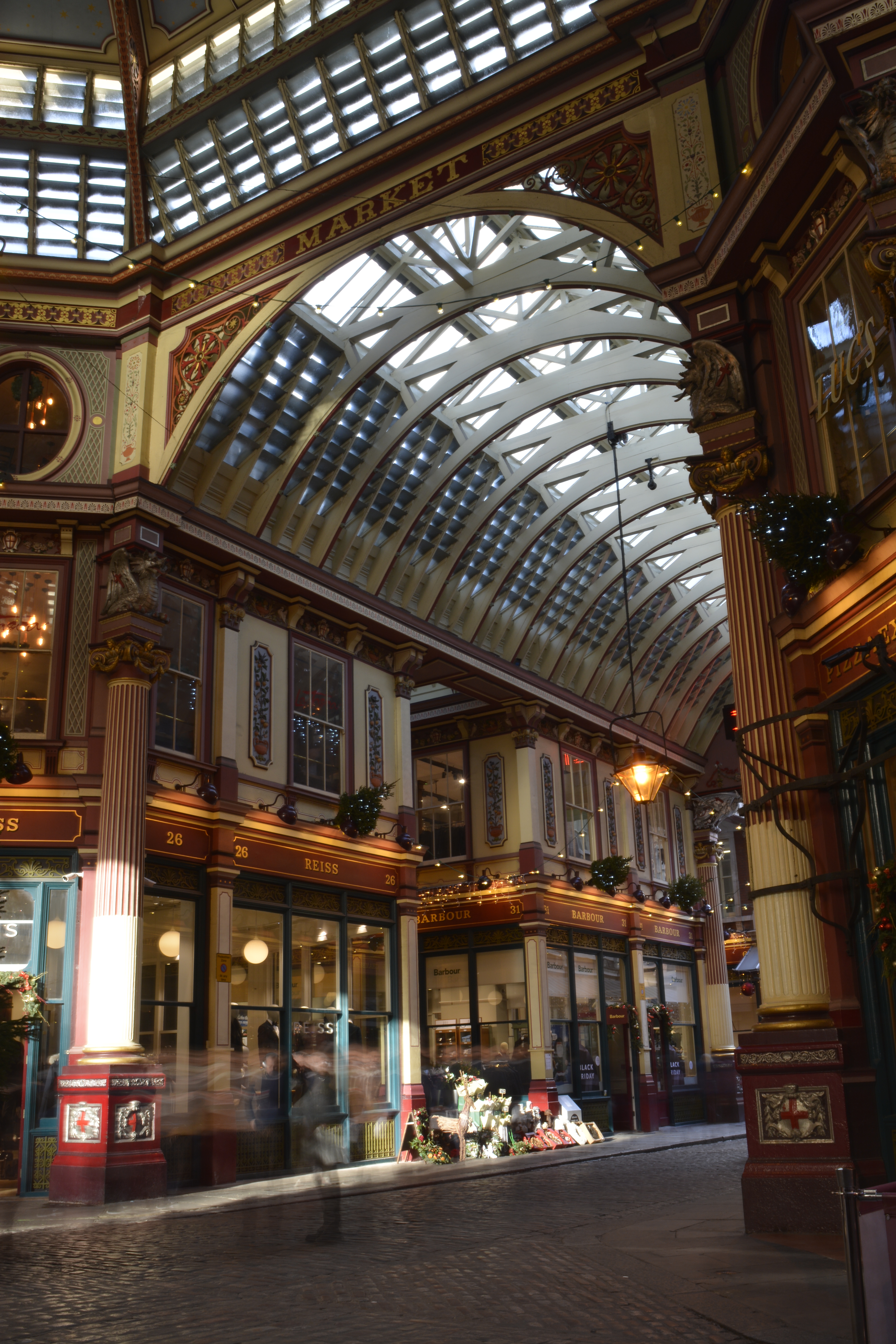
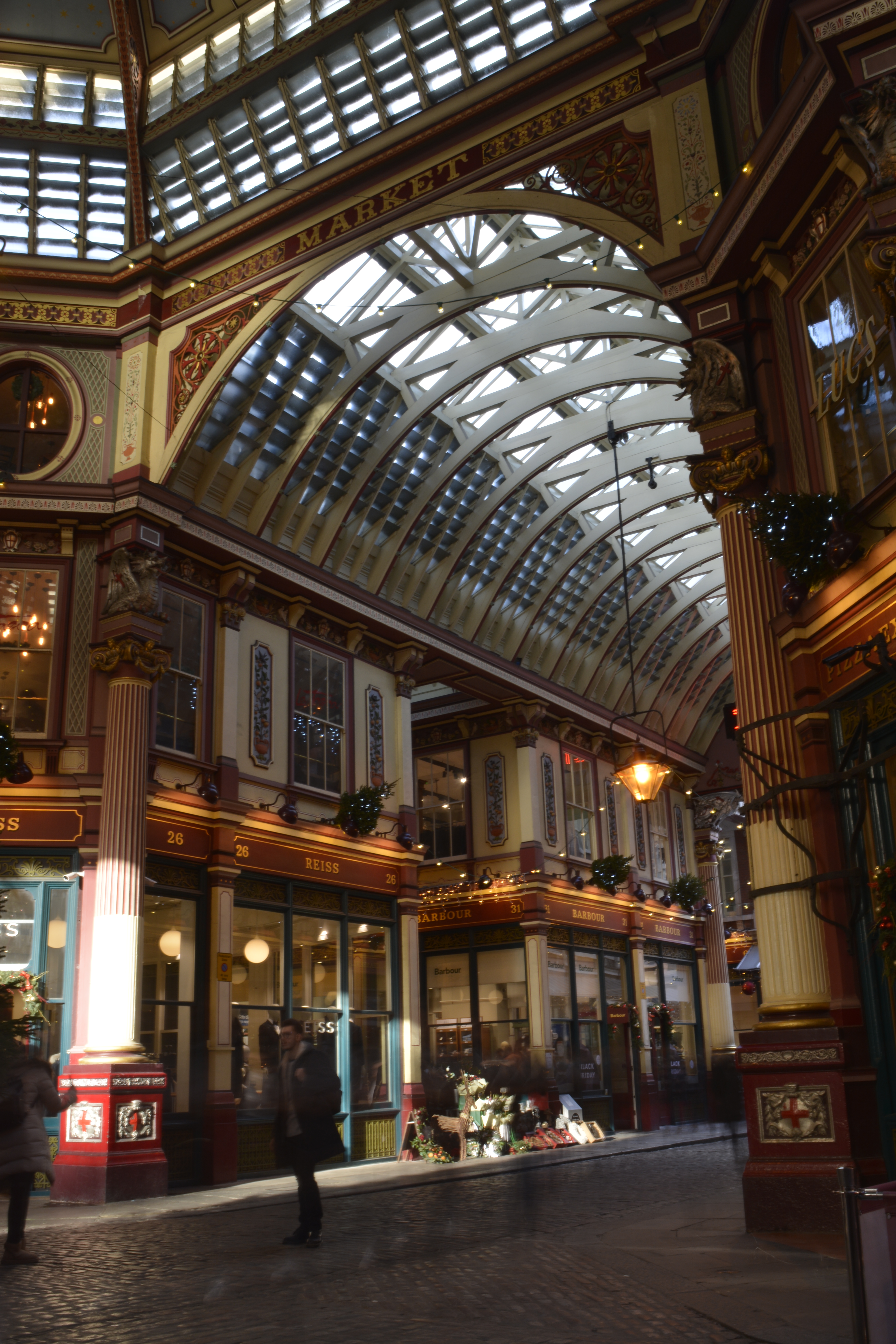
Leadenhall Market
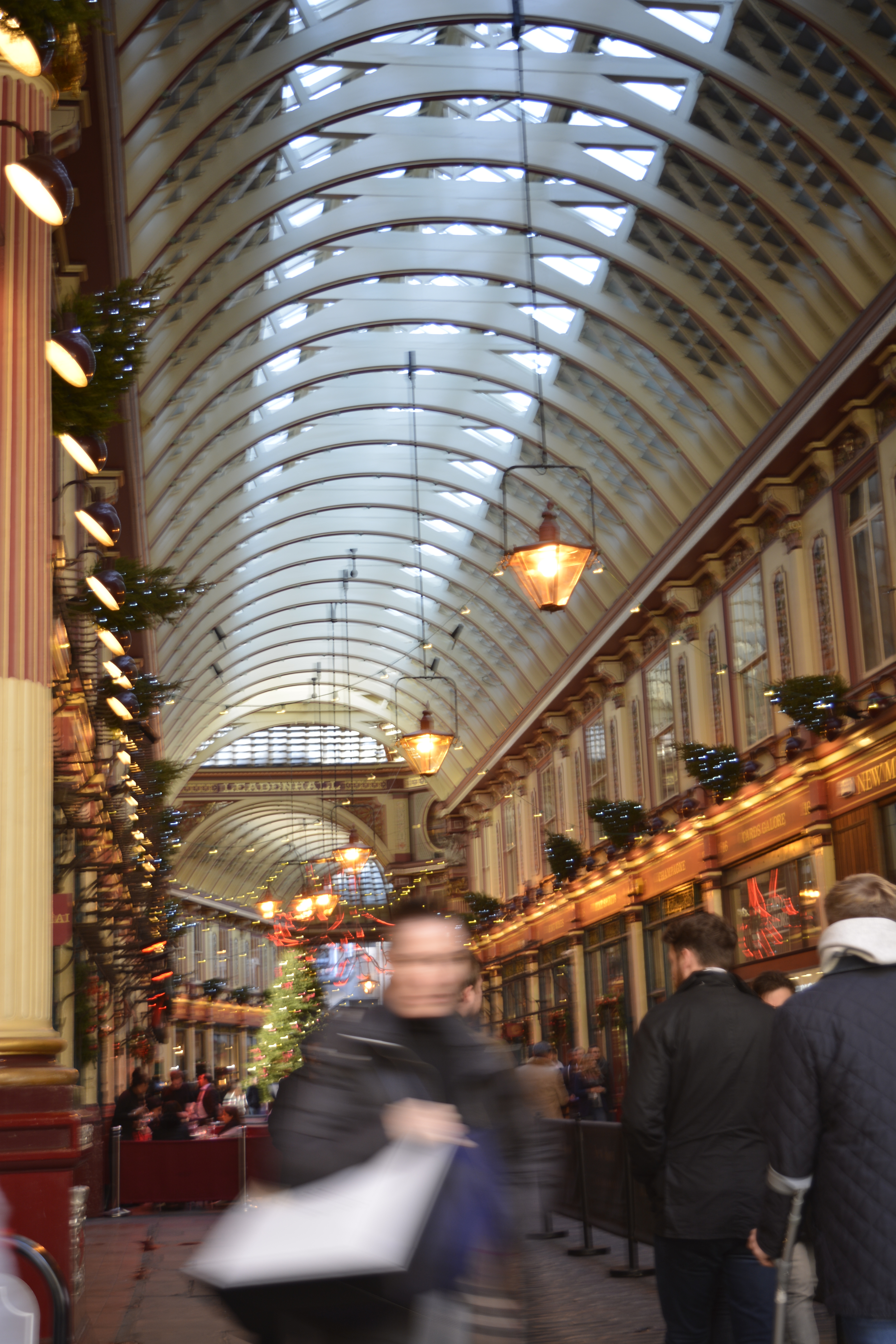
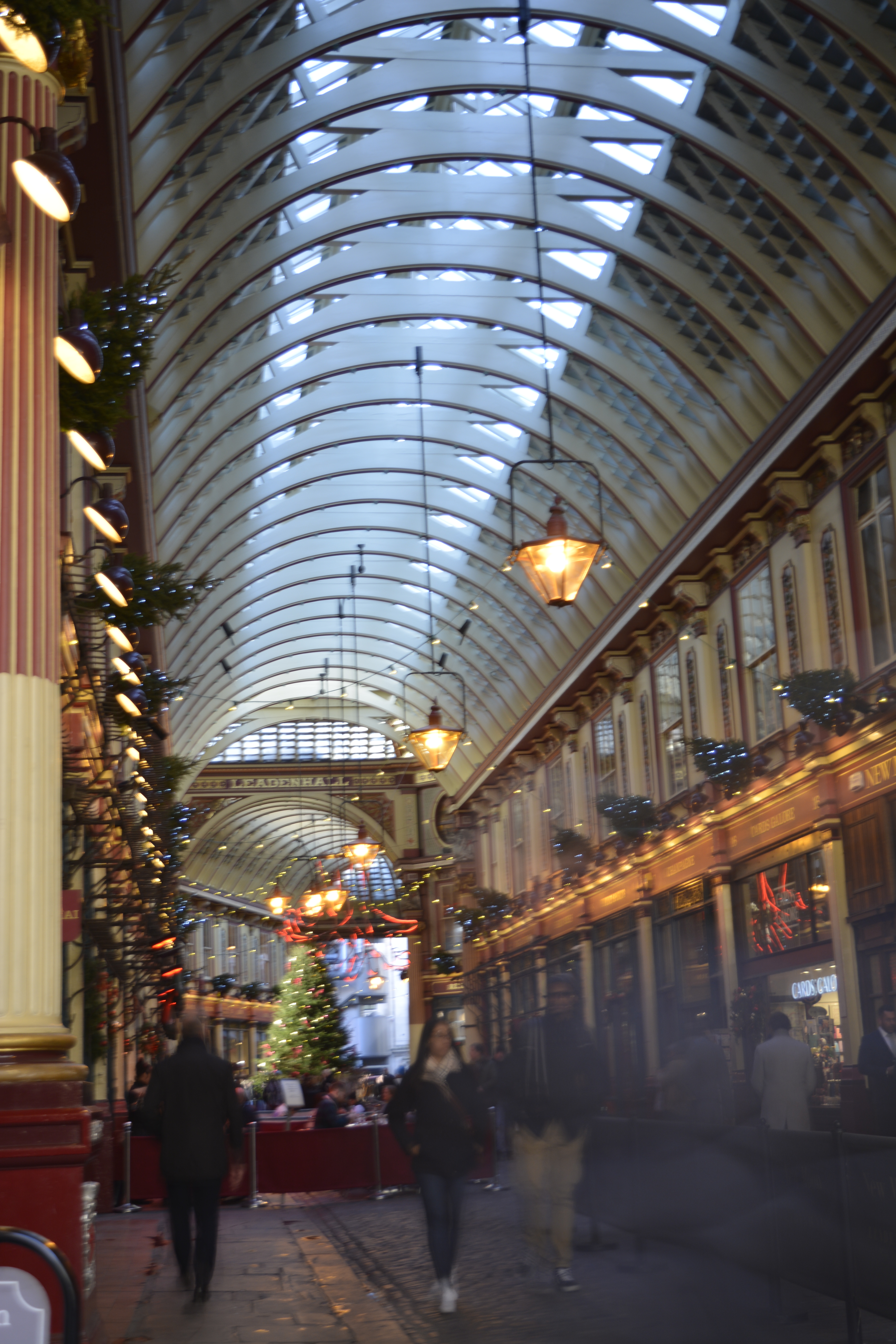
This photograph is my favourite. I love all the architectural lines and shapes which are strong and stationary in the photograph, compared to the soft flowing motion of the blur from the people walking past.
Taken during lunchtime it made for a constant flow of people which was ideal for the type of photograph I want to achieve. I didn’t ask permission from anyone to take photographs here however I knew I wouldn’t be able to set up a tripod in the middle of a busy area. I found a spot close to the central area I wanted to photograph and positioned myself to one side, tucked slightly behind a pillar by a shop. This way I wasn’t causing an obstruction or a potential trip hazard.
Leadenhall Market
F-11 ISO-100 SS-8secs
Within Leadenhall Market, even though you can see the light coming through the top of the structure, it still was quite dark inside. Using an aperture of F-11 I managed to use an 8 second shutter speed to capture lots movement flowing through the market hall. I am very pleased with the result.
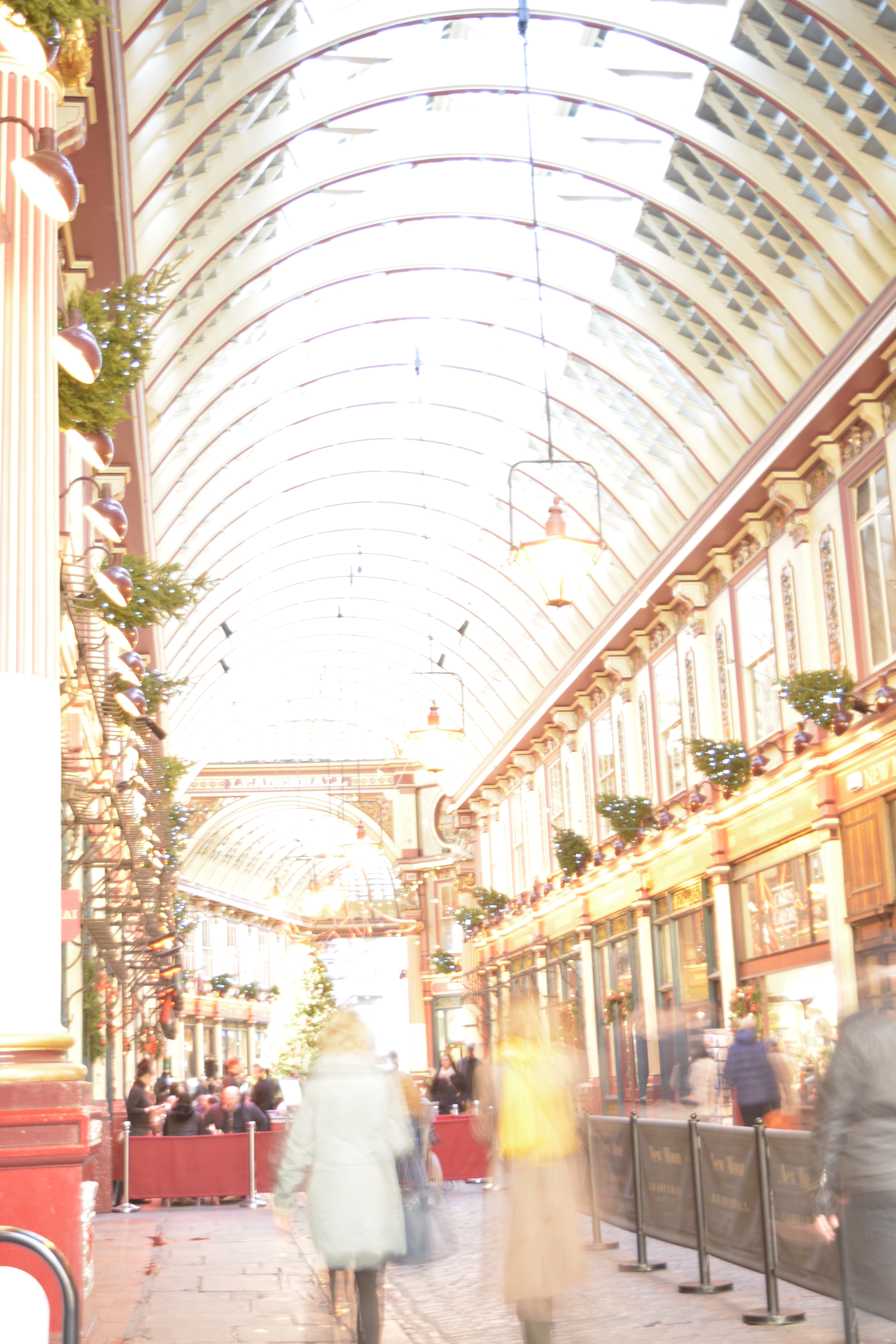
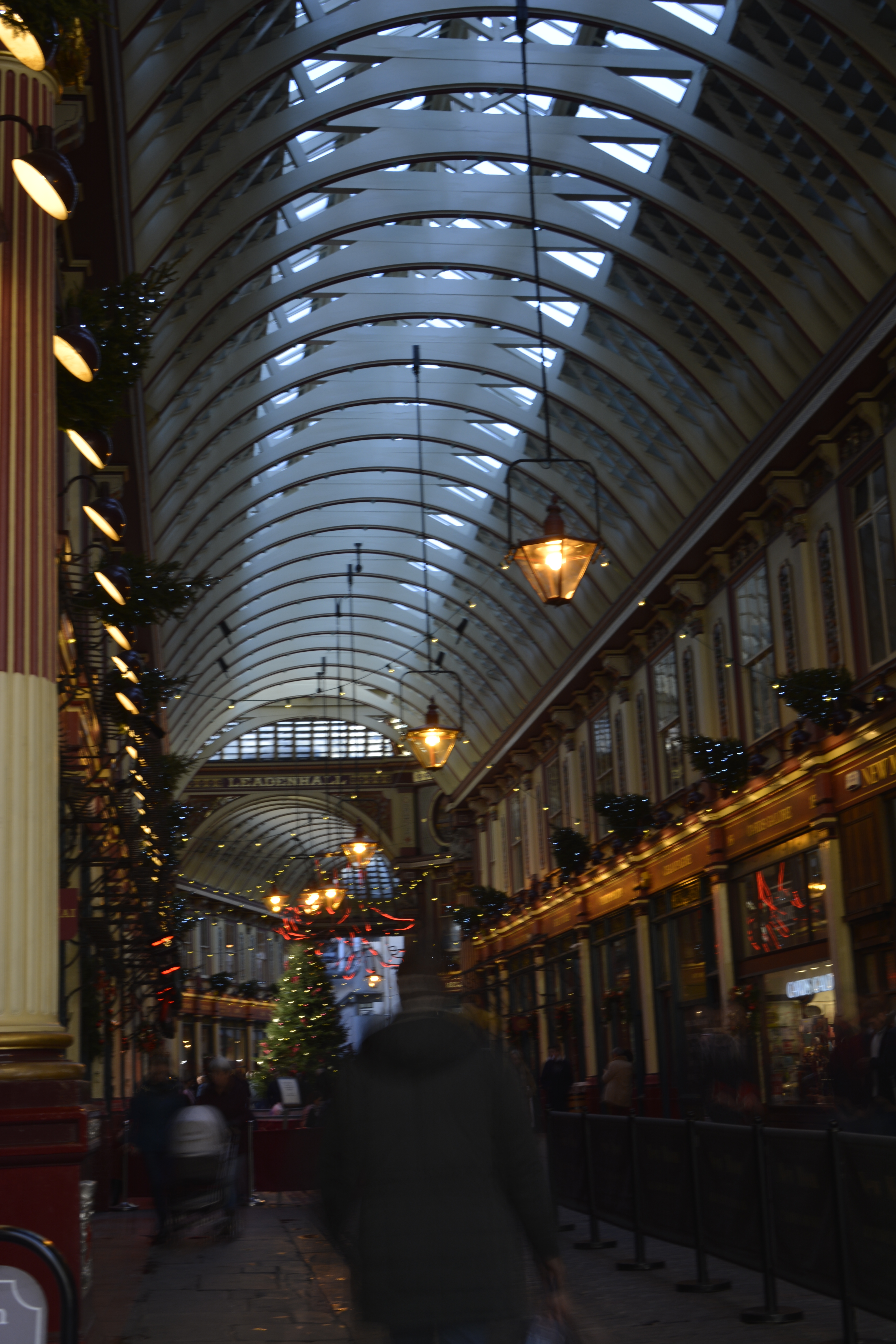
Progressing through this project, I have gained more confidence in my ability to use Photoshop. Using several different layers, I darkened and brightened the exposure in certain places. I darkened the higher windows and over exposed pillar. Then brightened some of the shop fronts and people shadows. Lightening the shadows from the people enables the viewer to see the shapes of bodies and faces and adds balance to the image. I also slightly darkened the to corners to help draw the eye towards the centre of the photograph.
Borough Market
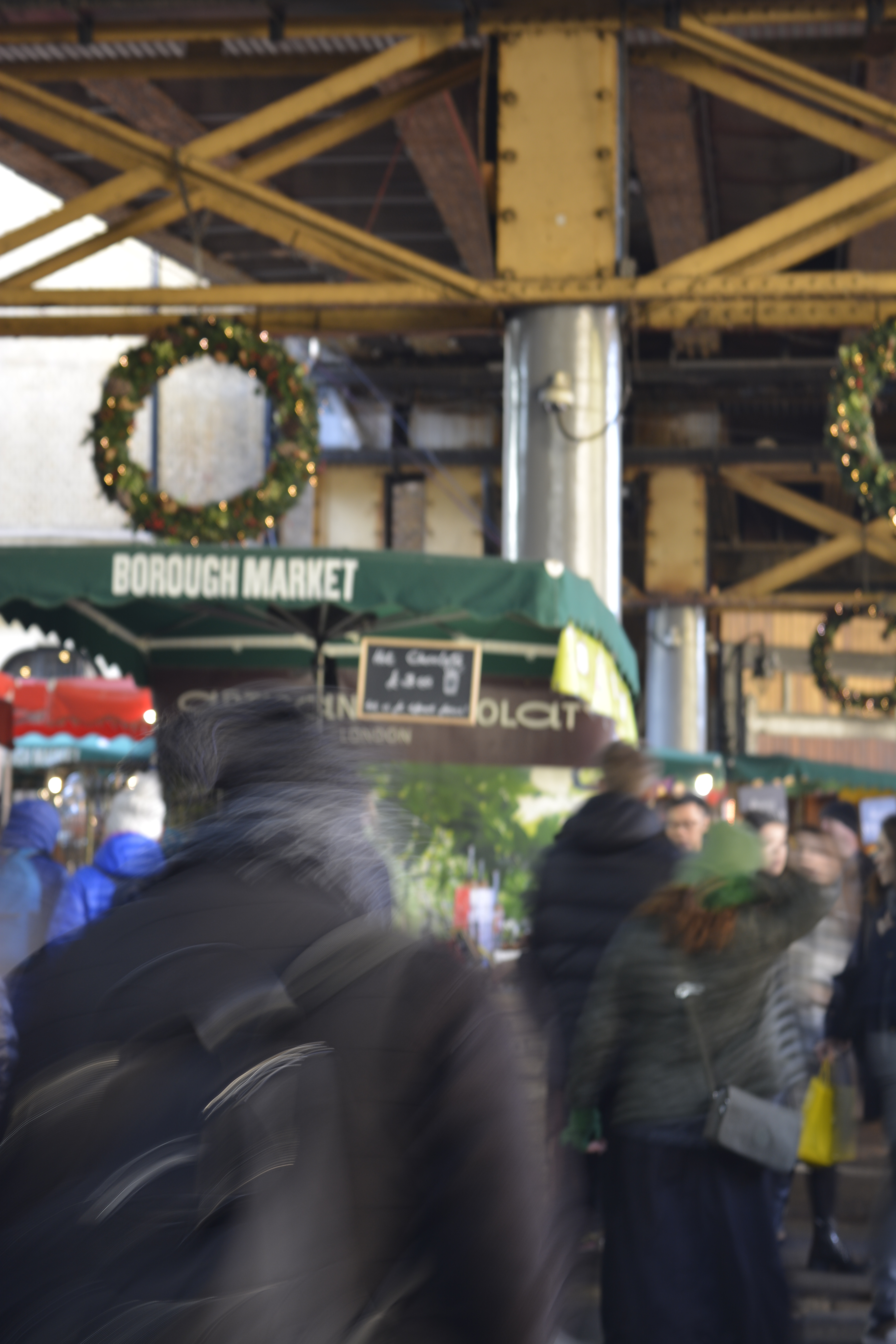
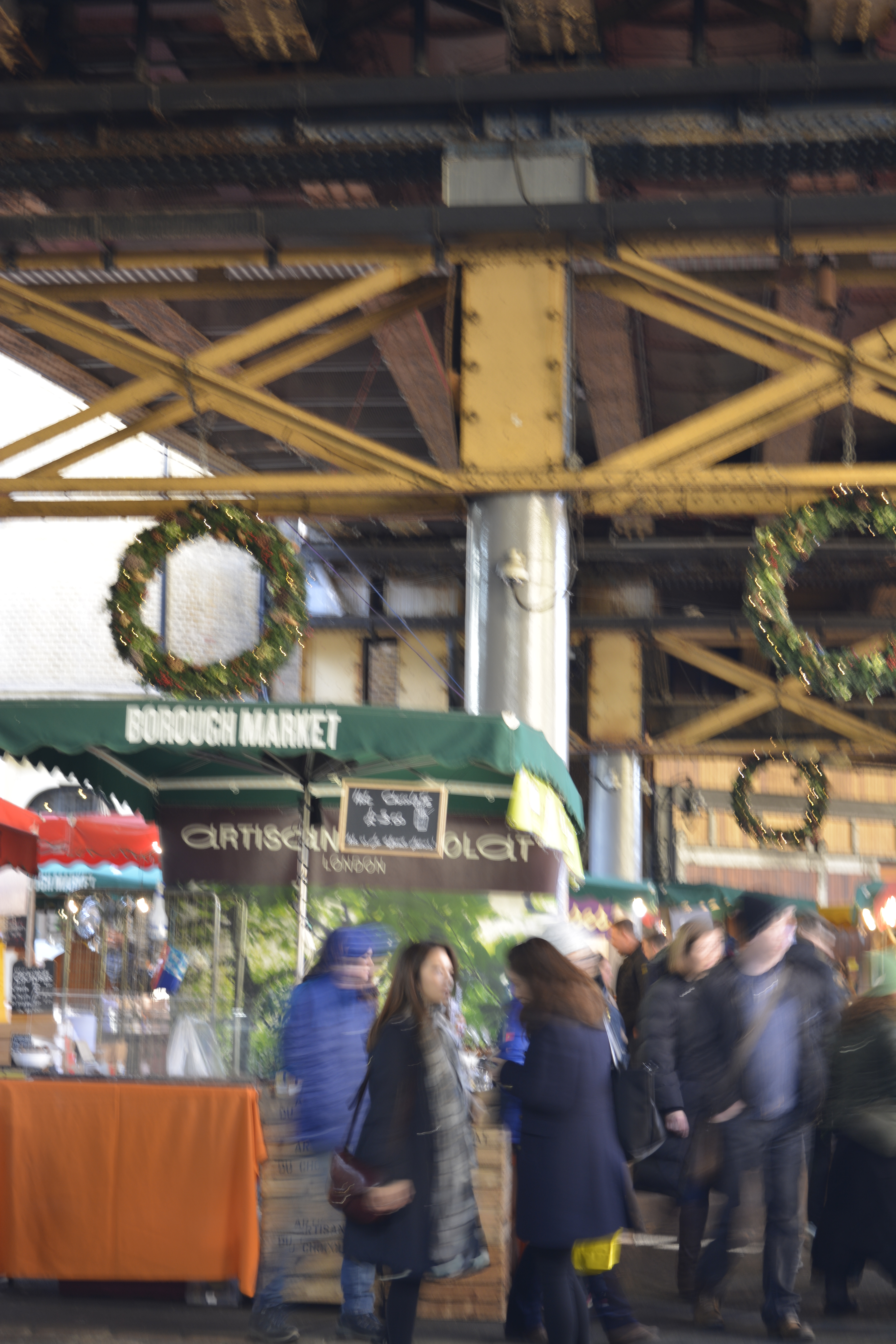
At Borough Market I found it quite hard to position myself with my tripod somewhere that wouldn’t be a trip hazard. A lot of the areas in the market I wanted to photograph, I would have needed to be in the middle of the central walkway or road. I did however find a spot between the market halls that I could set up my tripod safely. This was between a wall and a pillar, so the pillar protected passers-by from my tripod.
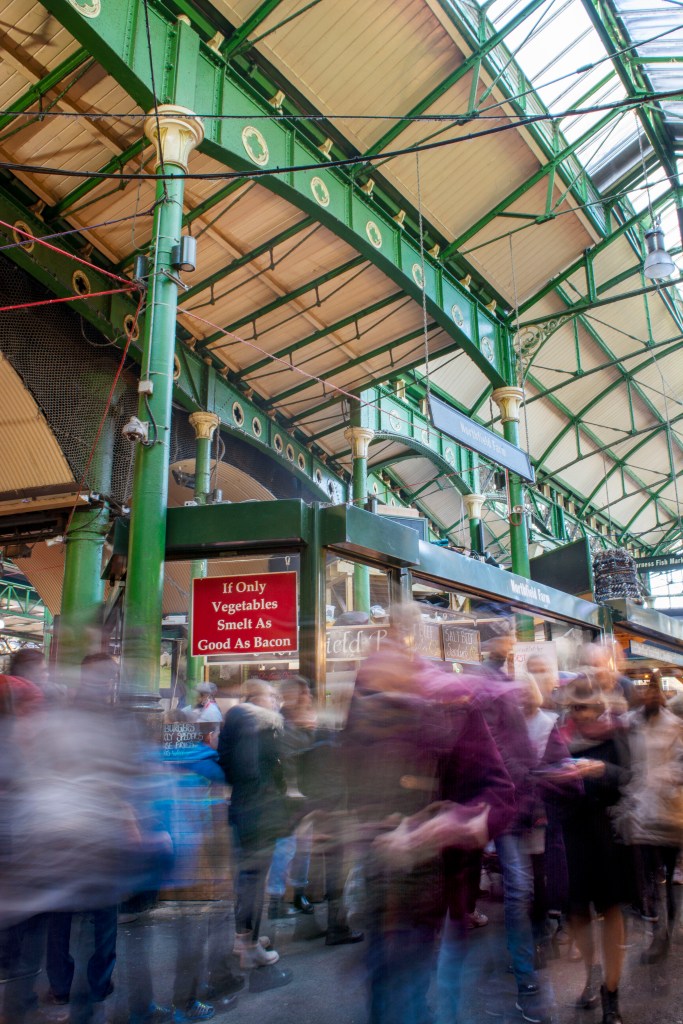
BoroughMarket
F-9 ISO-100 SS-2secs
Using only a two second shutter speed you can make out some of the faces and body parts from the people walking past me.
Again I felt my images were quite dark so I needed to do some work in postproduction to lighten the whole photograph. Perhaps I should of changed my ND filter to ND 8, something to consider for the future.
In post production, before lightening my exposure I sharpened the image. I worked on different layers with masks when brightening the exposure, as I had to keep the top right-hand corner from being overexposed when lightened. Working on the motion blur, I lightened the shadows. This defines the blur and you start to see some faces emerge.
BoroughMarket
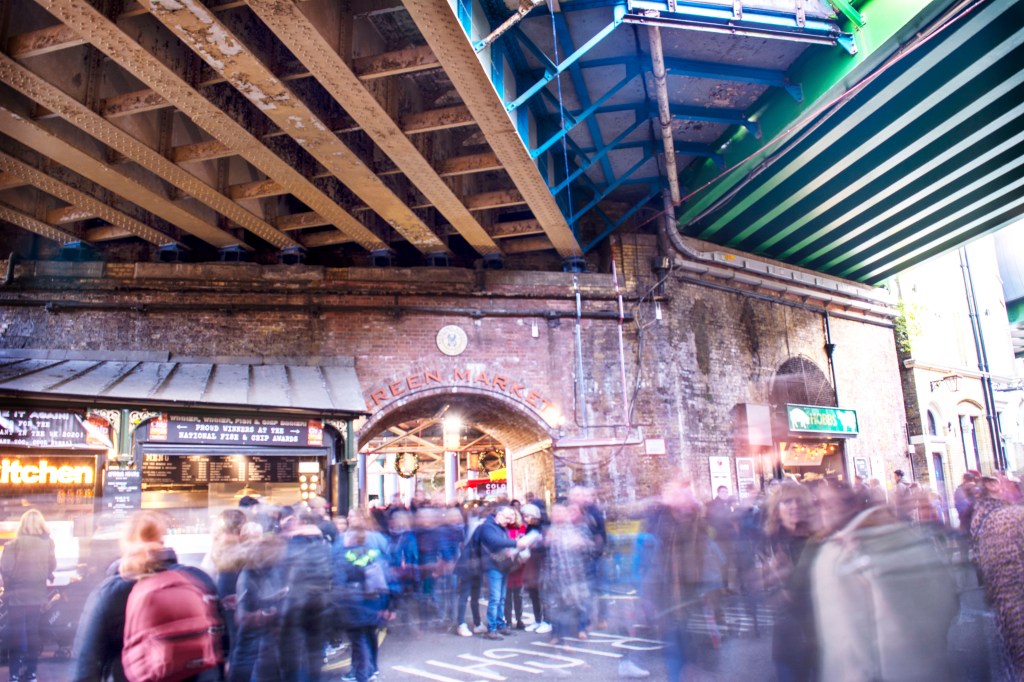
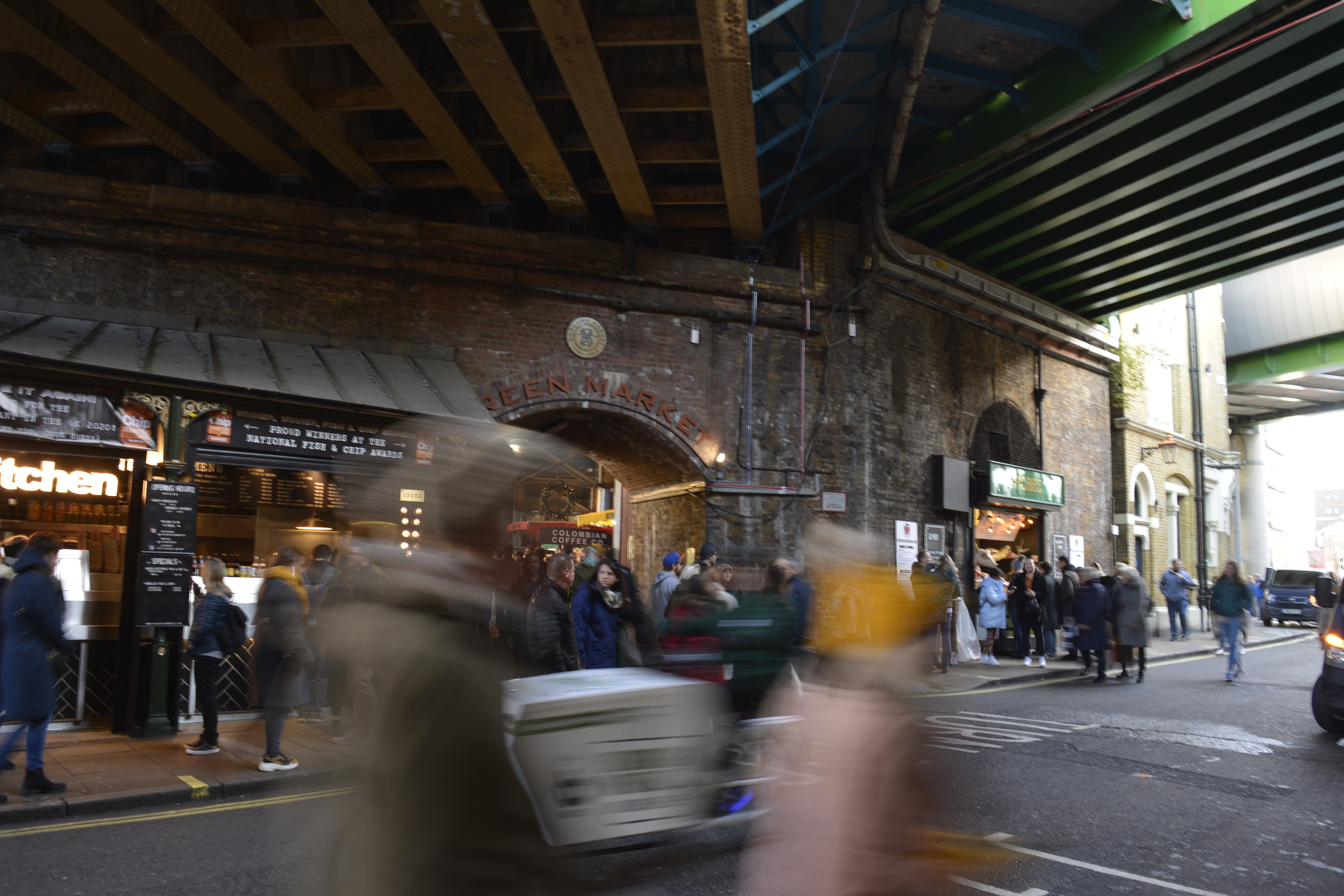
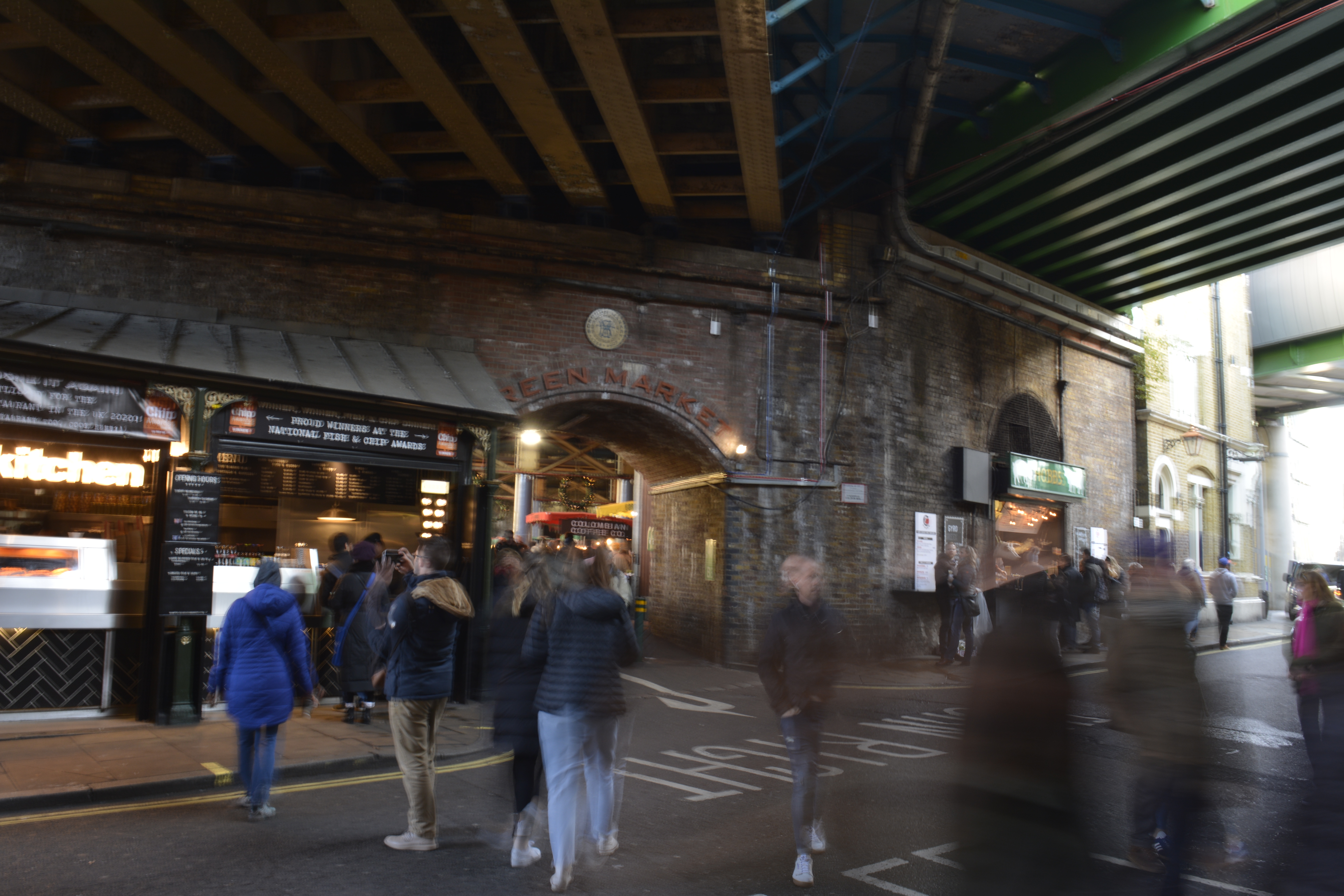
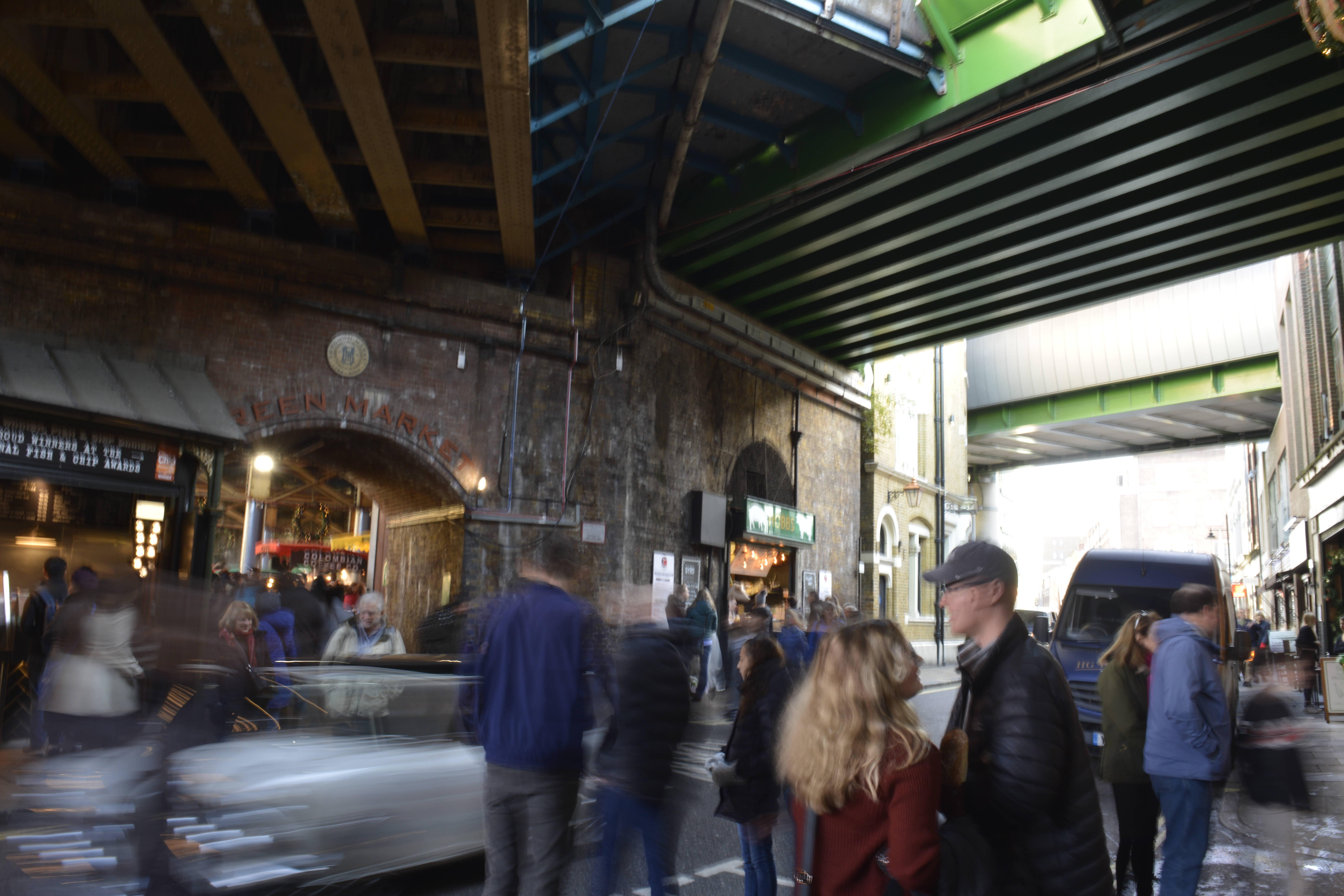
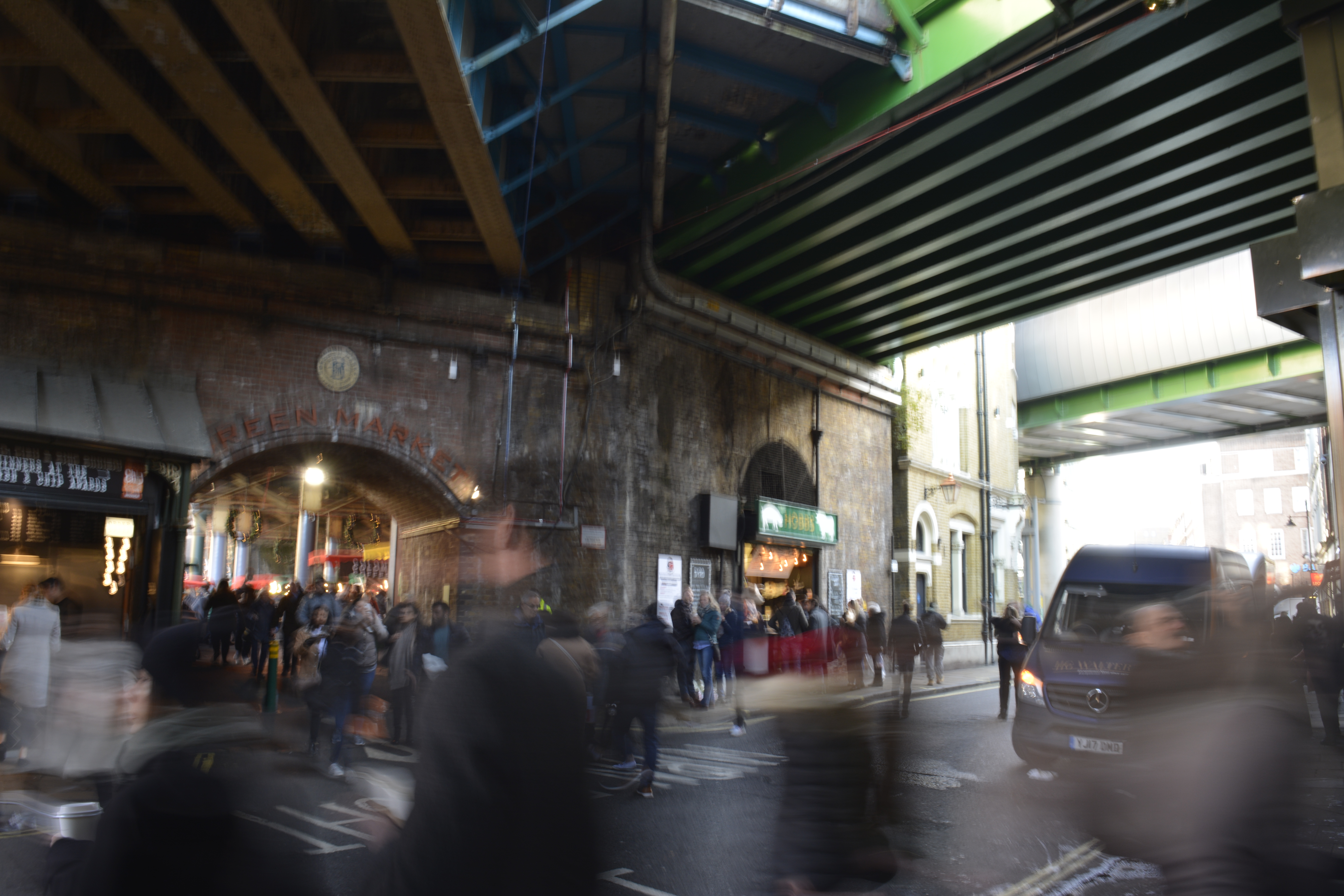
This photograph is my least favourite from my final five. I had planned to photograph five different areas however I ran out of time and decided to use this photograph also taken at Borough Market. Shot from the same spot as the above photograph, This was the view behind me so I picked up the tripod and turned 180°.
Situated under the railway bridge, this made for some great lines from the iron beams. The converging lines bring the viewers eye down towards the centre of the photograph focusing on the central brick arch and motion blur.
BoroughMarket
F-5.6 ISO 100 SS-4secs
It was quite dark under the bridge, so I was trying to let as much light come through as possible by using a lower aperture of F stop 5.6. Using a shutter speed of four seconds helped with letting more light in however the original image was still quite dark. Thinking about it now I probably should have changed the ND filter to a lower number filter, to let in a bit more light. Therefore I wouldn’t have had to do so much brightening in postproduction.
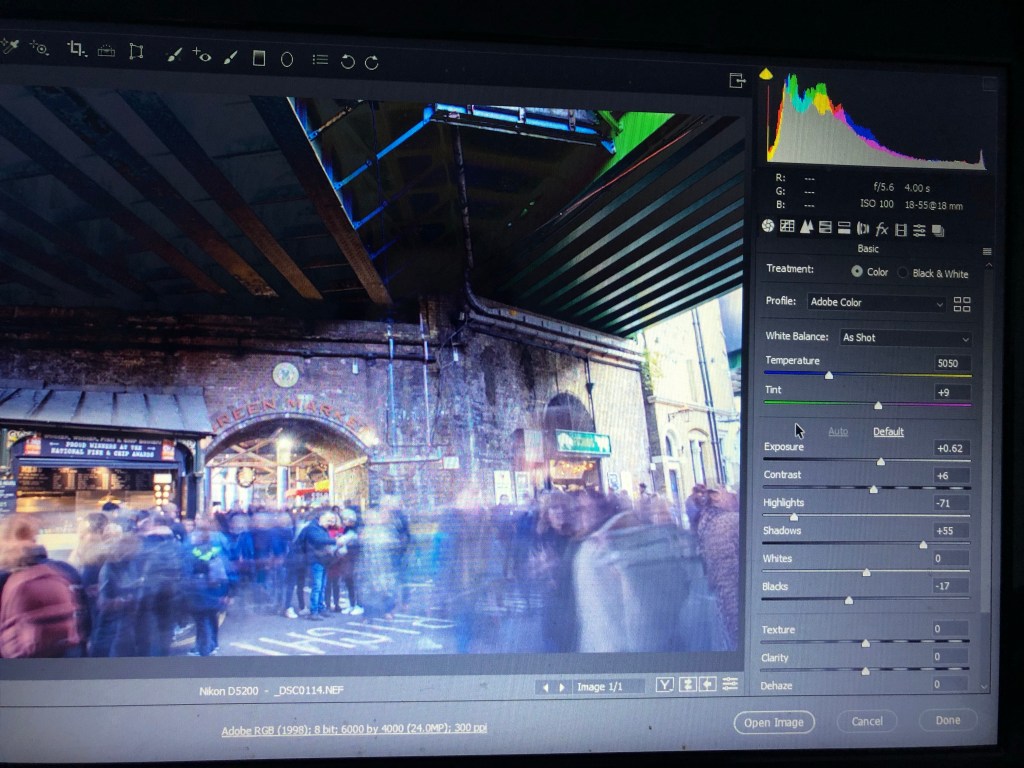
In post production I initially sharpened the photograph and used the auto button in camera raw to help guide me with the exposure, highlights and shadows on this photograph. In photo shop, I then proceeded to lighten more of the image as I felt it was still a little too dark. I wanted to see more of the lines under the bridge. I had to darken a few areas where the sun was shining through.
After doing post production on this image, I do feel that I have over done it a little across the central part. I have lighten too much and therefore lost some colour in the process, however I do like the green that I have pulled back from the metal beams.
Screen shot from camera raw
I didn’t manage to do any test prints before I sent my final photographs off to the printers, maybe that is something I might do in the future, to really confirm I am making the right paper choice. I decided to go for a Fuji velvet mat paper. I knew I wanted to keep the paper type basic, so not to distract from the detail in the images.
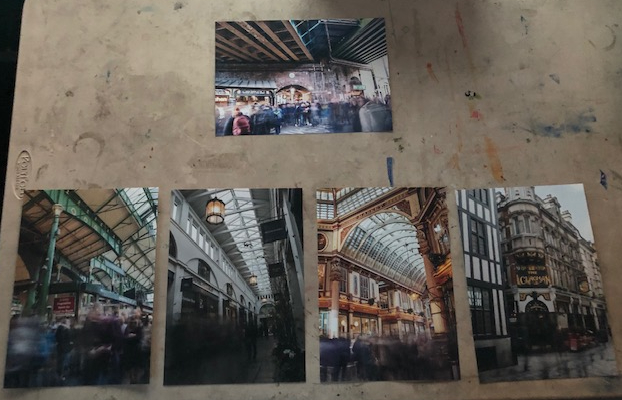
The photograph below shows how I would arrange my final five images on a wall for display. I feel if all images were taken with a portrait view they would have all sit nicely together. However as one image is landscape I have set it above the other four. This allows it to sit alone above, yet leads into the other four, almost like a preview before the other stronger images.
I have taken a lot of inspiration from Alexey Titarenko’s work. I have tried to re-create similar photographs combined with my ideas for the project. Using the motion blur of people, just like Titarenko, but in my photographs I am conveying the busy lives of people passing beautiful structures and land marks. It has been a little restricting with where I position myself to photograph, this has played a big factor in planning locations and compositions.
I have made many mistakes throughout this project like my time management, knowledge of Photoshop and remembering to charge batteries. However I am going to use them as a learning curve to take forward in my next project. Generally I am pleased with my outcome and I will definitely continue experimenting with motion blur and slow shutter speeds.
Knowing that Borough Market is always busy I thought this would make for some good motion blur of people. Under the railway makes for some good structural lines and brickwork.
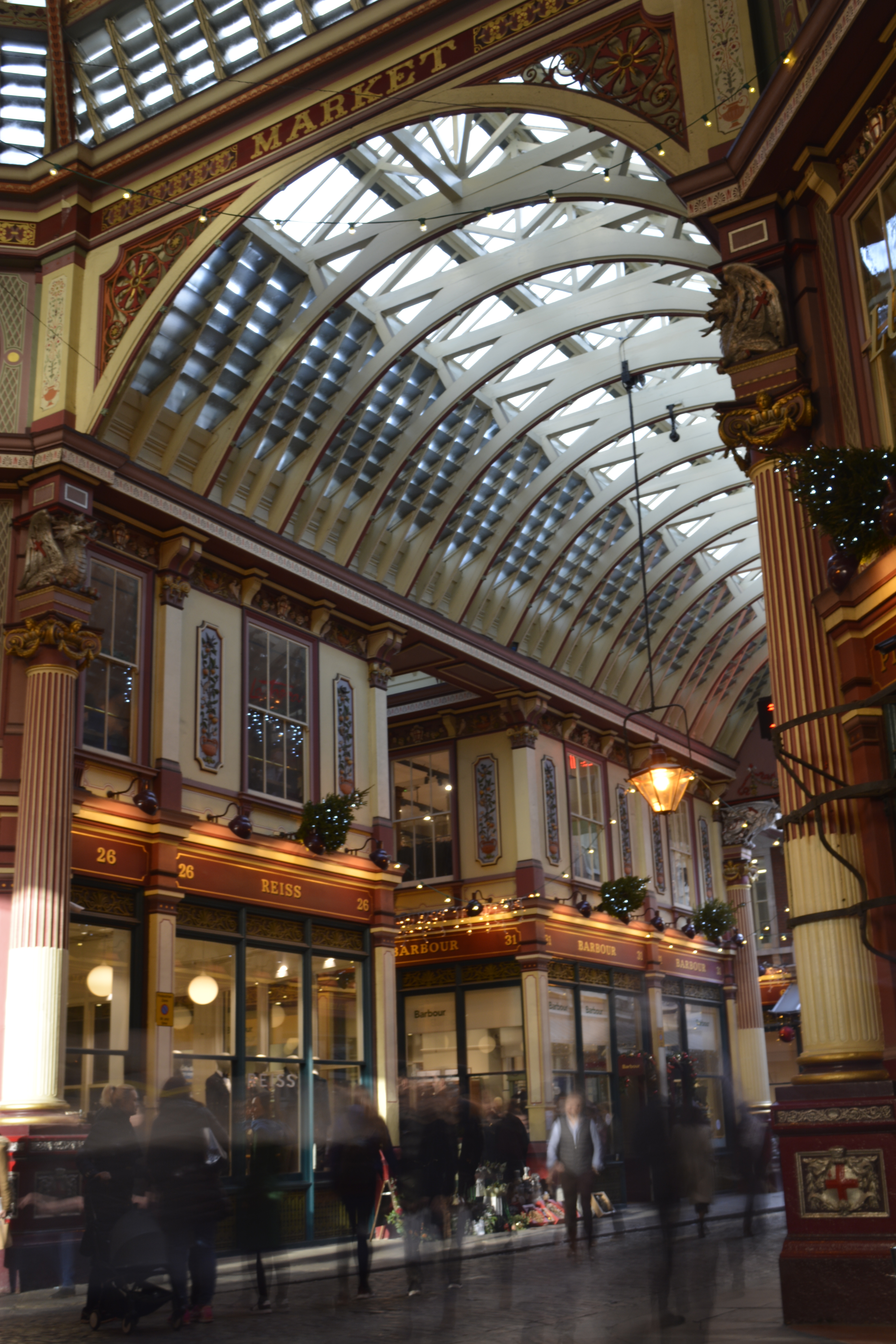
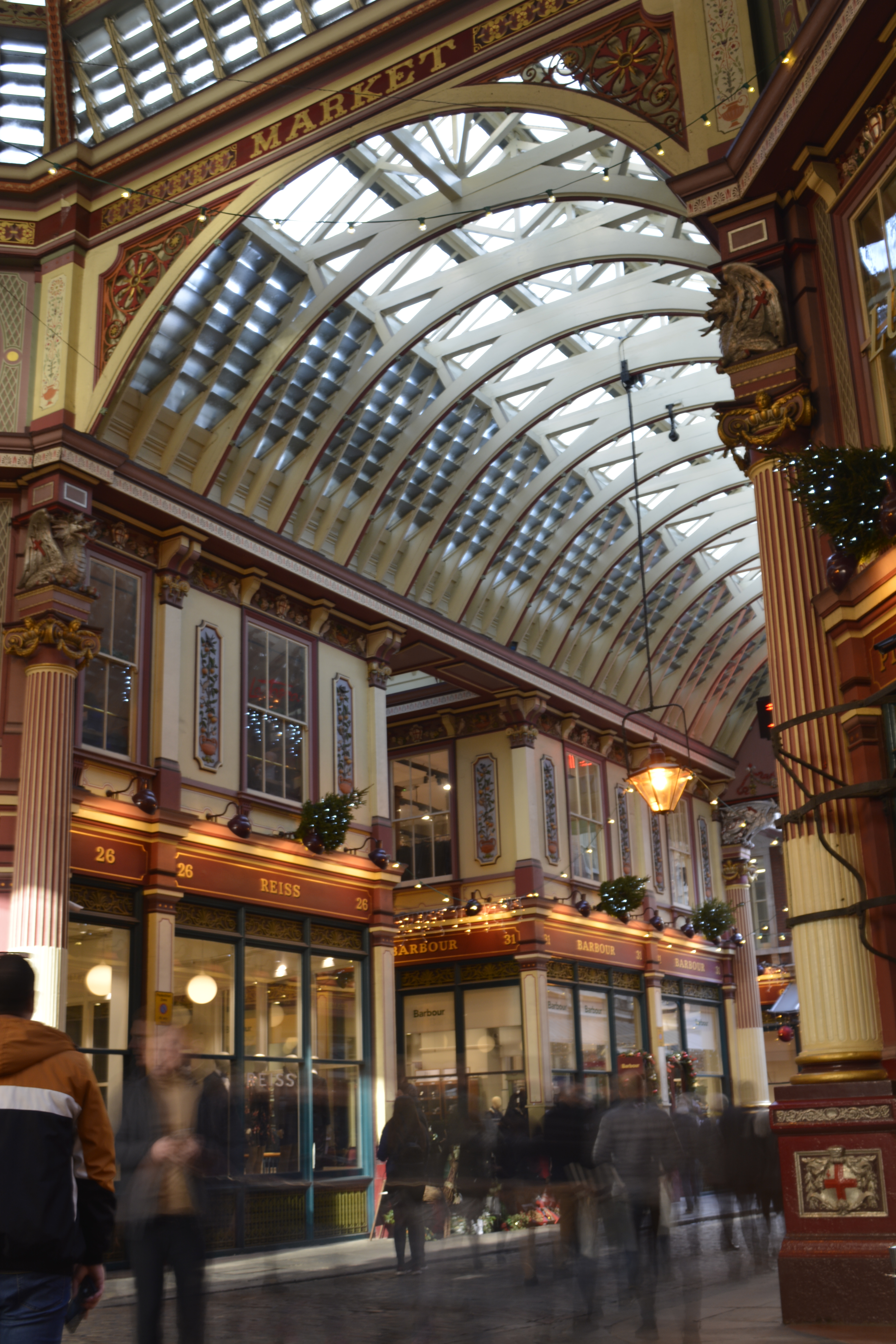
Leadenhall Market
I had always seen pictures of Leadenhall Market but had never been there. Steeped in history, this Indoor market was a great location for the architecture and flow of people. Now it’s more of a place to go and grab food, so when I visited at a lunchtime I captured some great motion blur of tourists and city workers on their lunch break.
Within both these areas I am happy with some of my results. I have managed to capture my idea of moving people and stationary scenery.
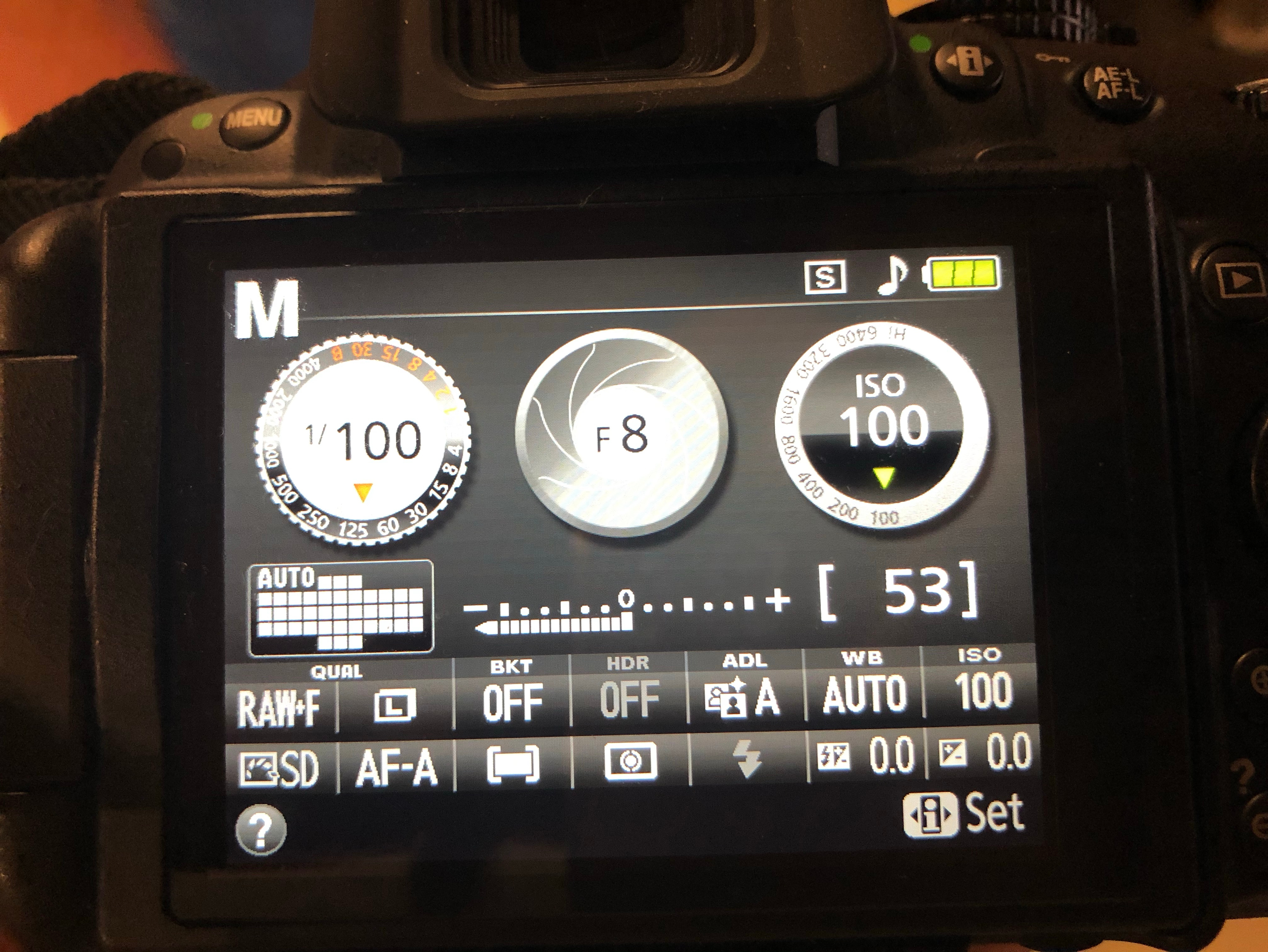
General go to settings when doing a studio shoot are as follows, Shutter Speed 100, F-Stop 8, ISO 100. After finding and setting your correct lighting, changing your Aperture will also help with getting a correctly exposed photograph.
Initial camera settings
Black Background
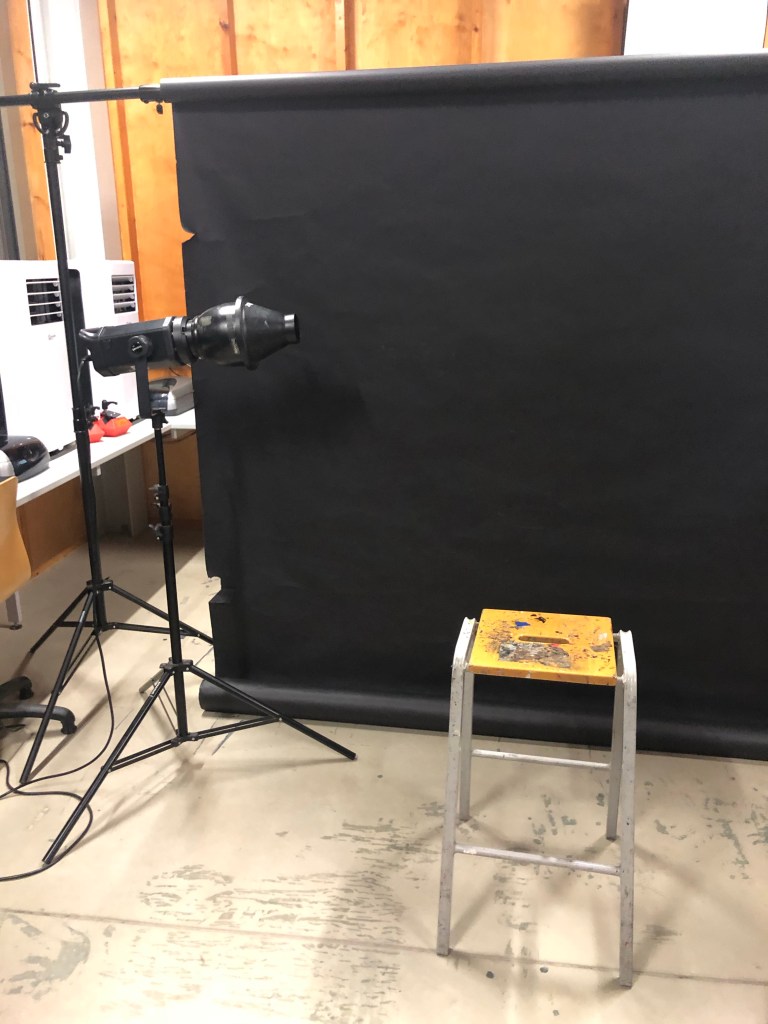
For this set up I used a black paper backdrop , one light source and a stall for the model to sit on. (See photo below).
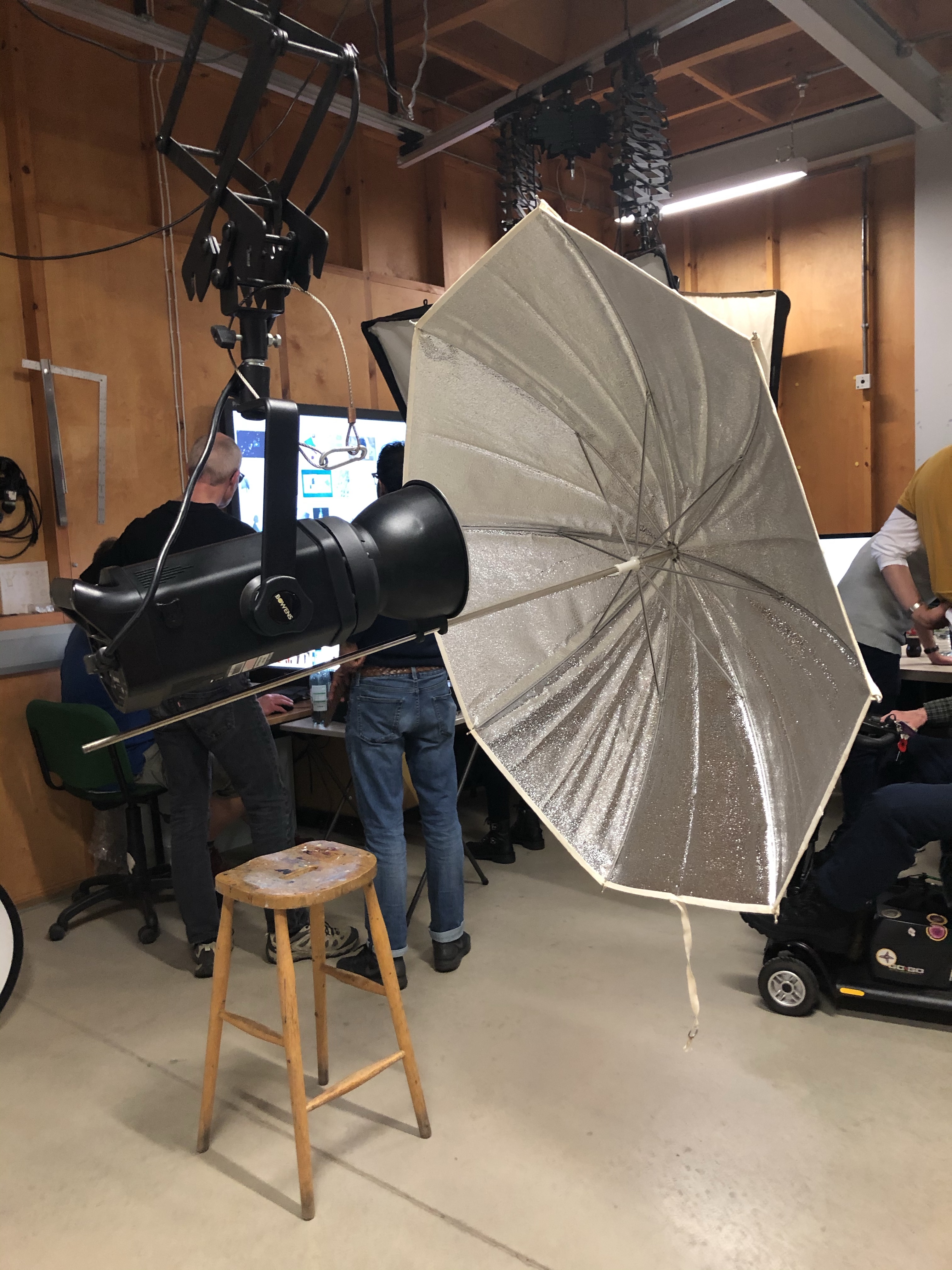
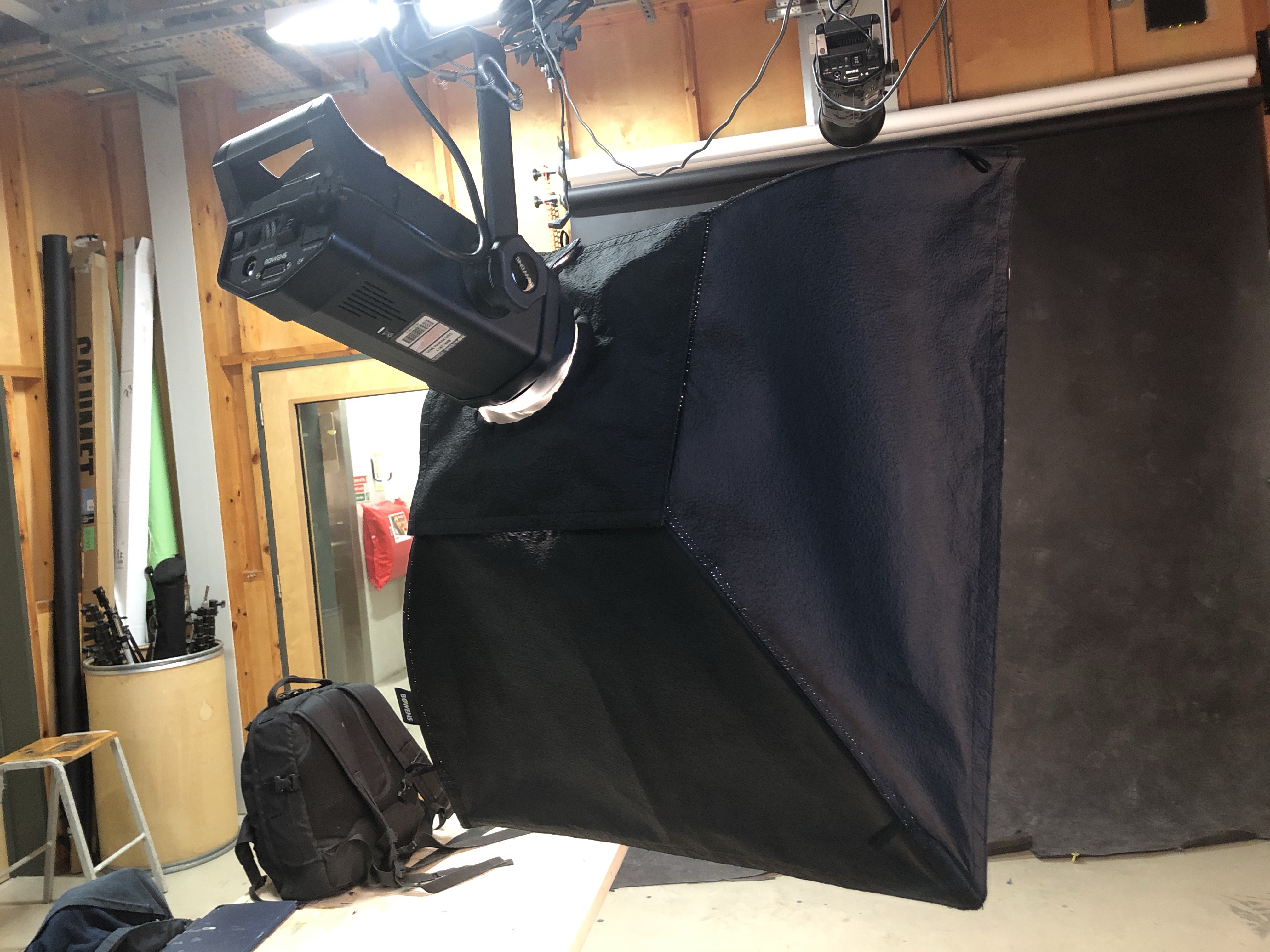
Lighting set up with Snoot attatchment
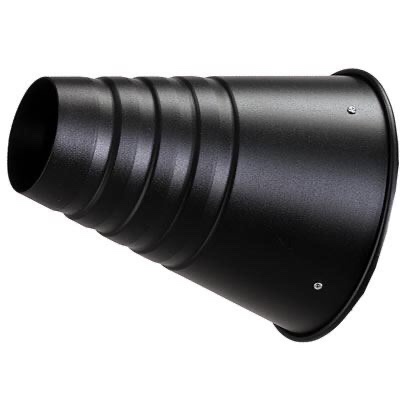
To achieve a harsh light, source I have added a snoot attachment to the modelling lamp. This has a smaller opening which controls the beam of light, ideal for directing the light on specific areas.
Snoot attachment
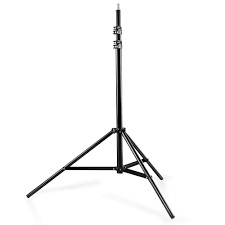
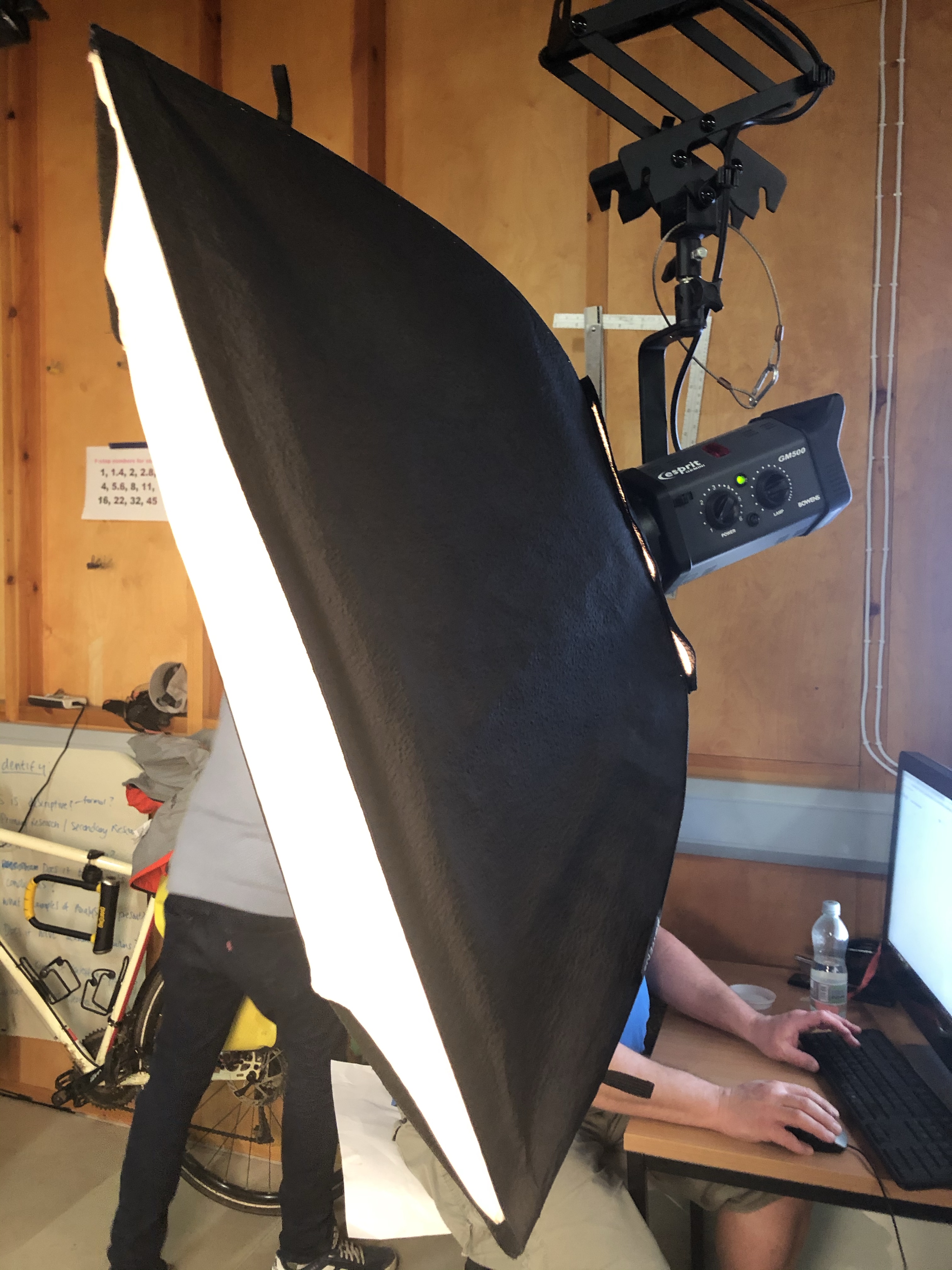
In a studio set up, most lights are suspended from the ceiling on pantographs. However if this is not available to you, or you wish to make a studio set up, most modelling lamps or flashguns can be mounted on a suitable tripod with an adapter. The hazard with using a tripod is tripping over. The lead and the legs can cause this, so make sure excess wires are taped down and tripods positioned safely.
Tripod
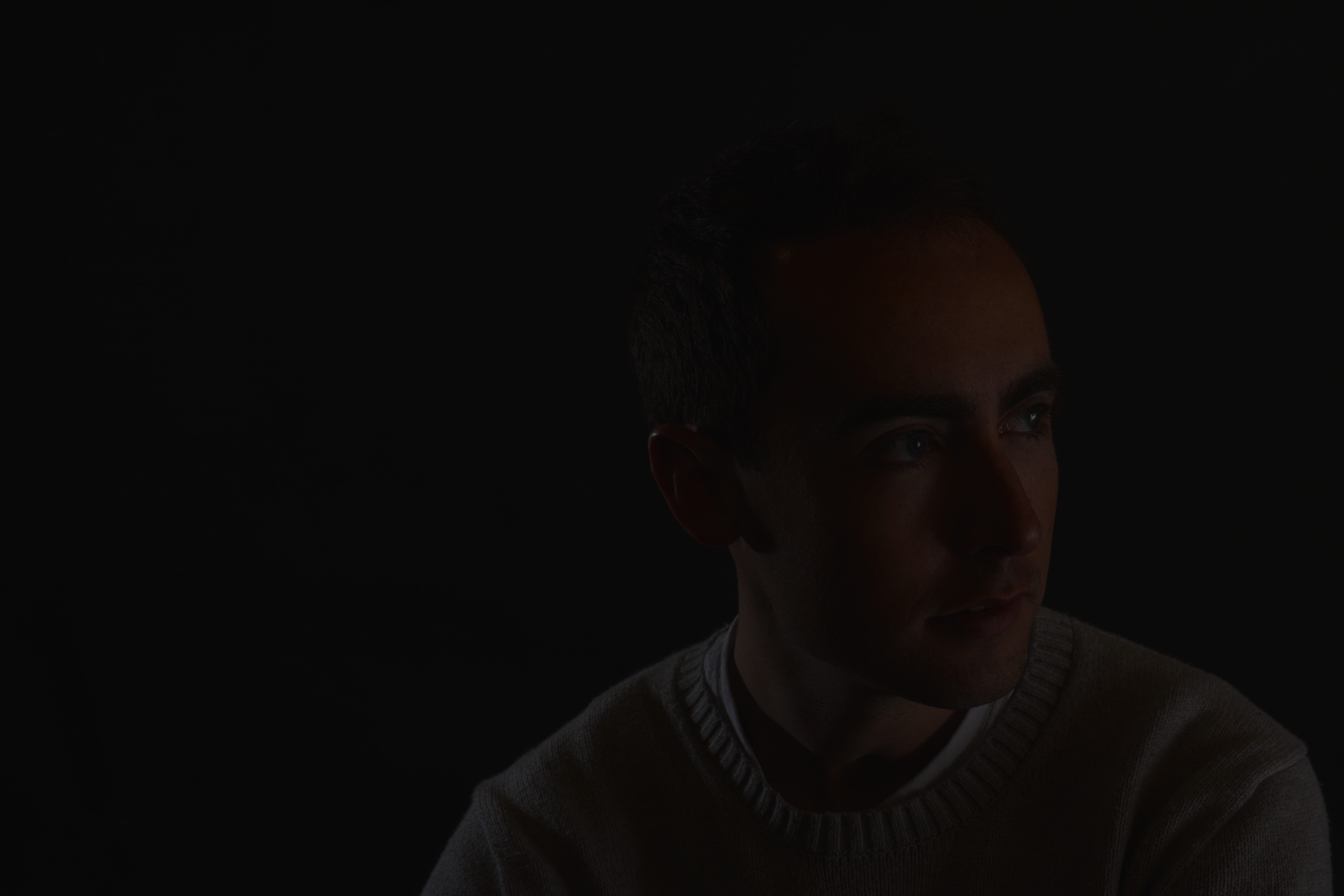
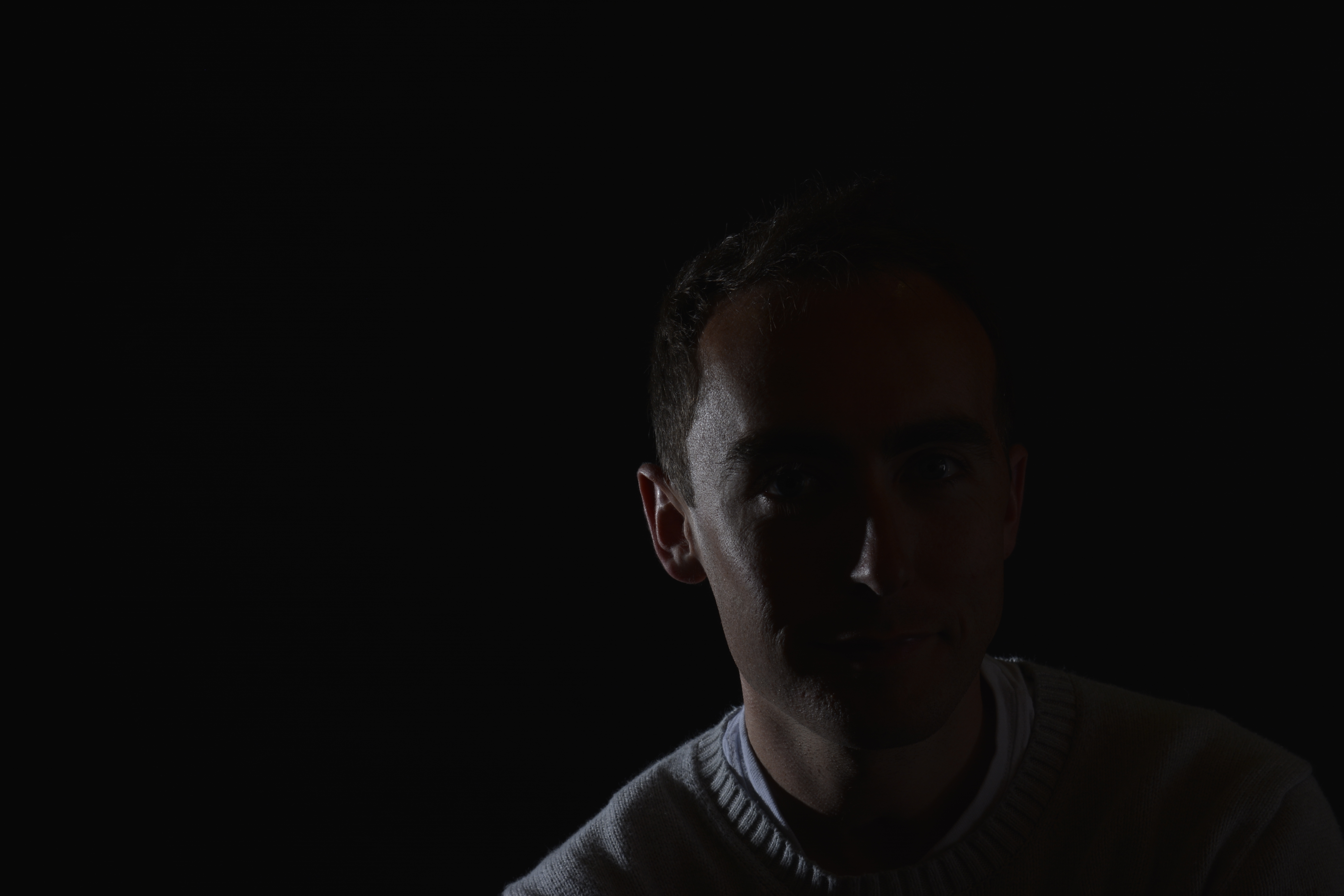
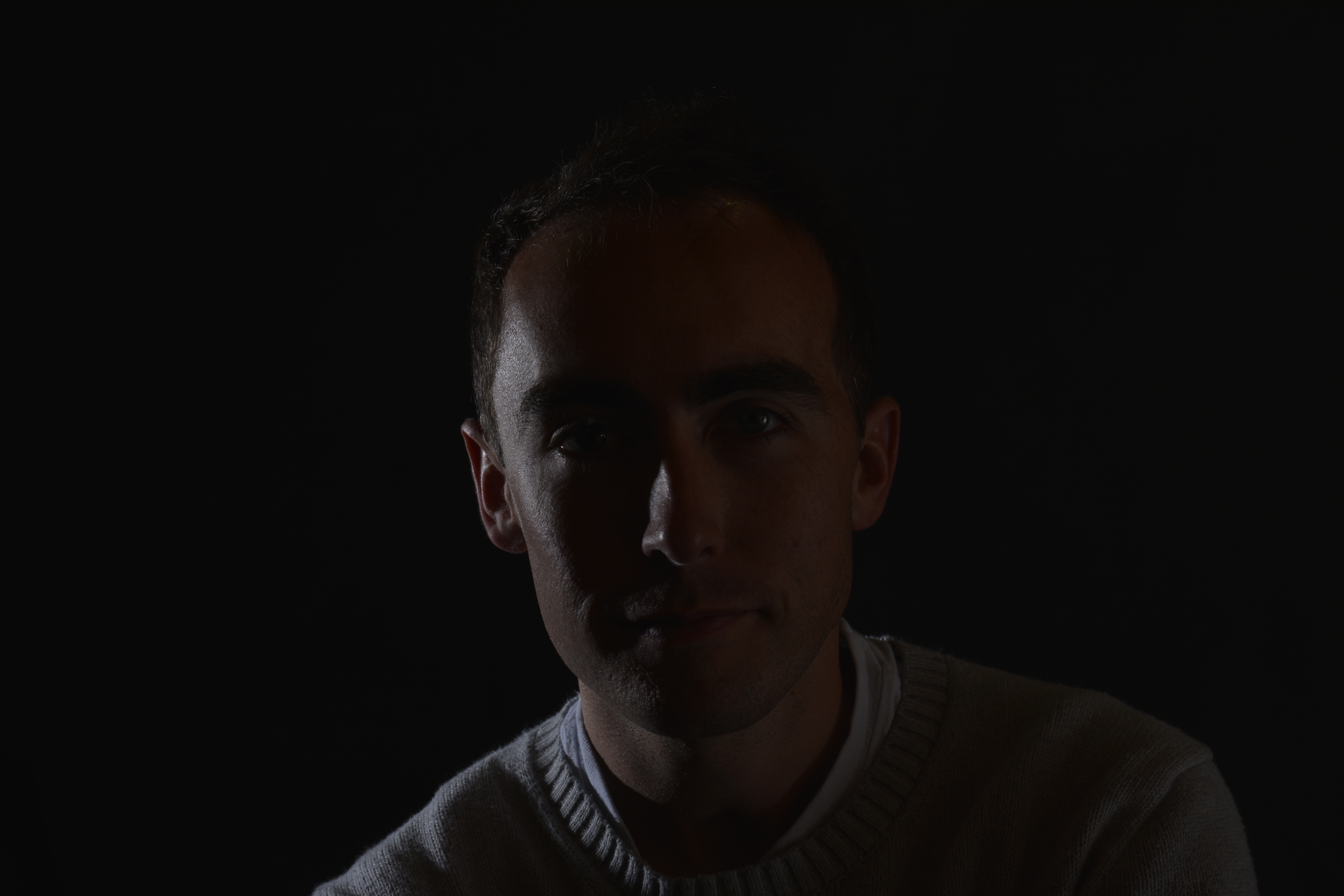
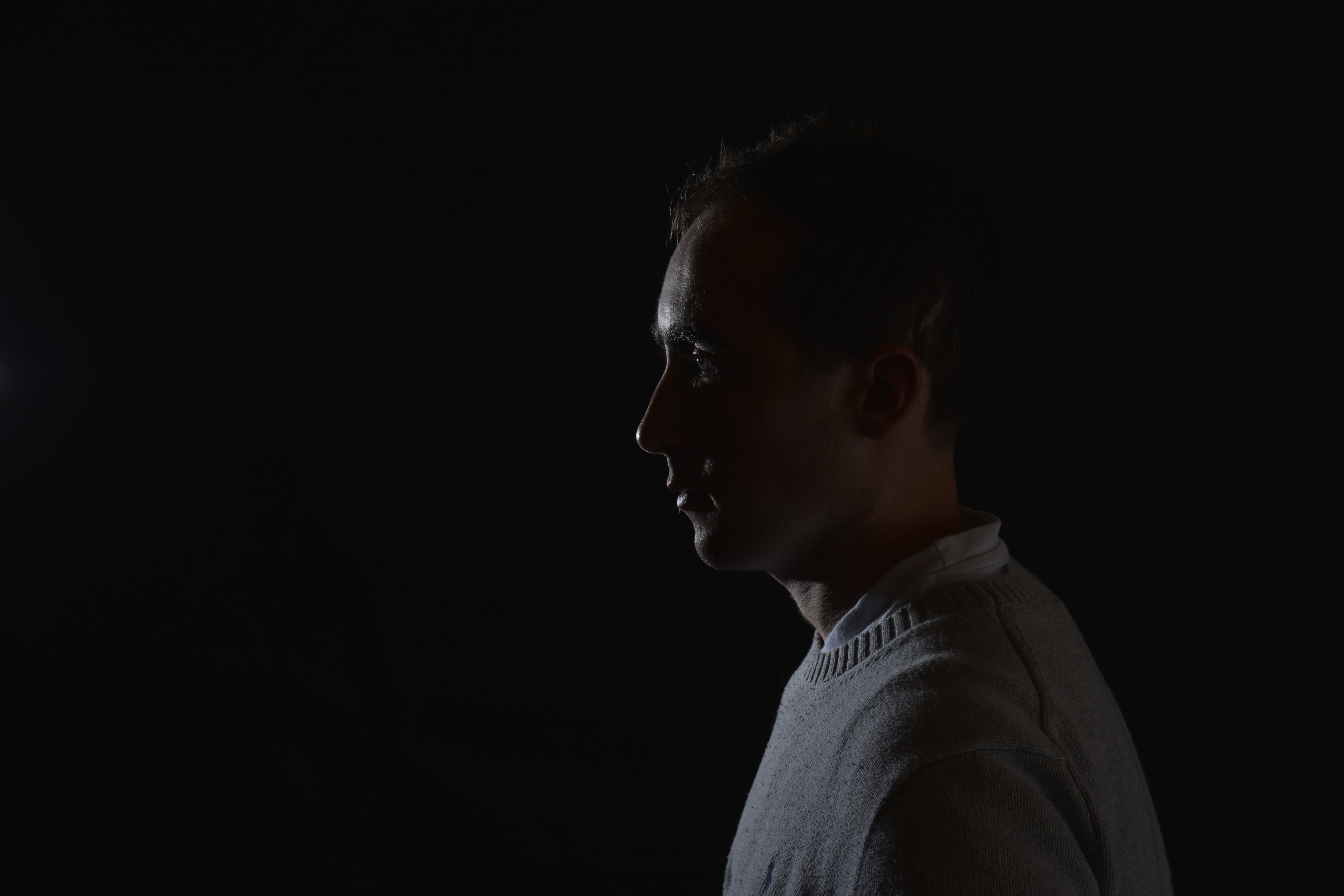
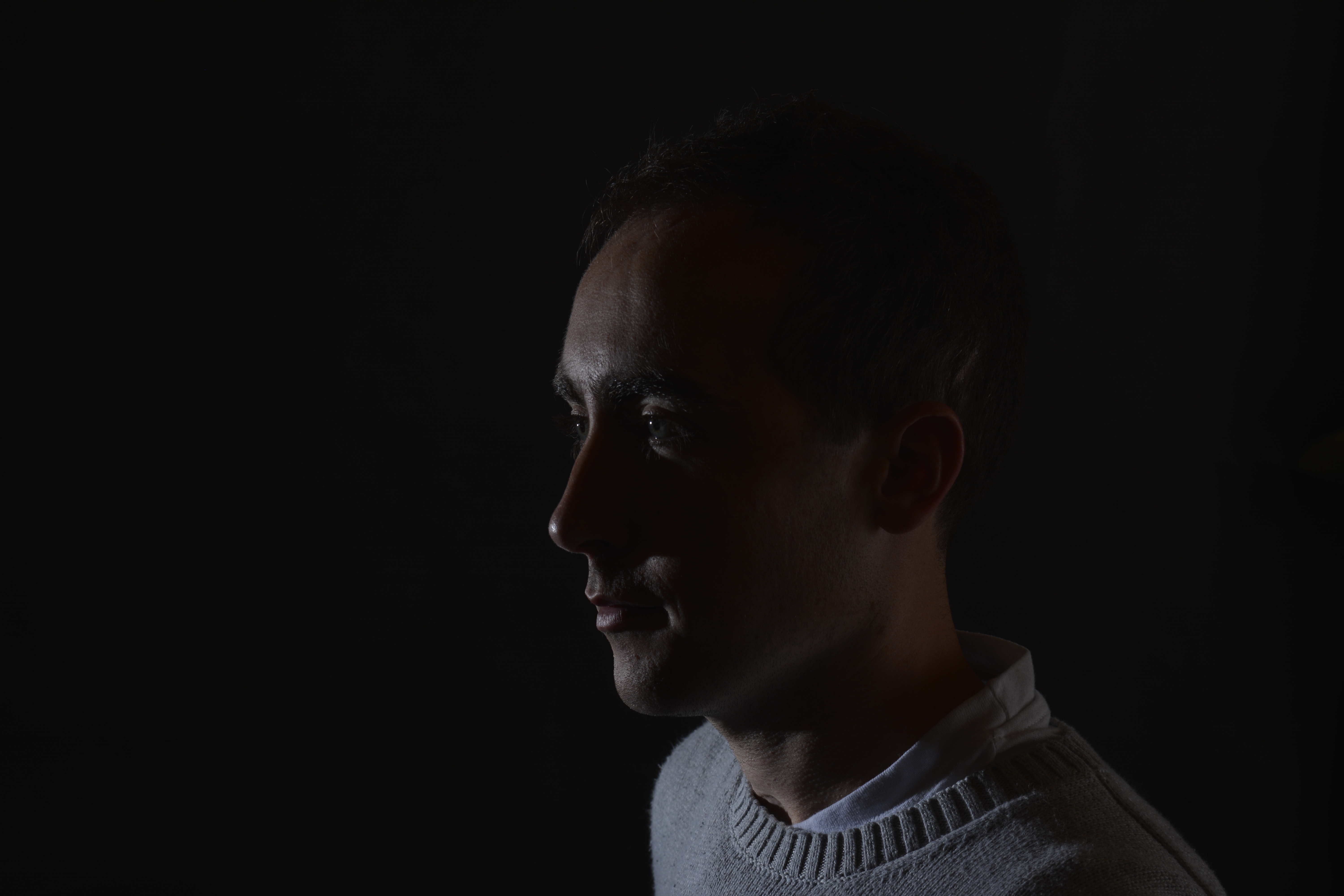
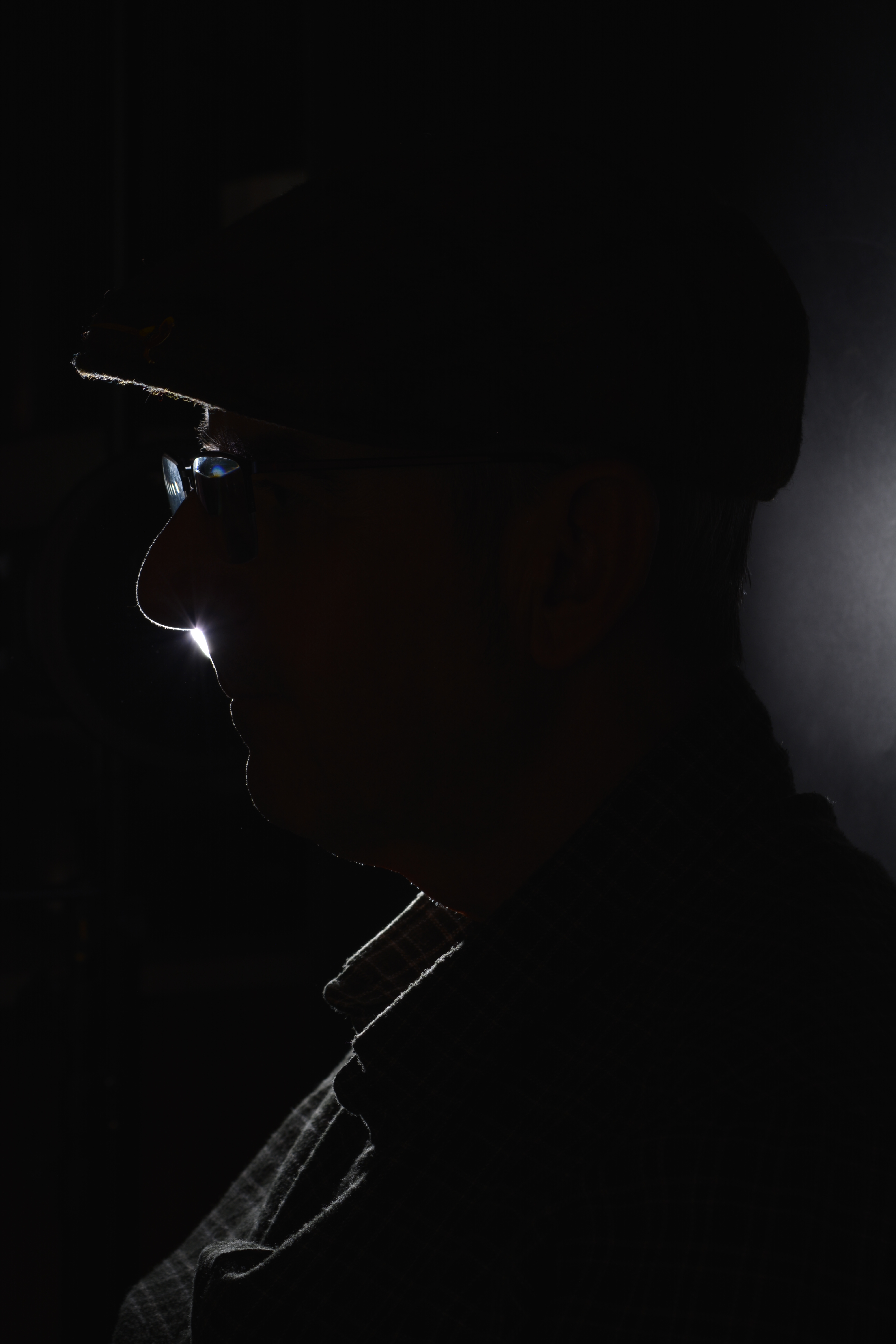
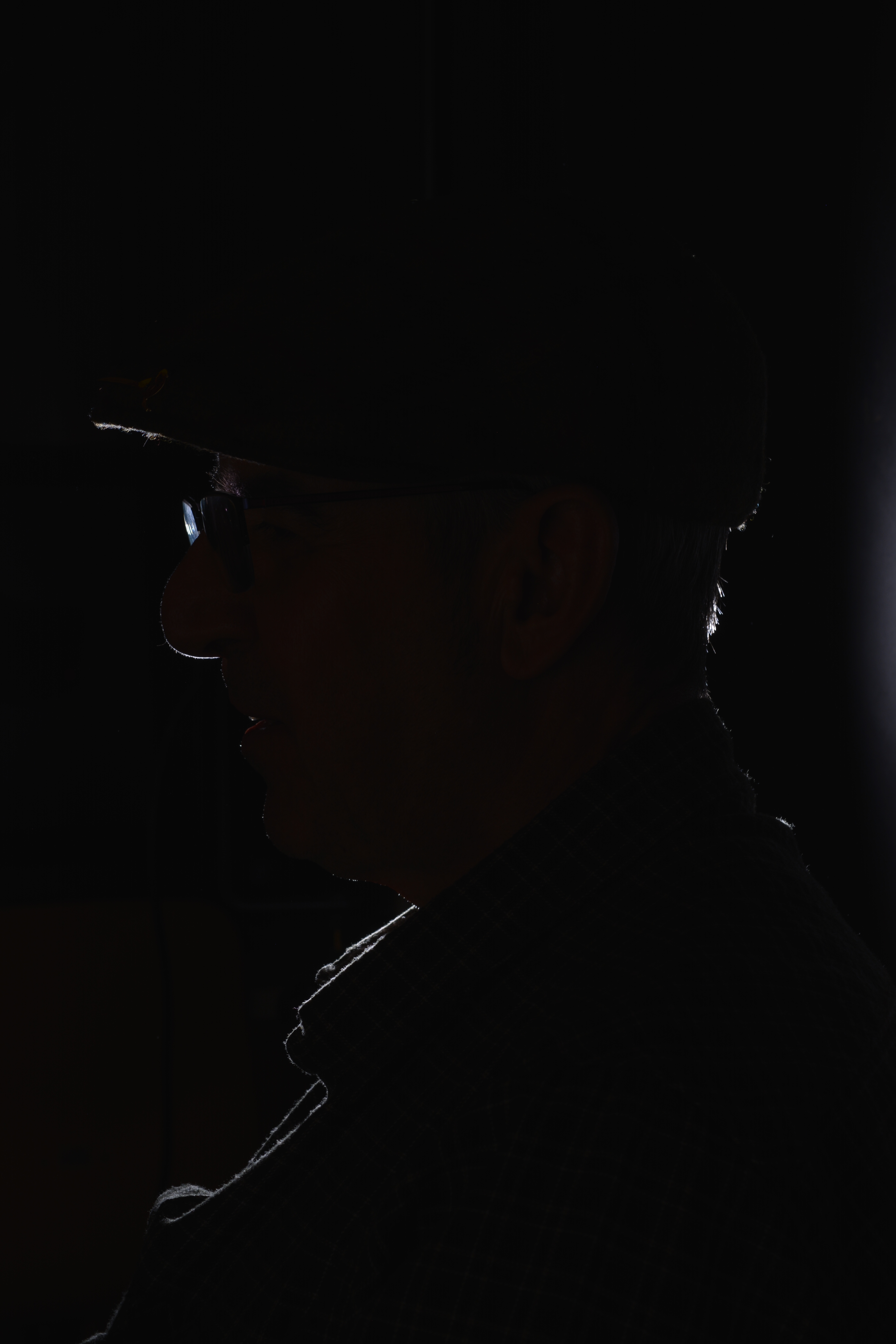
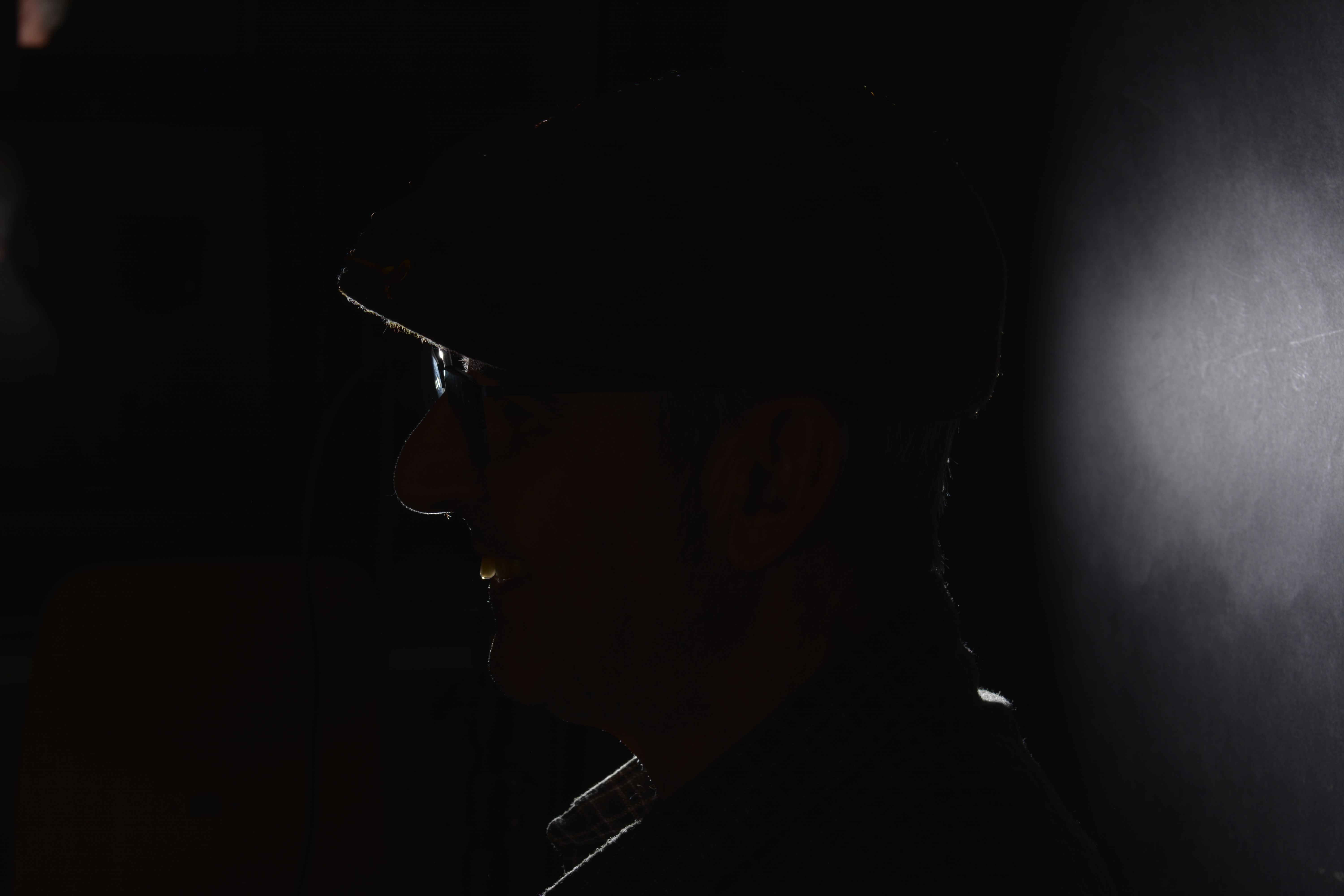
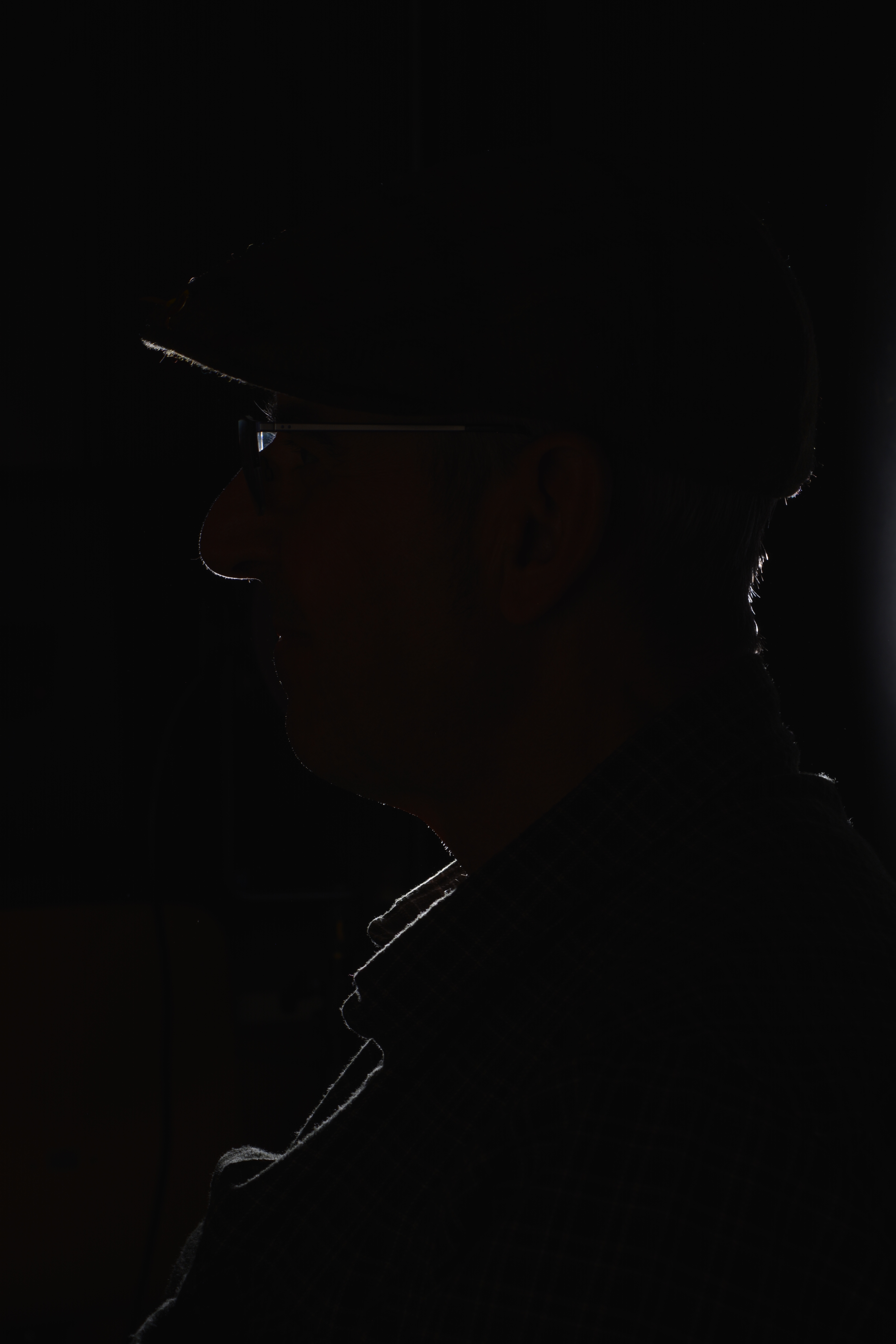
These three photographs below show the key light gradually getting brighter with each picture. Starting at a low light level of number 1 until the desired lighting level is reached.
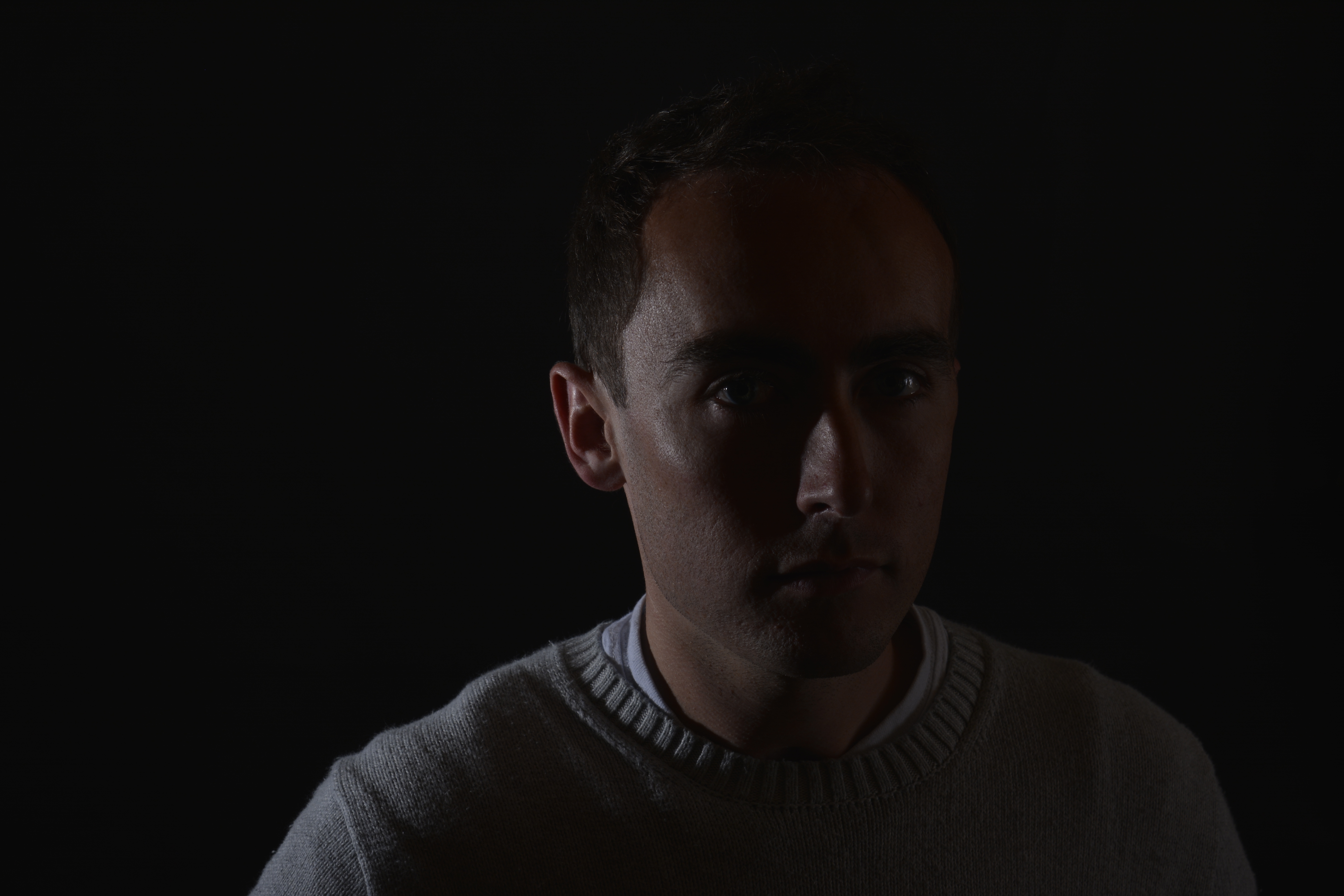
Below the key light is getting to a better strength level of level 4. You need to take test shots to see what to adjust to get the desired effect and a correctly exposed portrait.
Rim Lighting
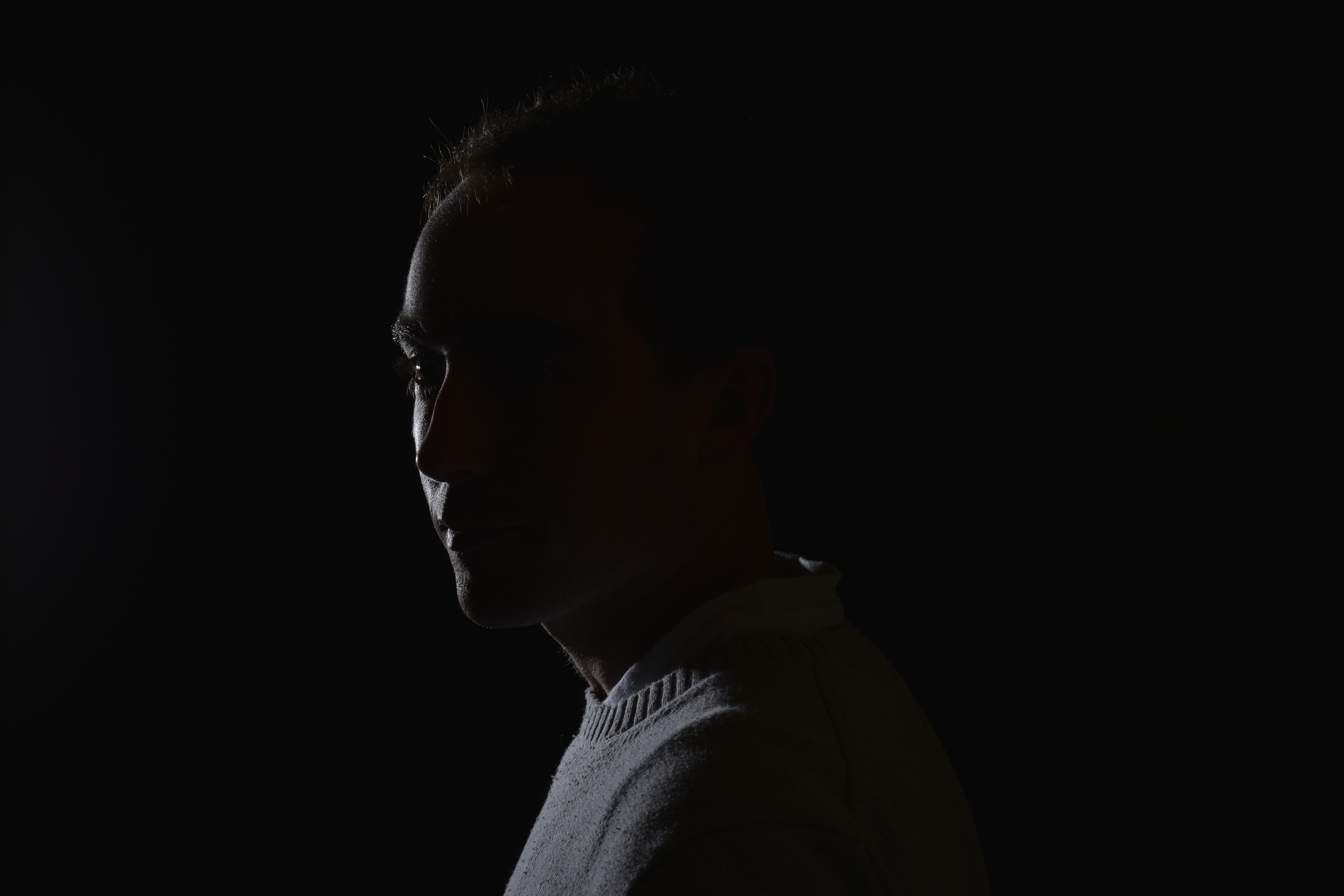
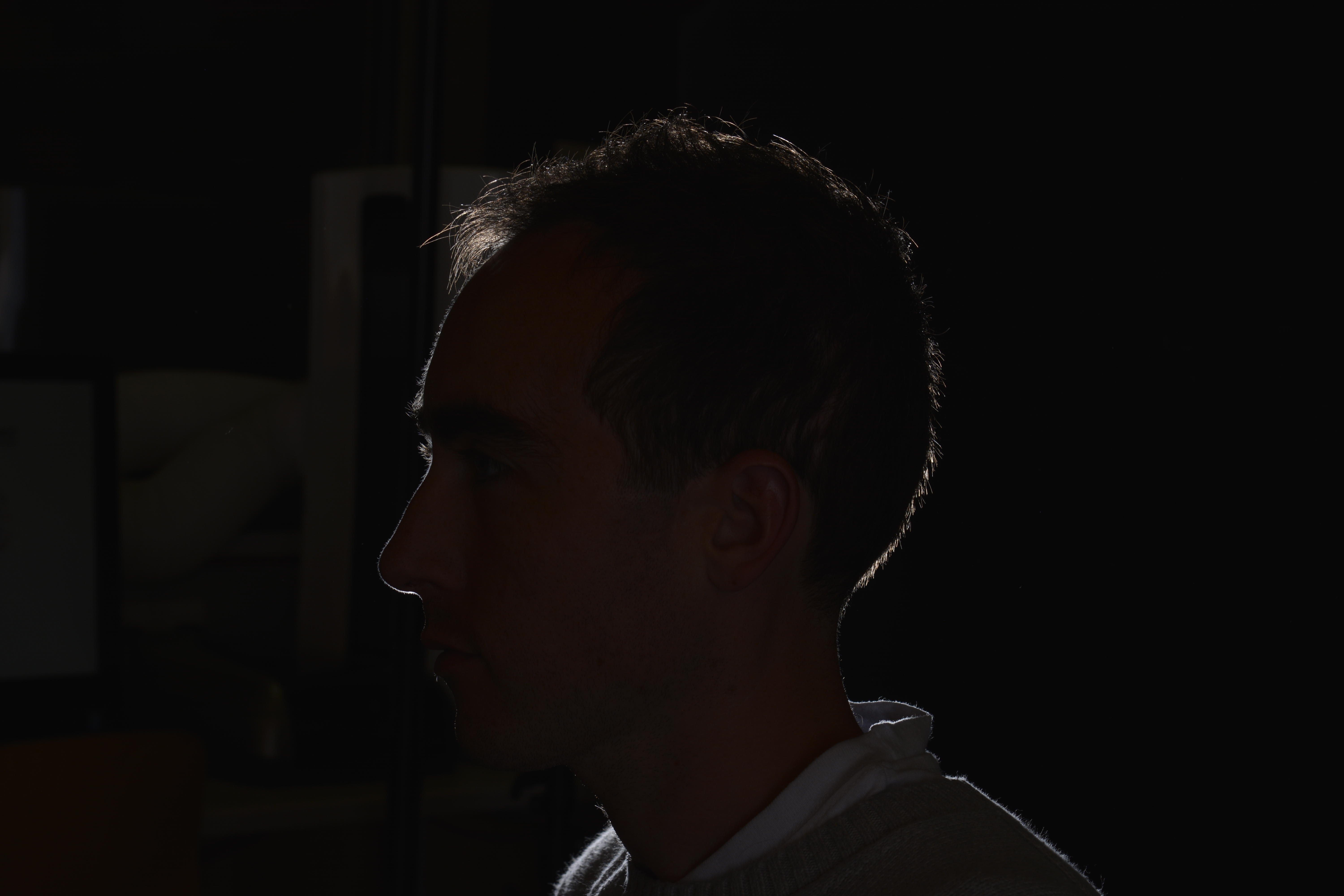
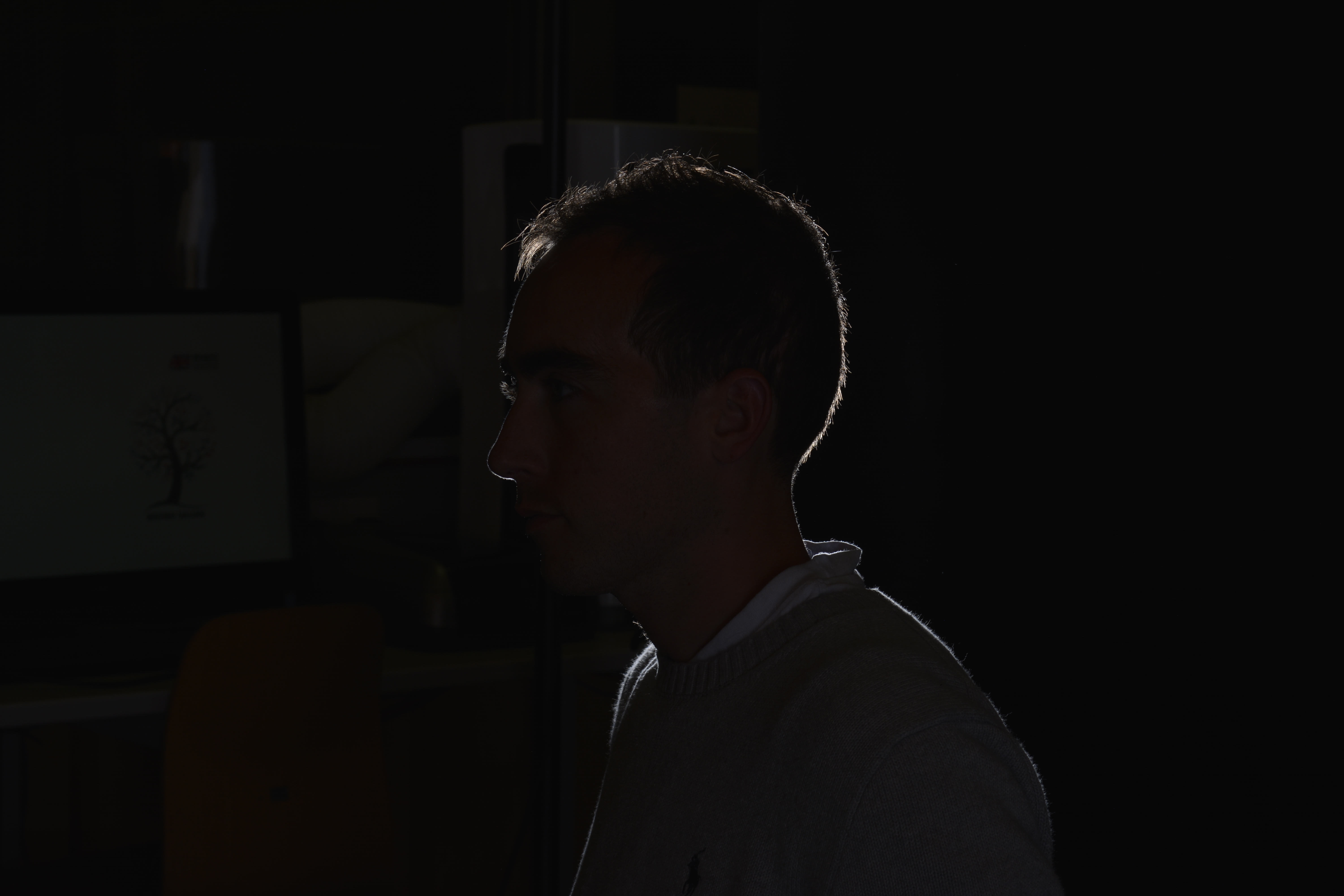
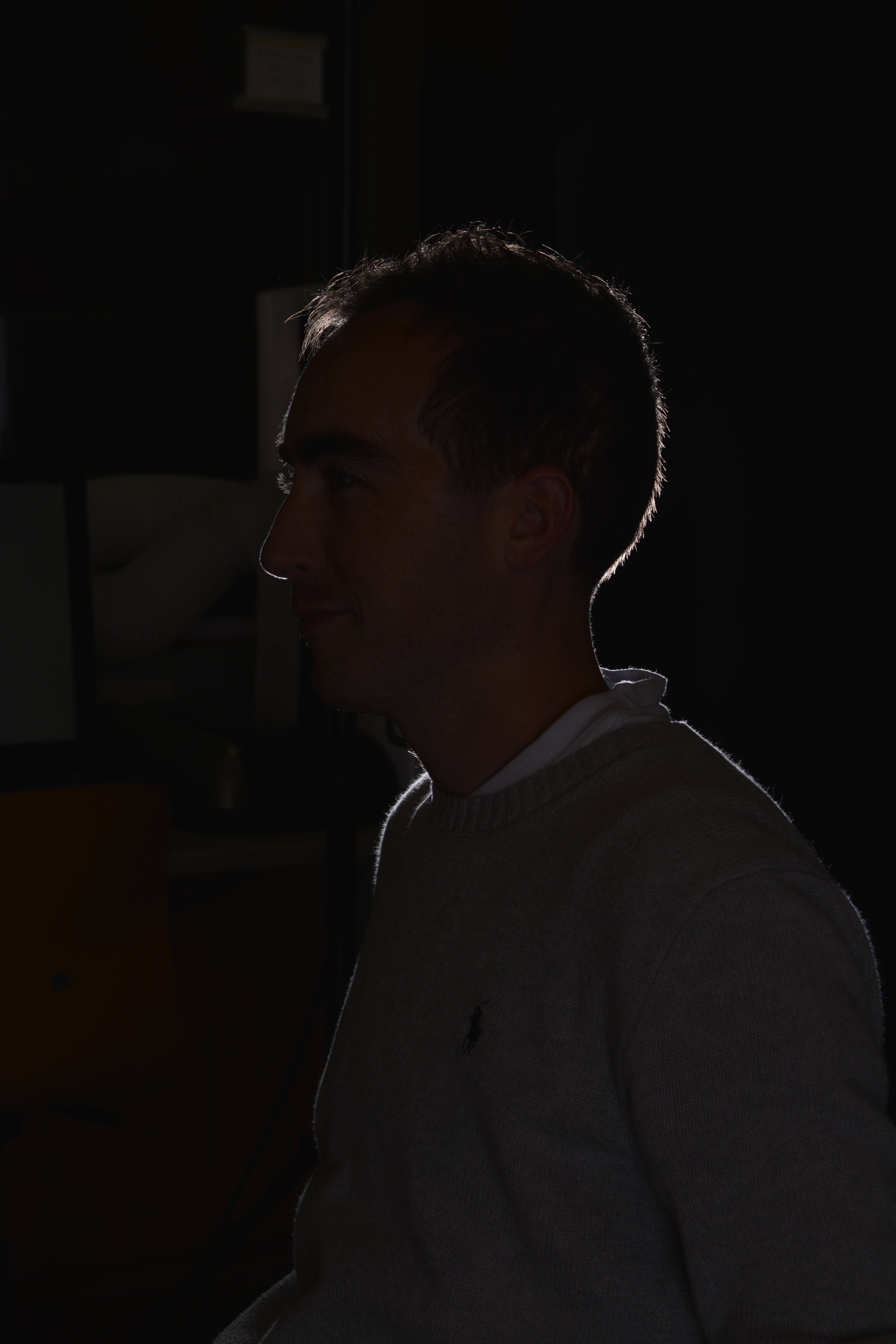
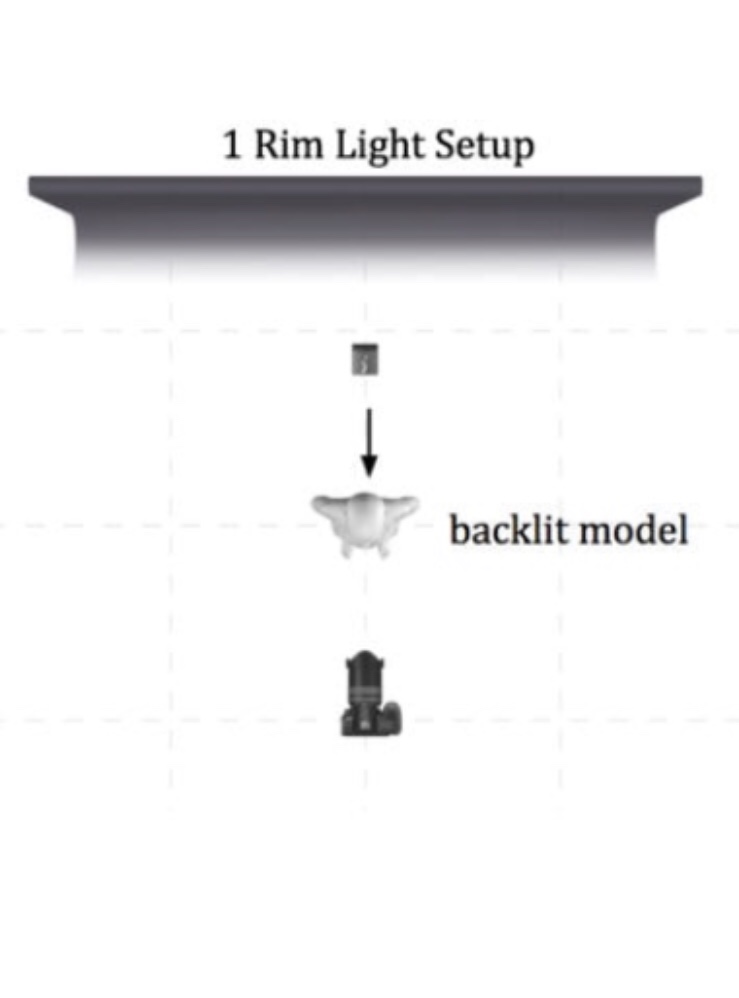
Keeping the model facing the same direction, I moved myself to the right. So from split lighting, I was trying to create some back or rim lighting. Back or Rim lighting is where the subject is lit from behind, this creates a halo effect around the subject and leaves it in silhouette.
I was just playing with angles to see how it would look. However doing this I have captured the classroom in the background and not the backdrop. If I was going to try and photograph with Rim lighting, I would move the subject forward and place a light behind facing towards the subject and me. As the the diagram below shows.
White Background
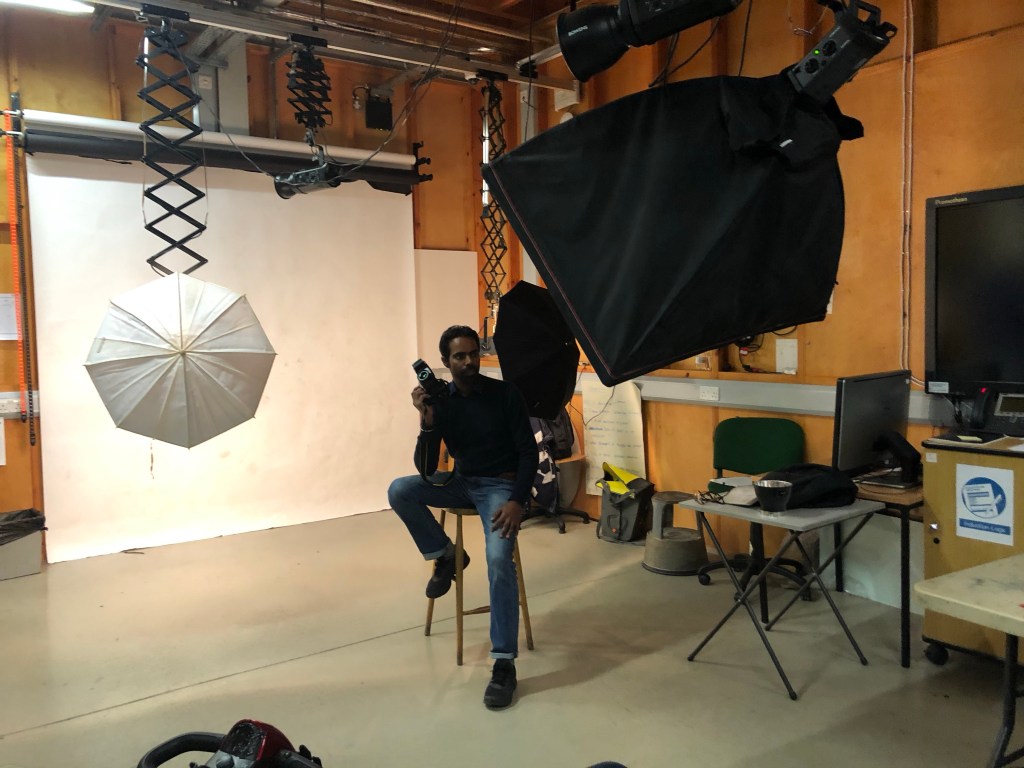
For a softer lighting set up I have used a white paper background, one key light, two fill lights and a stall for the model. (see photo below).
White background lighting set up
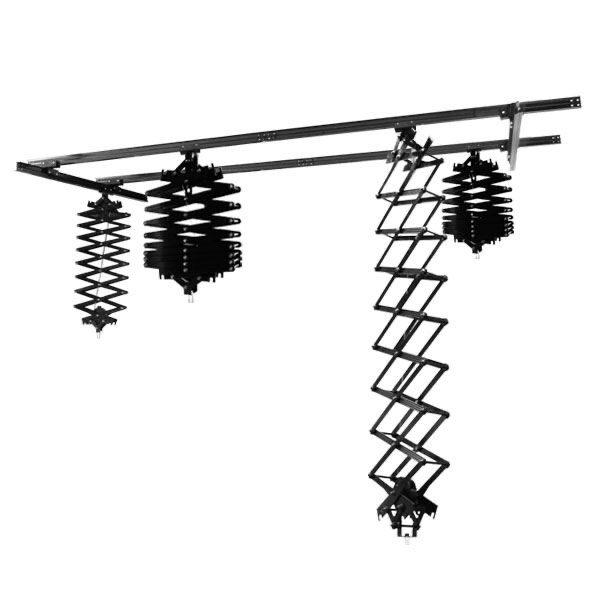
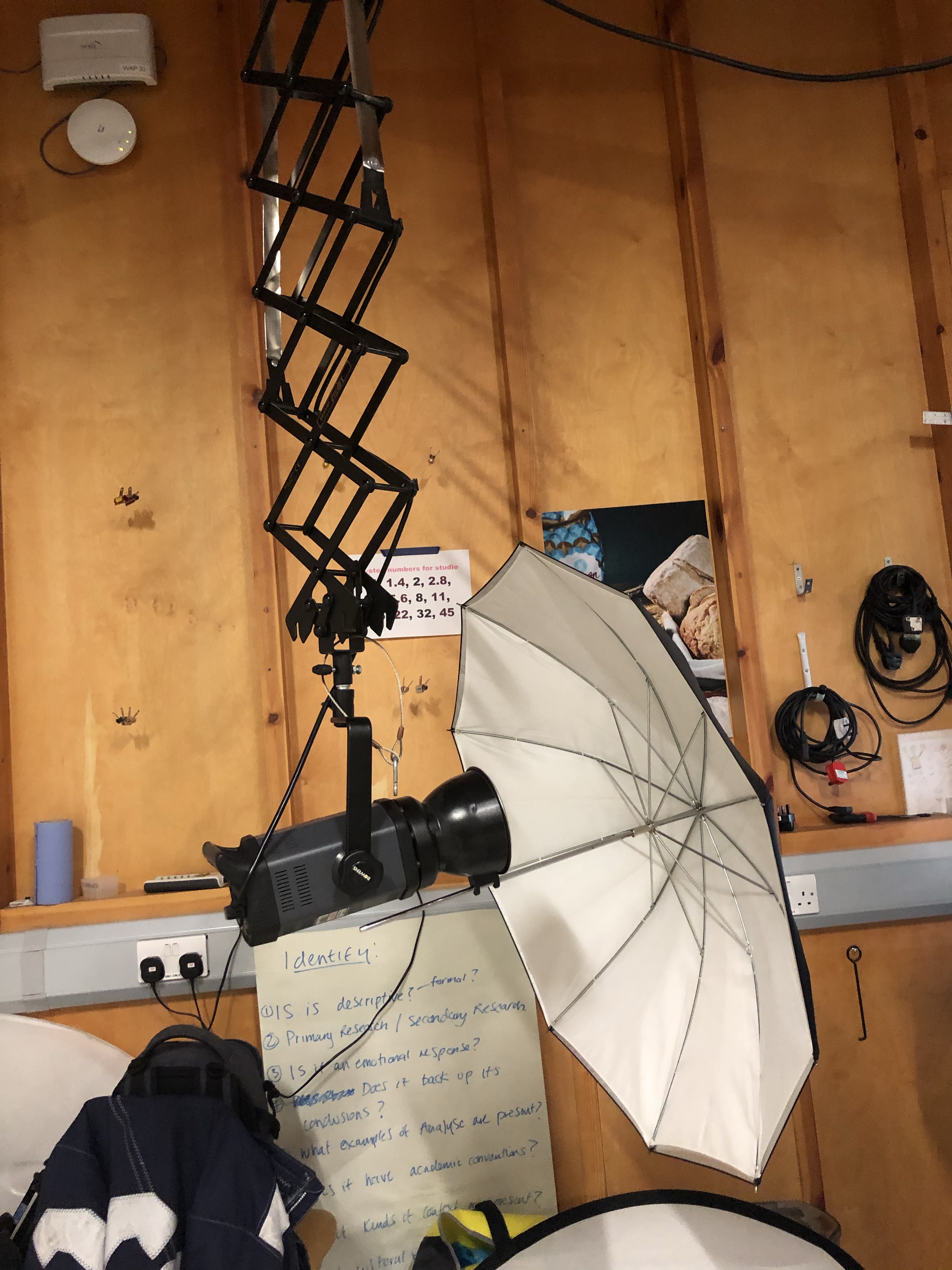
All the modelling lights are suspended from a ceiling track using pantographs. Using the lights in this way, you eliminate the trip hazards, provided the leads run up towards the ceiling. However you add another hazard of banging your head. I had to be very careful when positioning the lights and making sure the pantographs were secured in the correct height position.
Pantographs on a ceiling track
To create a softer light, umbrellas attached to the modelling lamps with adapters have been used to bounce the light back onto the backdrop. Bouncing the light back softens it as it travels.
Spot Lighting
Spot lighting is a very harsh and concentrated form of lighting usually using a snoot attachment to direct the light.
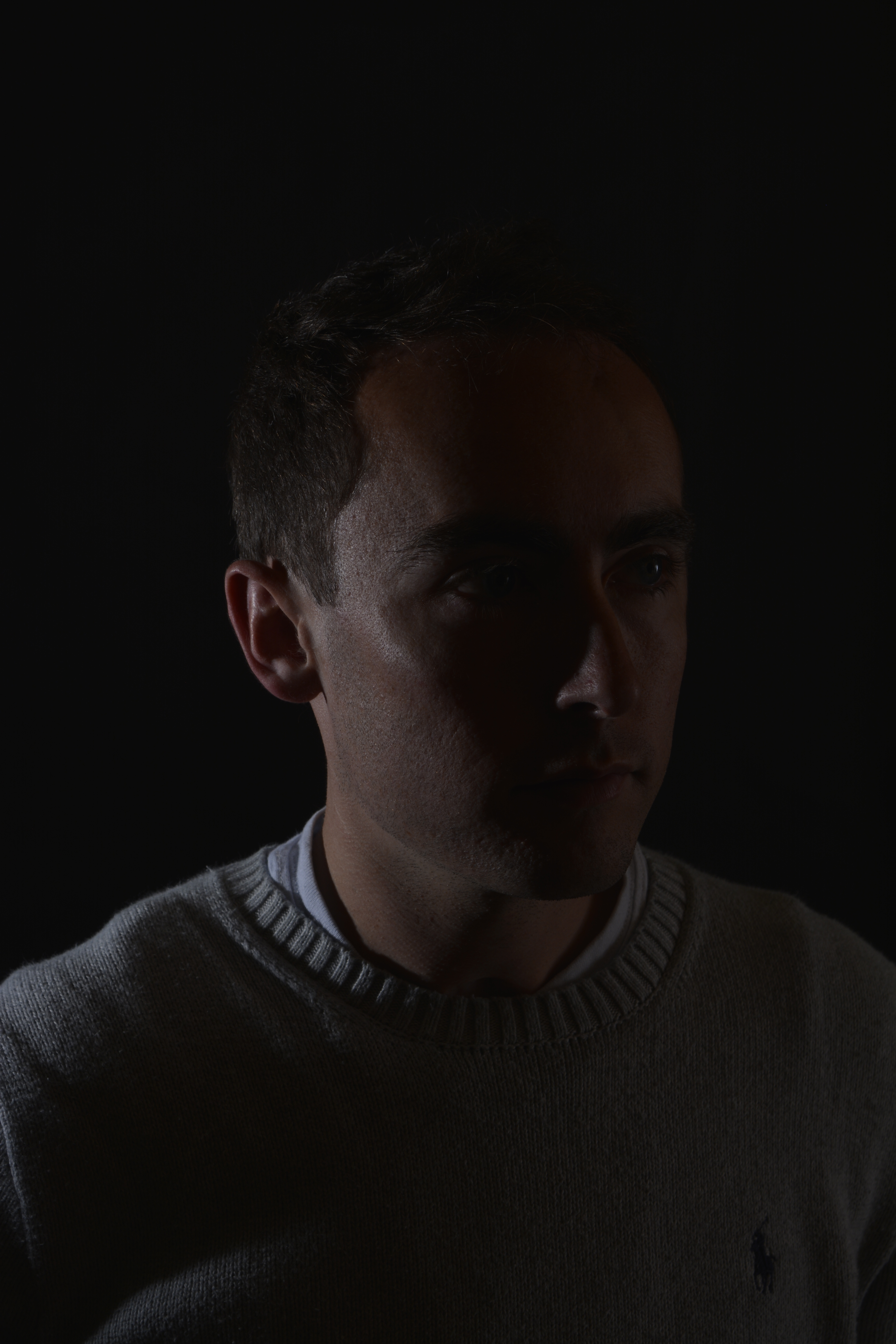
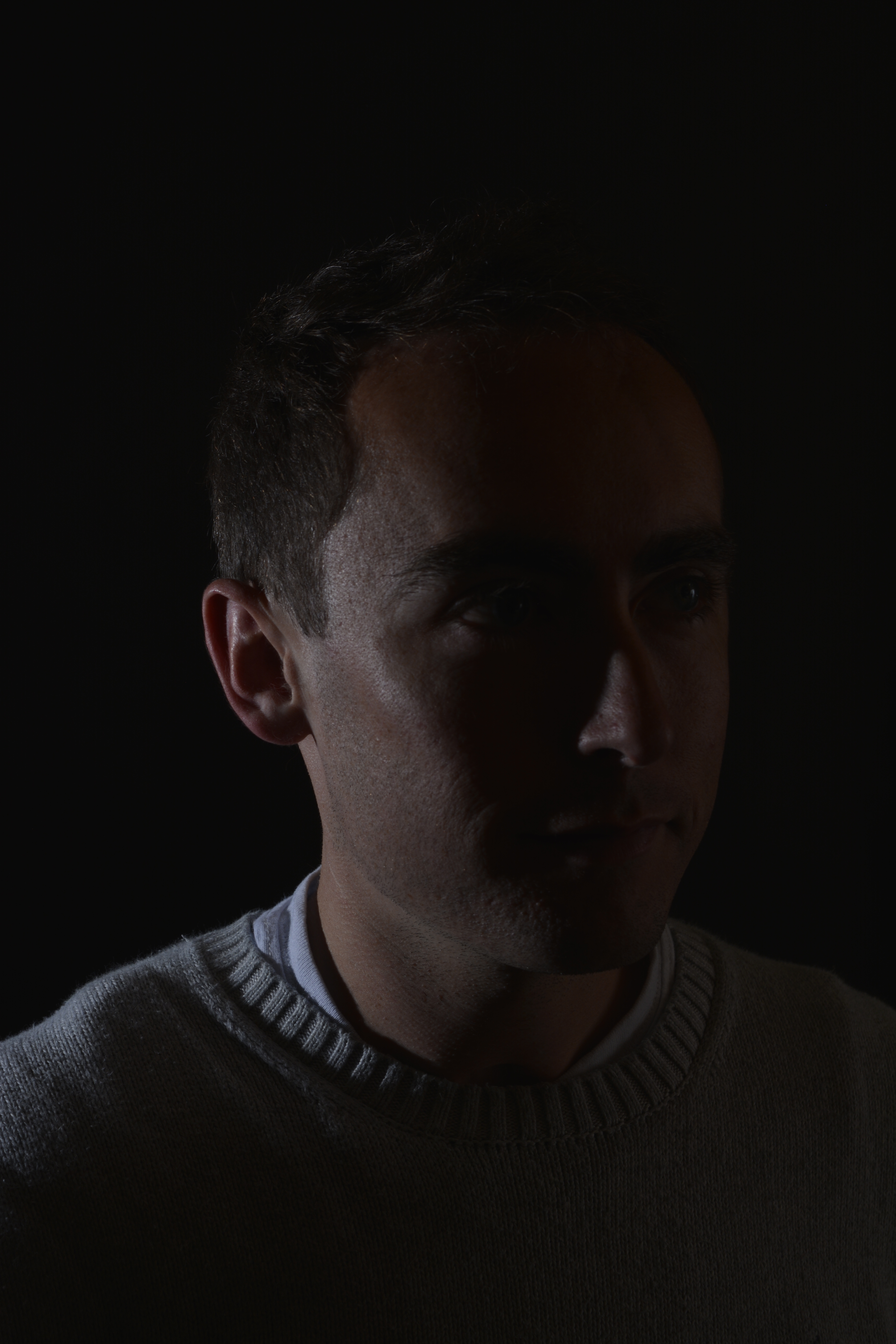
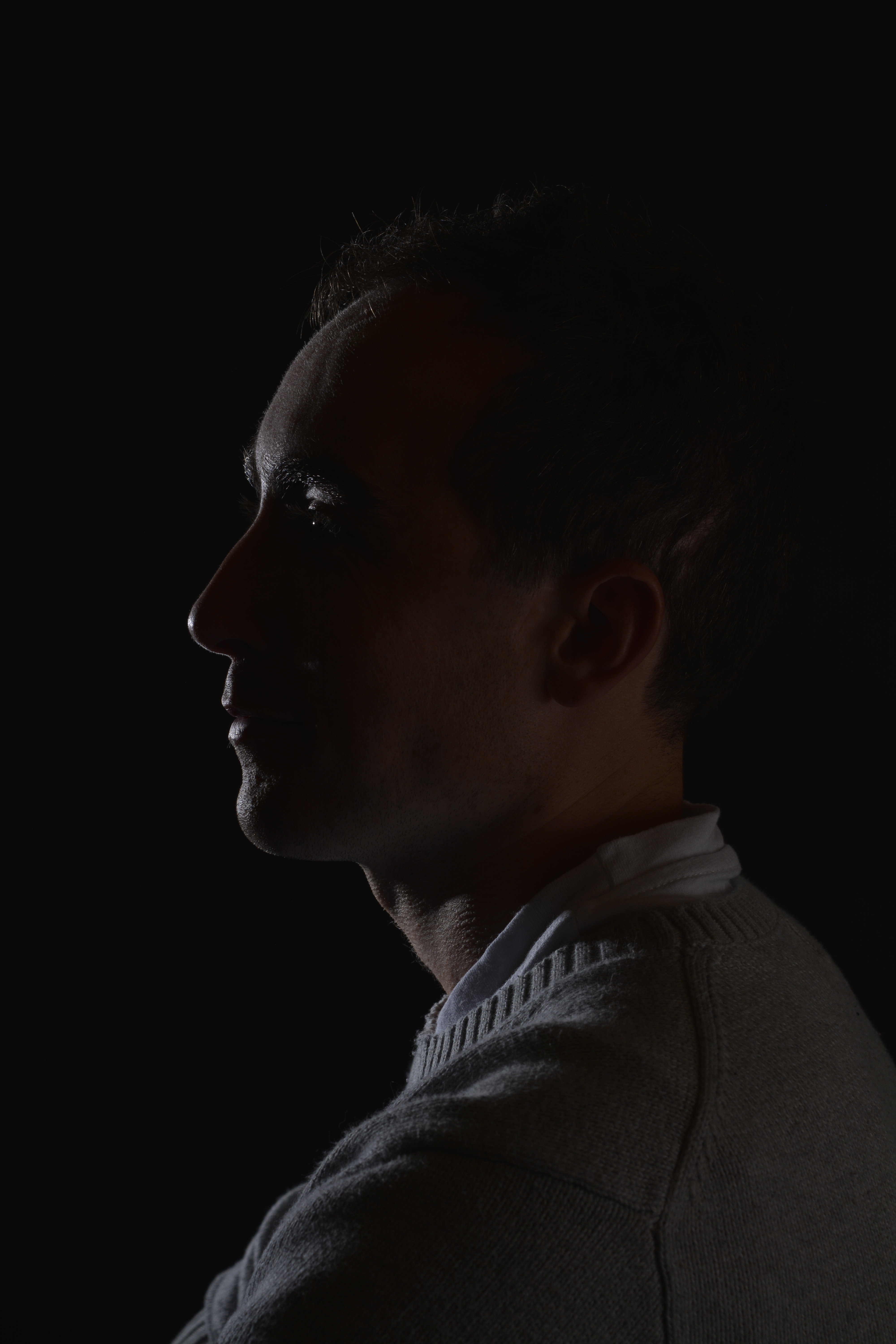
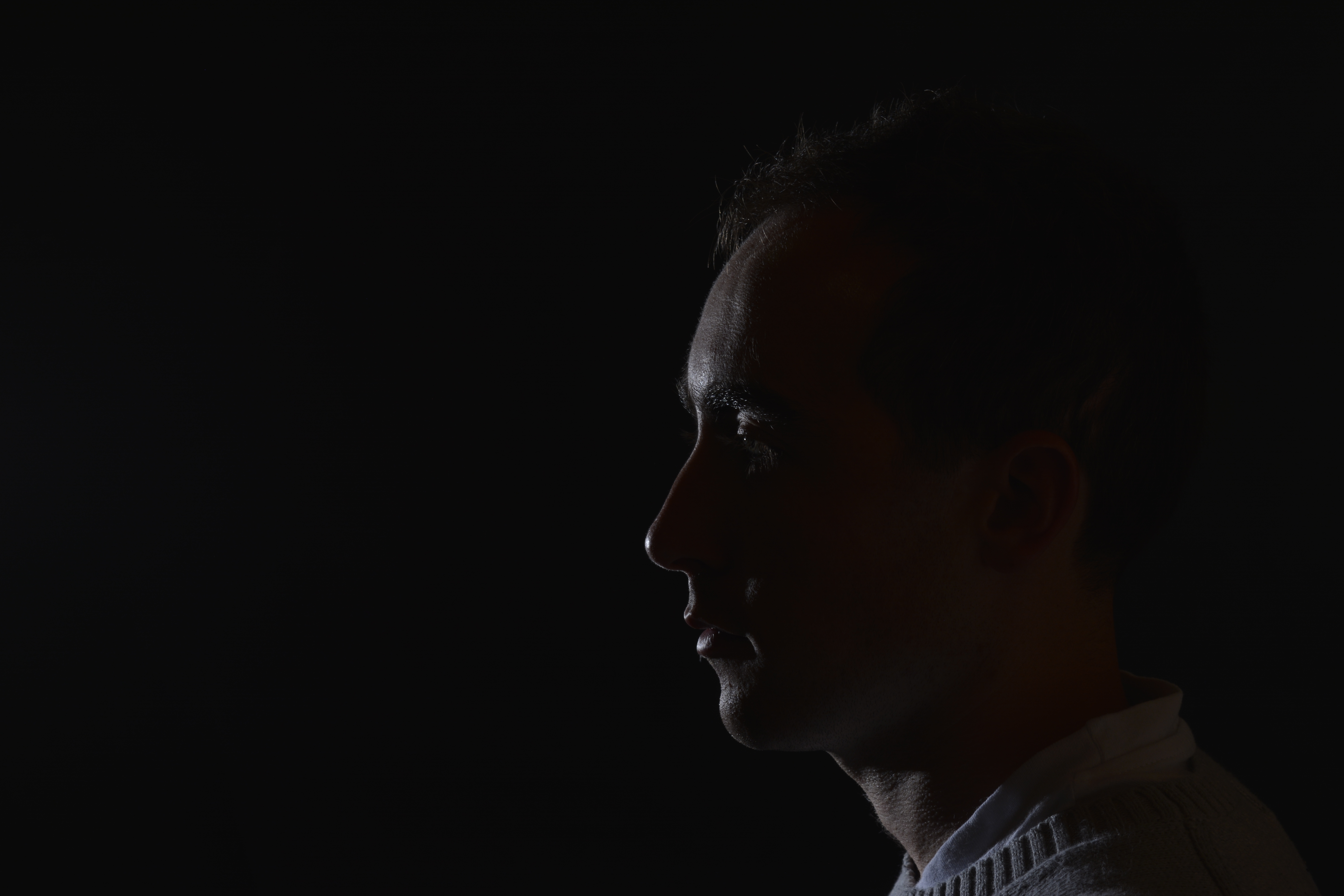
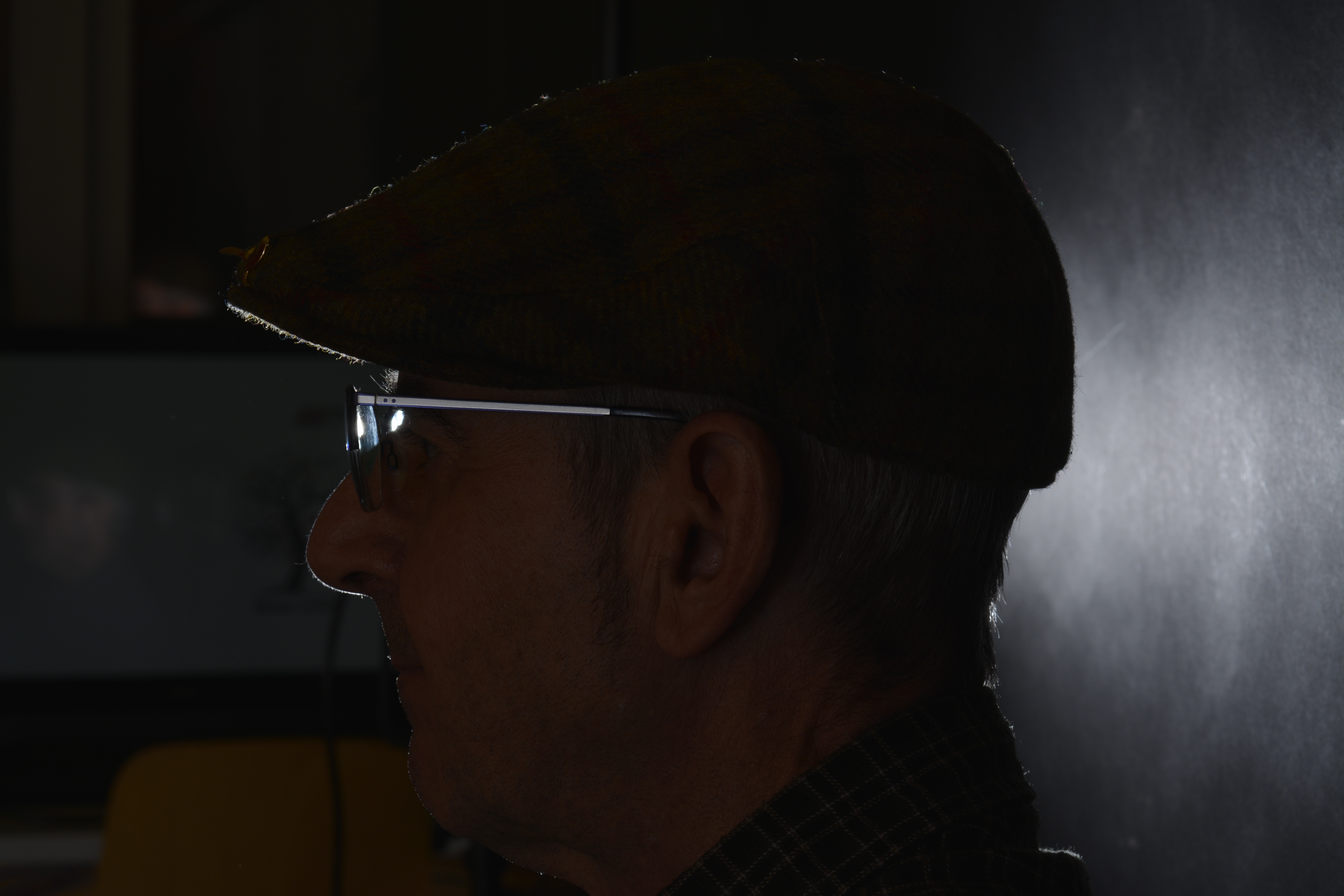
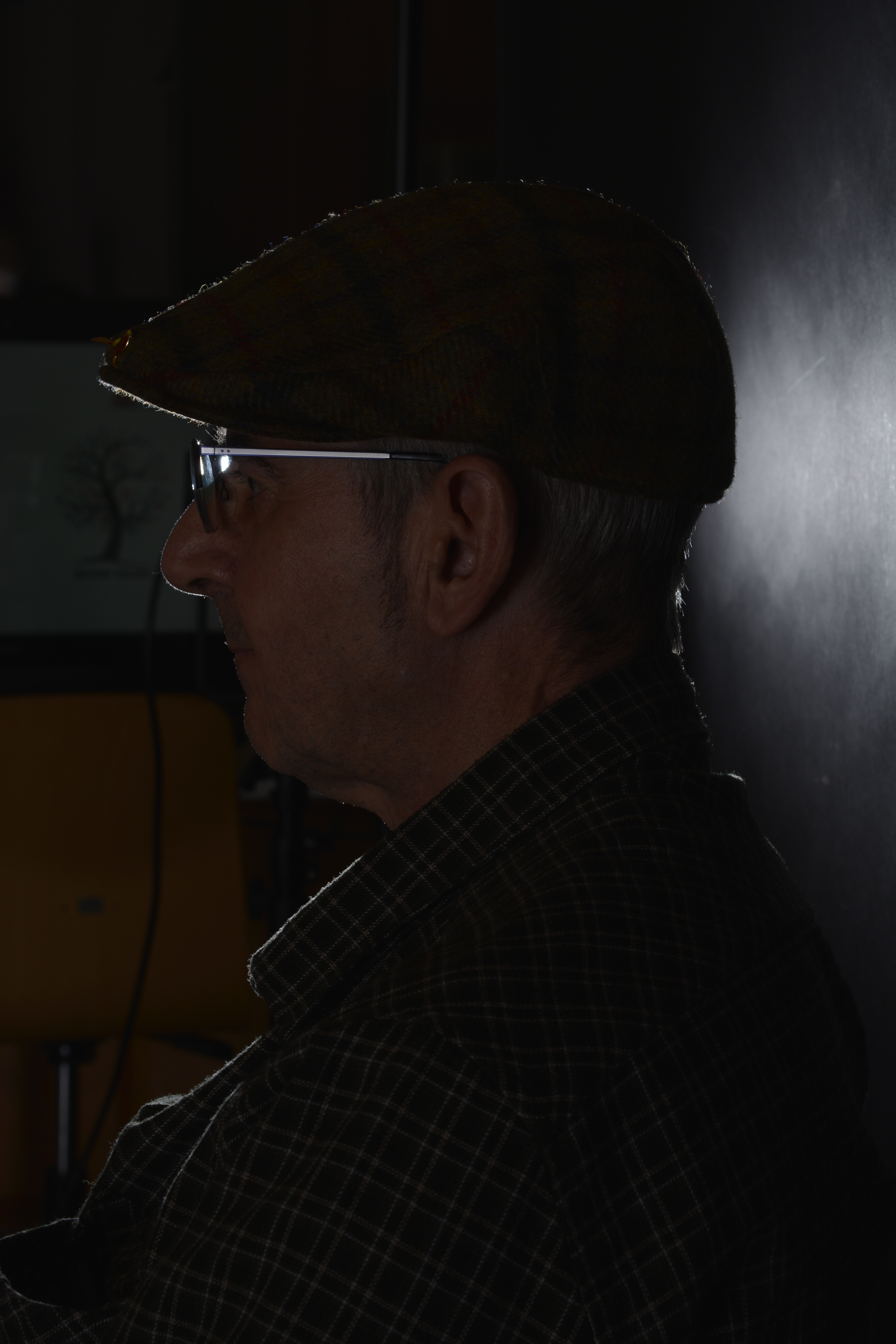
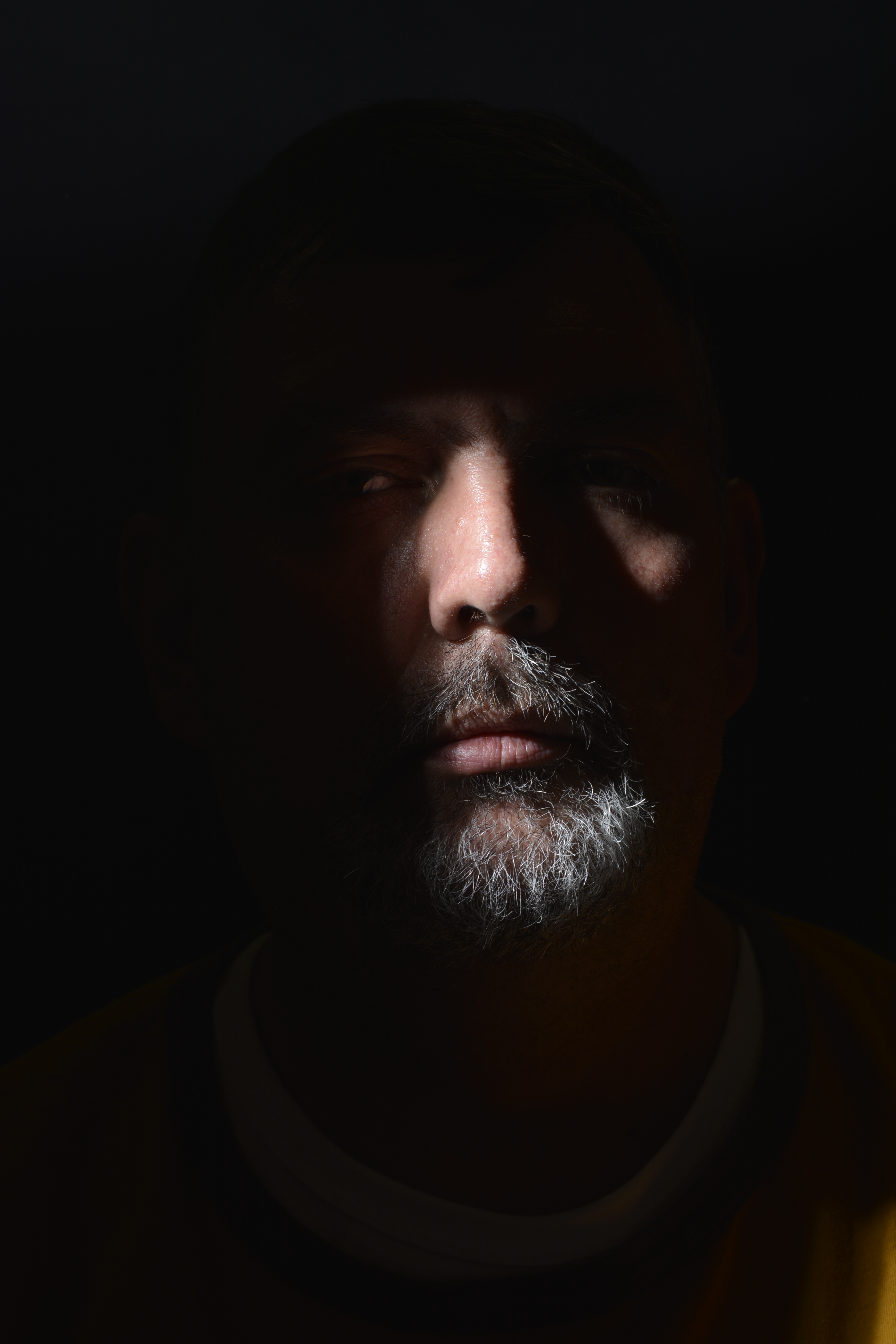
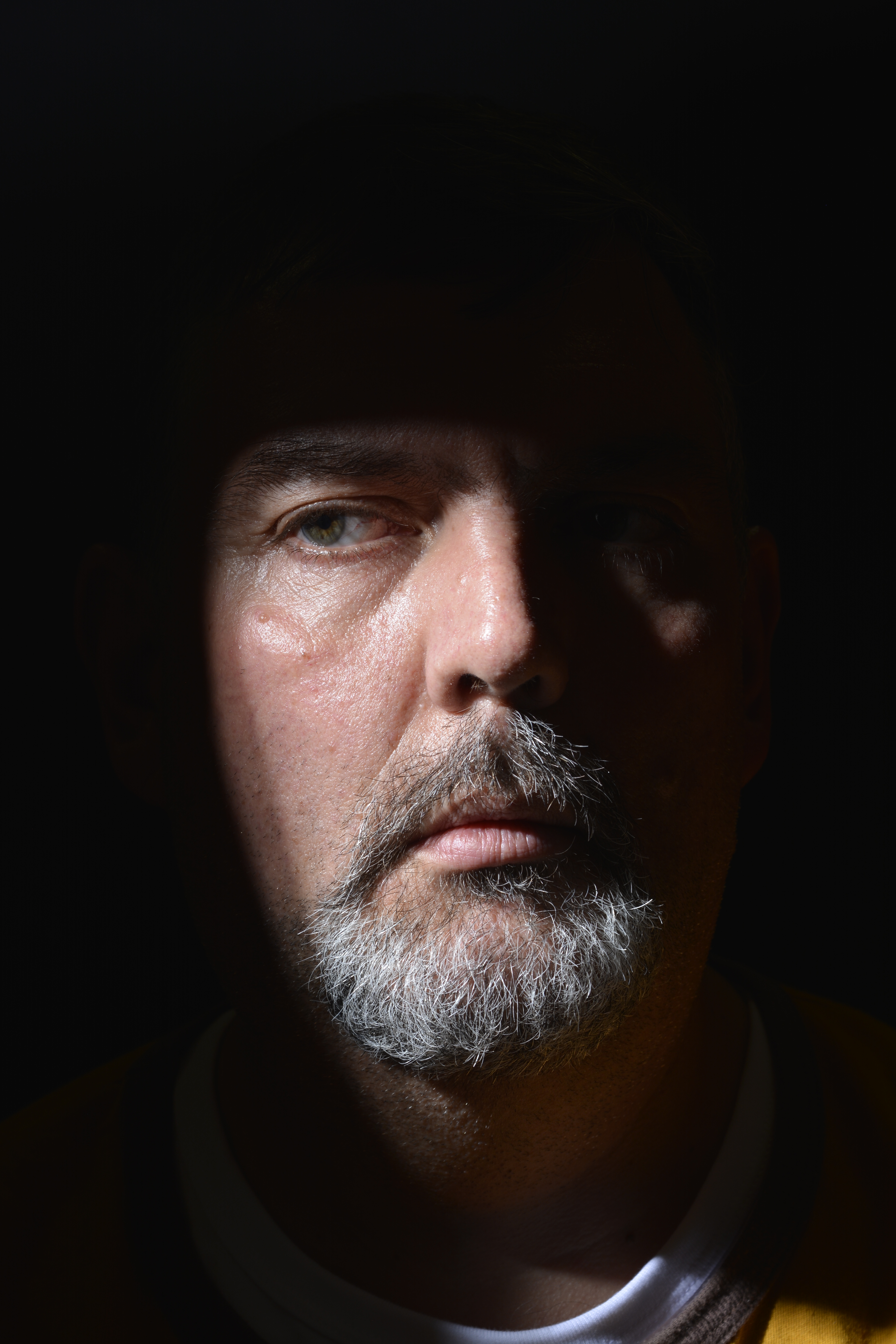
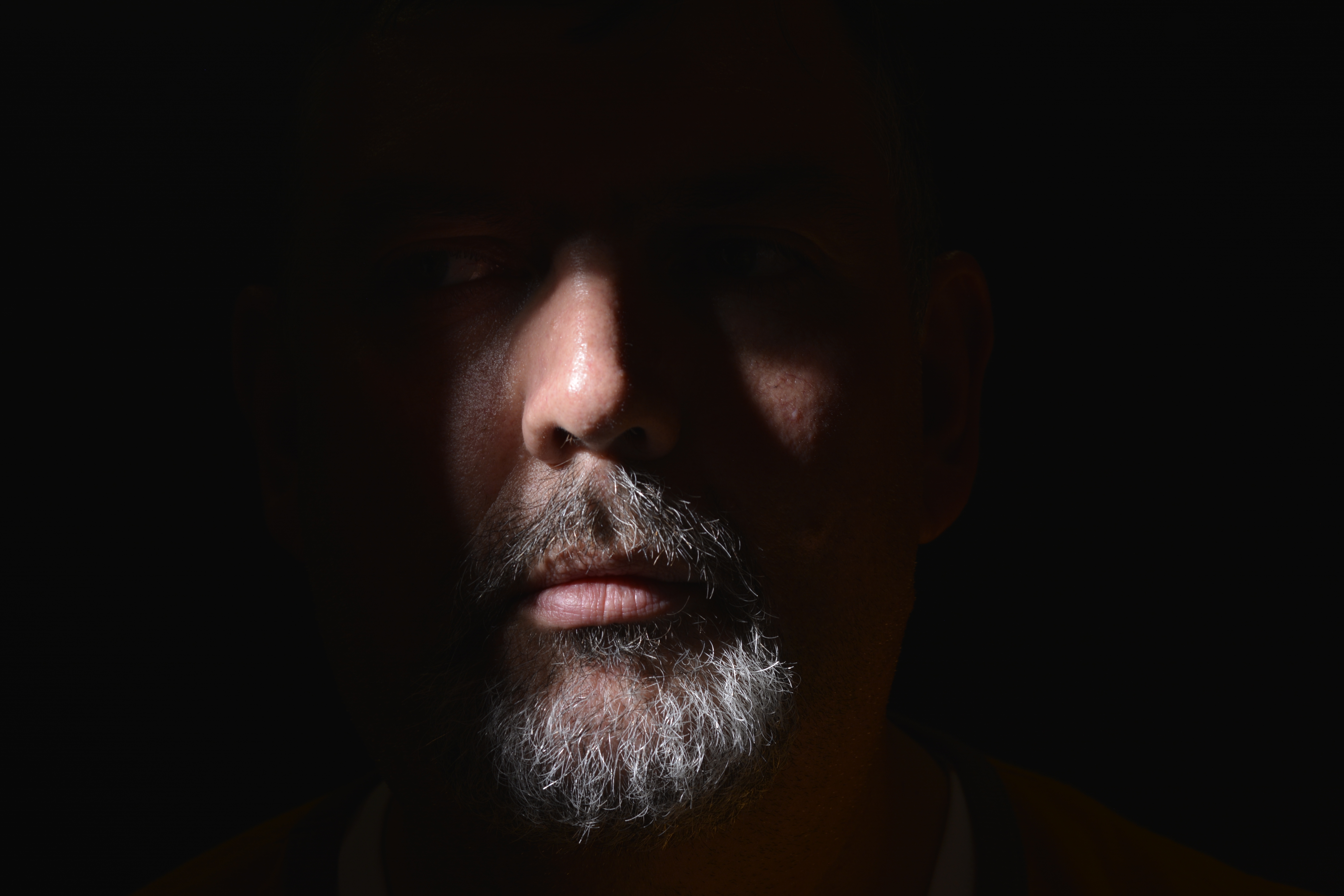
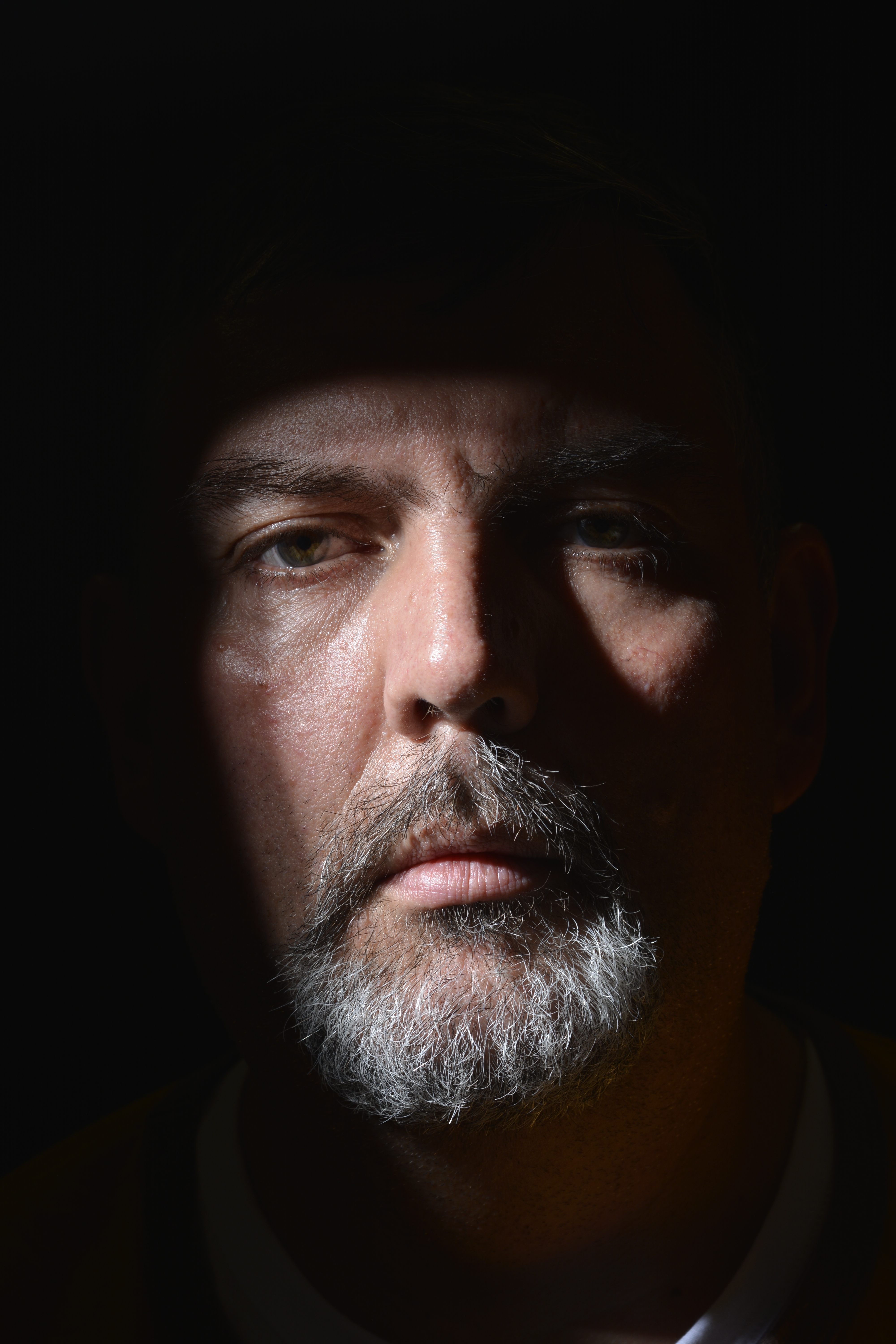
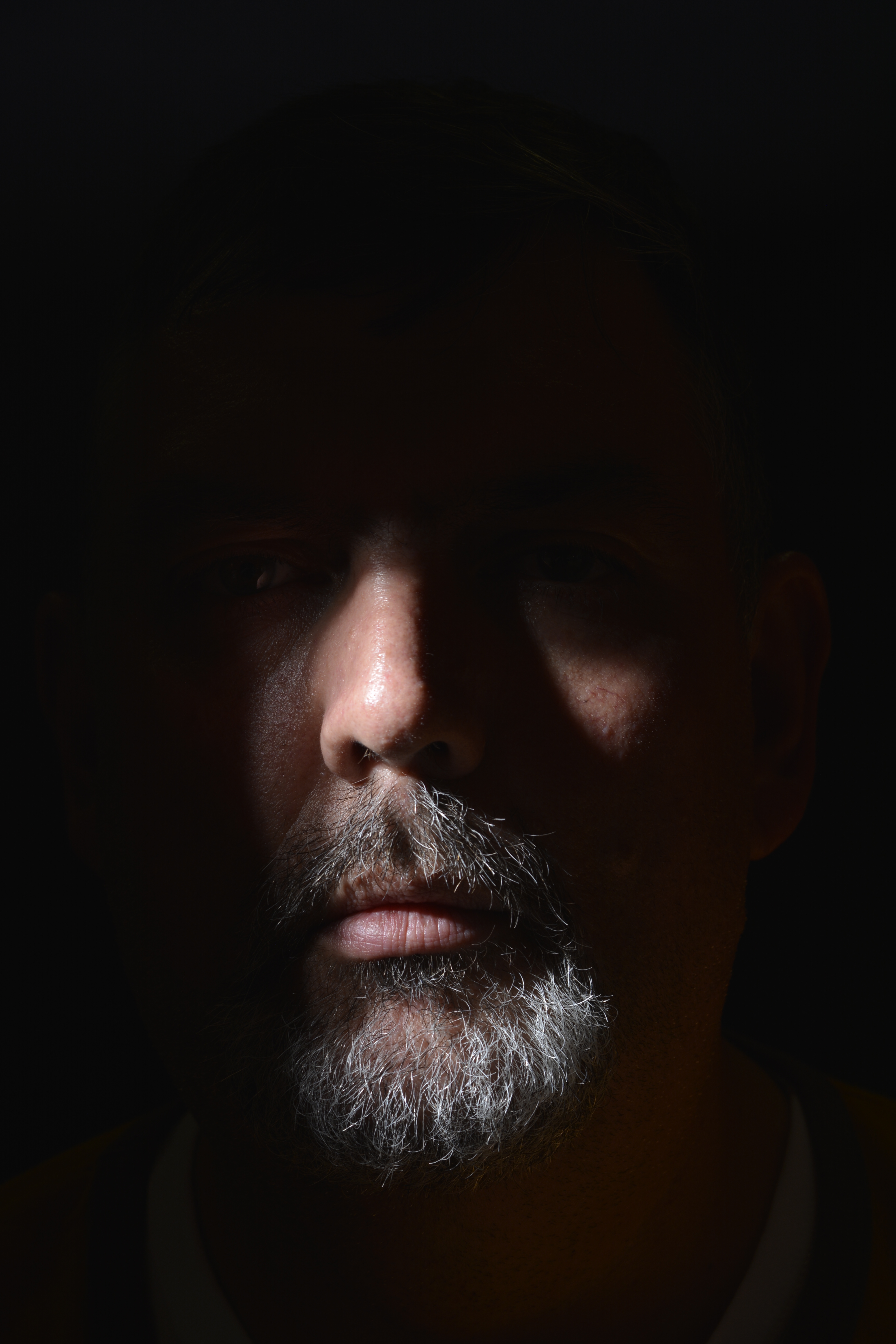
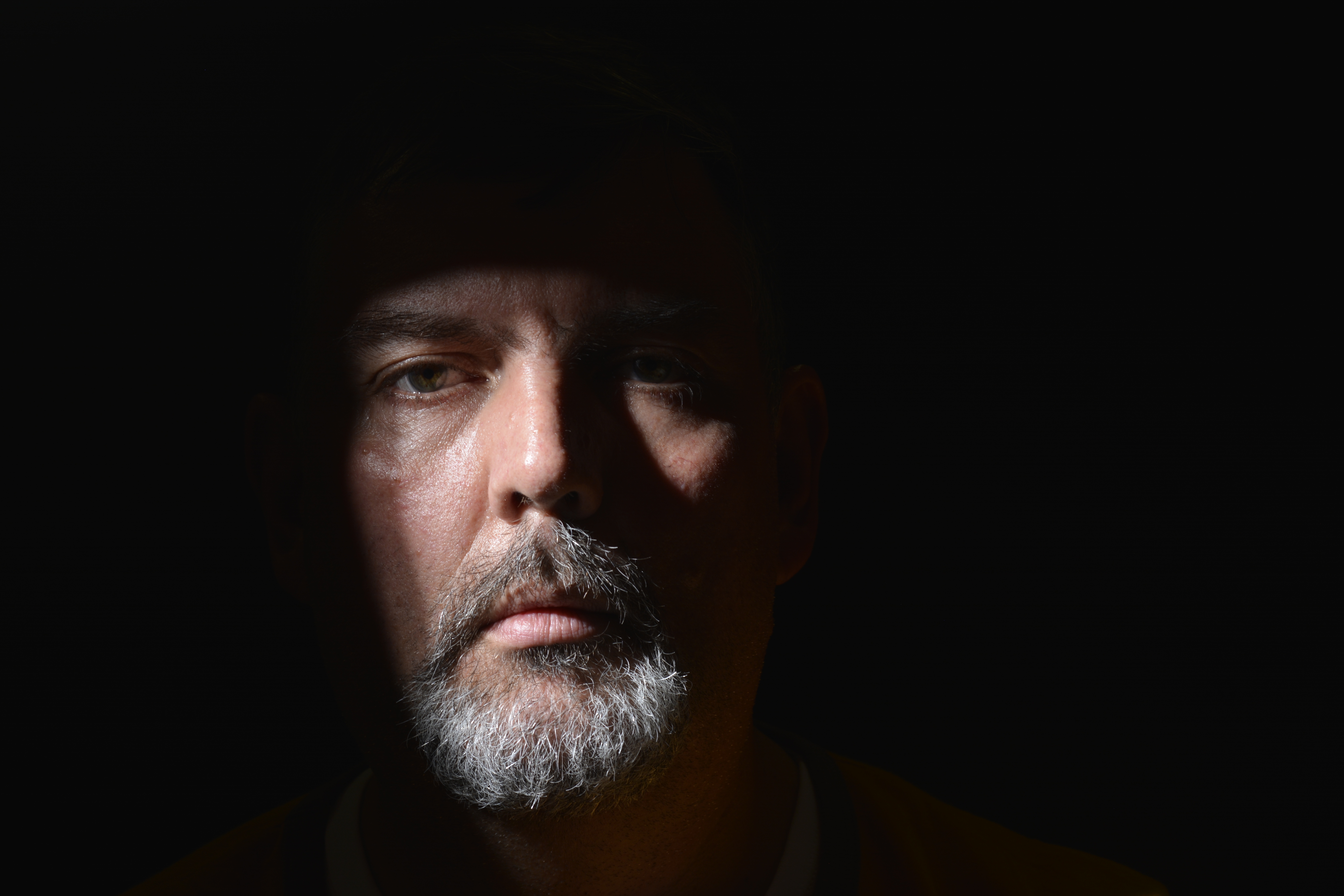
With these photographs below, two pieces of card have been used at right angles to block some of the light, to create specific shadow shapes across the face. It’s very dramatic but still looks a natural shape, as if not created in a studio.
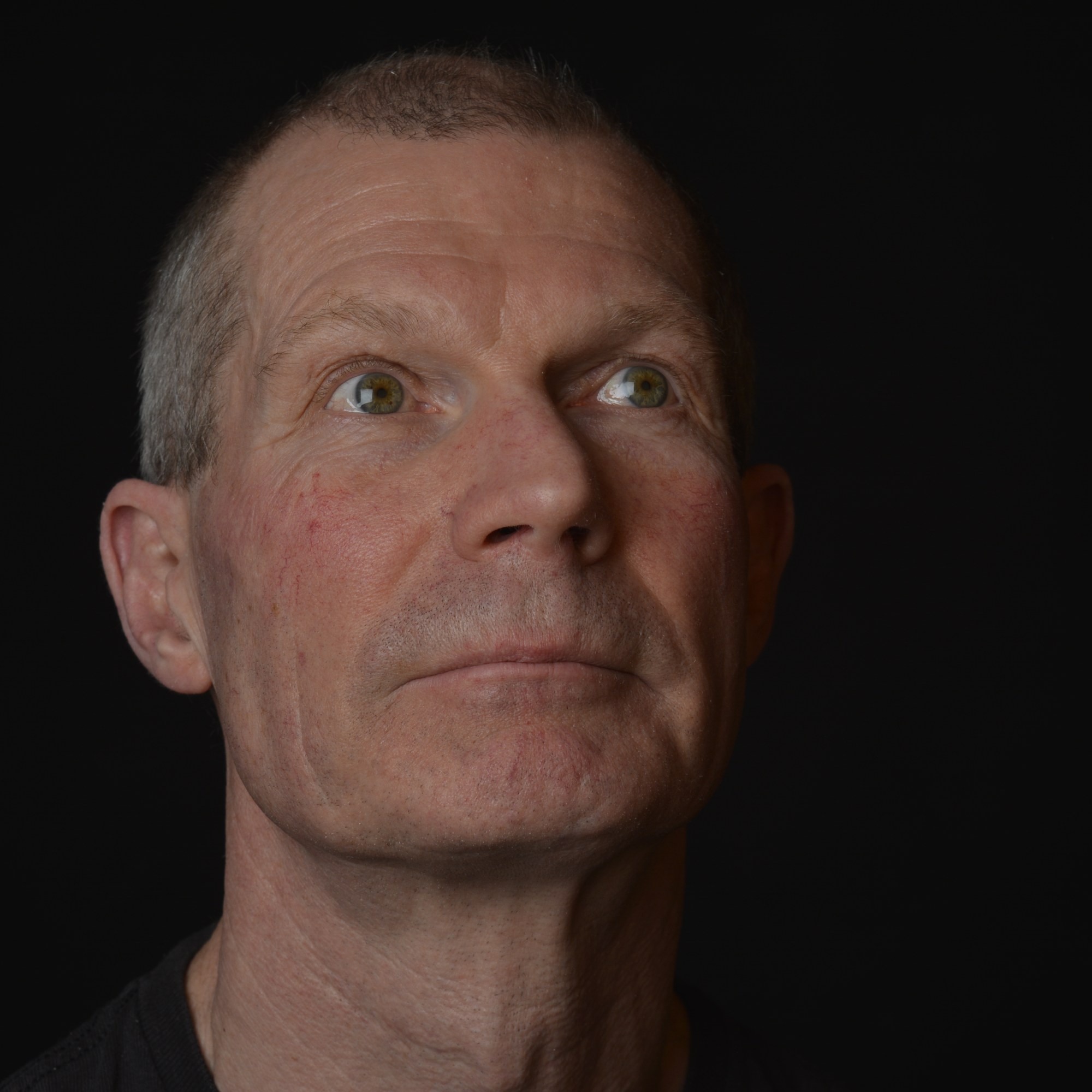
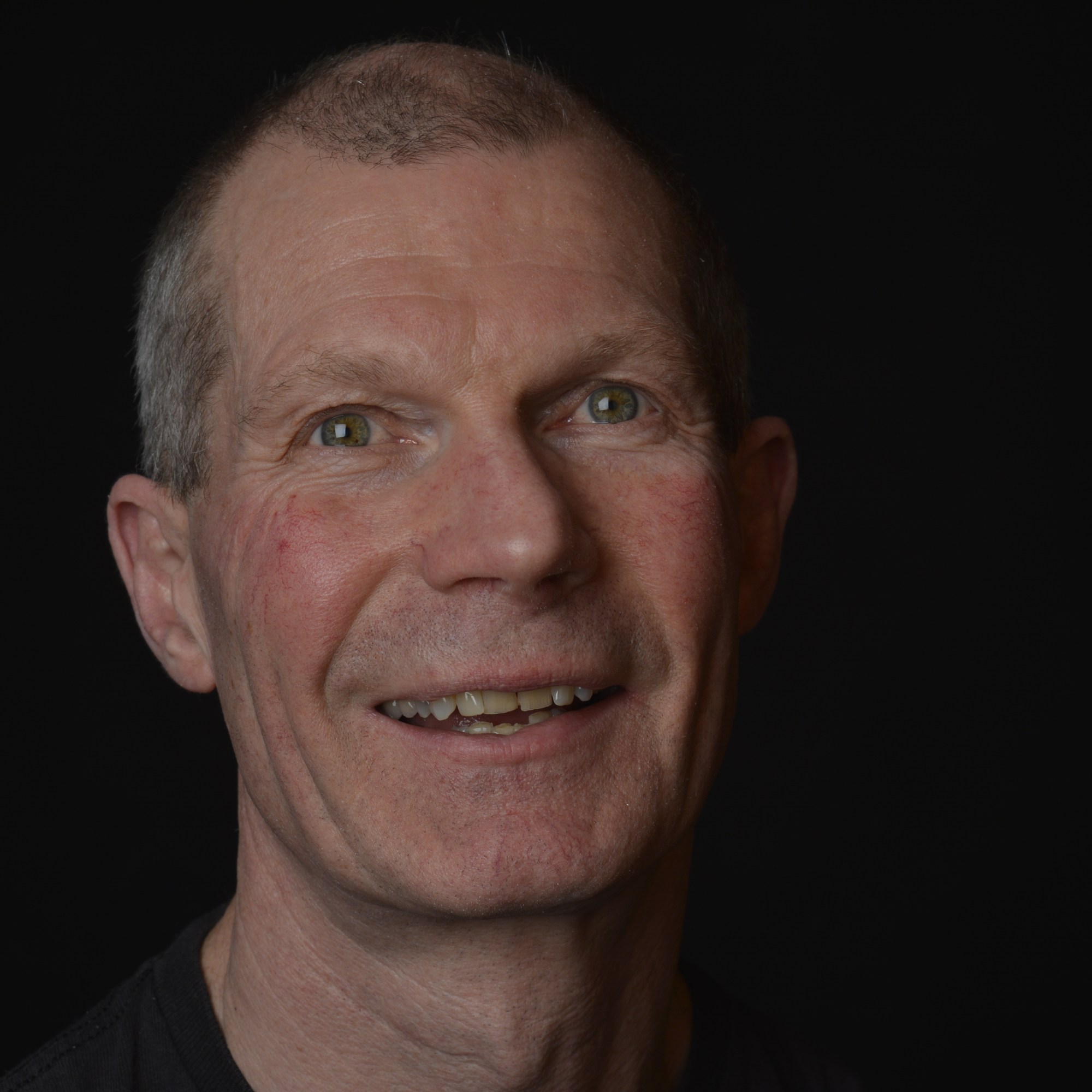
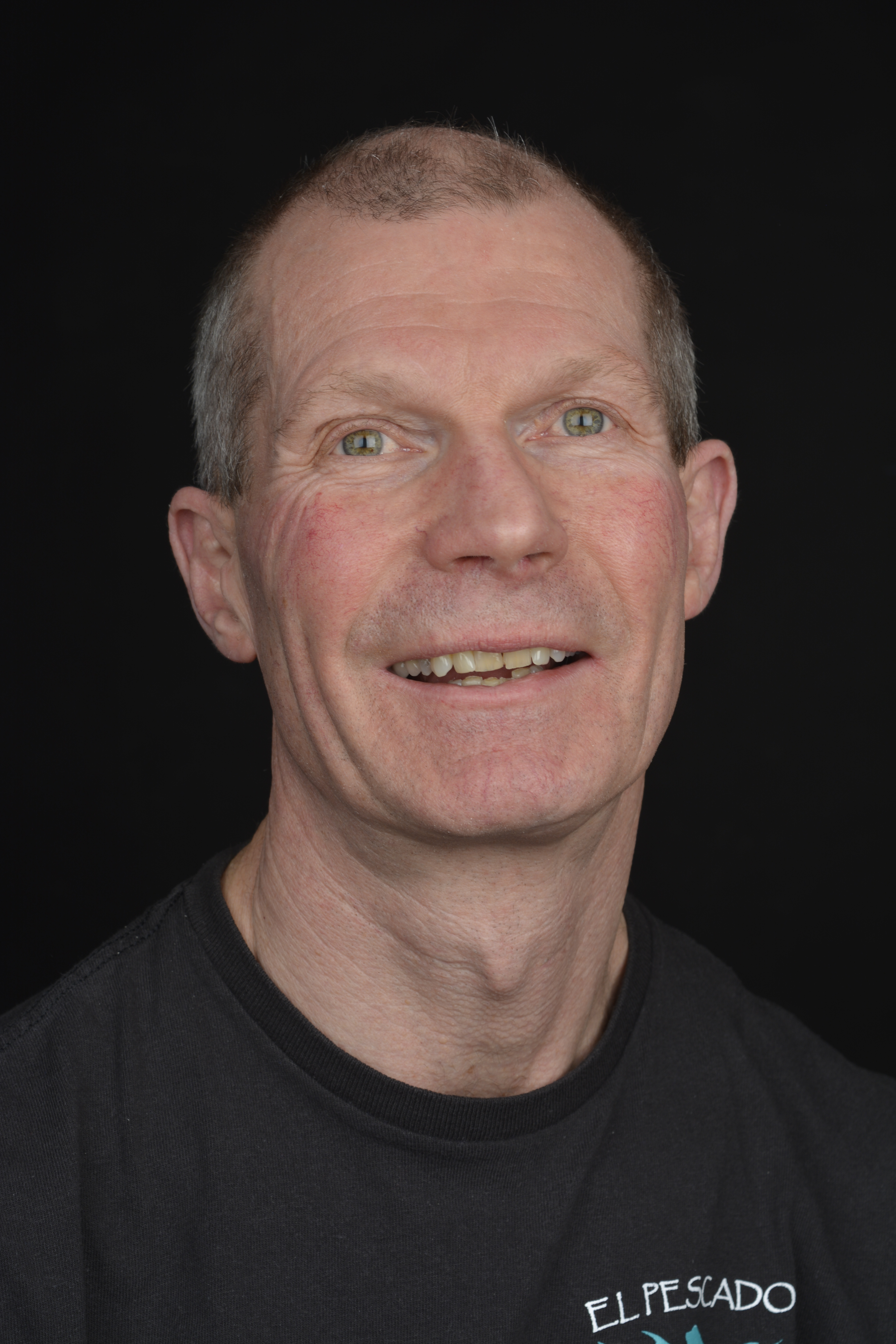
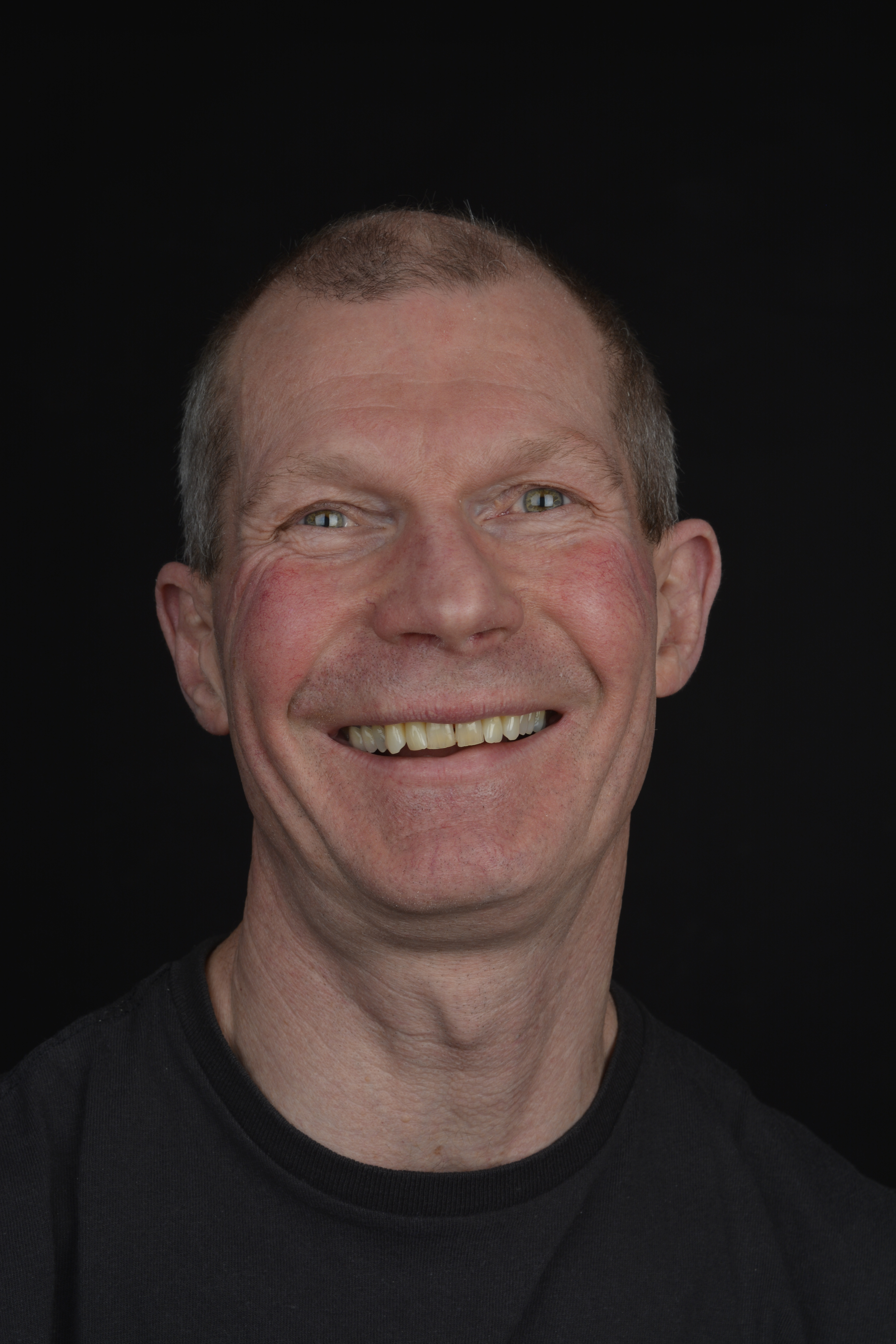
This portrait of Tony has worked quite well I feel. I like the way he just appears out of the darkness. I also like the idea of shaping and moulding a light source to create shadow shapes in a photograph. I would like to experiment this technique more.
Clam Lighting
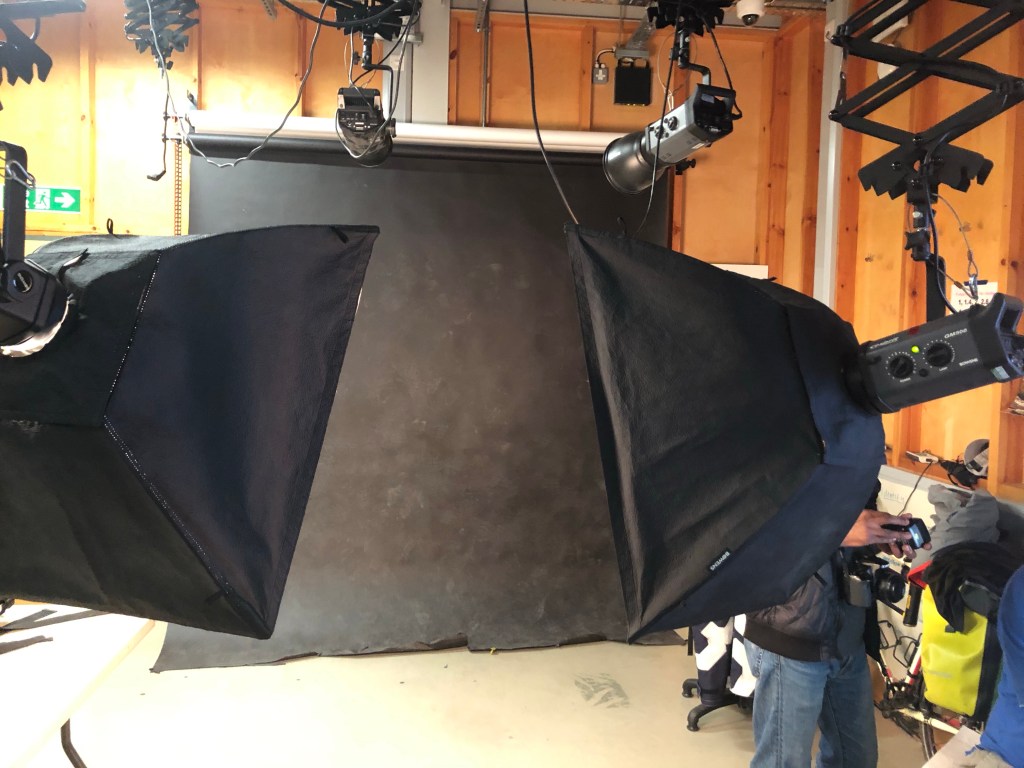
The 2 studio lights used for Clam Lighting both with Soft Box attatchments
Clam Lighting set up using 2 x Soft Boxes and a Black backdrop
Starting with Aperture F 8 and one soft box
With one soft box the the face is not lit well enough.
2 x soft boxes F-8 Too bright
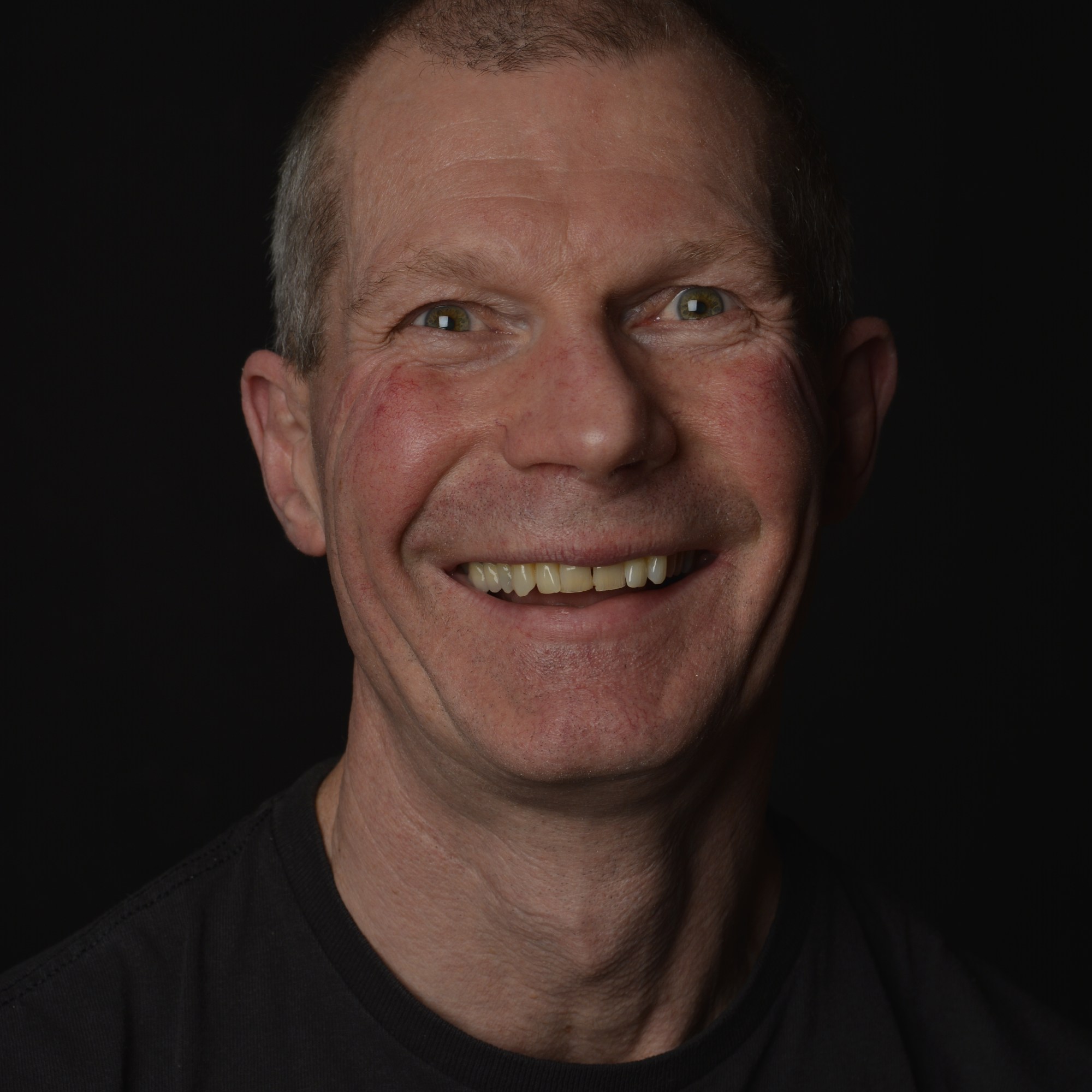
With using two soft boxes and Aperture F 8, the face is too bright and therfore the skin loses some of its natural colour. To try to rectify this, changing the Aperture from F 8 to F 11 helps to make the face a little darker.
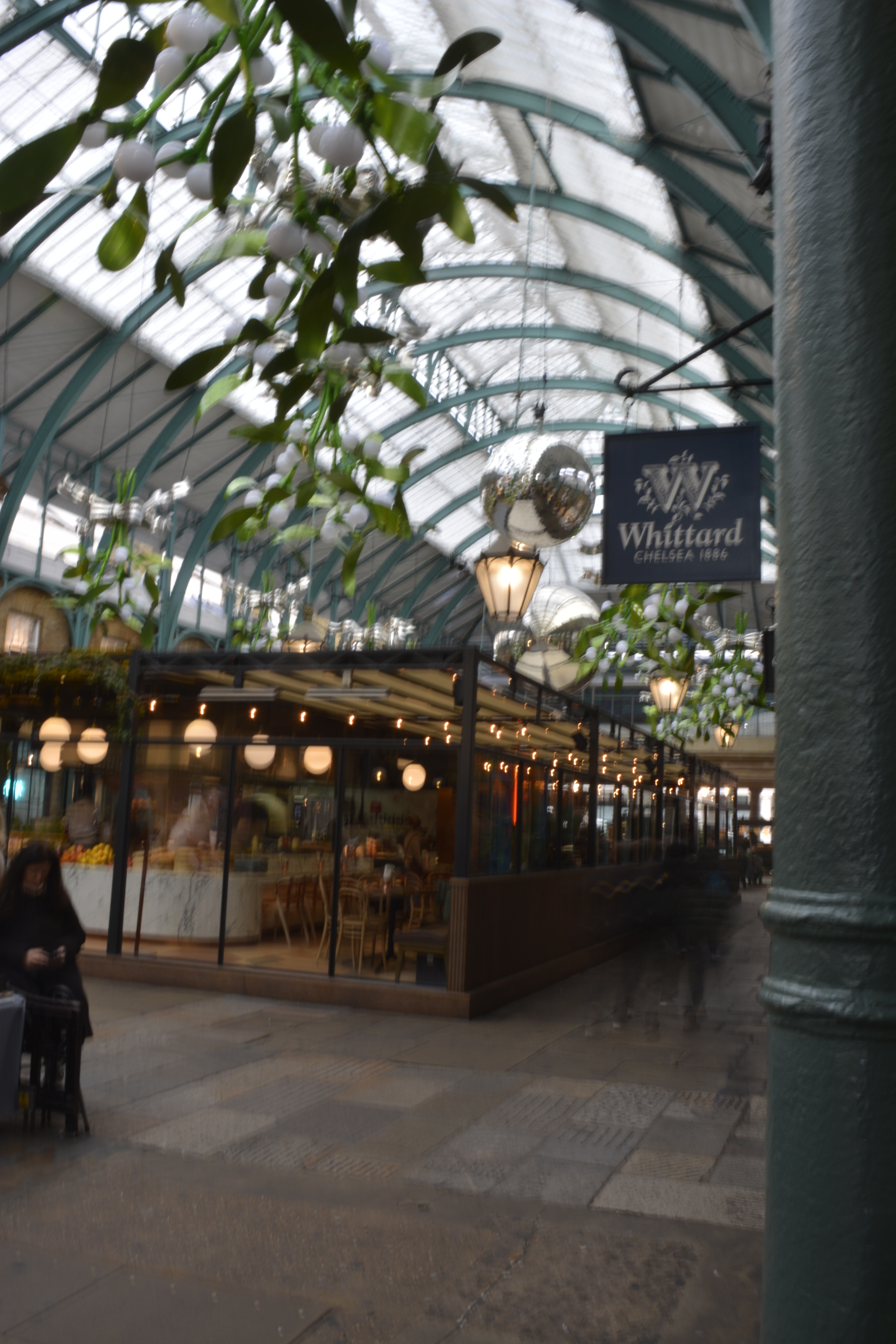
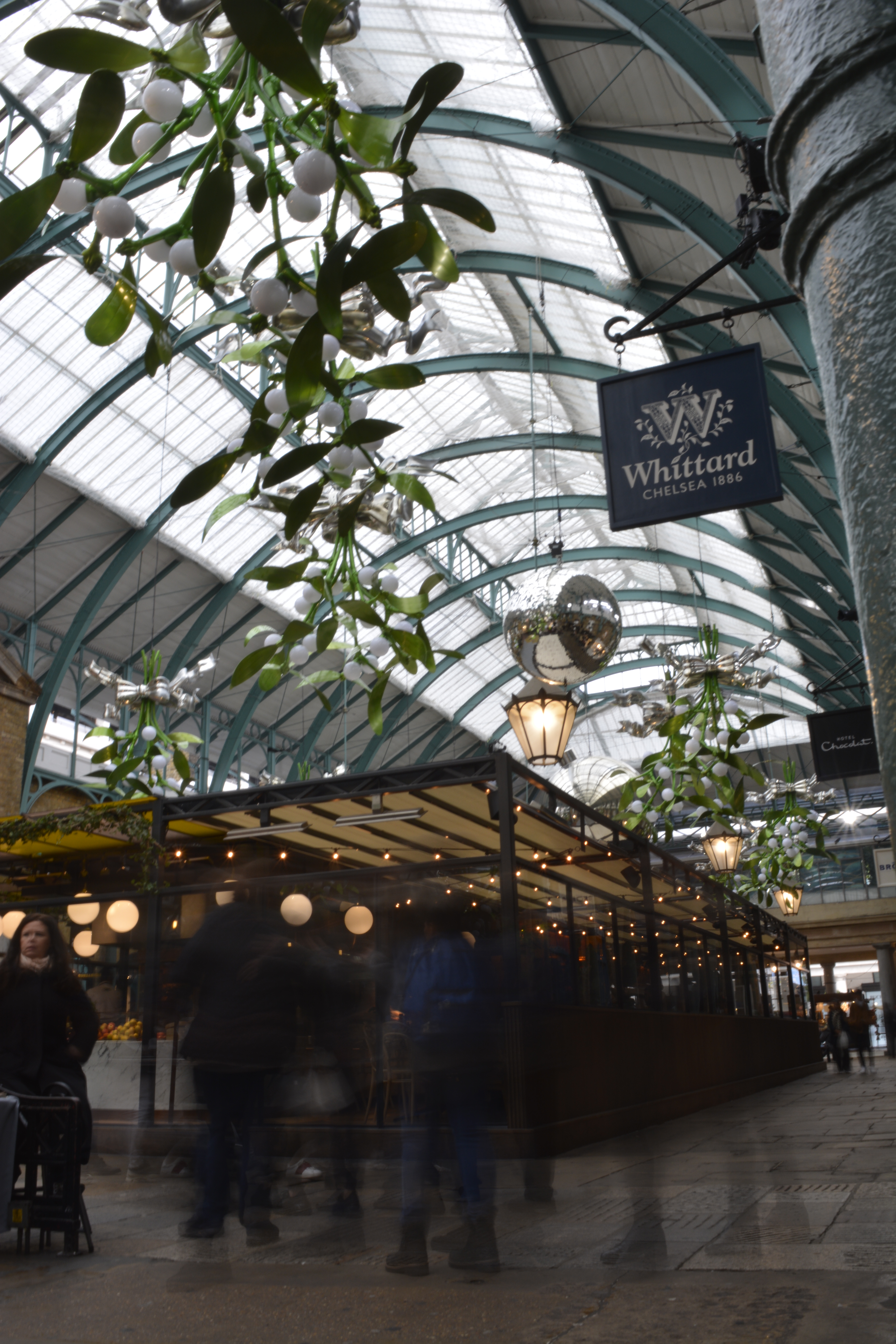
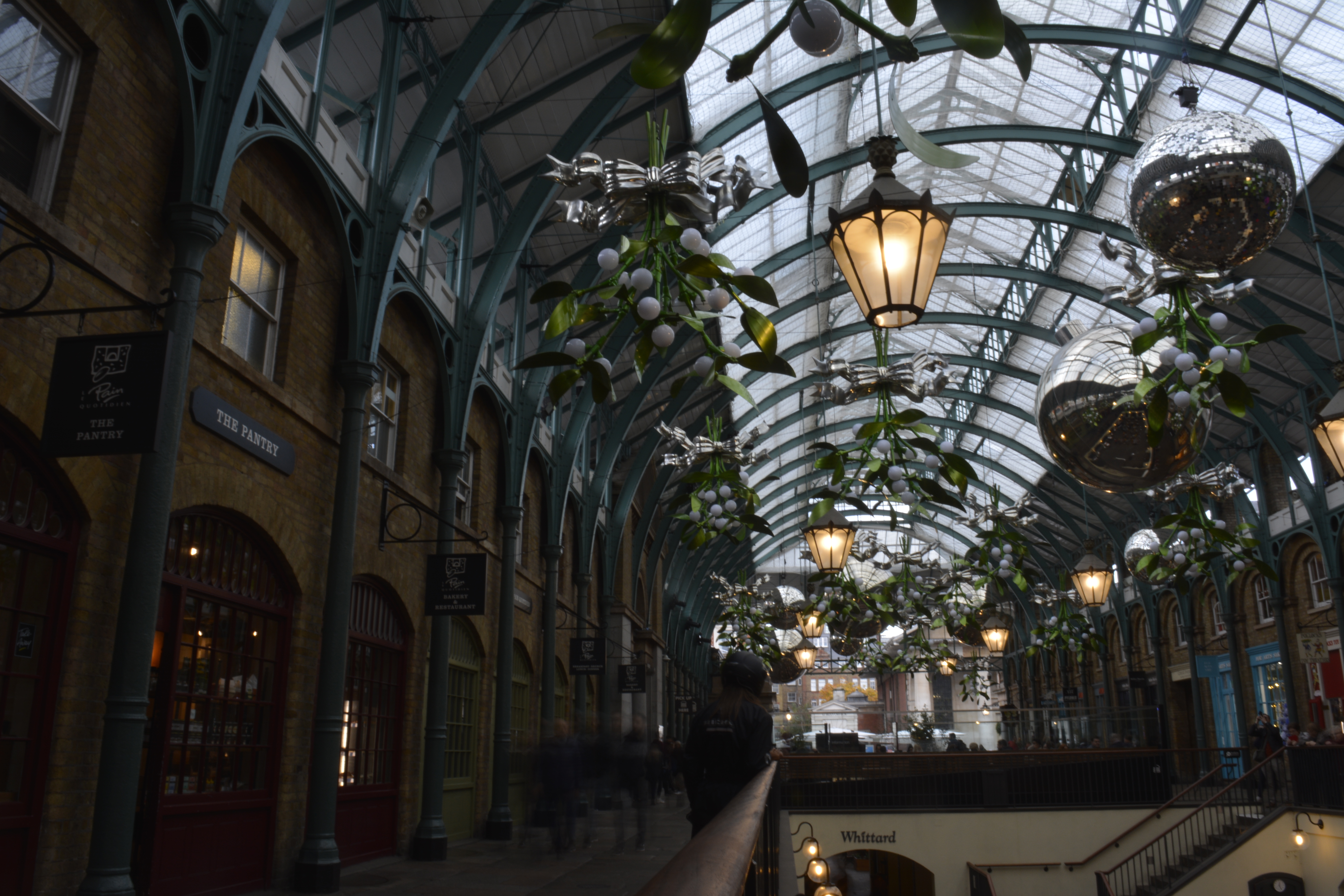
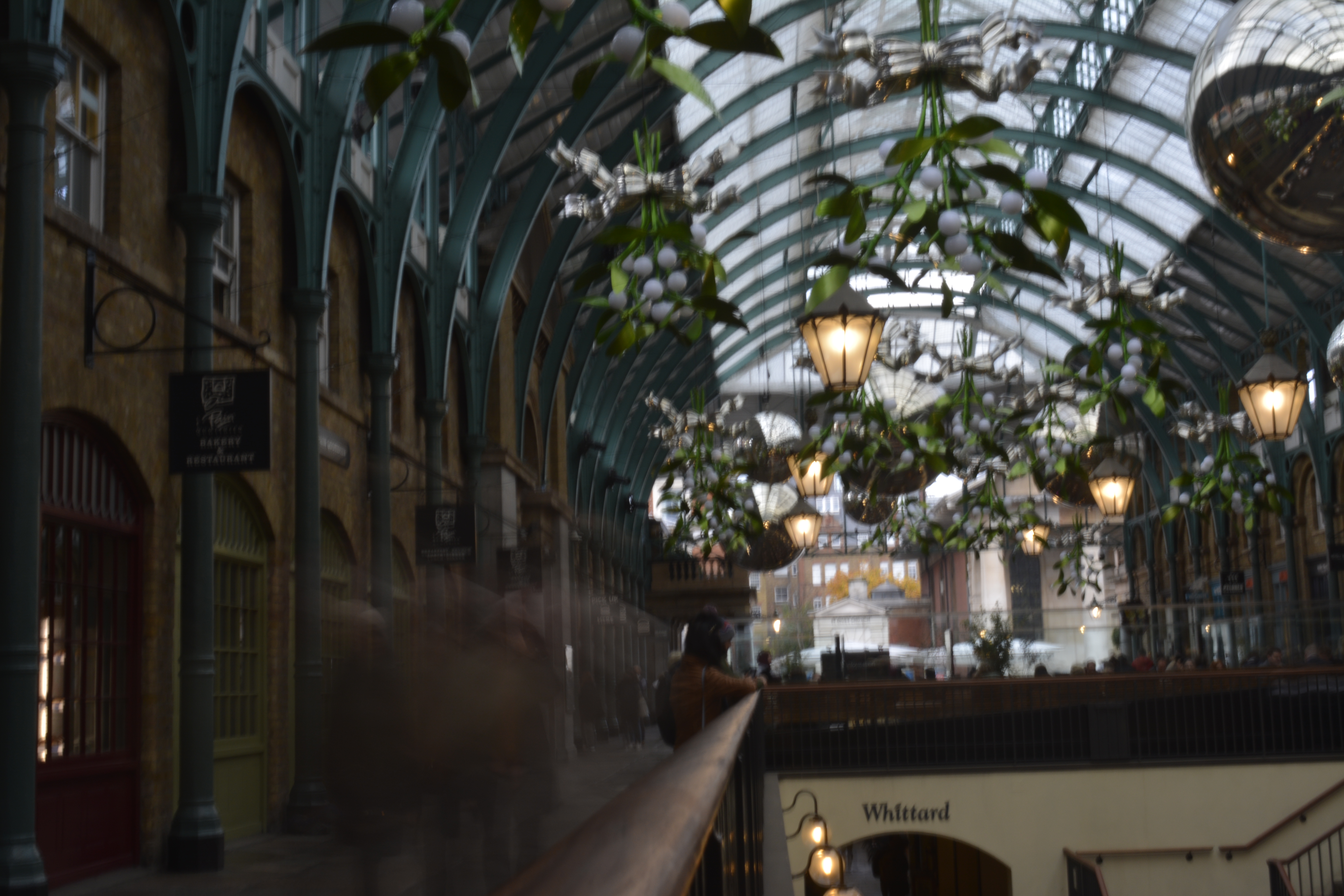
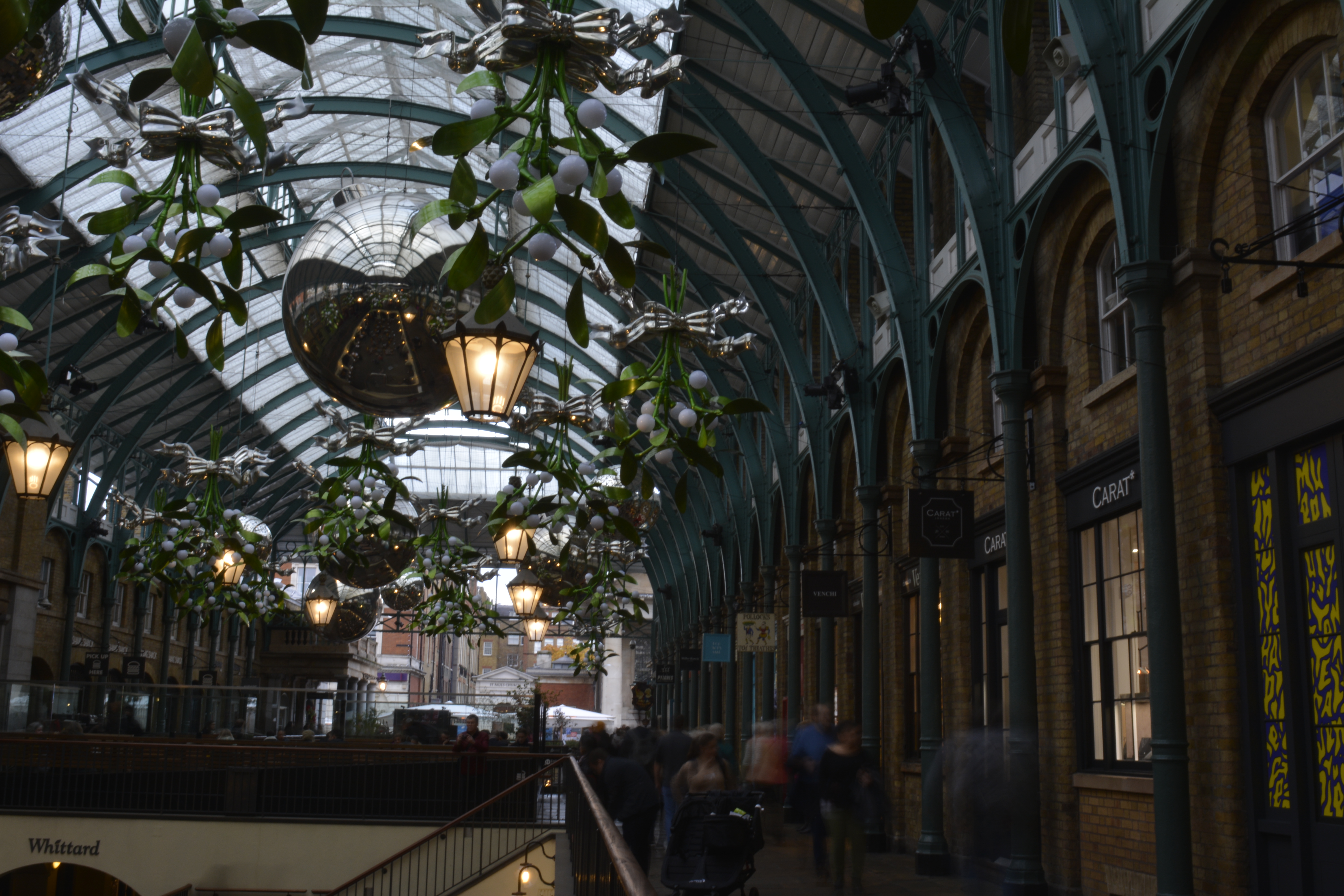
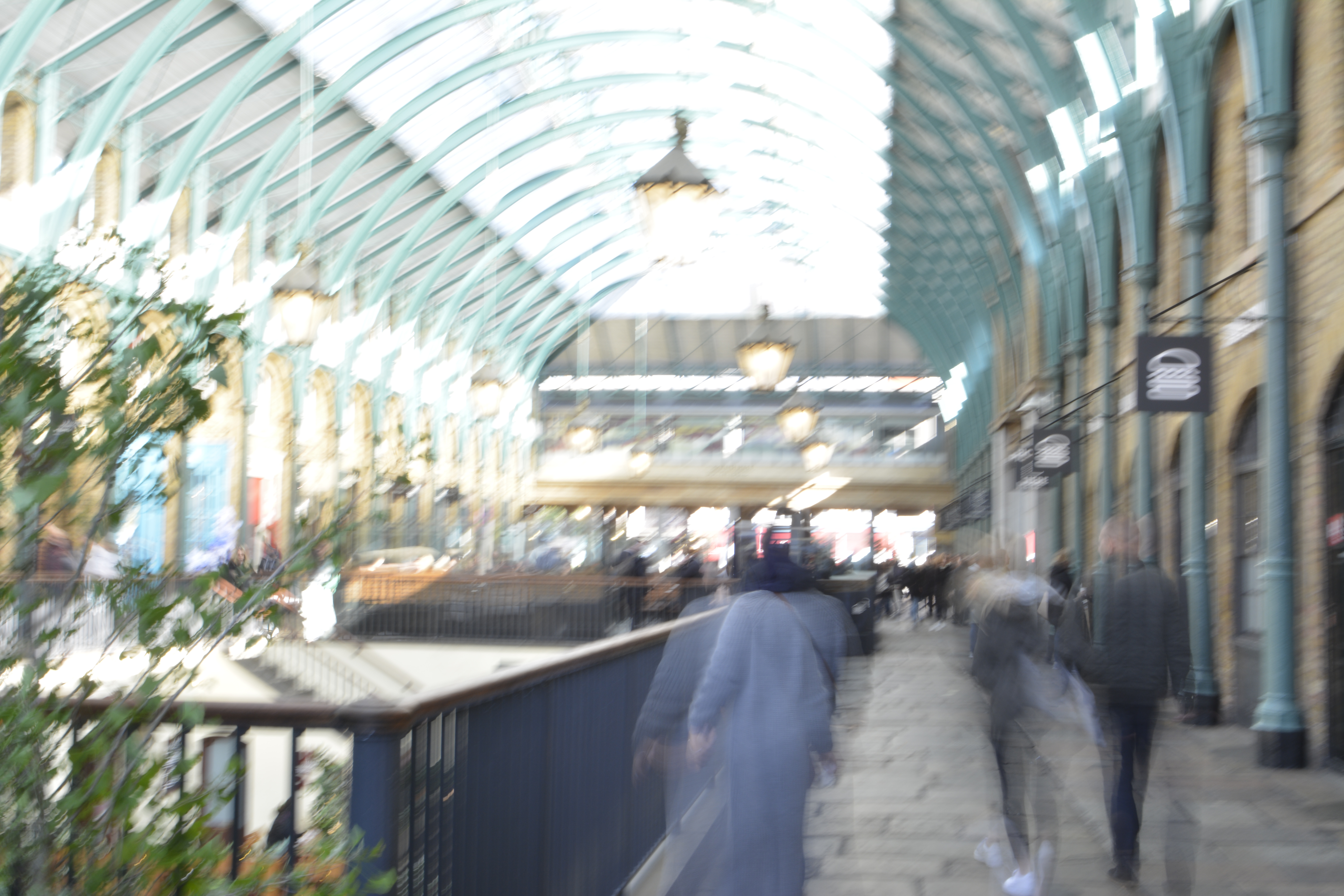
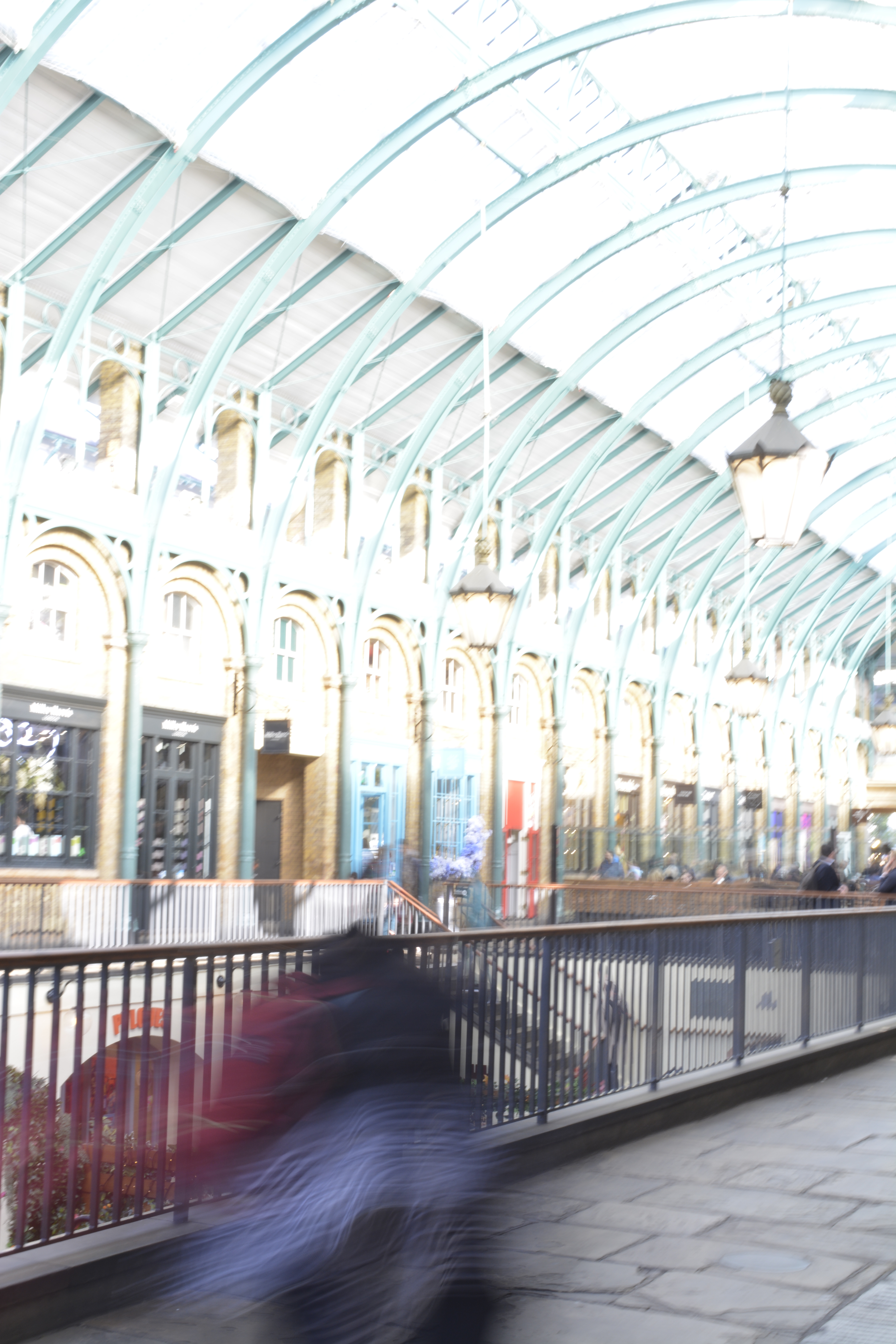
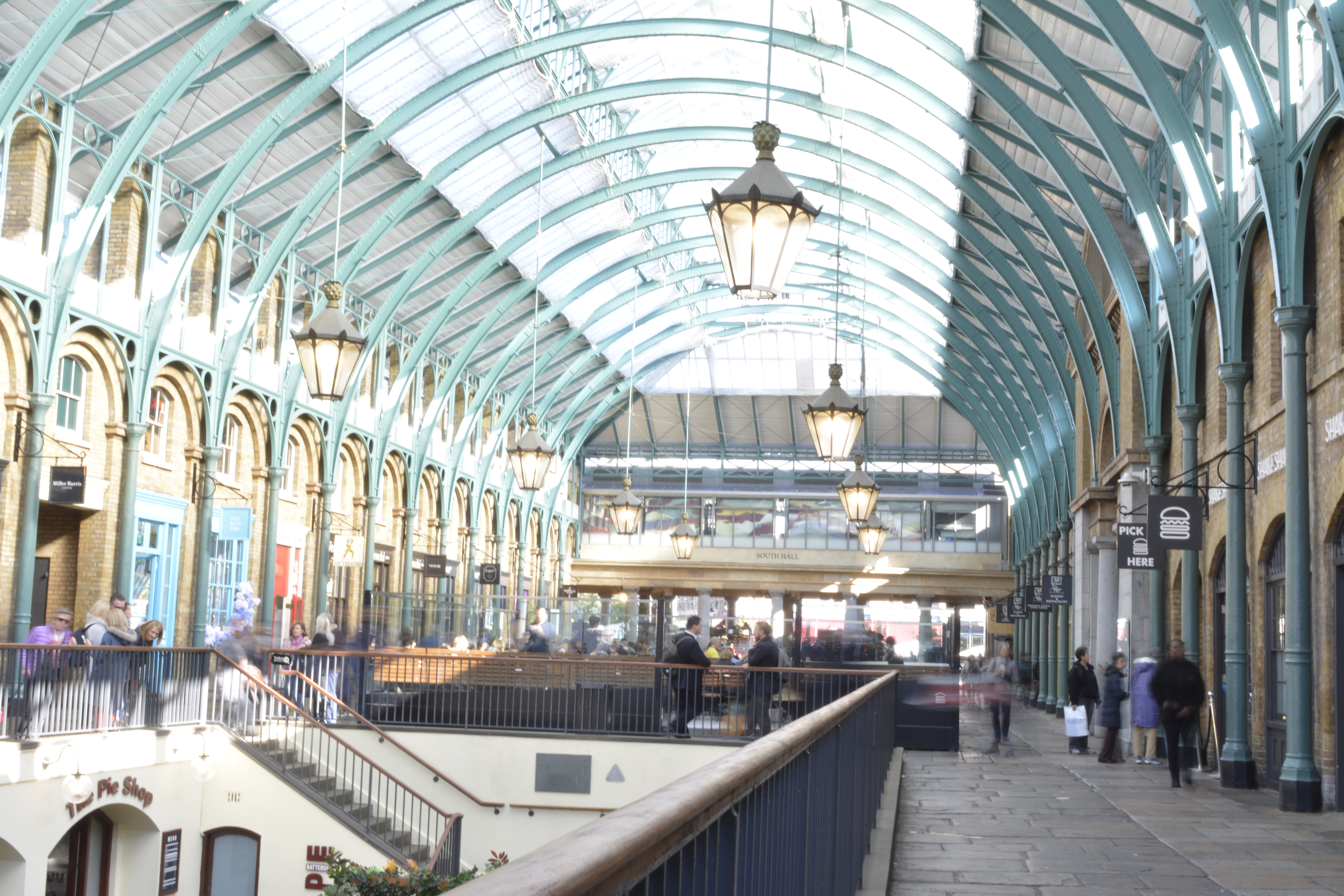
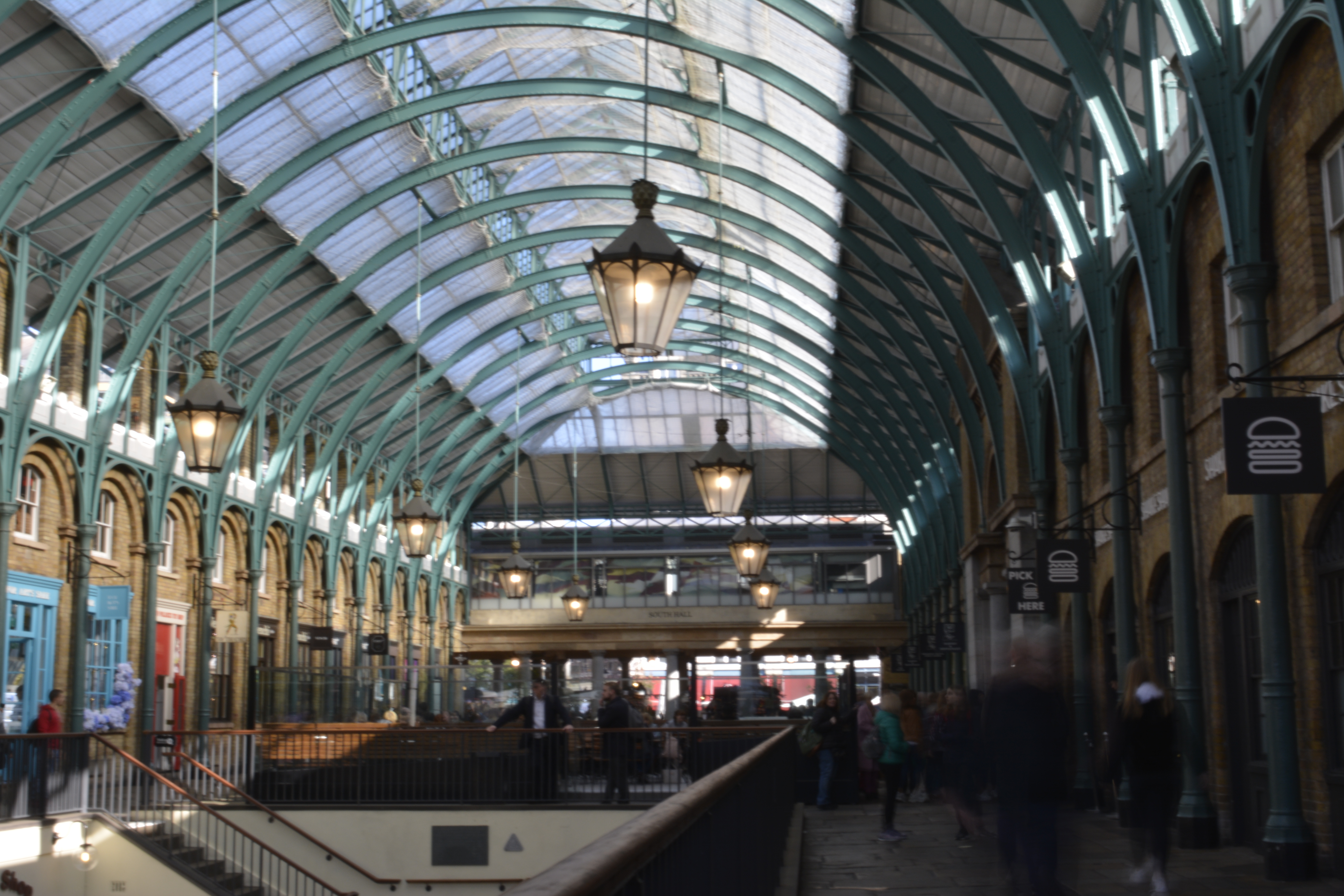
Heading back to Covent Garden I still wanted to try and Capture my initial idea for one of my final five photographs. The busiest area with the most footfall is the central balconies and market area, however I had to rethink how I was going to get my photograph as I wasn’t allowed to use a tripod.
I tried steadying the camera along a hand rail, however as I was still touching the camera it always led to some camera shake.
In these pictures I asked one of the stall vendor’s if I could use one of their stools to rest my camera on. As the stools were along the edge I wasn’t causing an obstruction. But I don’t think I have really captured as much motion blur or the beauty of Covent Garden as I would have liked.
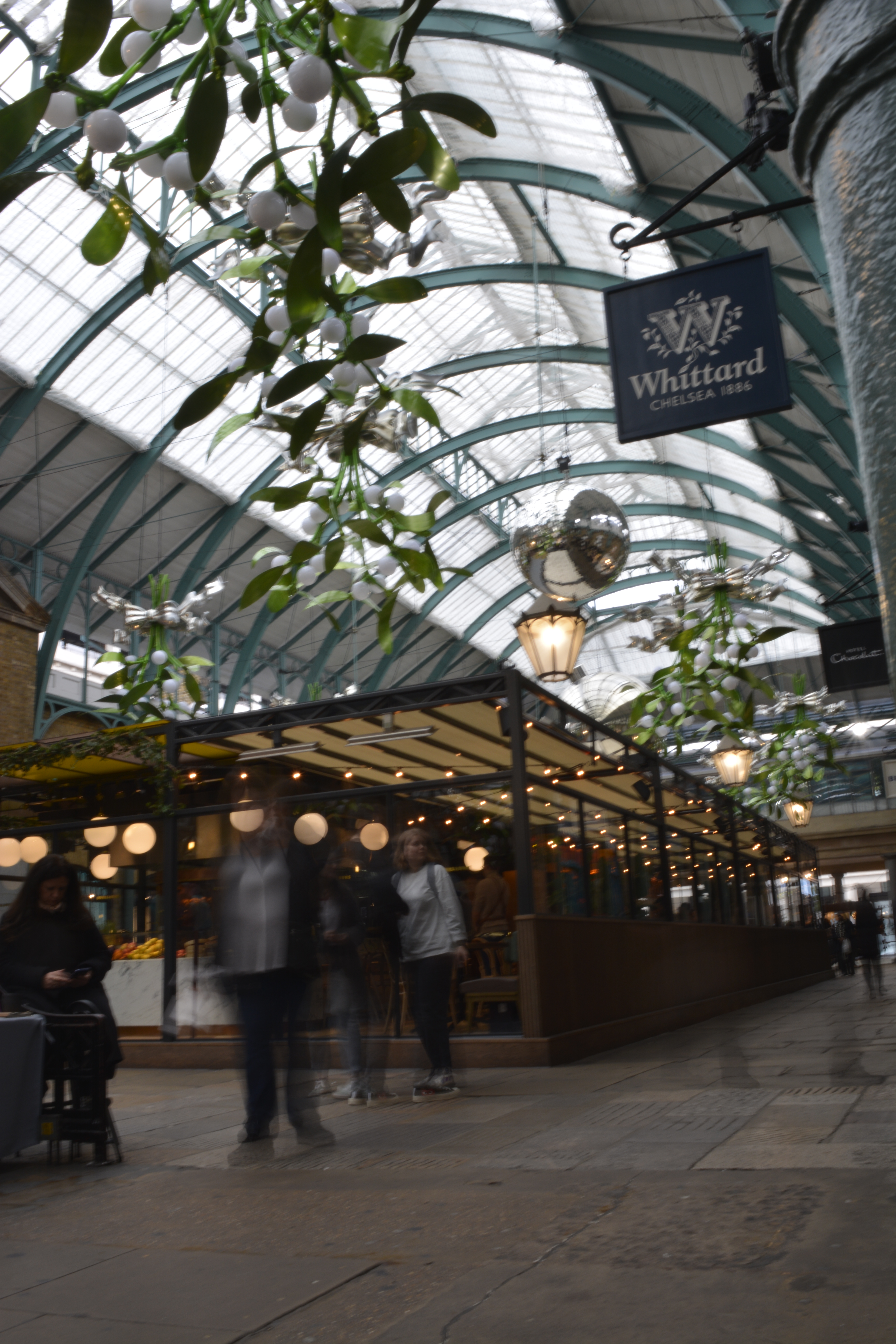
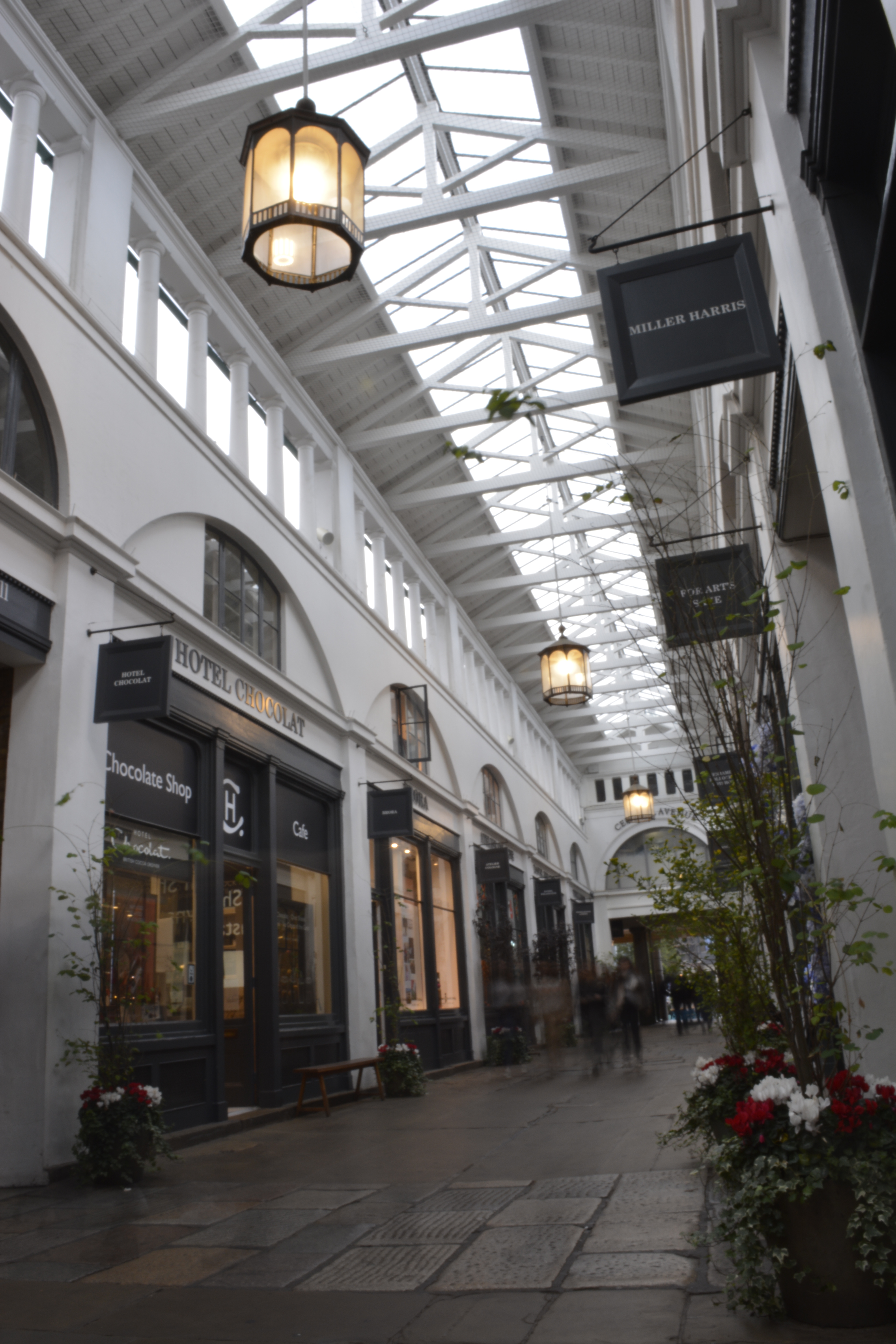
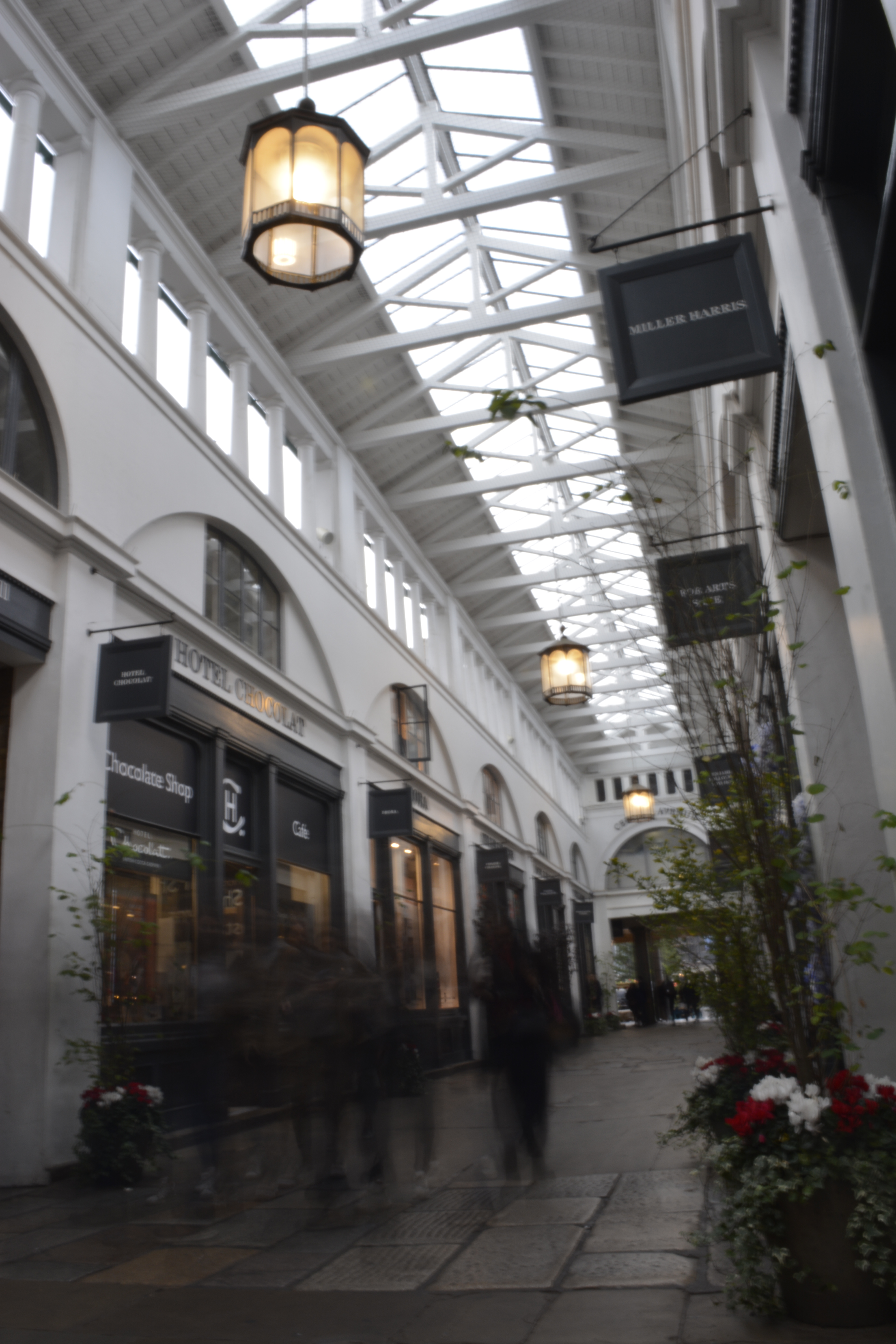
Still intent on getting a good photograph, I continued to walk around Covent Garden. Around the market halls there are smaller walkways with shops. There were benches situated along the walkways. Keeping in mind that I wasn’t allowed to set up a tripod I had the idea of sitting on the bench and setting my tripod on the seat next to me. I didn’t extend the tripod and kept it small. As the camera was quite low from not extending the tripod, it gave a good angle on this next set of photographs. Also being a smaller walk way, the flow of people walking past was more concentrated and therefore I managed to capture a better motion blur.
China Town
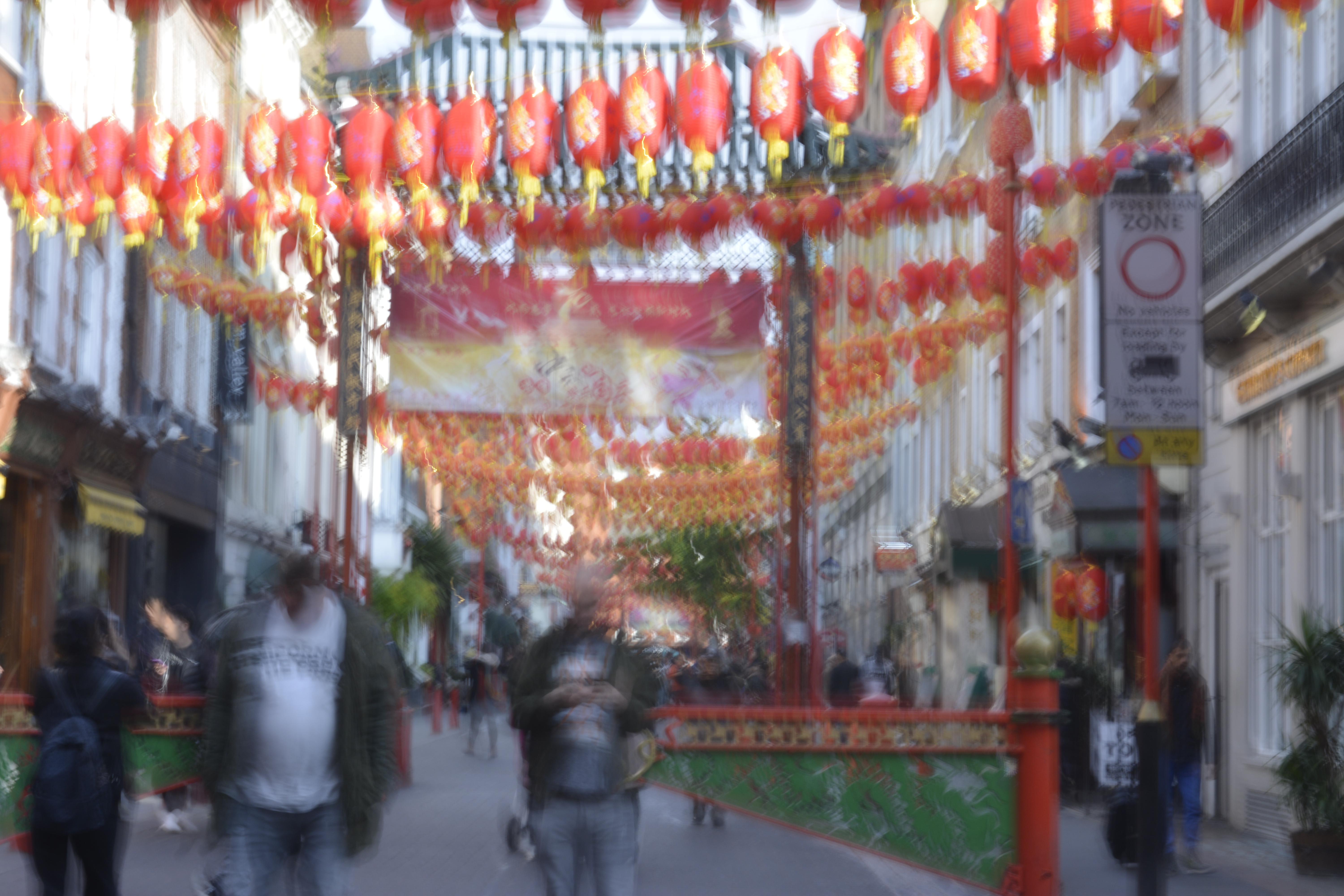
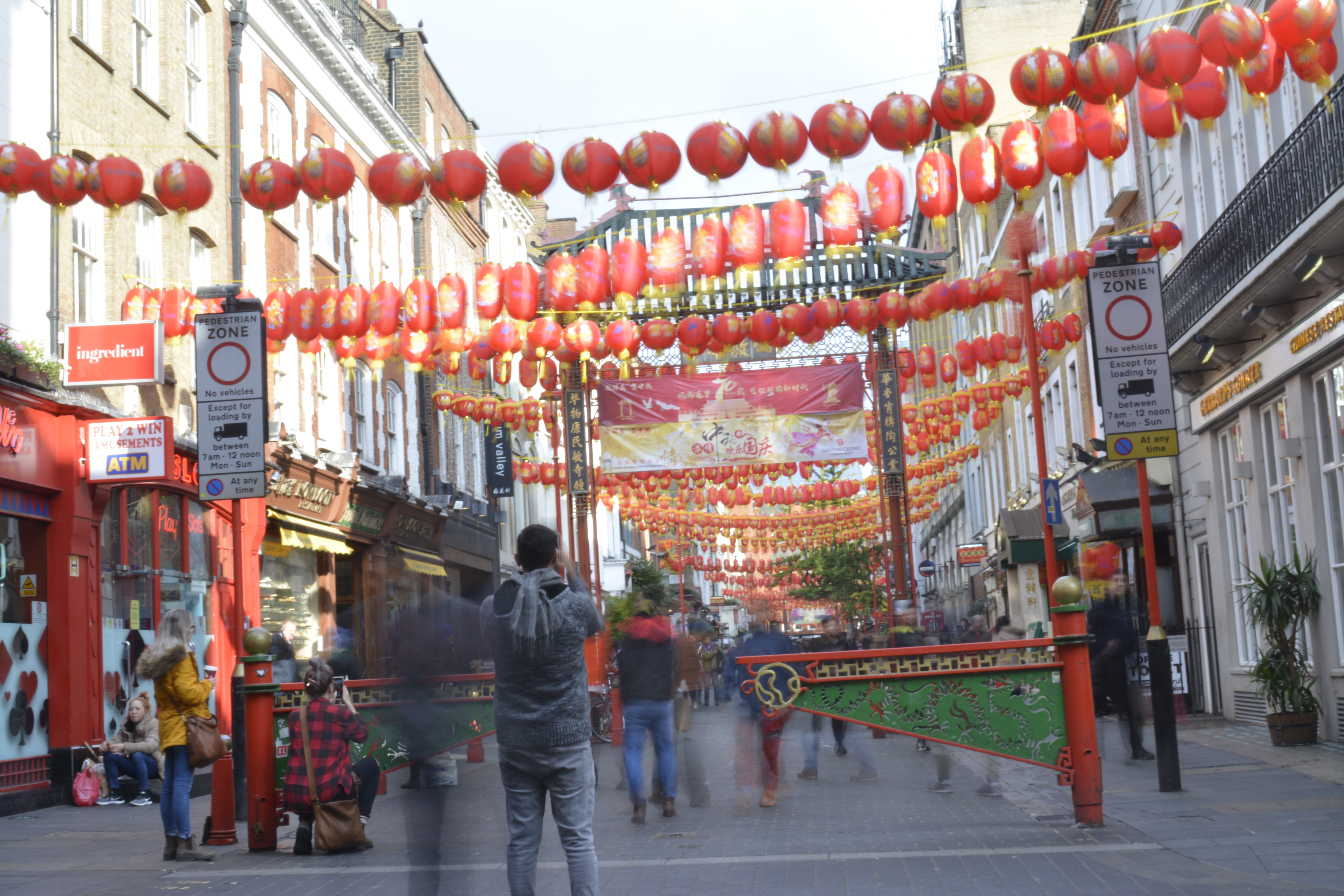
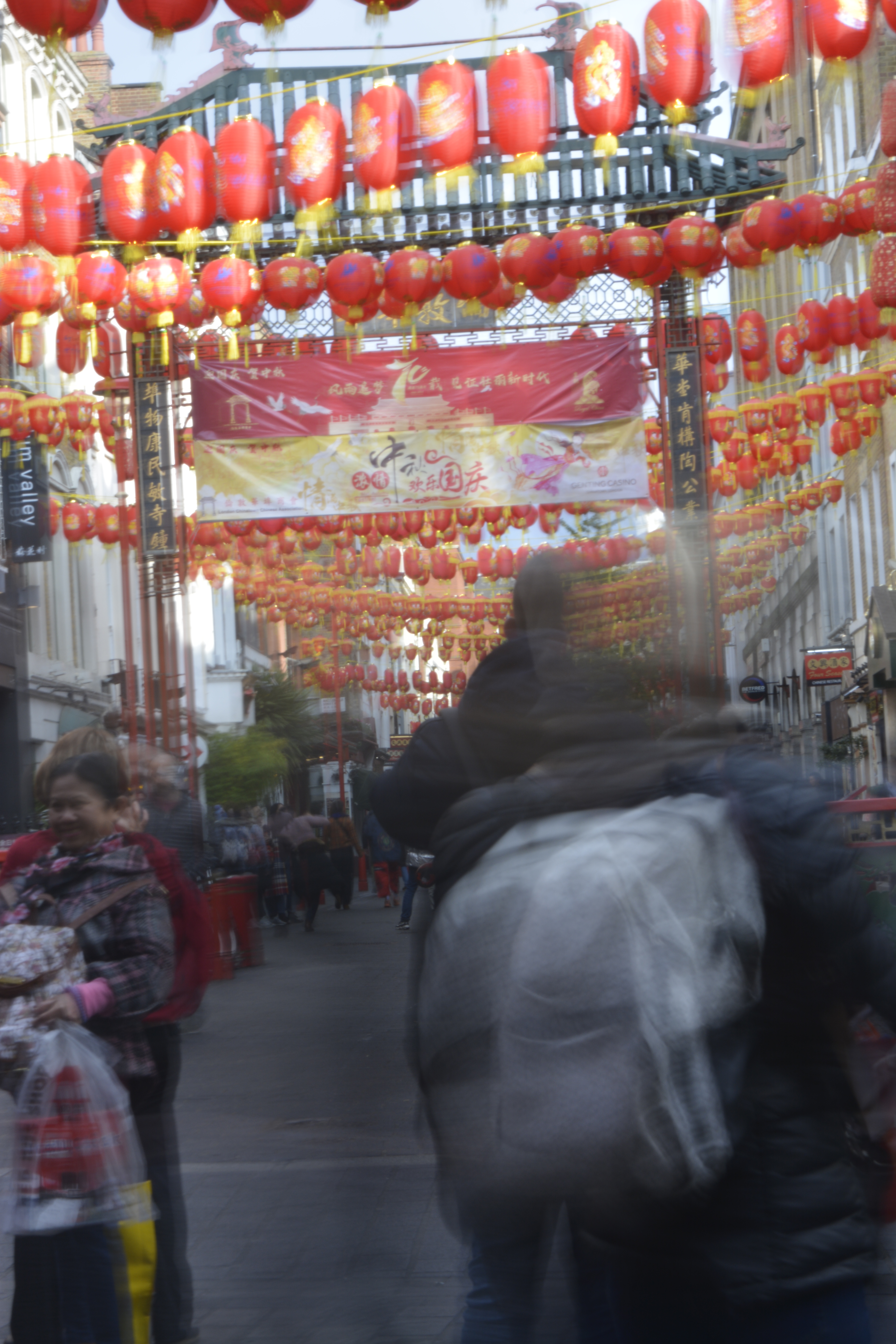
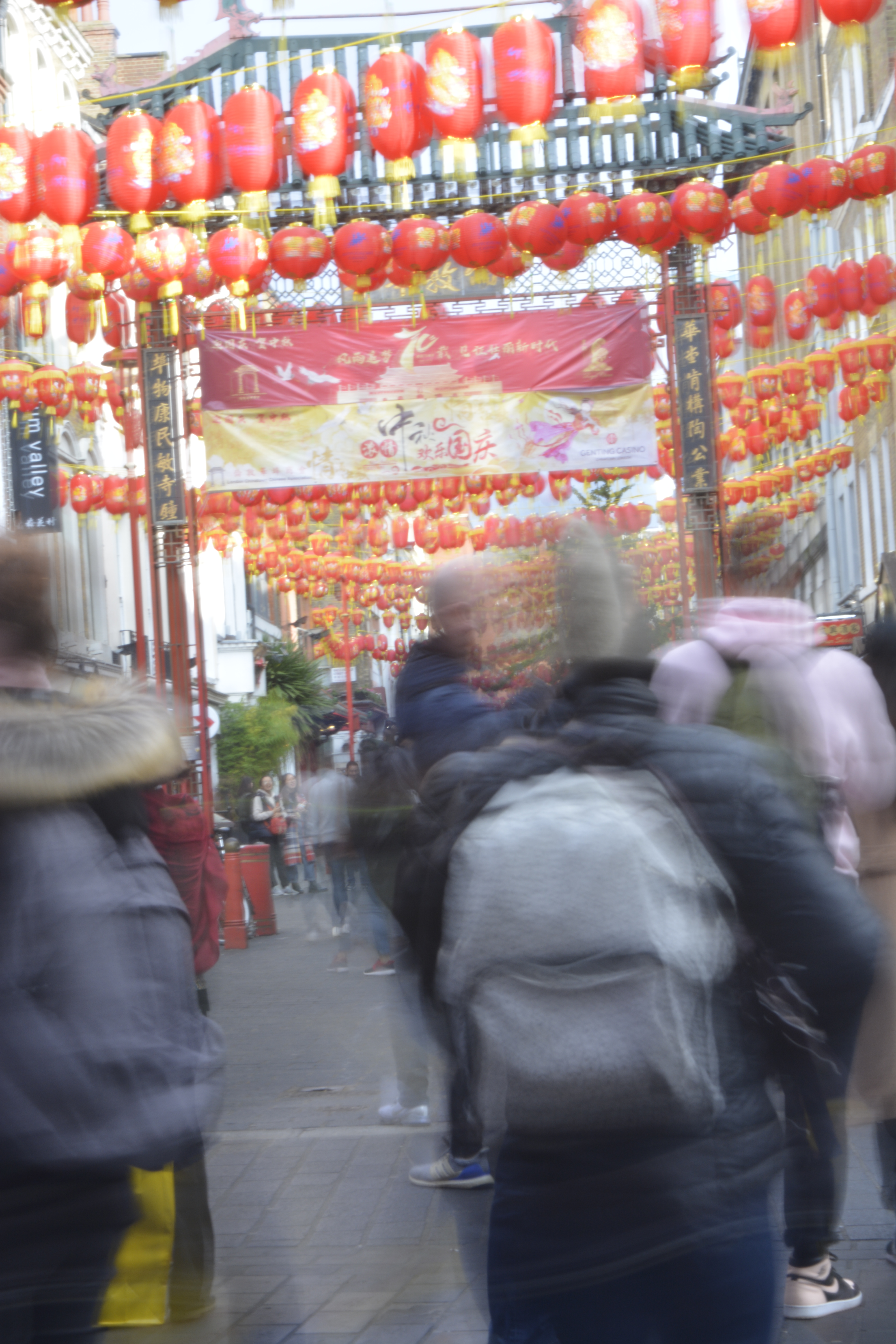
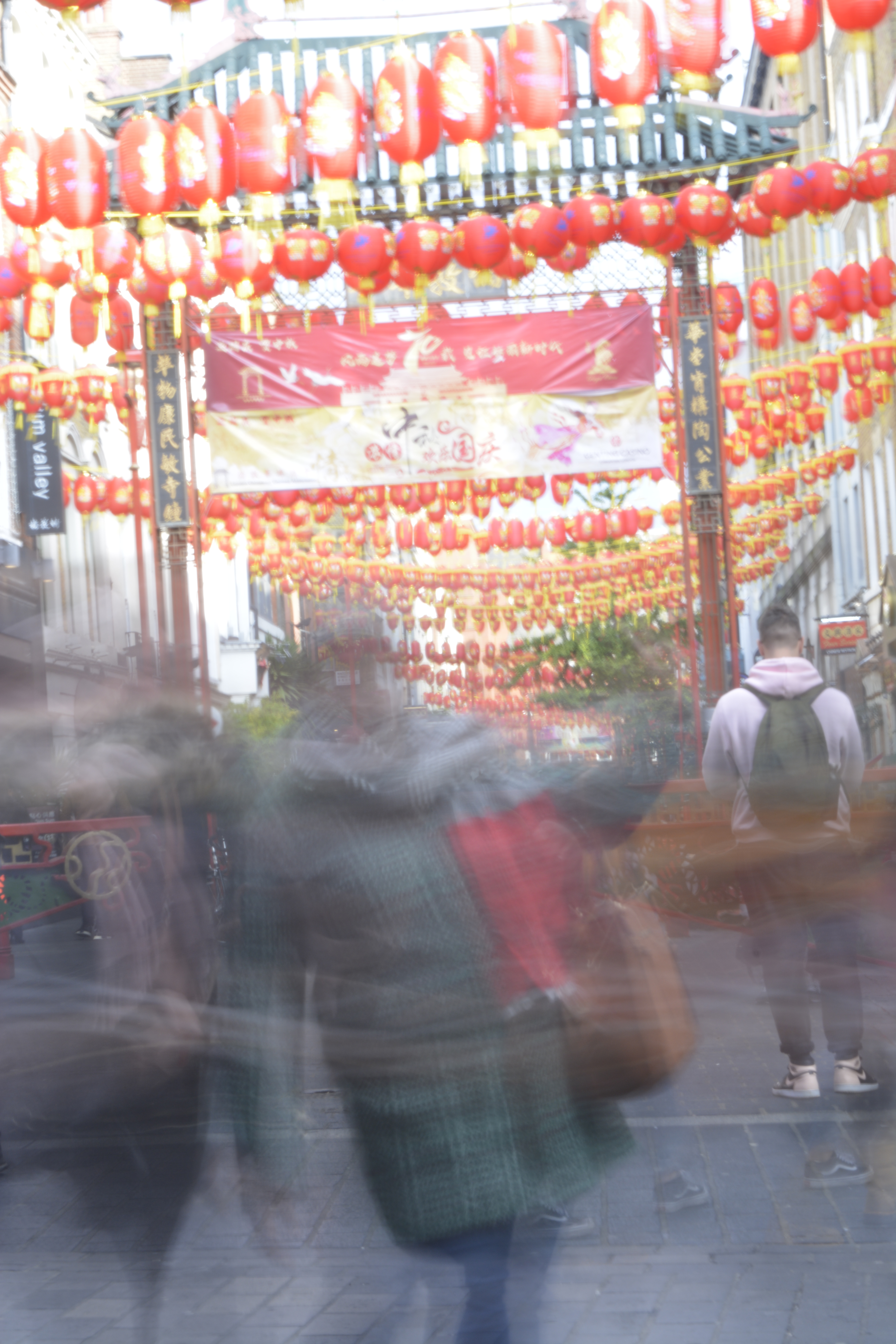
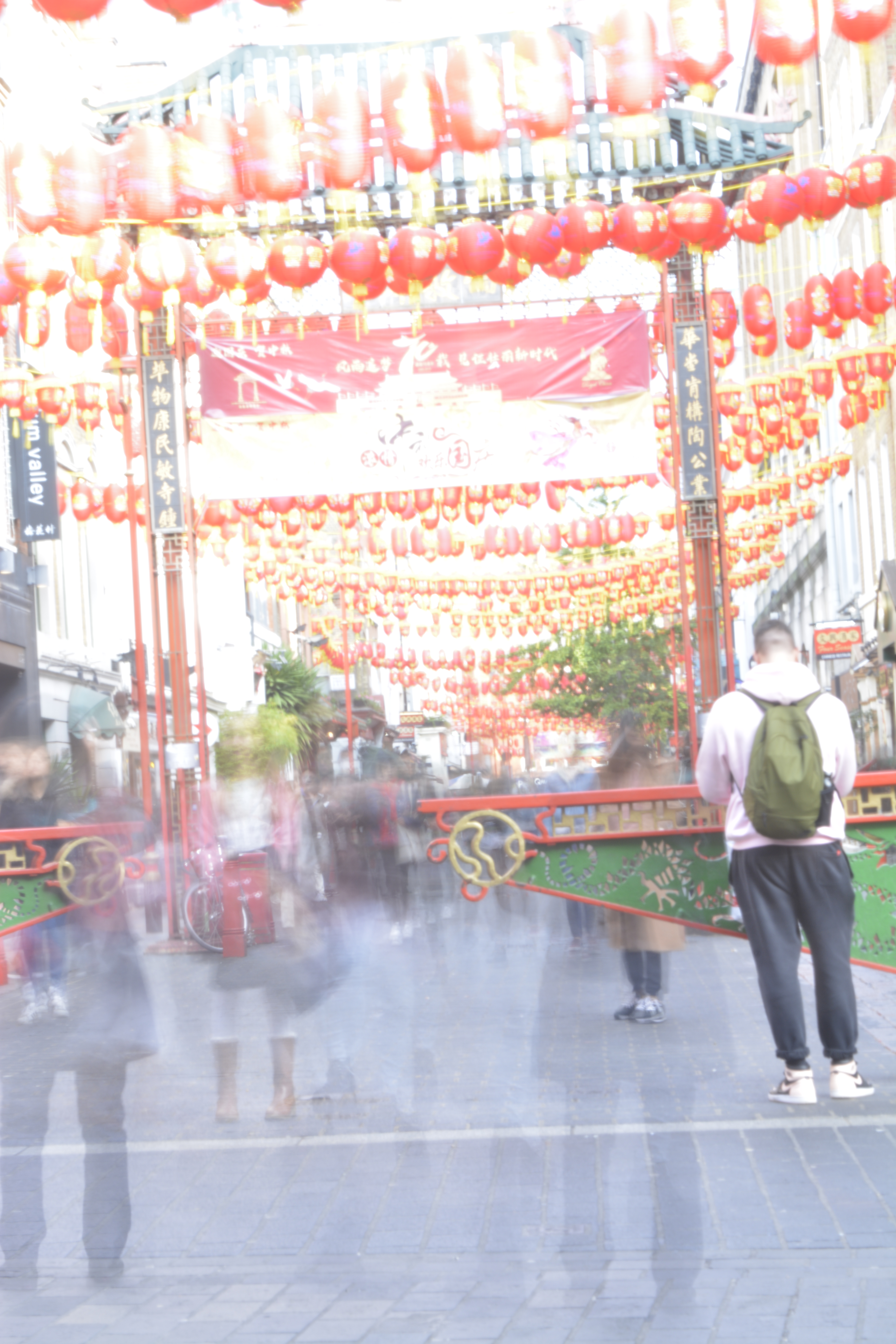
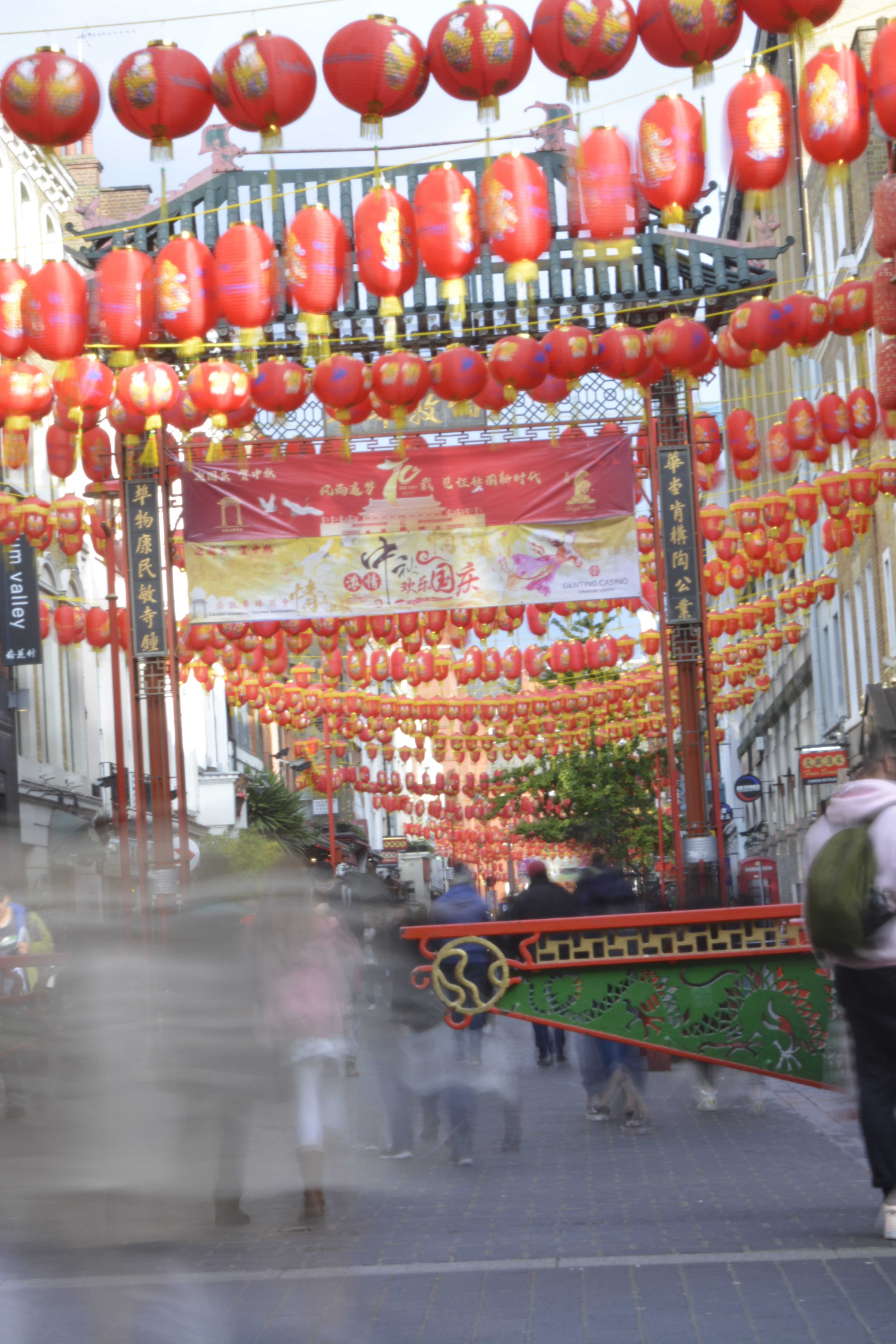
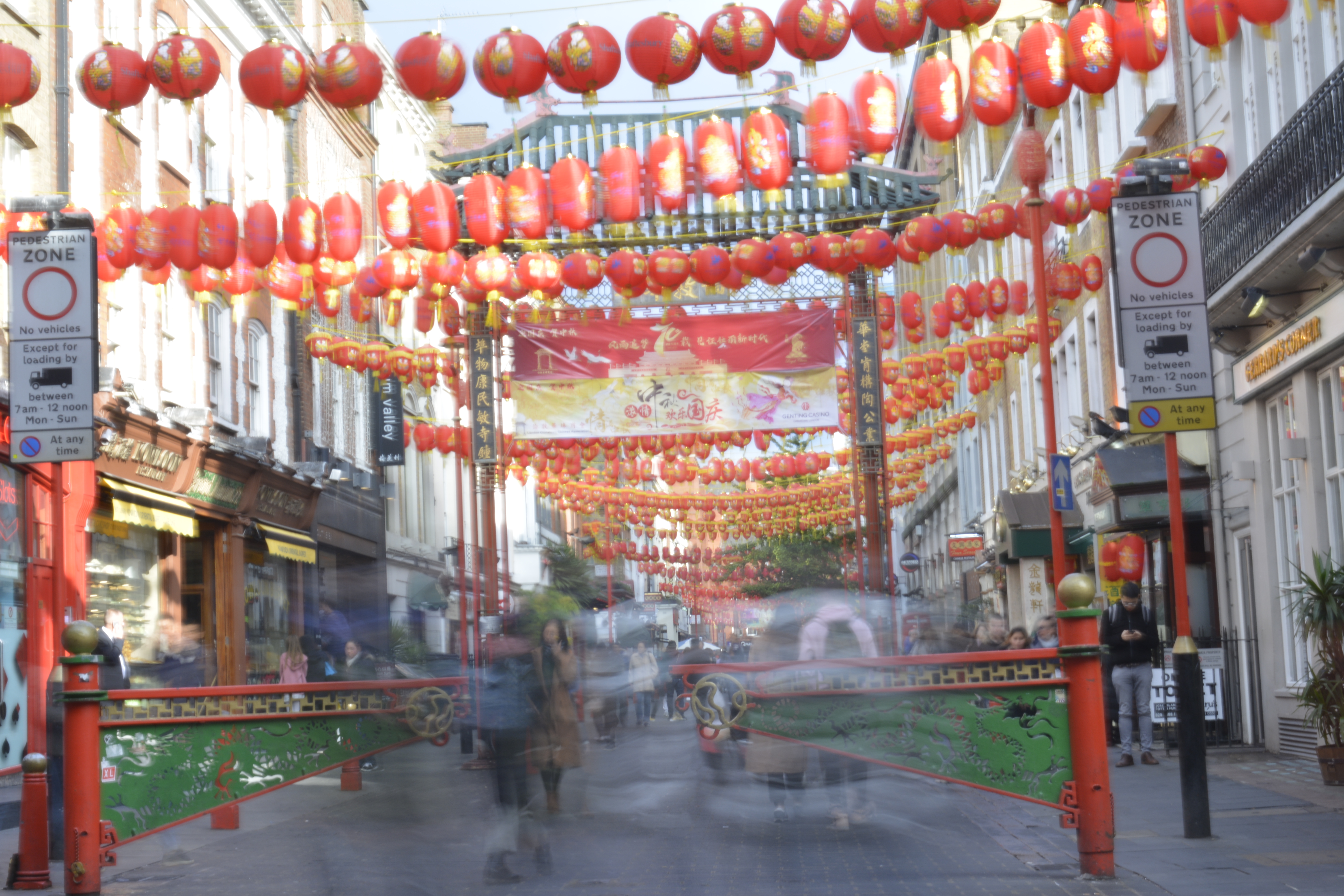
Walking through Chinatown I thought that the lanterns would make for a great picture. However as they all independently move I was unable to get a crisp background shot with moving people. It all looks slightly out of focus.
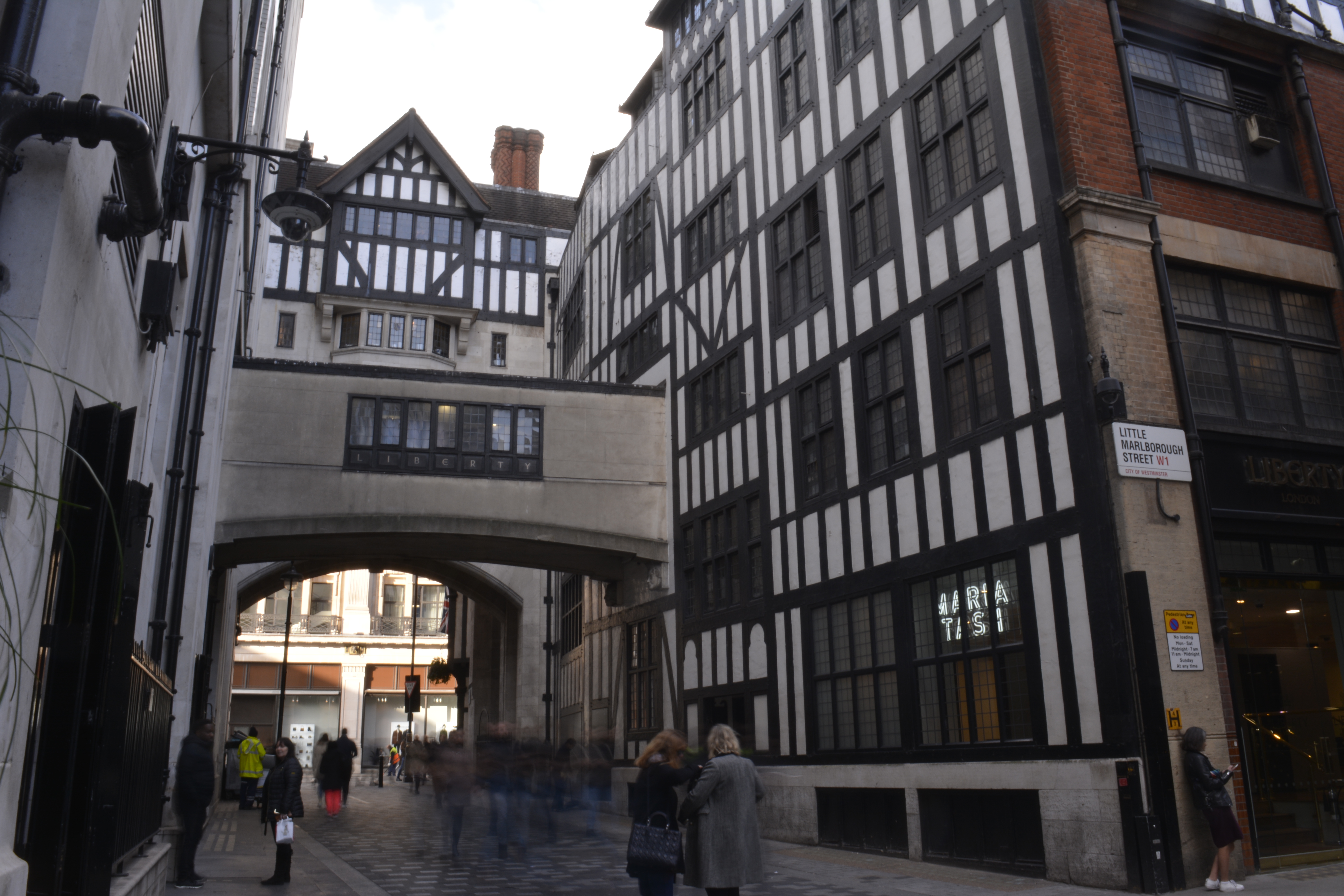
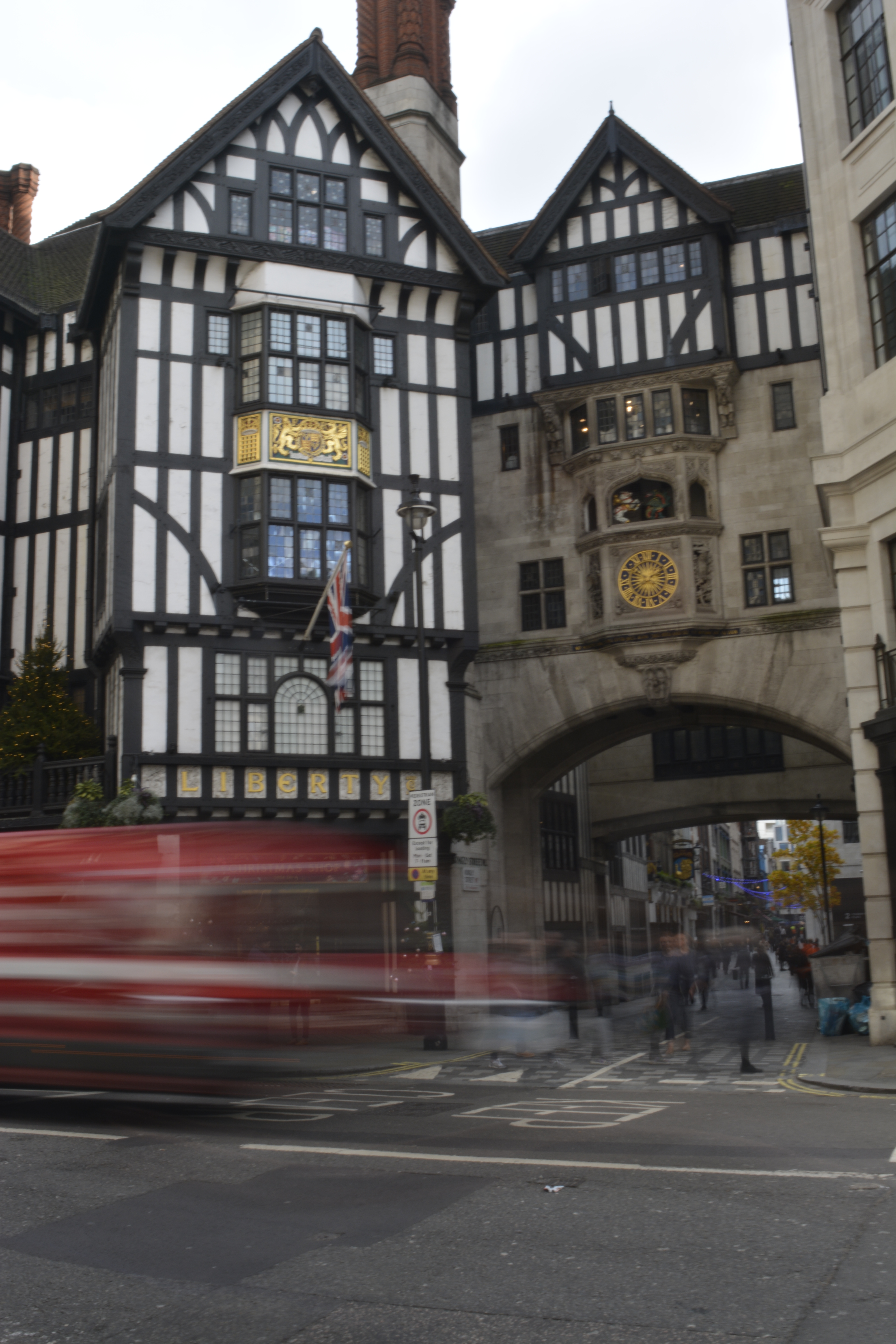
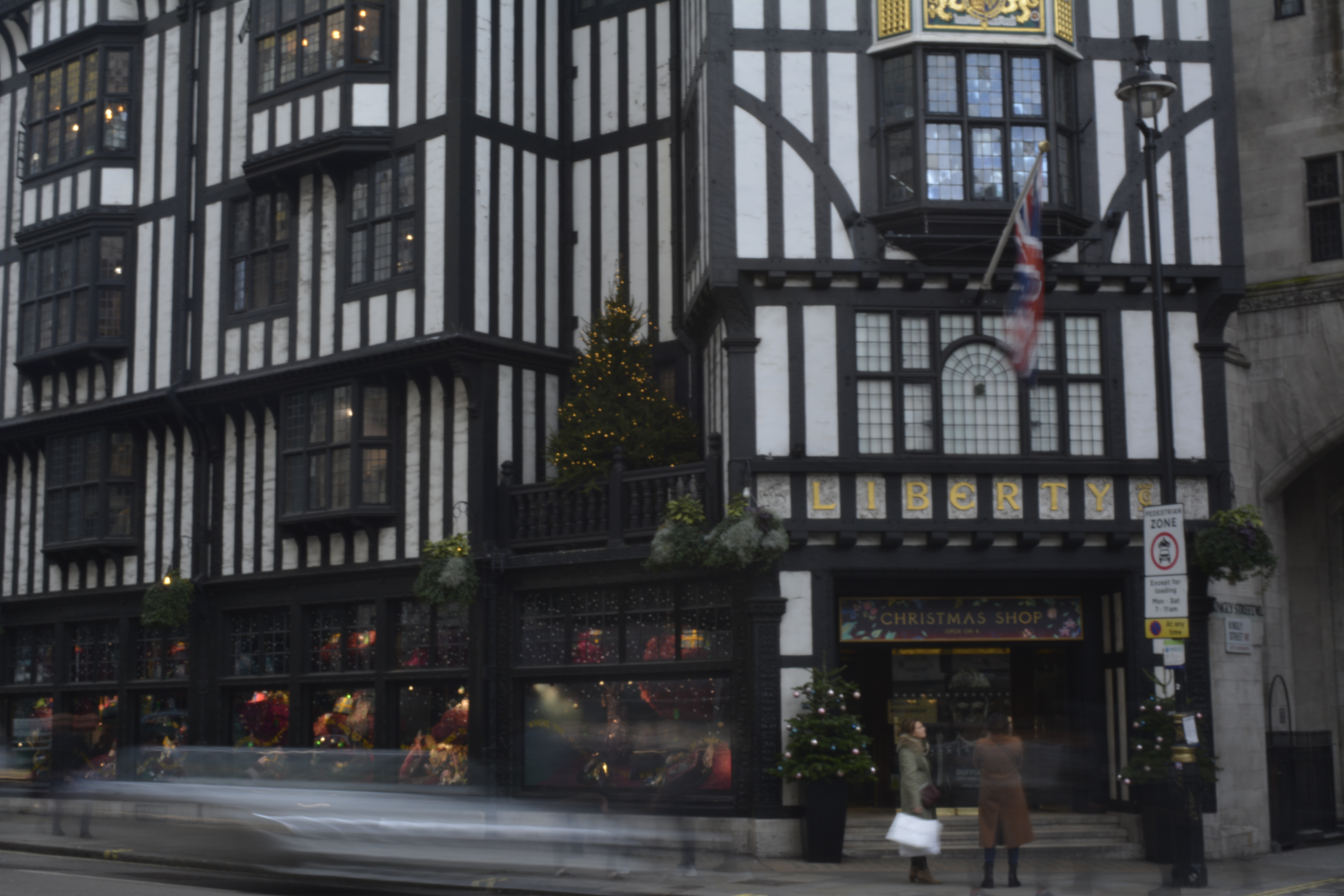
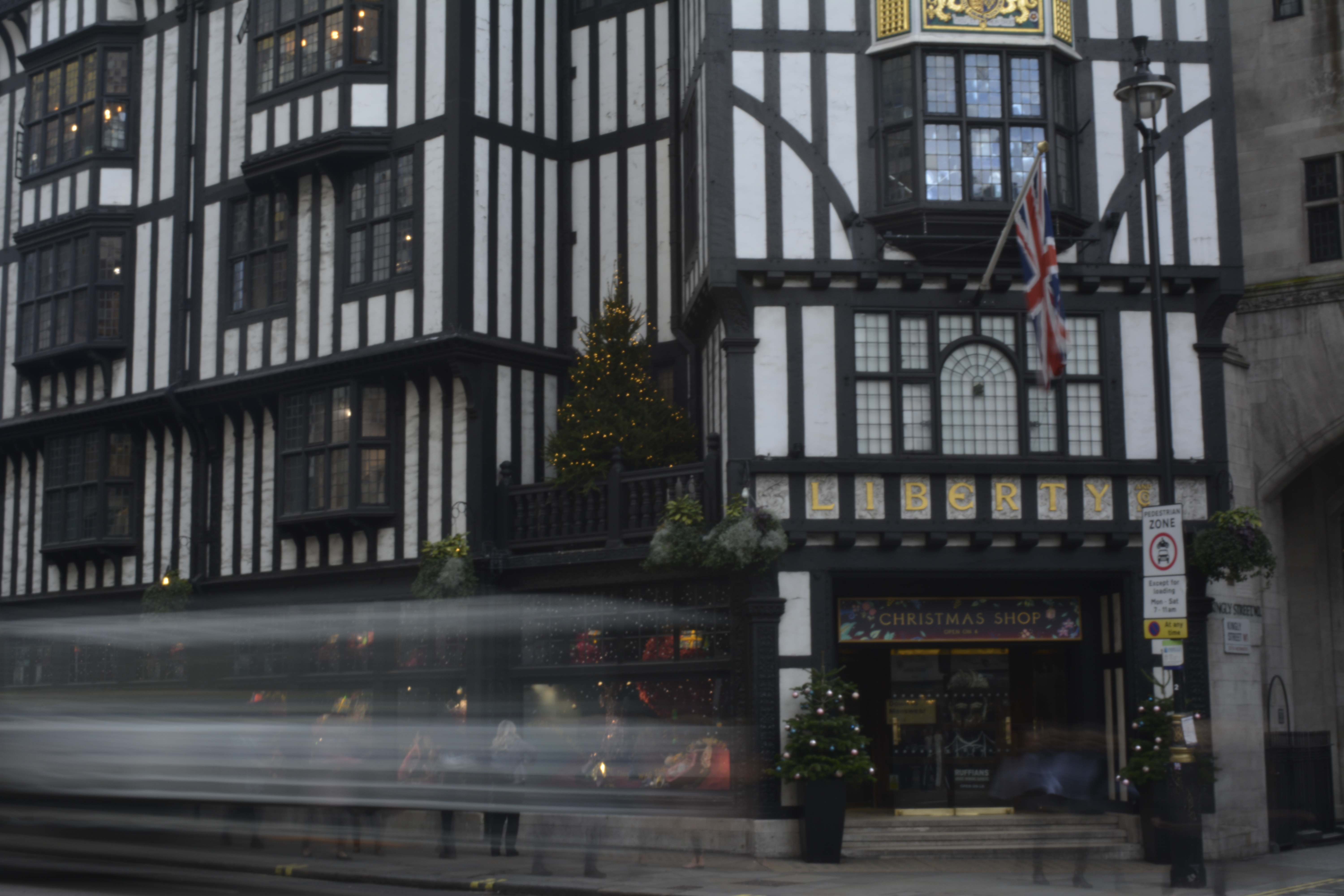
Liberty’s
The Liberty store building has a lot of history and is very different from its surroundings. I wanted to photograph this lovely central London building with traffic and/or people passing not stopping to take in its beauty.
I found a ledge on the opposite side of the road past the pavement to position myself on. This was close to some traffic lights where the traffic often stopped so I decided to find another angle.
I positioned myself in the middle of a side road. The road wasn’t busy and I was extremely careful and considerate of the traffic.
I like to take someone with me when I’m travelling up to London, I never want to go by myself. But then I always feel guilty when I keep them waiting while I’m taking photographs. Today I decided to go on my own for this recce trip to Central London. The weather was bright and dry. I pushed myself to go it alone, as I remember the other times when I bring someone with me. I’m so glad I made the trip on my own, I have the freedom to really work on getting the correct photograph.
On this recce I made a total school boy error! Should have fully charged my battery for my camera before I left home!!!!! The first thing I have learnt during this project.
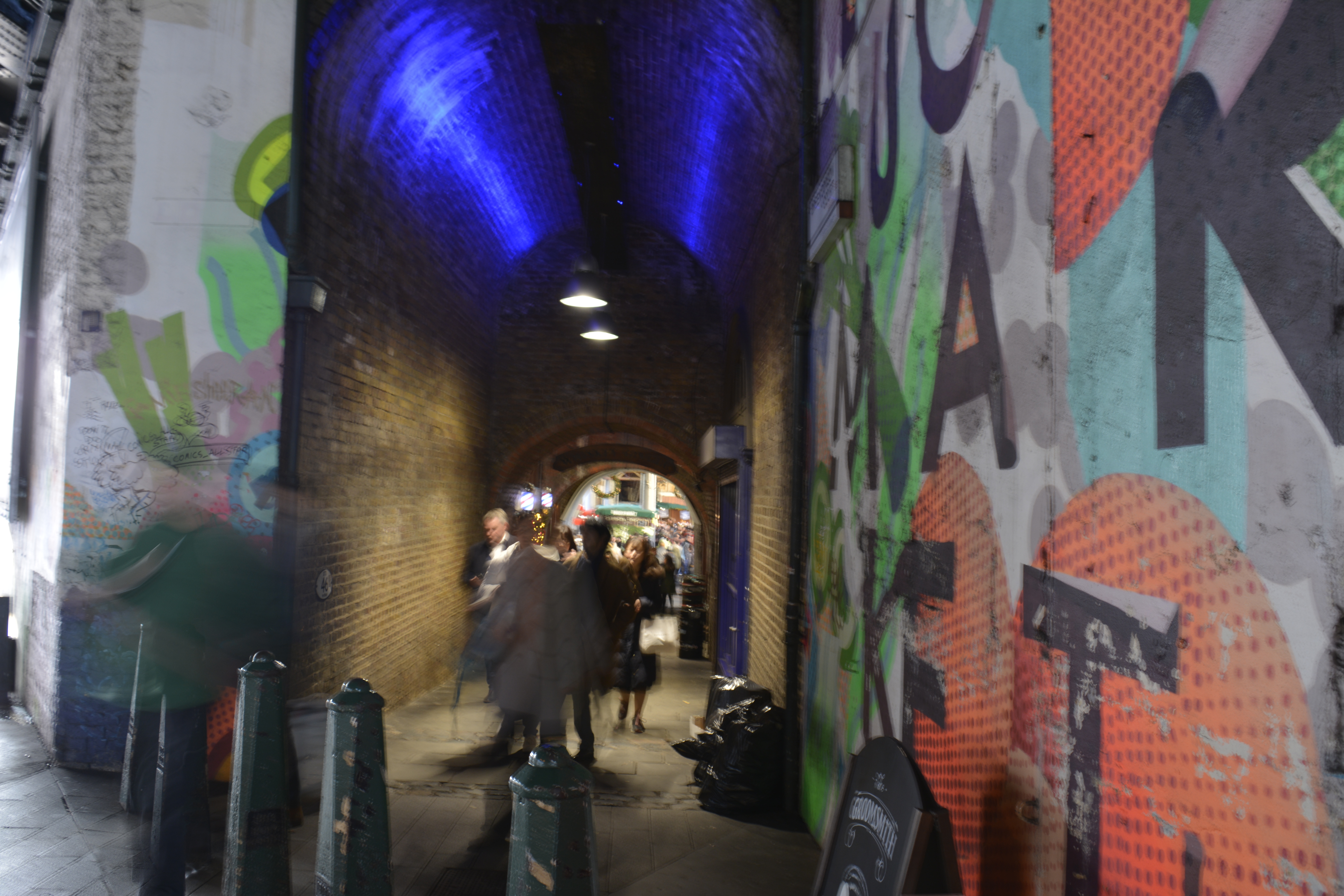
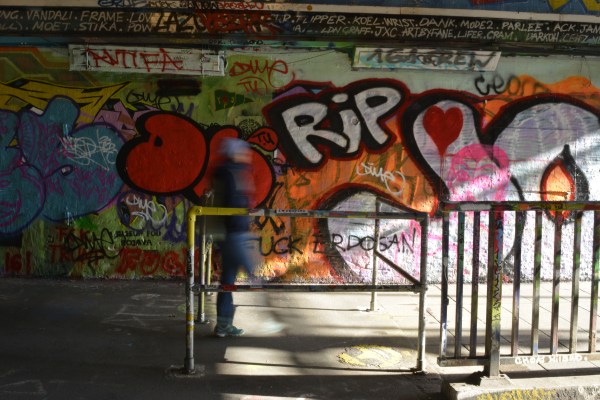
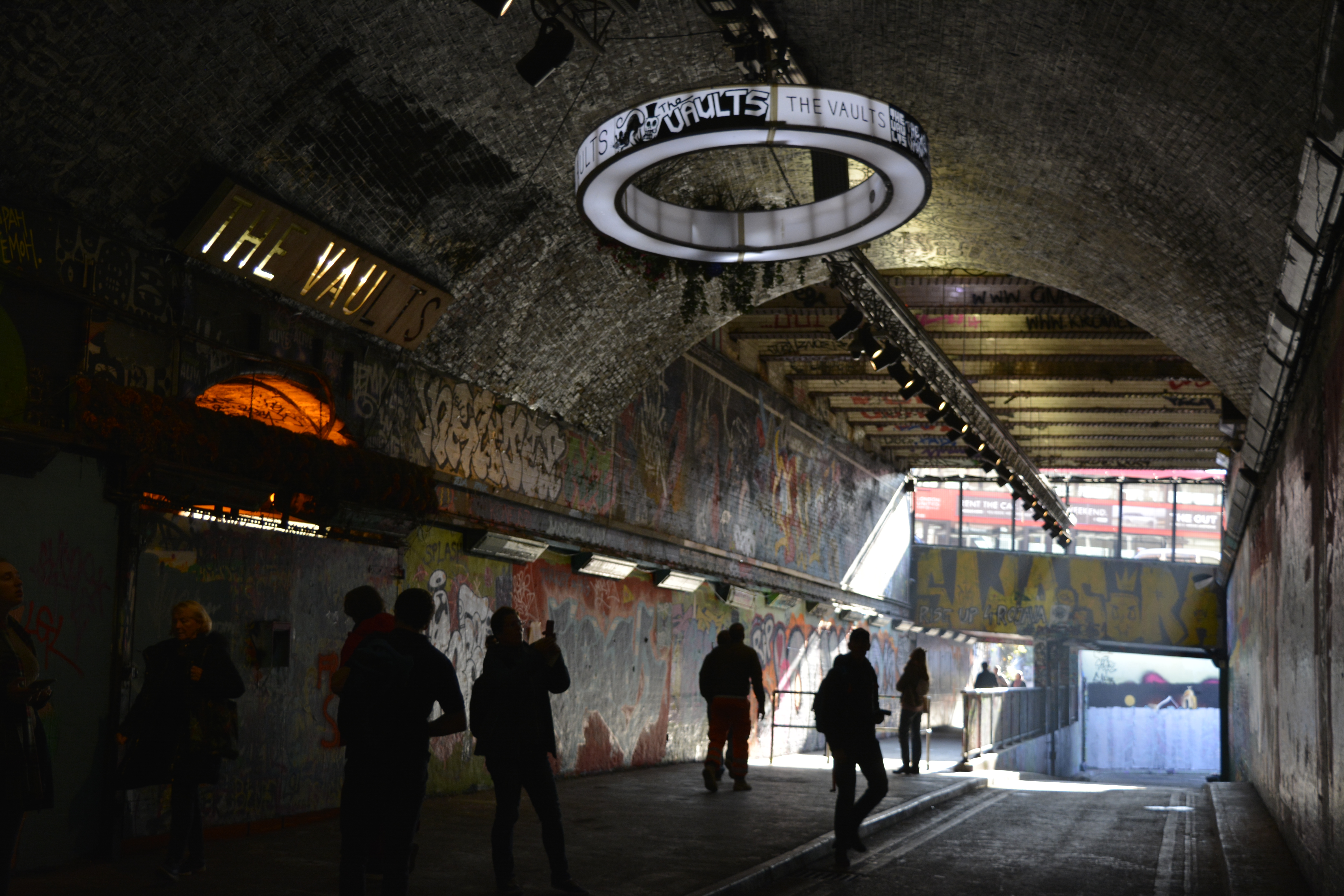
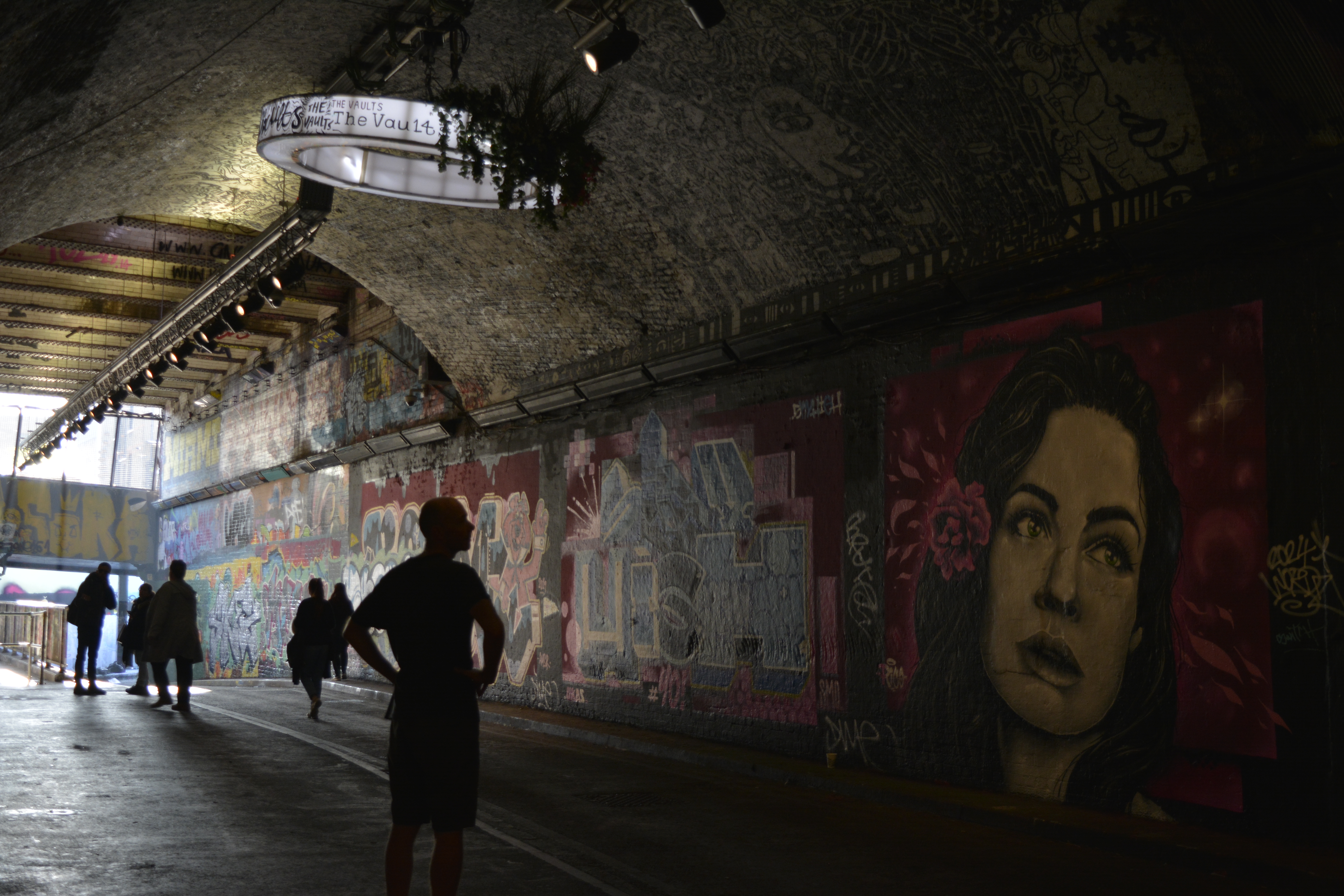
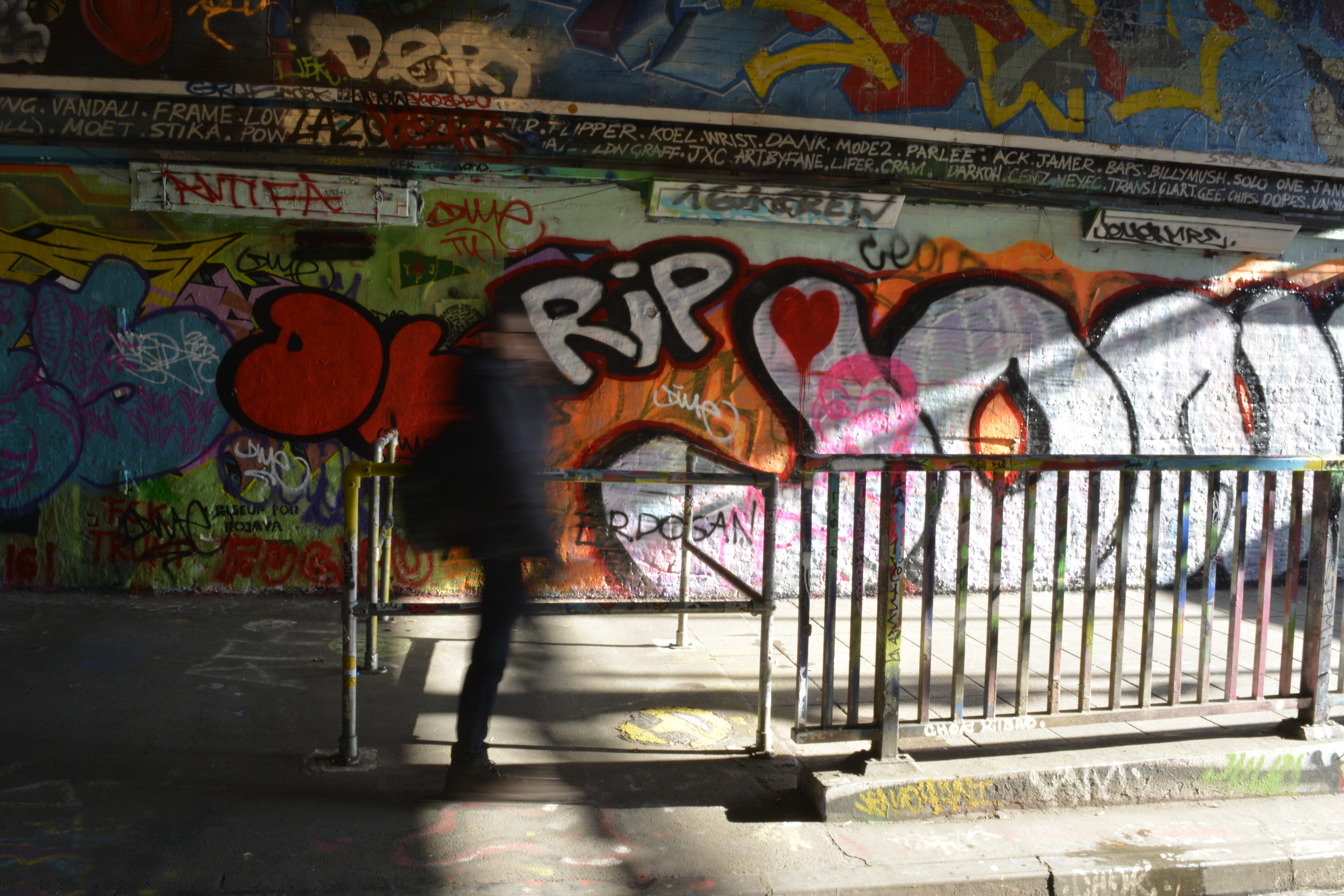
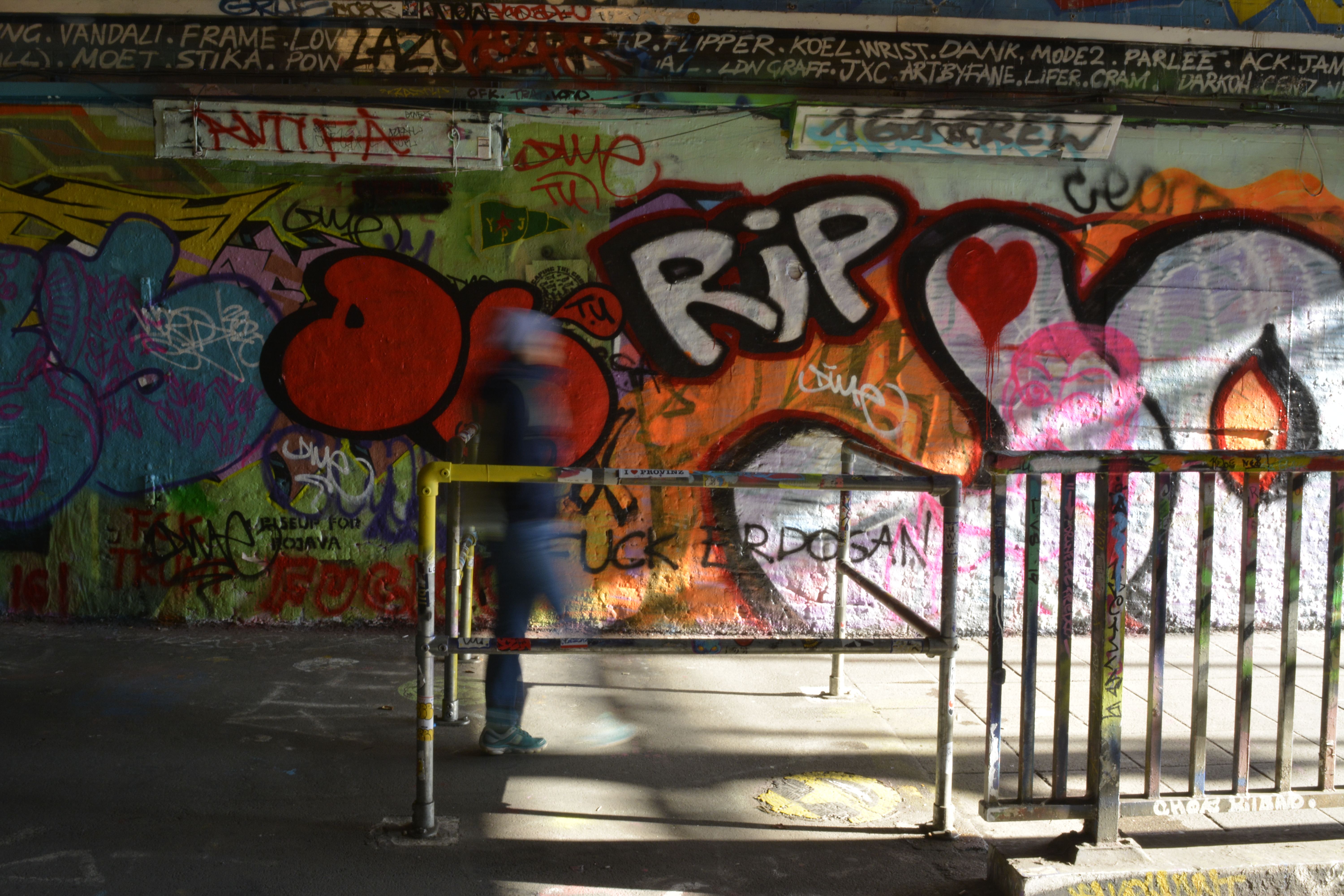
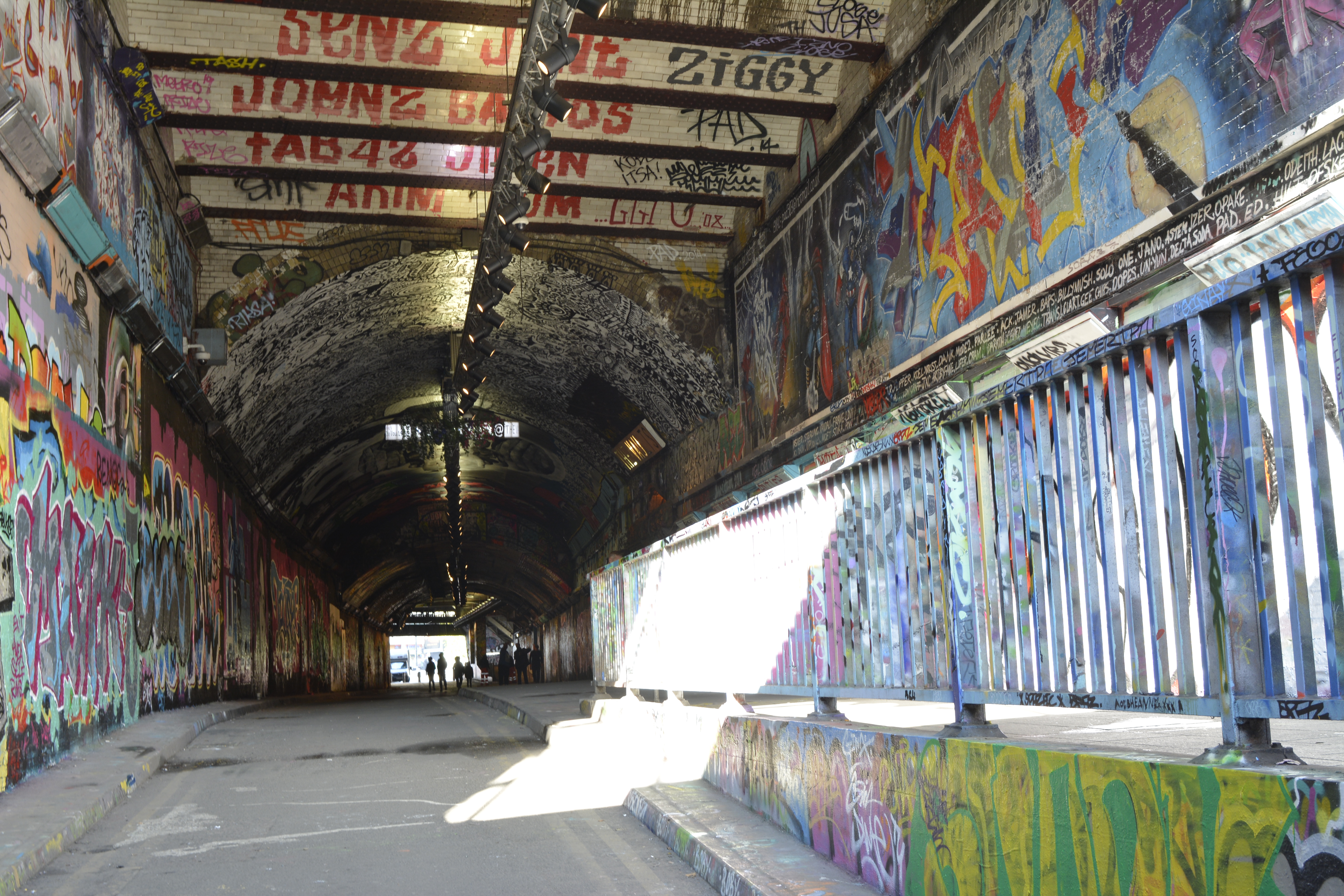
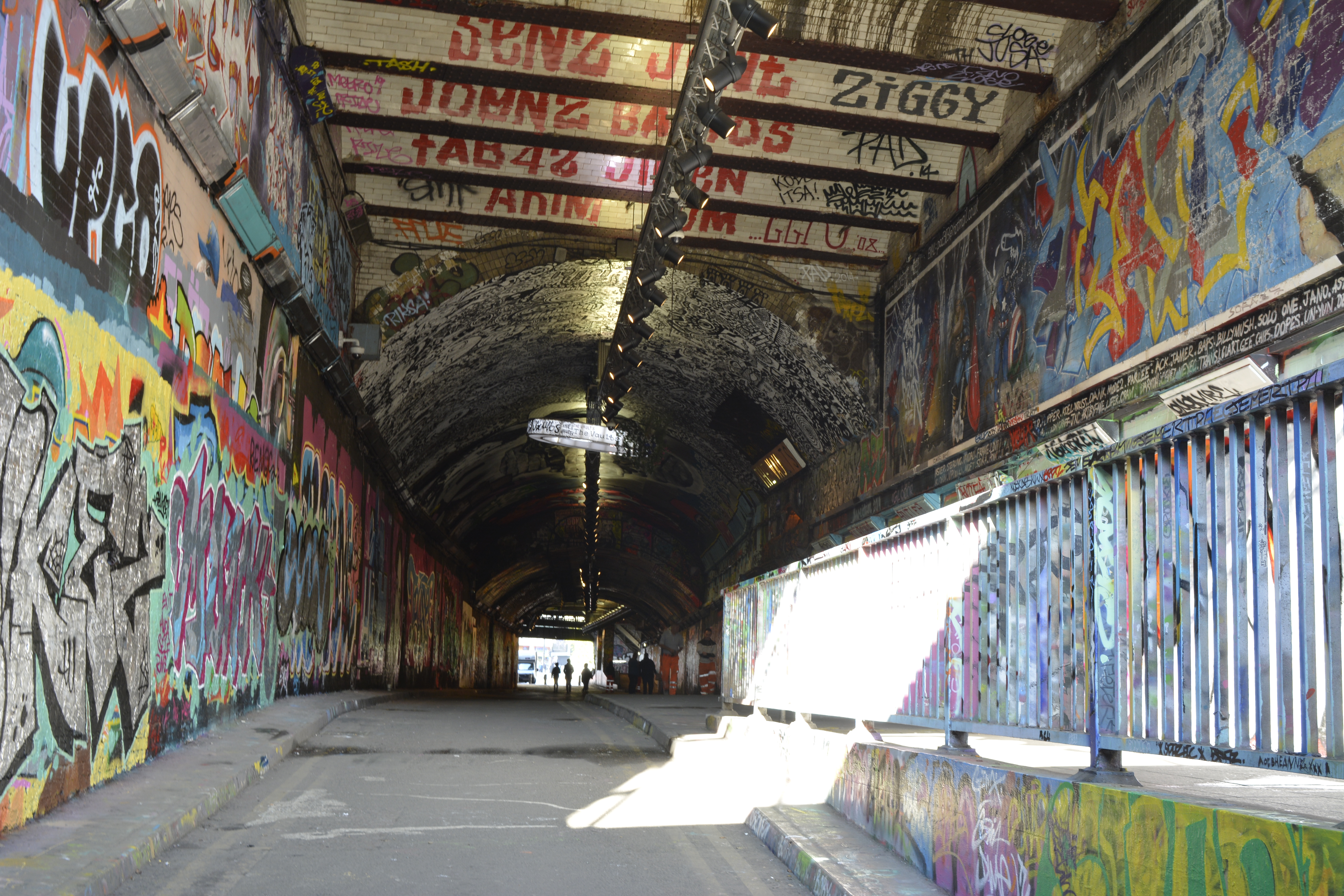
Leak Street Arches
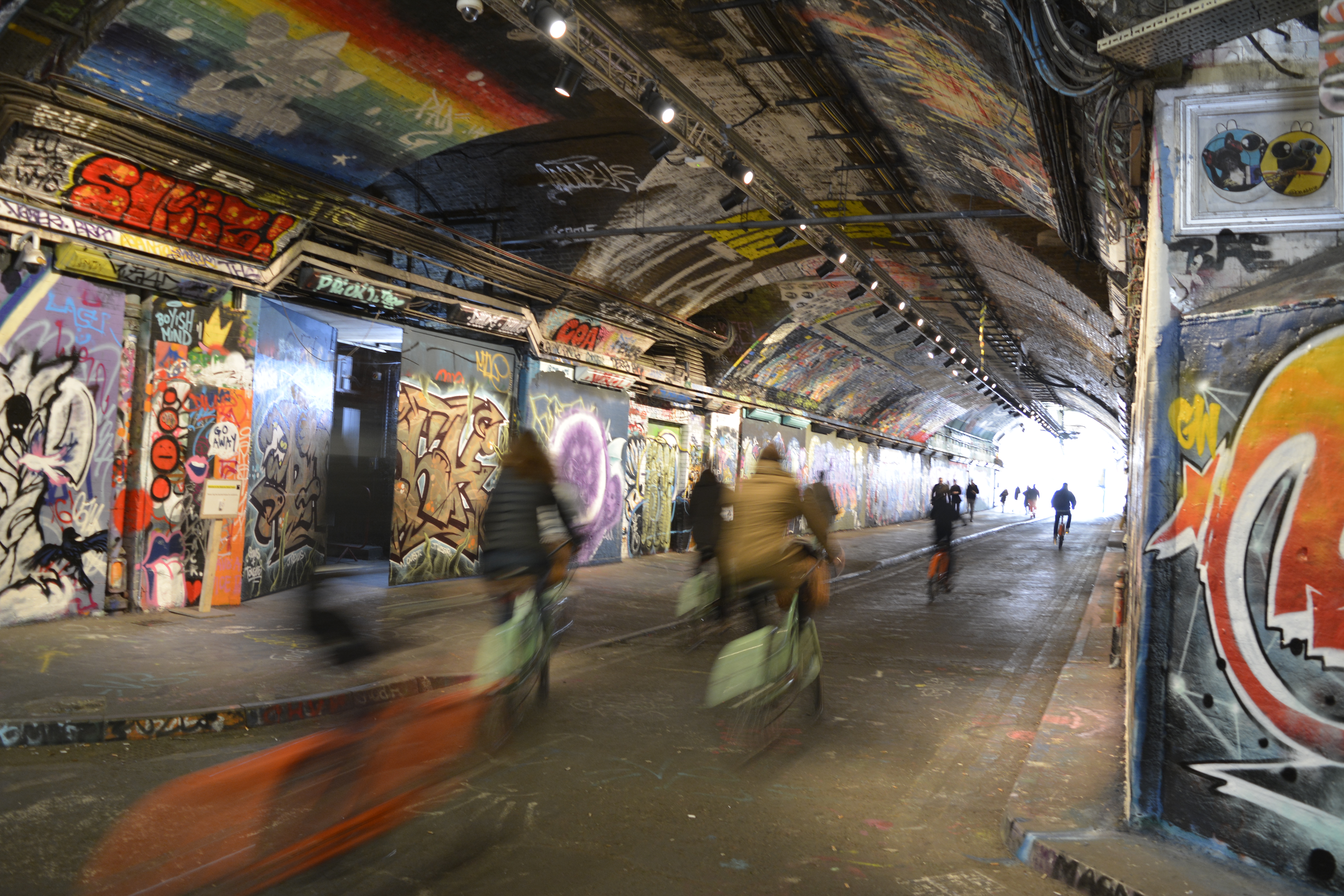
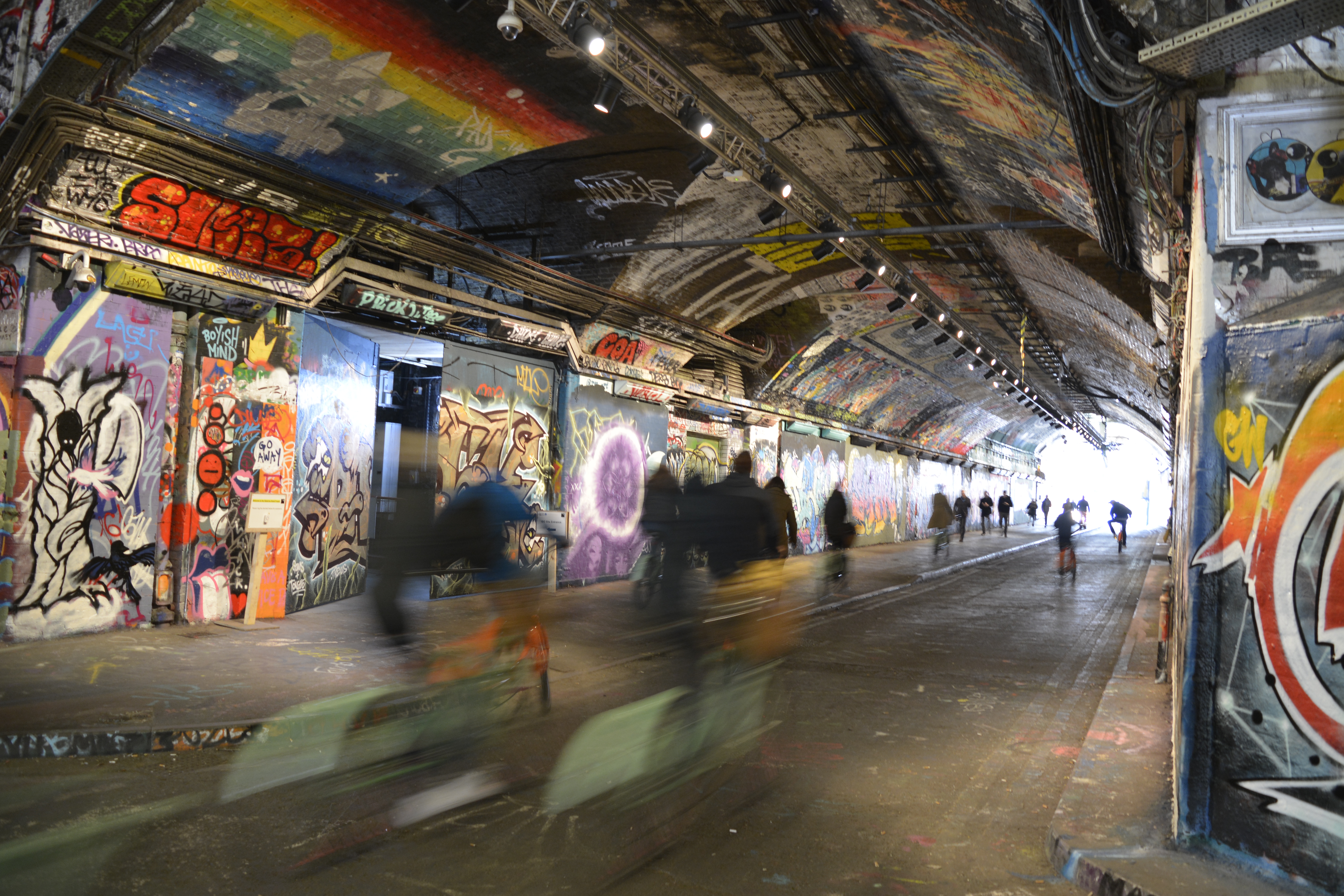
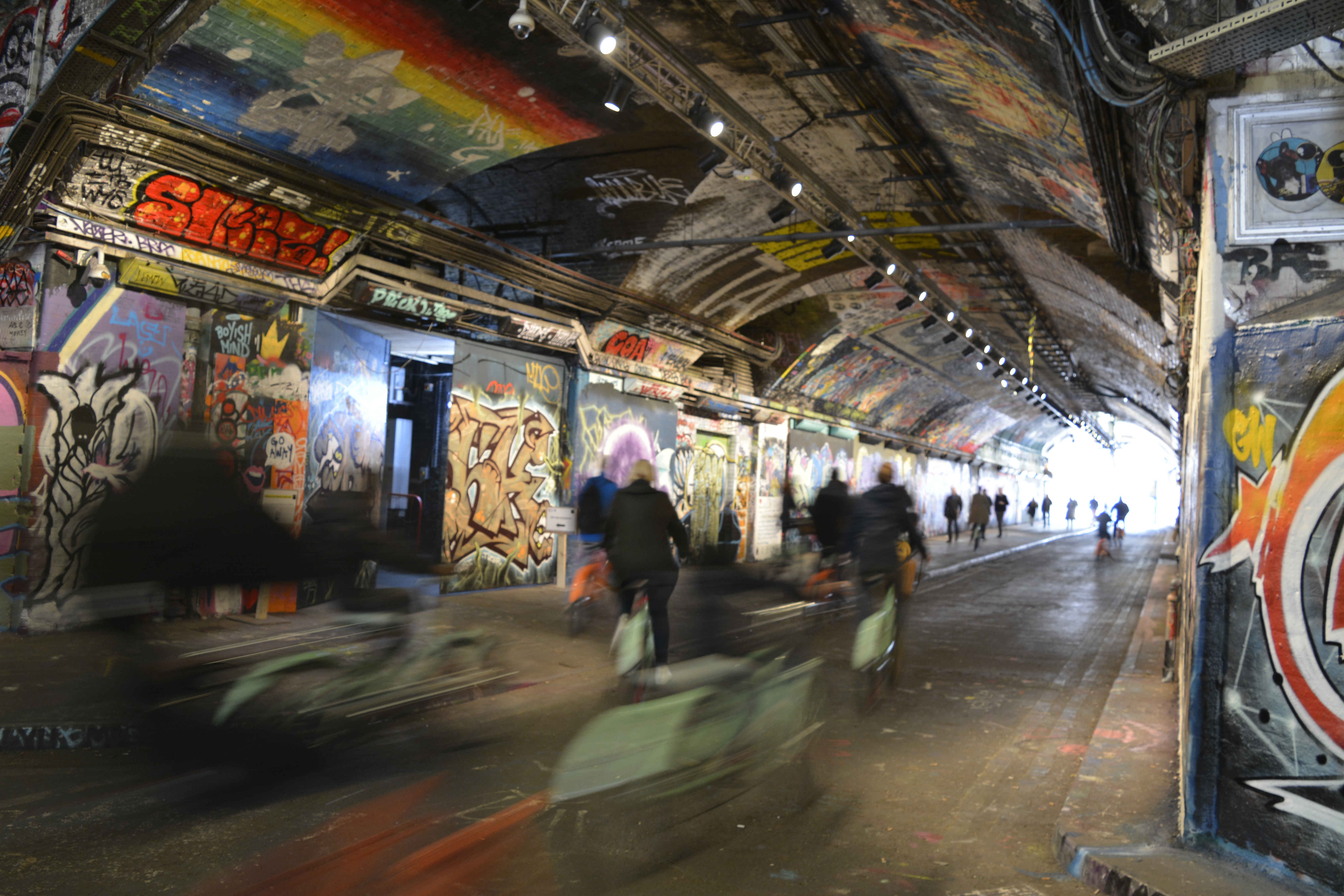
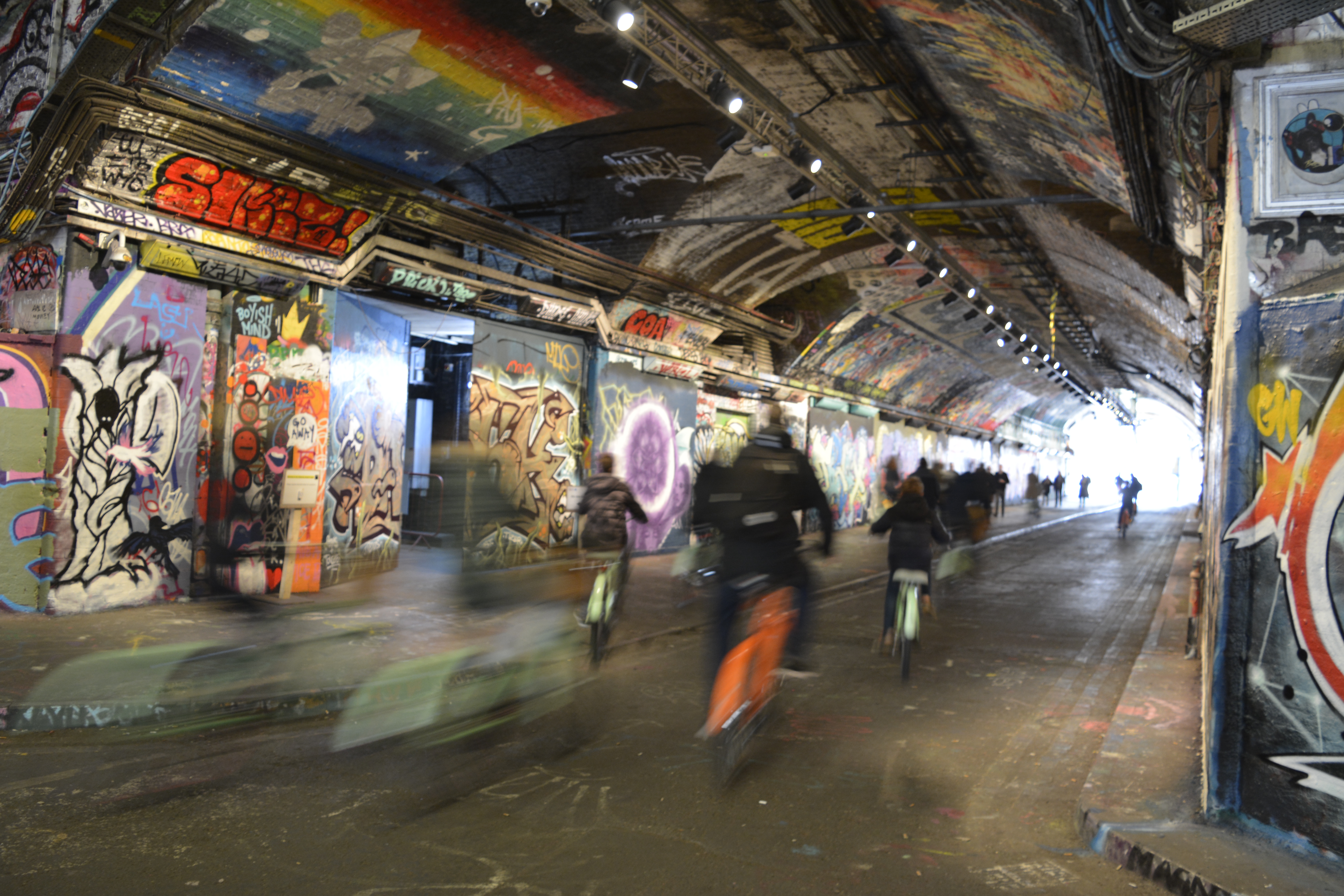
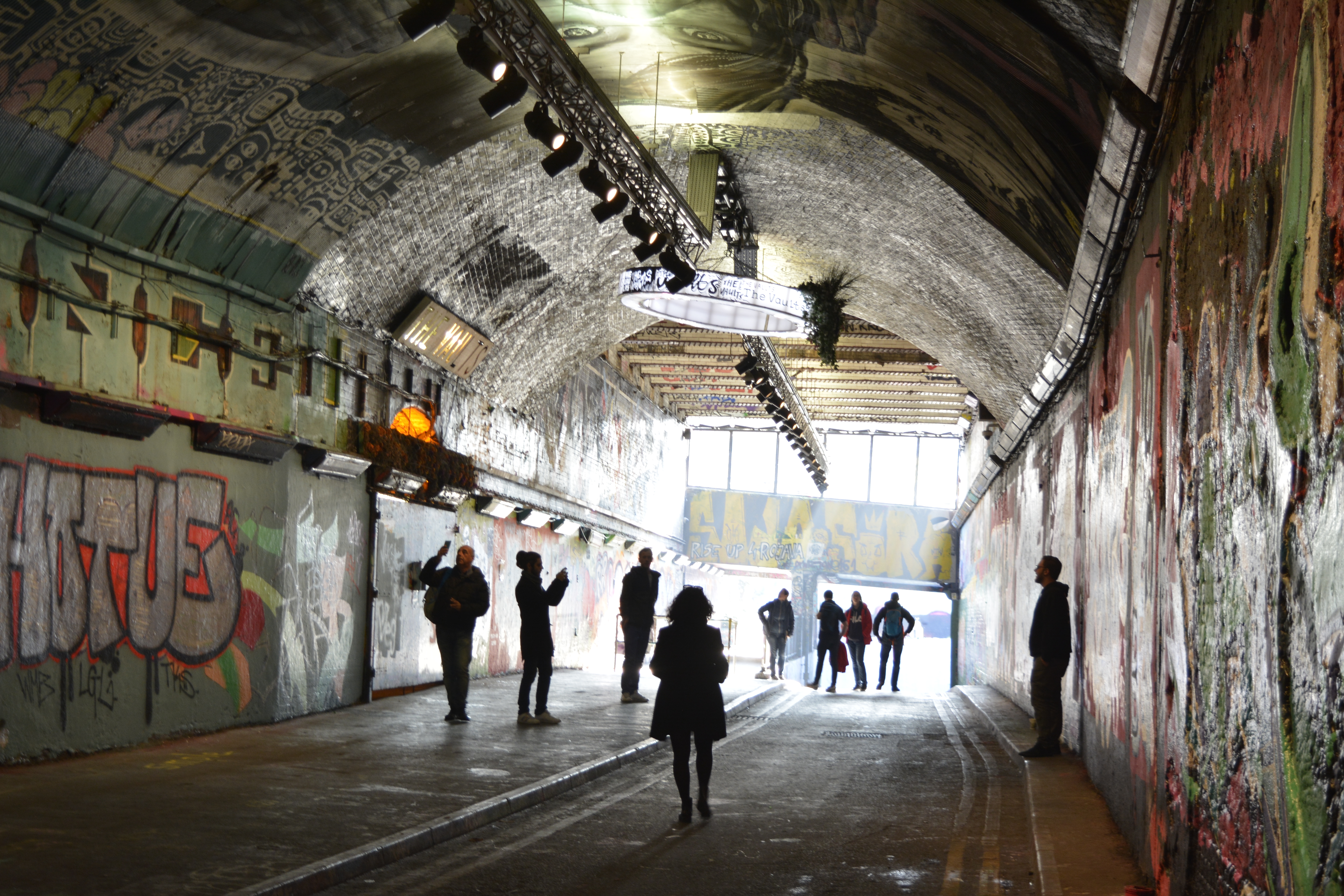
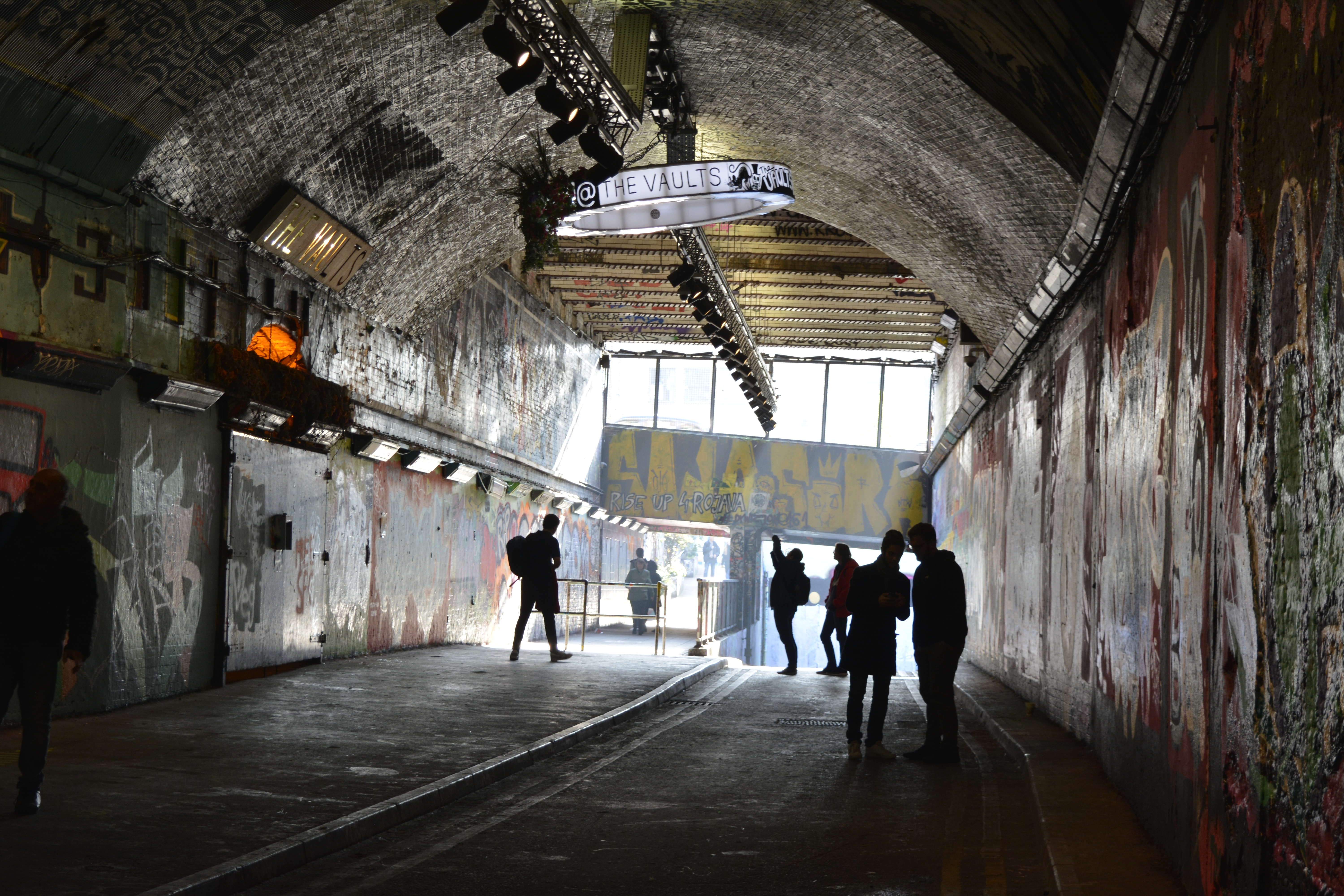
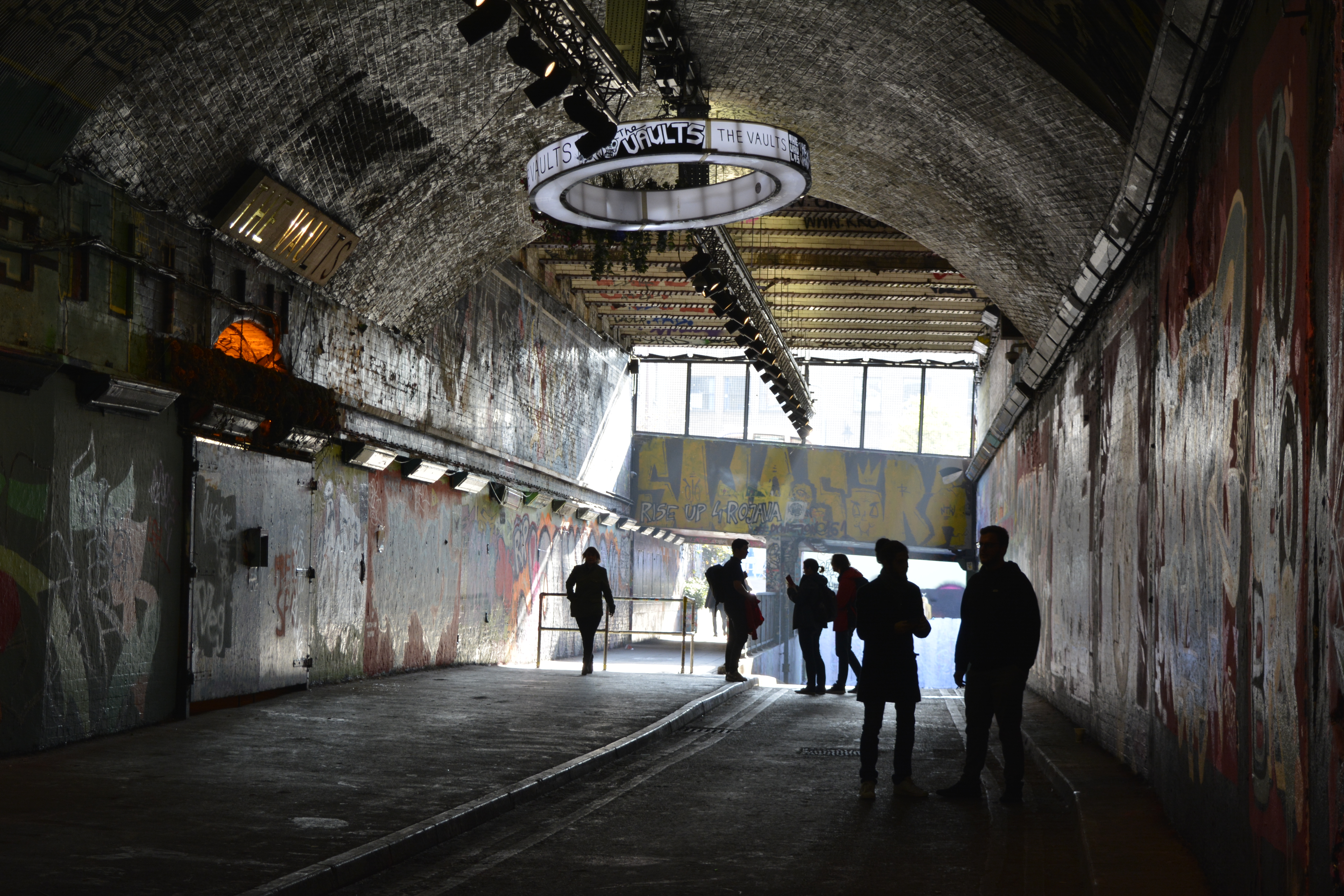
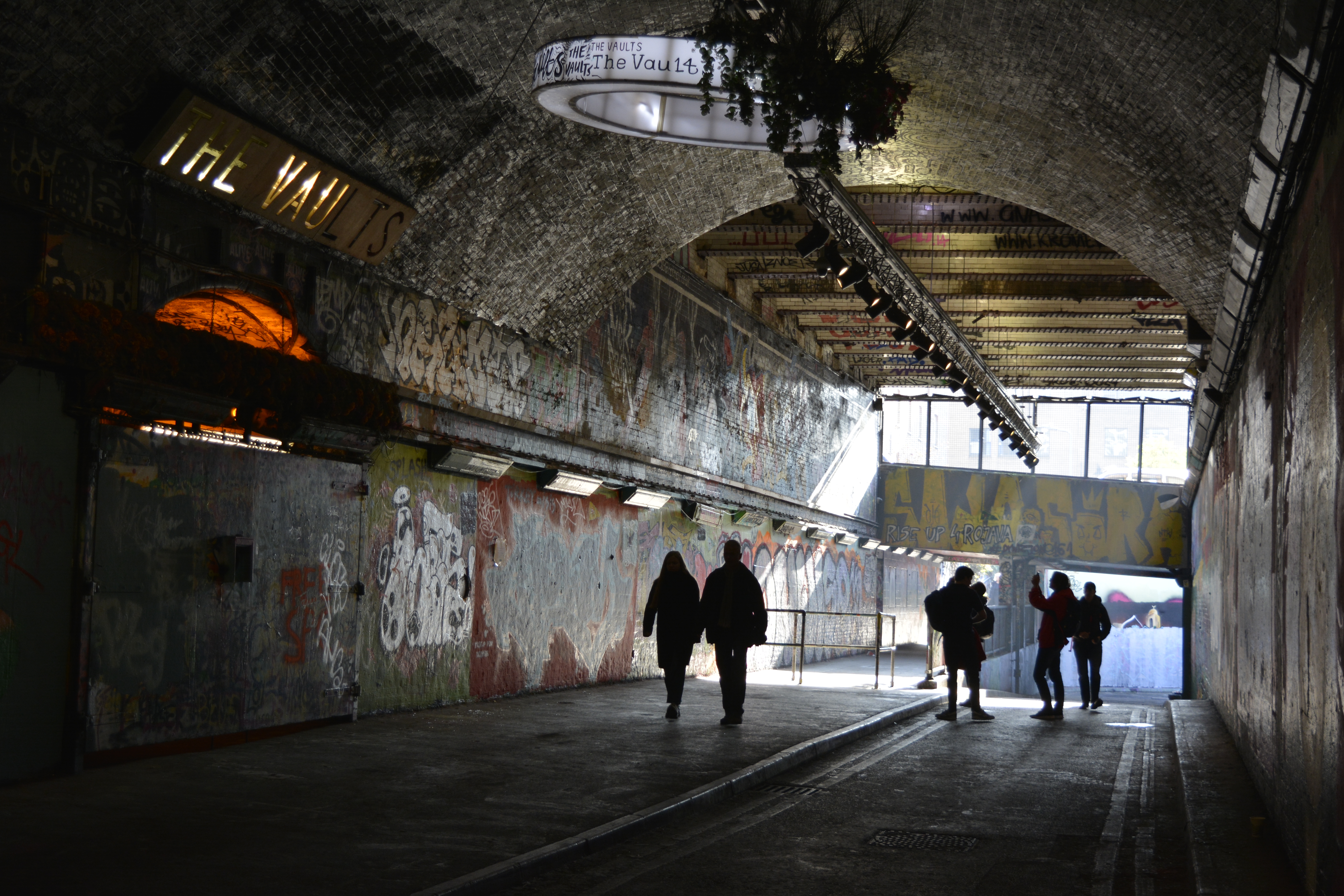
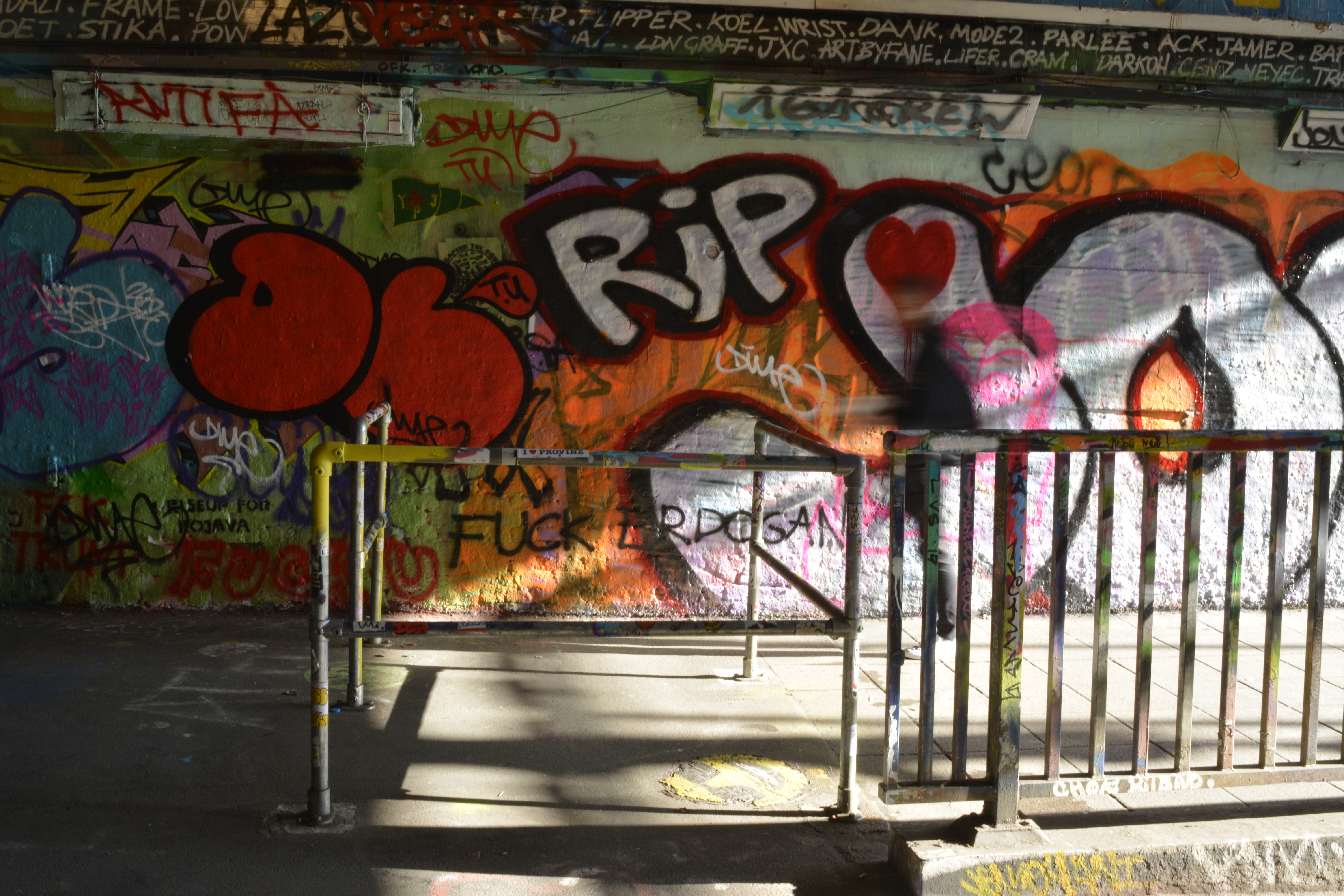
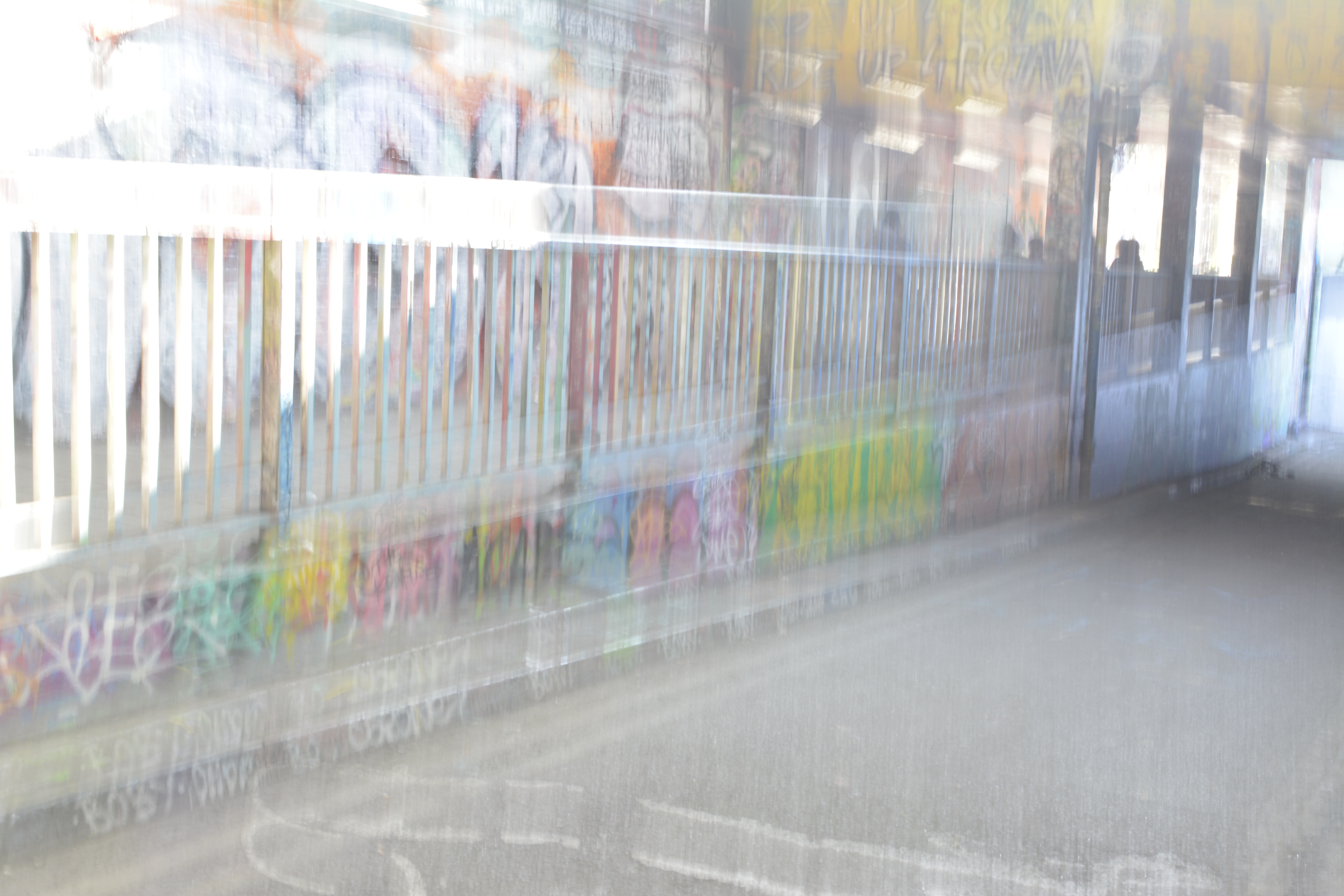
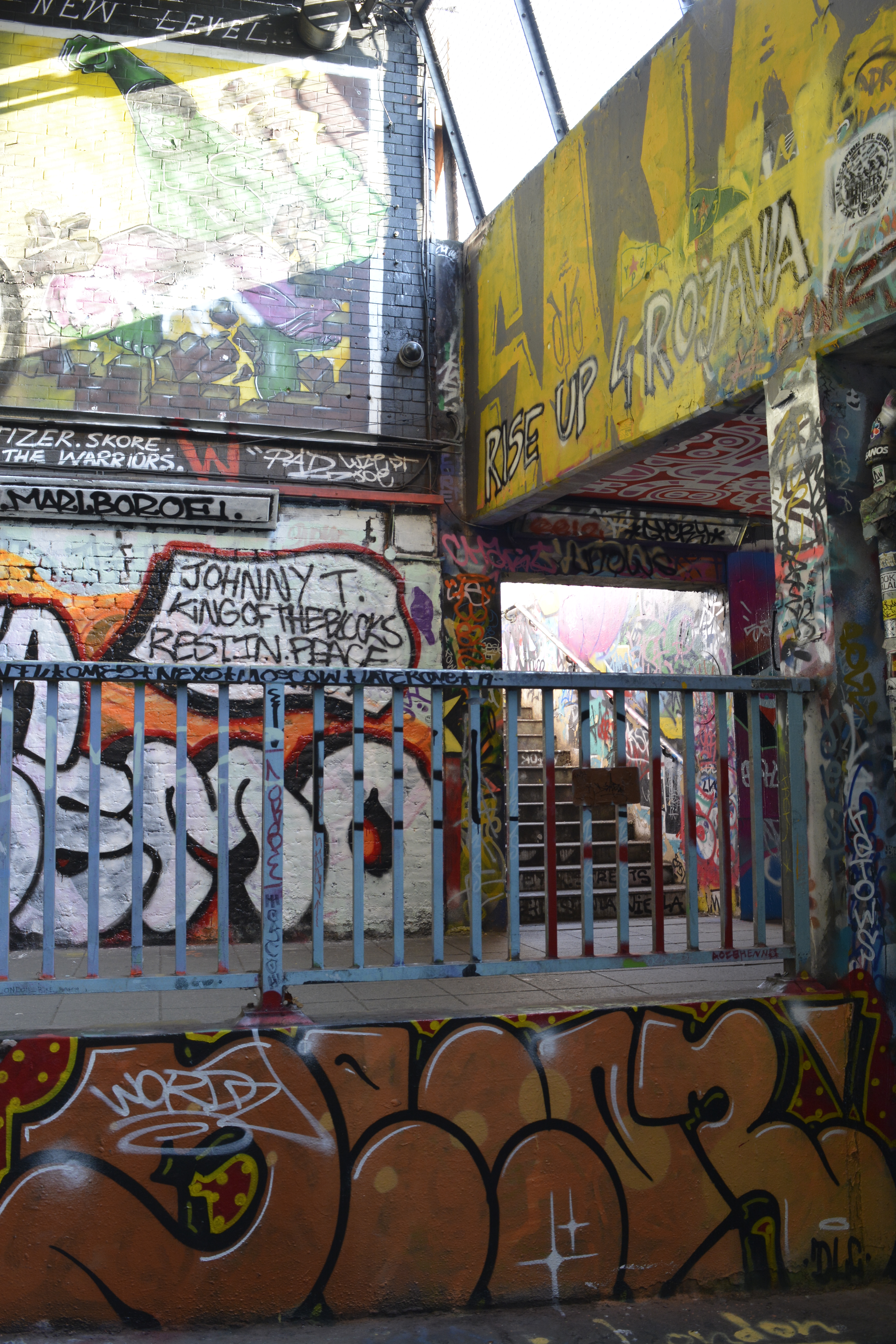
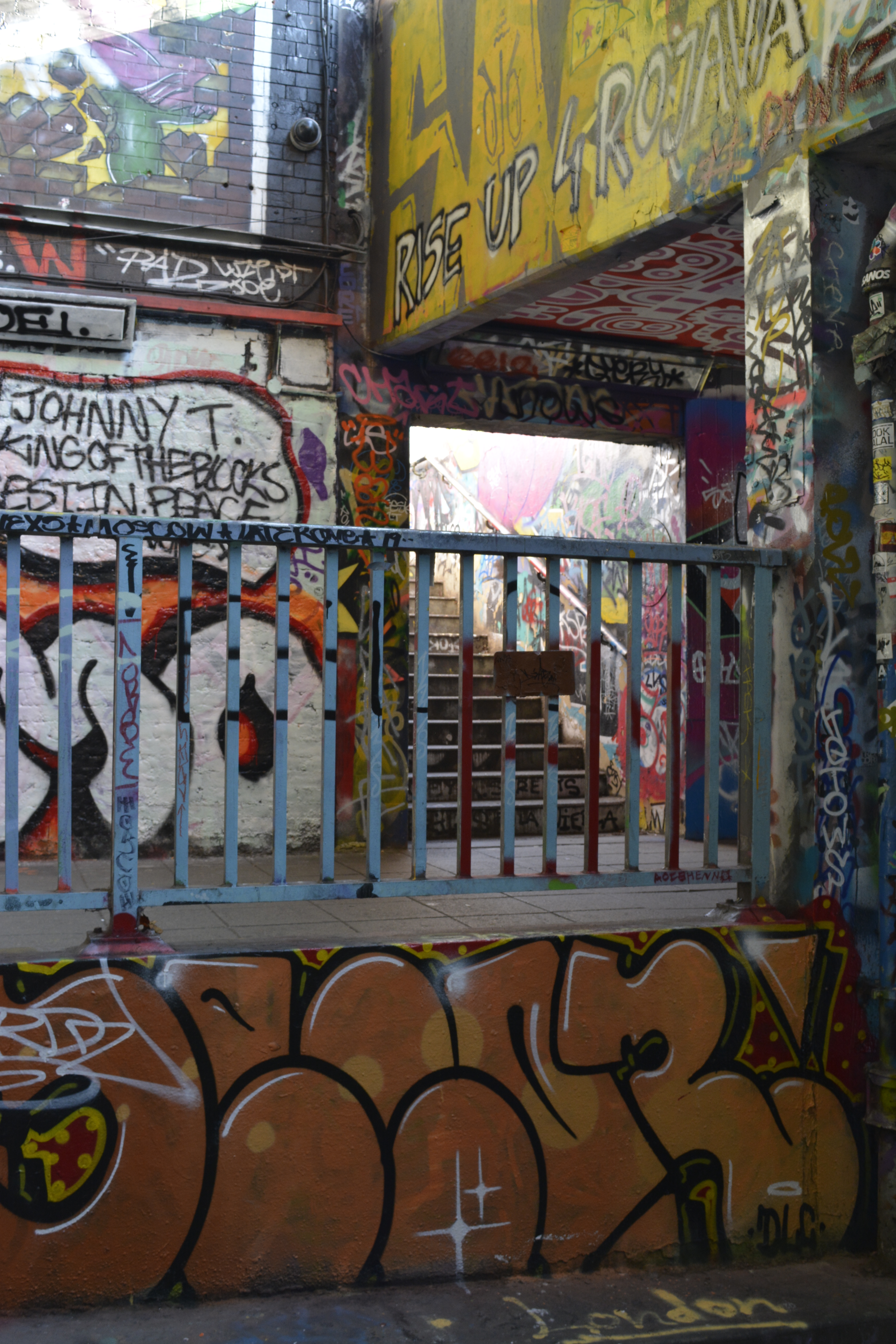
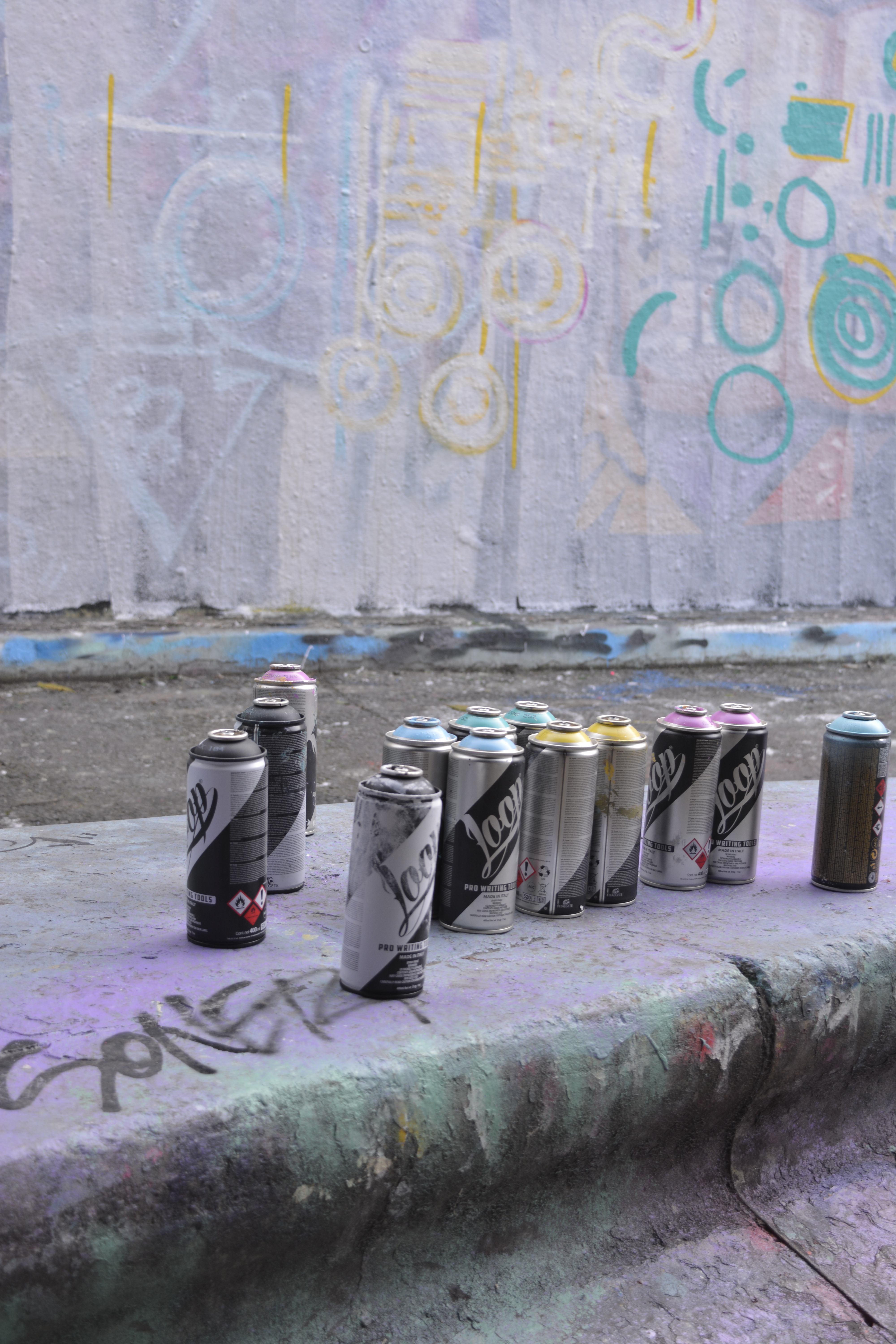
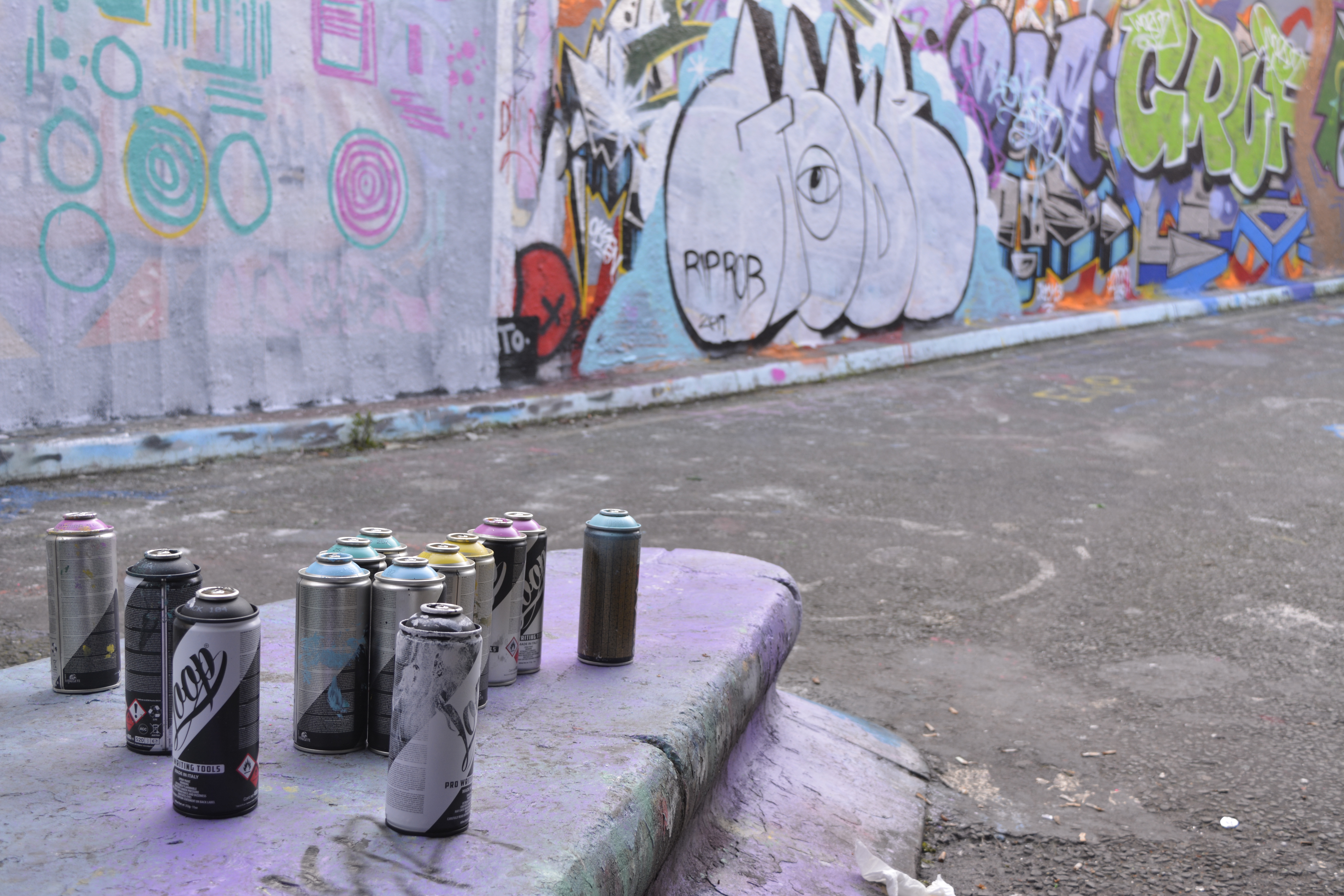
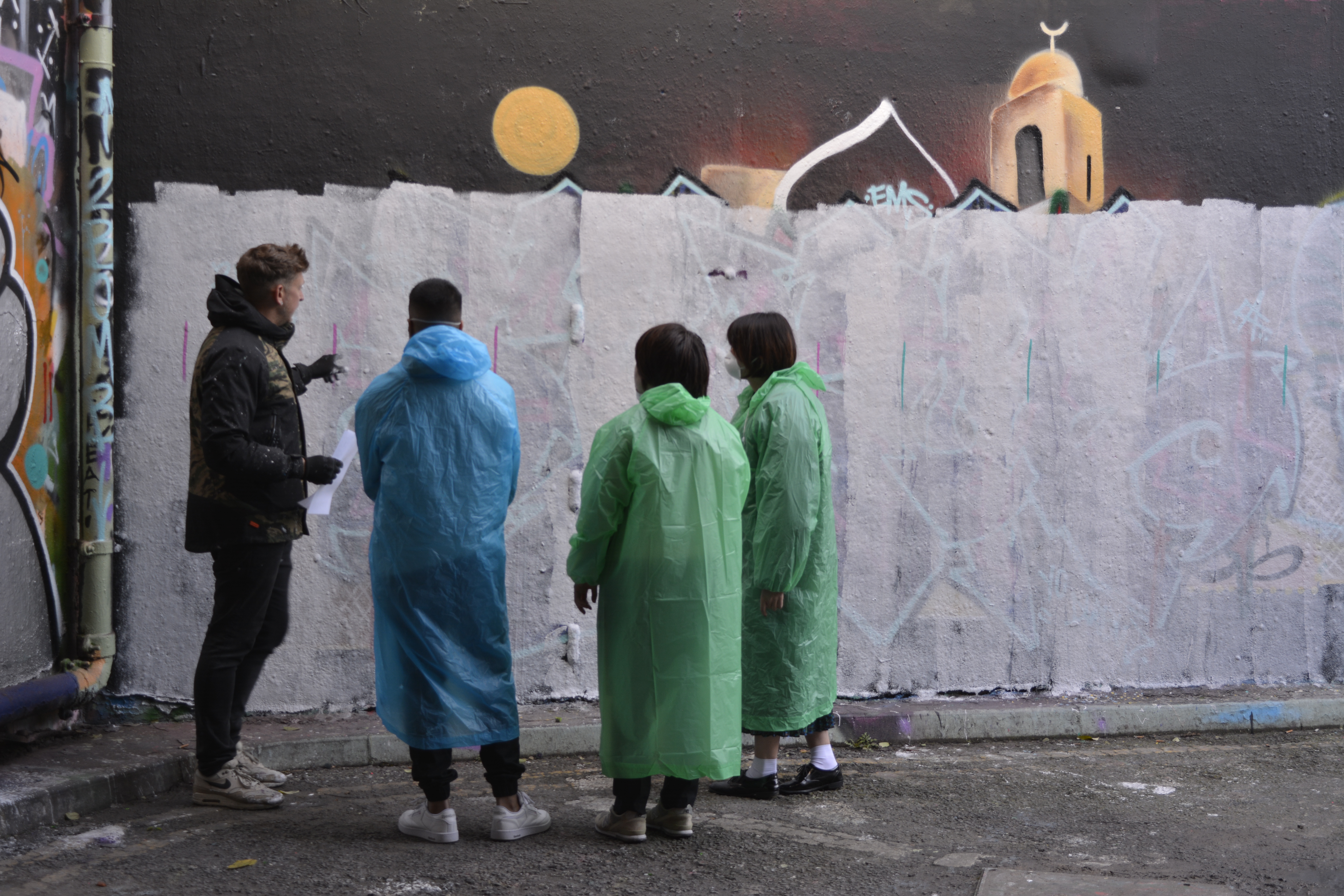
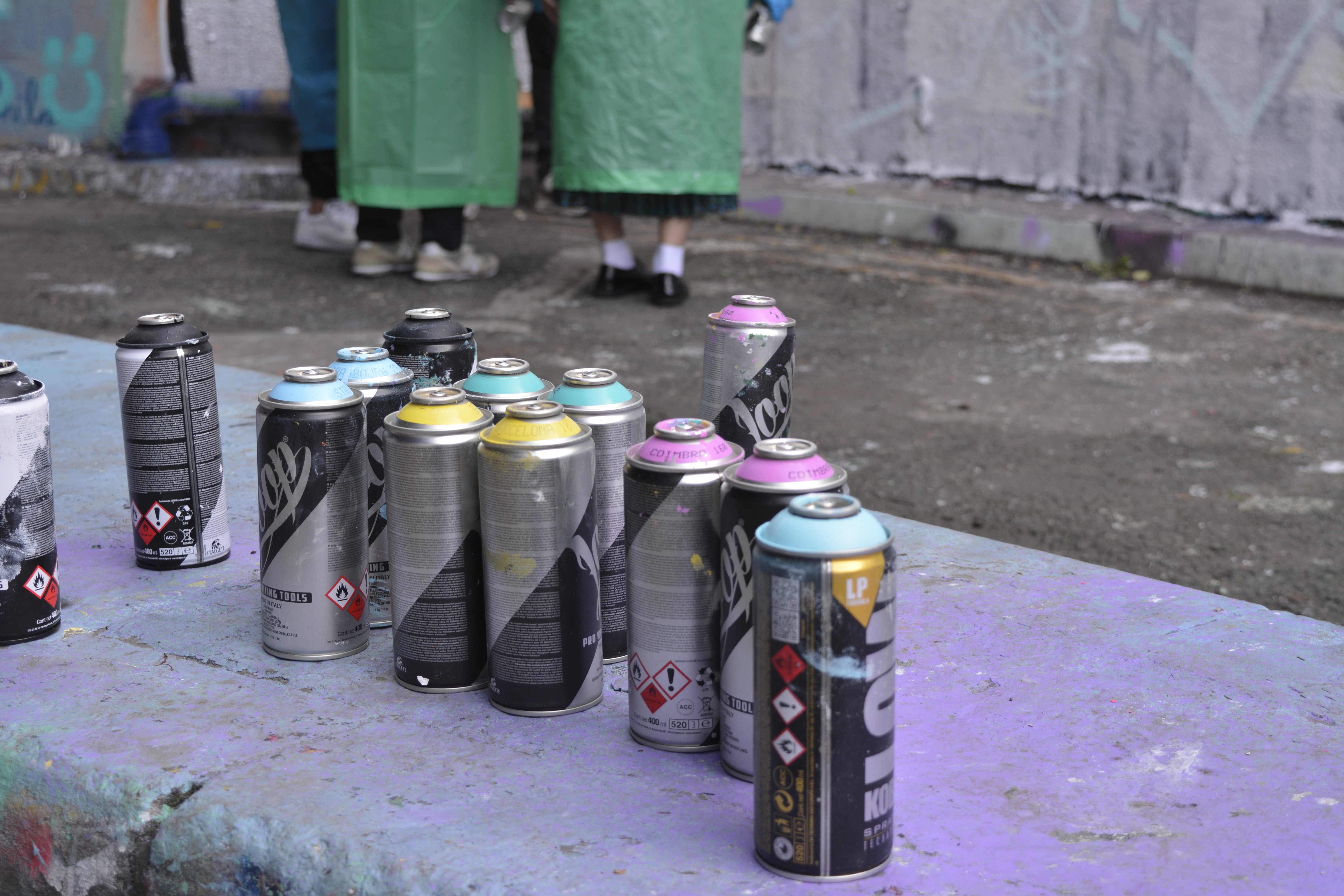
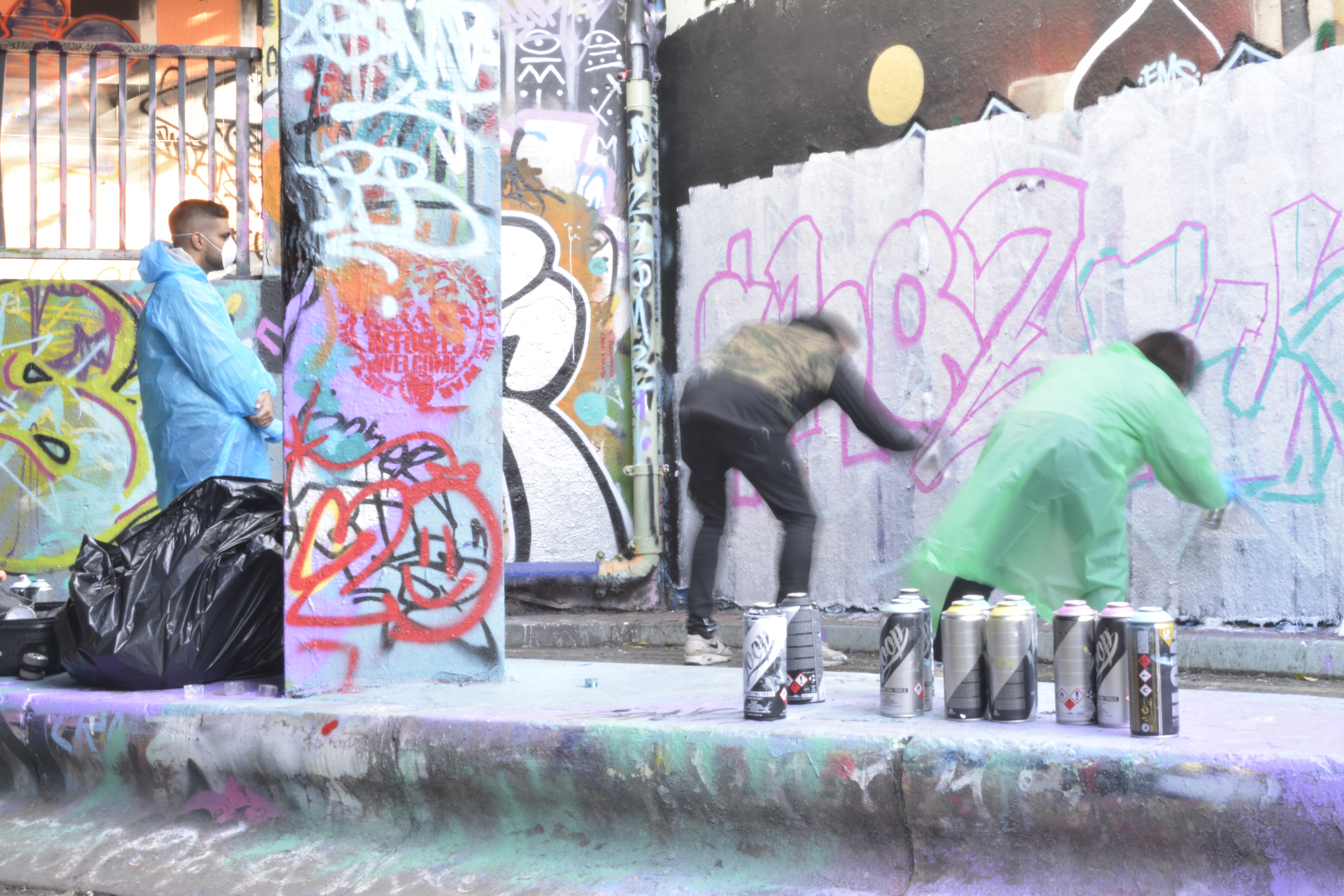
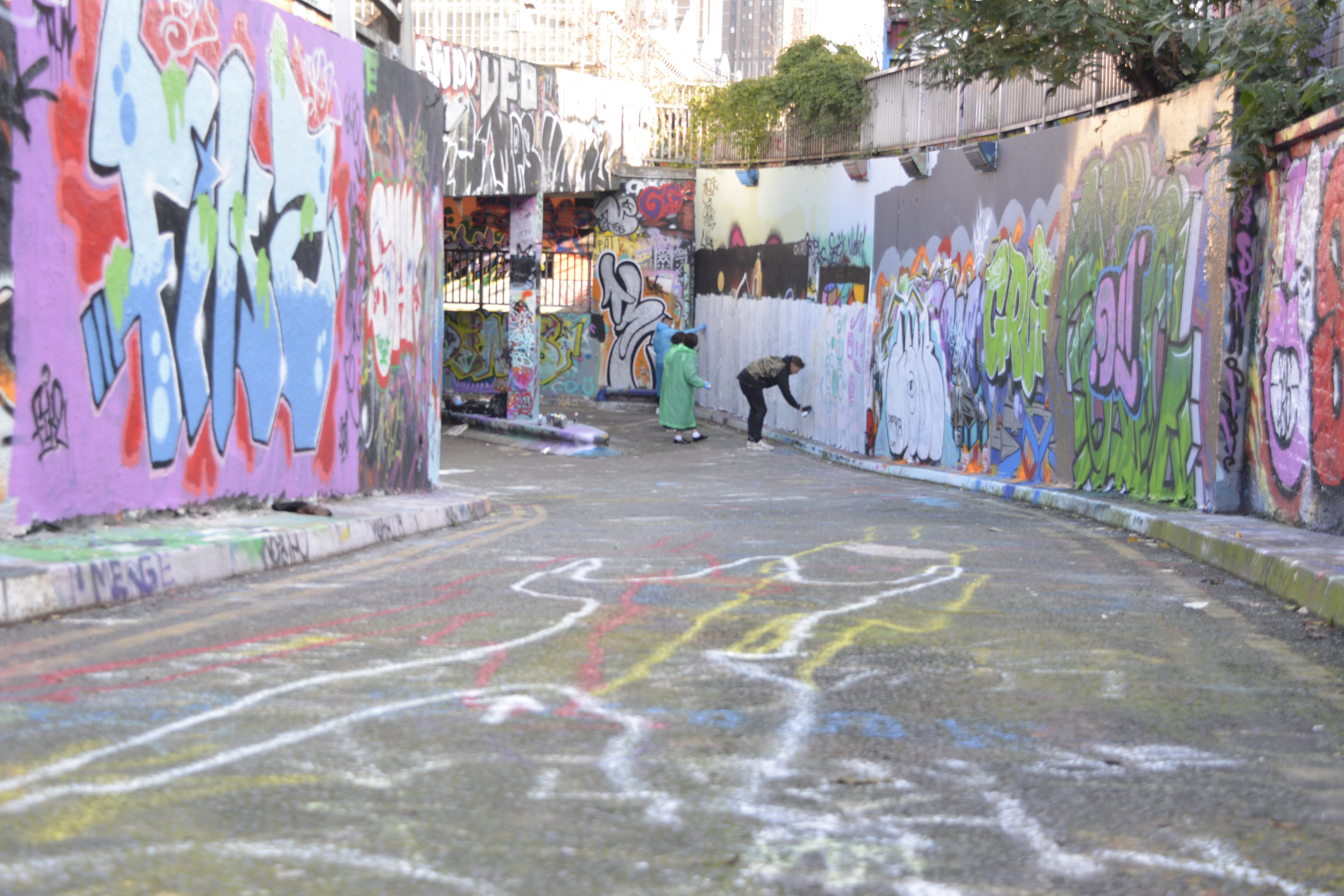
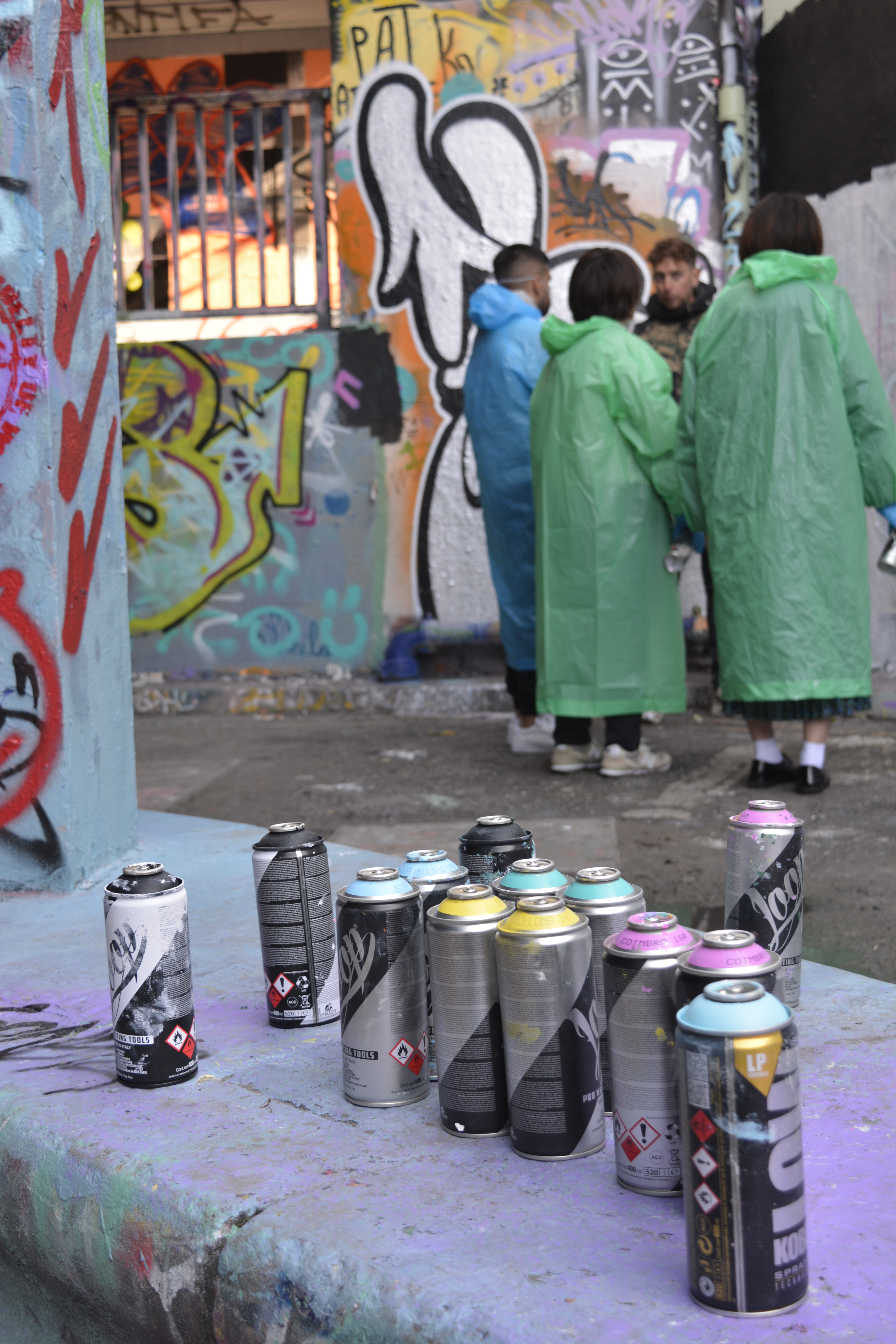
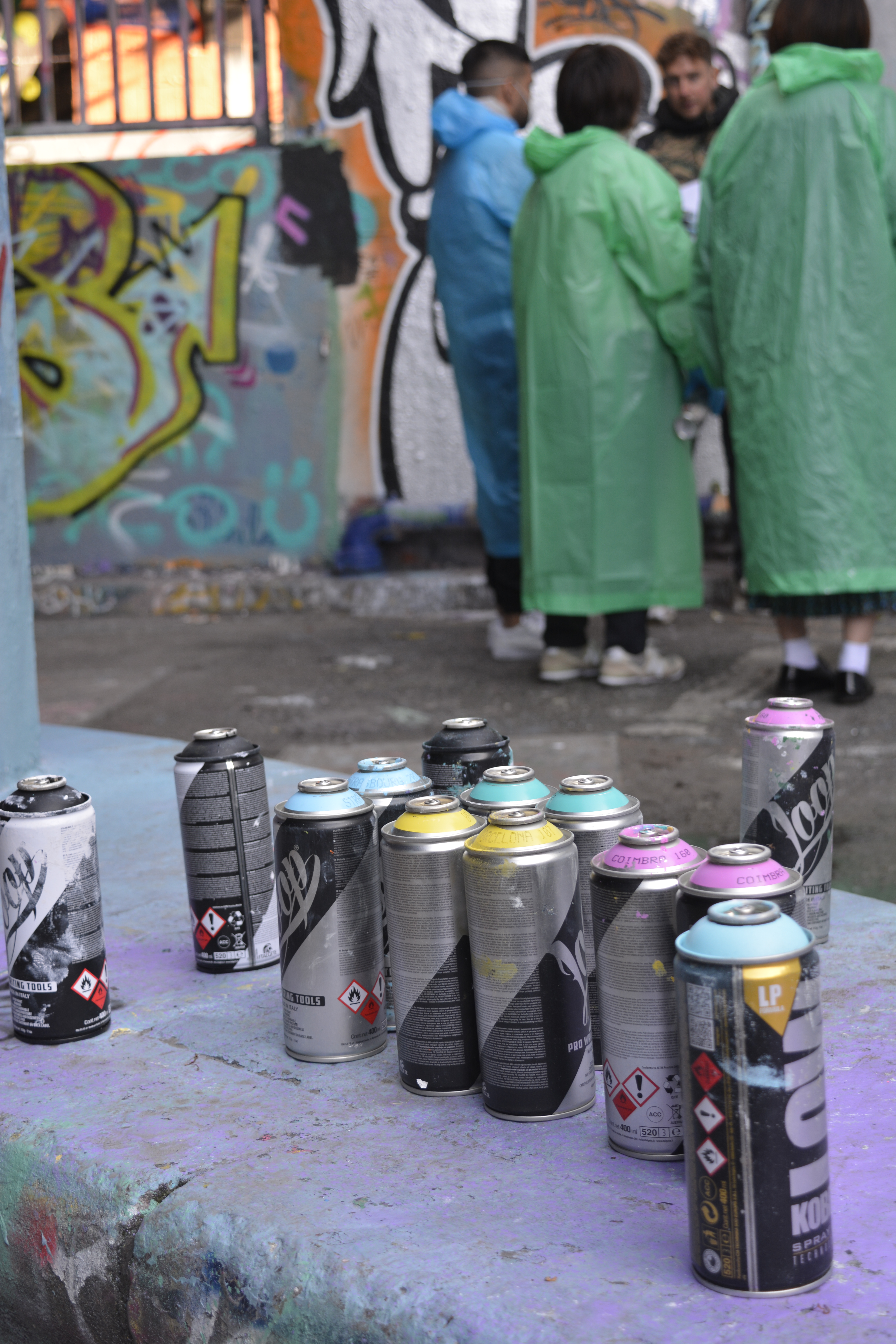
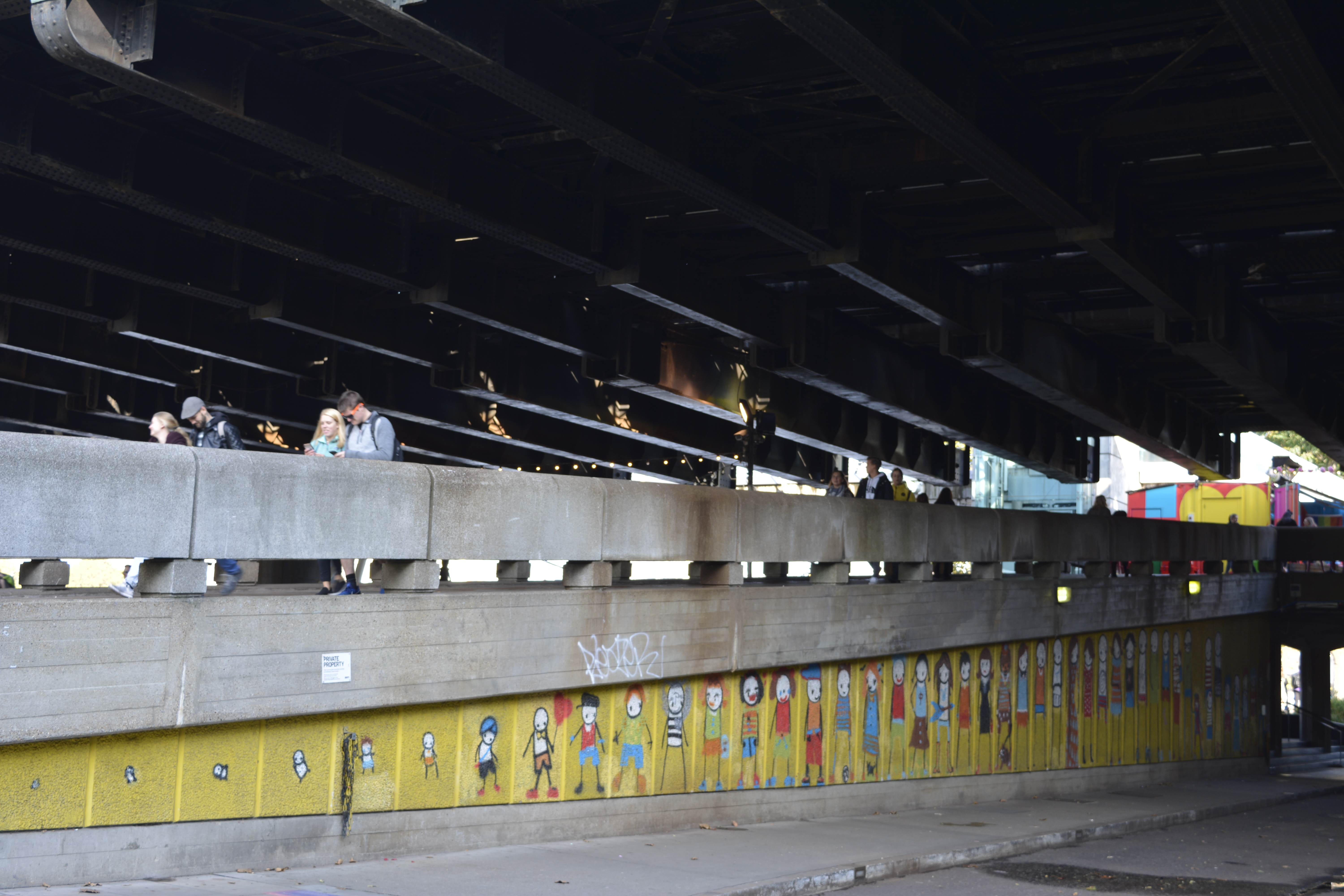
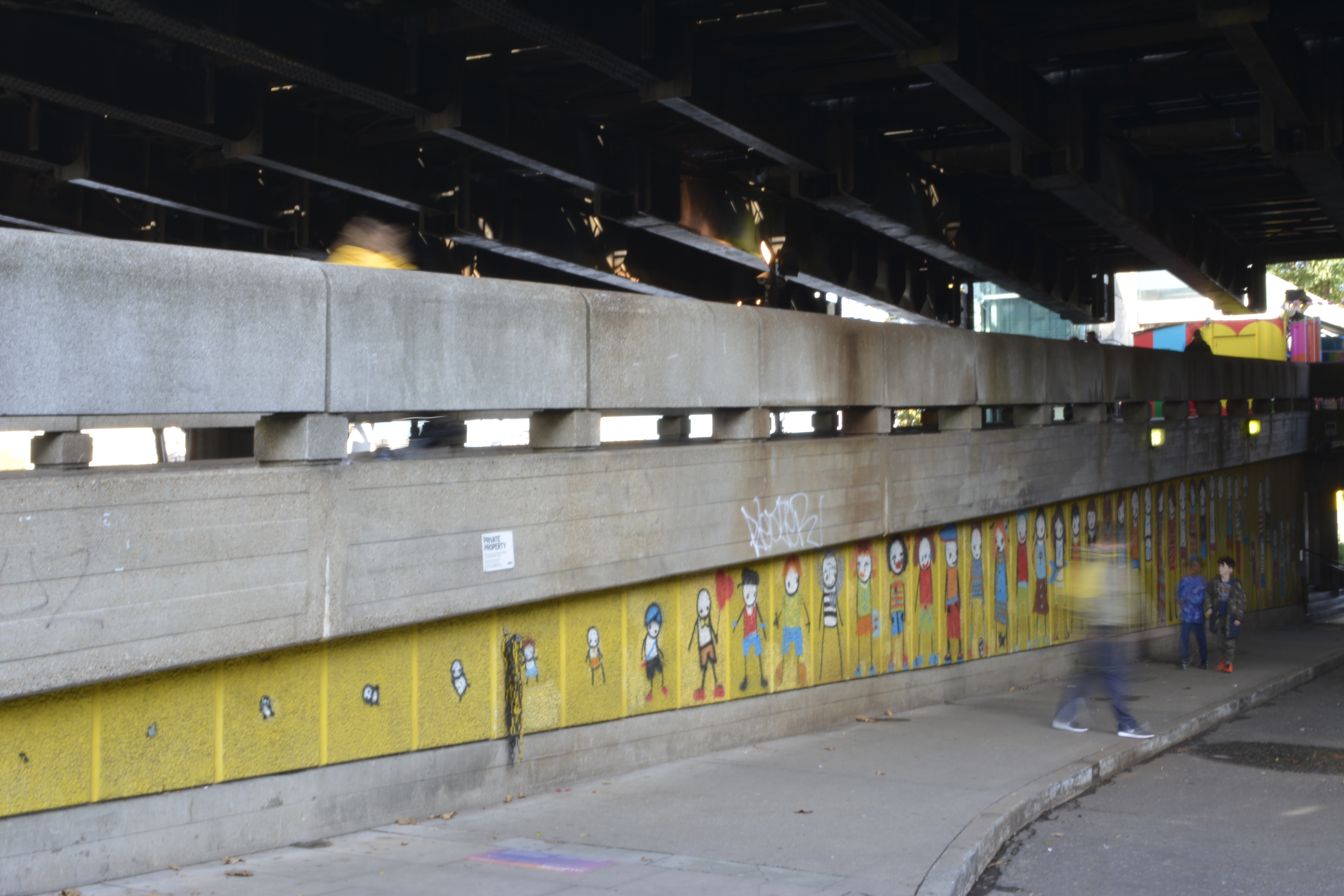
Street art and graffiti have always interested me. I love the colours and the freedom of expression that often comes with graffiti. Leak Street Arches is a great place to go and see the ever changing canvas of art. Thinking about the brief, People in the Environment, looking at people coming especially to see or work on the environment. But also how people walk through the arches to get to work and pass the beautiful art work all around.
Gained a little confidence being on my own and asked permission to take photographs of the graffiti artists teaching a group of people.
Embankment
Covent Garden
Coven Garden has always been a favourite place of mine. I love the constant busyness of people shopping, working or passing through. With the different levels, walk ways and structure I thought this was a great place to photograph.
When taking photographs with long exposures a tripod is essential. I walked around Covent Garden setting up my tripod in several places, trying to get the right setting within my frame. Always keeping to the edges of walls or railings so my tripod wasn’t a trip hazard.
However I did get approached by a security guard that asked me to pack away my tripod as it is on private property and a trip hazard. By that time my camera battery had died so I couldn’t take anymore that day.
Before my camera battery ran out I managed to try a ND 8 Filter to stop over exposing the shots of Covent Garden when I was using longer shutter speeds (1 seconds).
I was trying to do some long exposures of the market hall roof. I didn’t quite get the opportunity to get the photo I was looking for so knew I had to re-think how to keep the camera still without the use of a tripod.
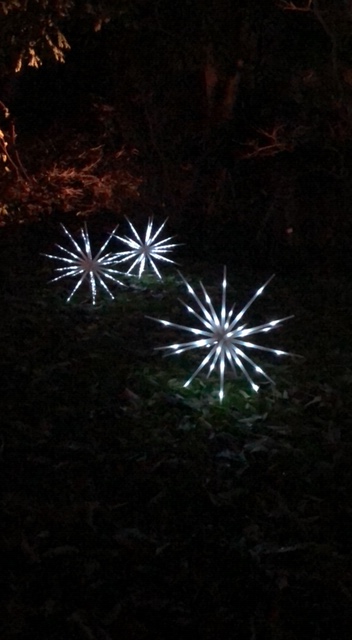
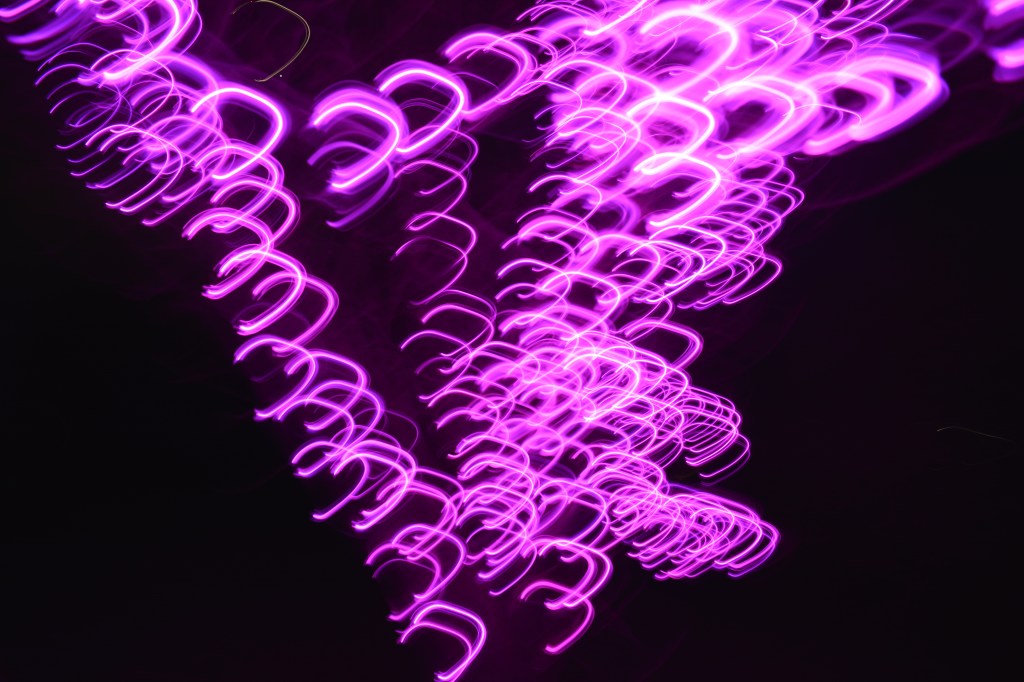
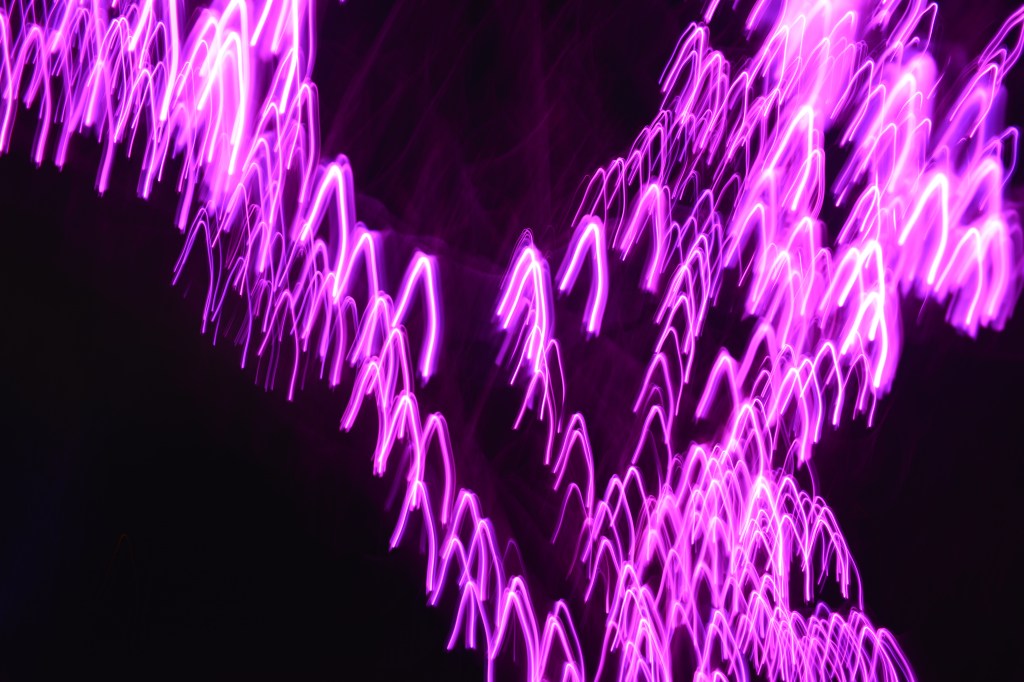
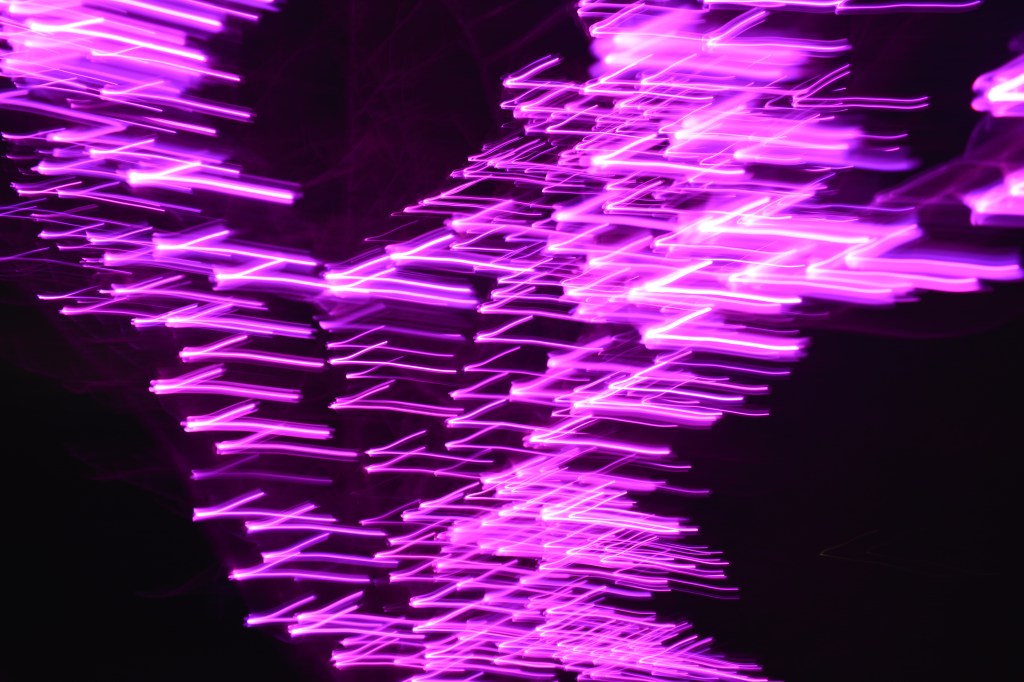
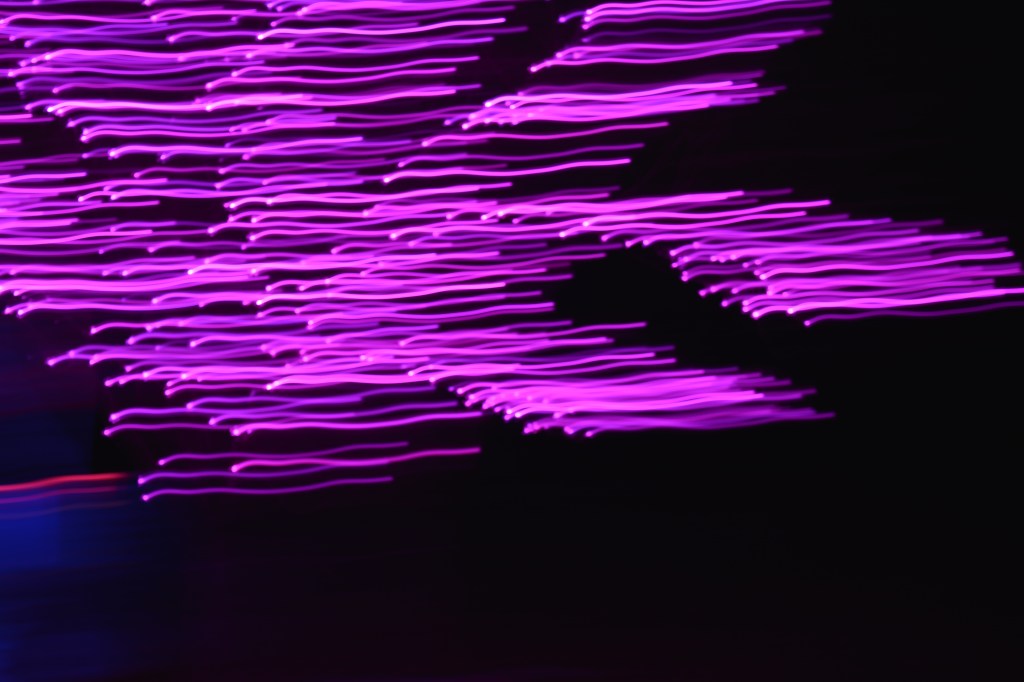
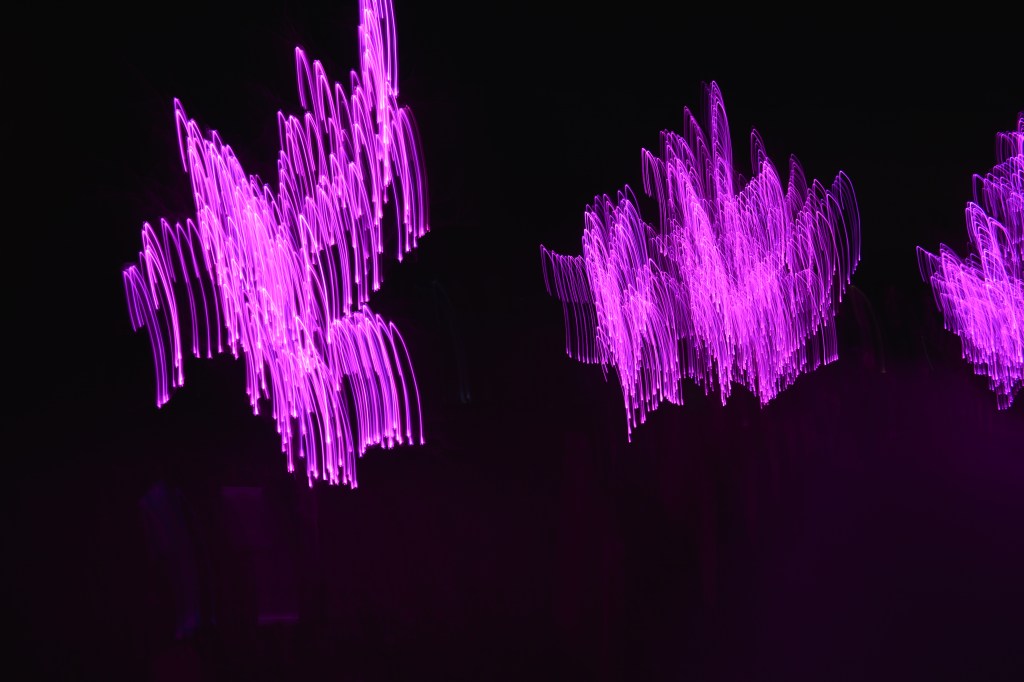
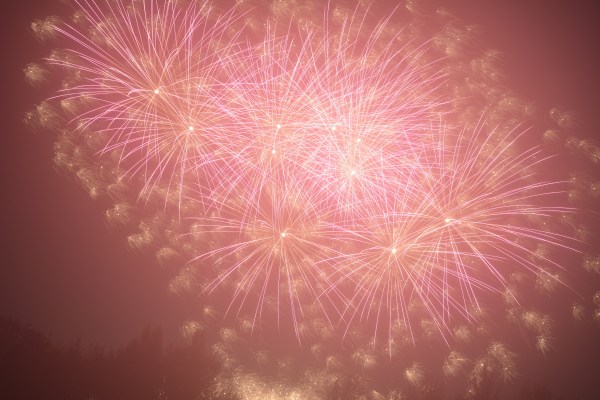
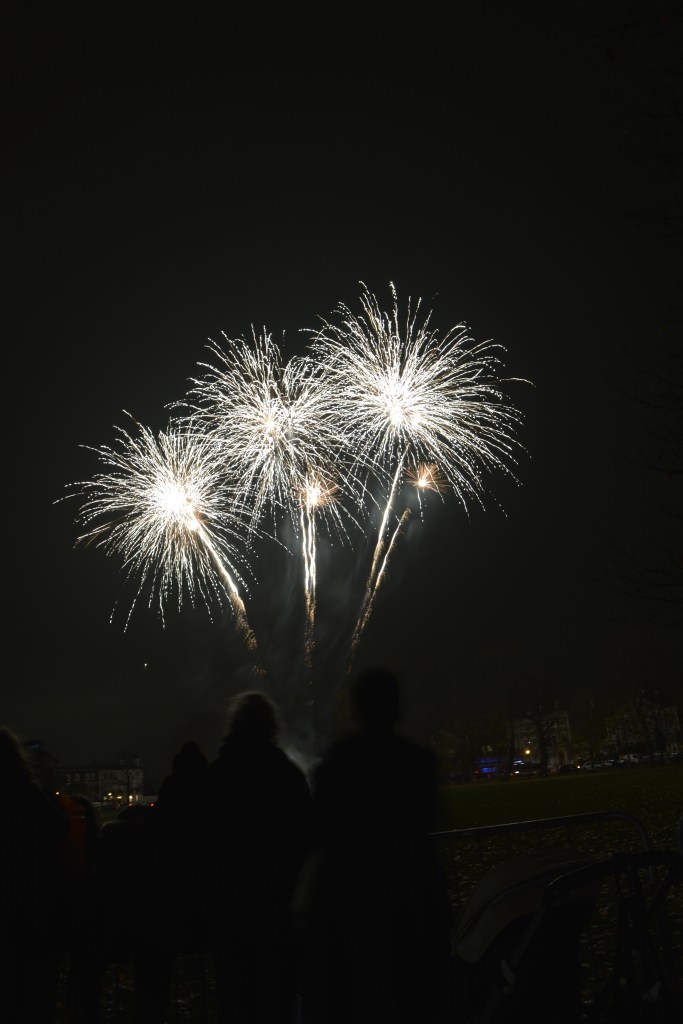
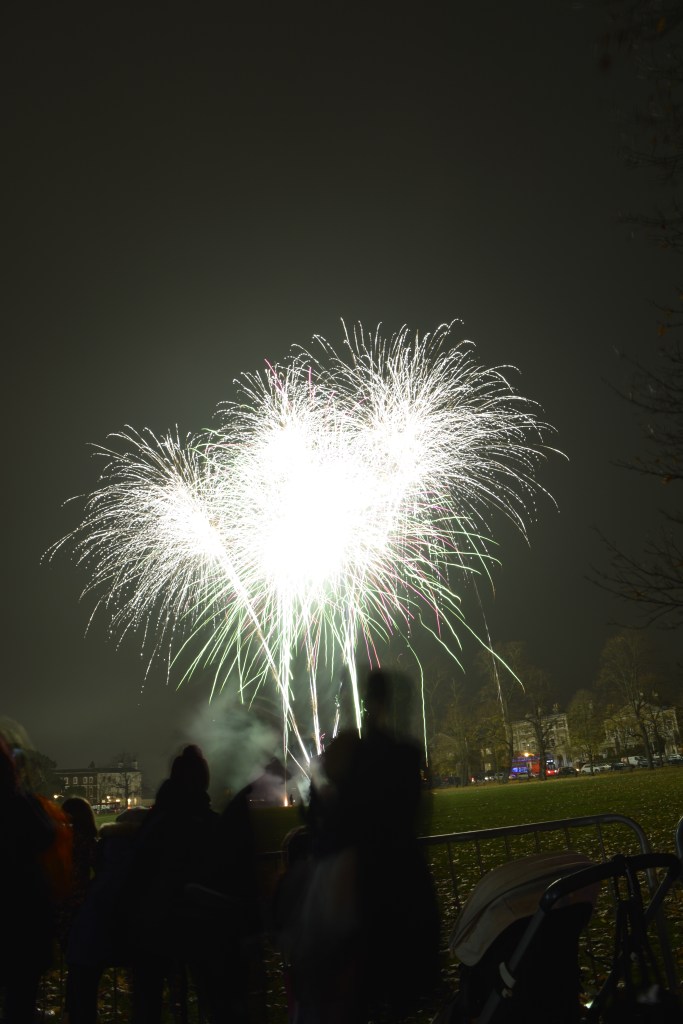
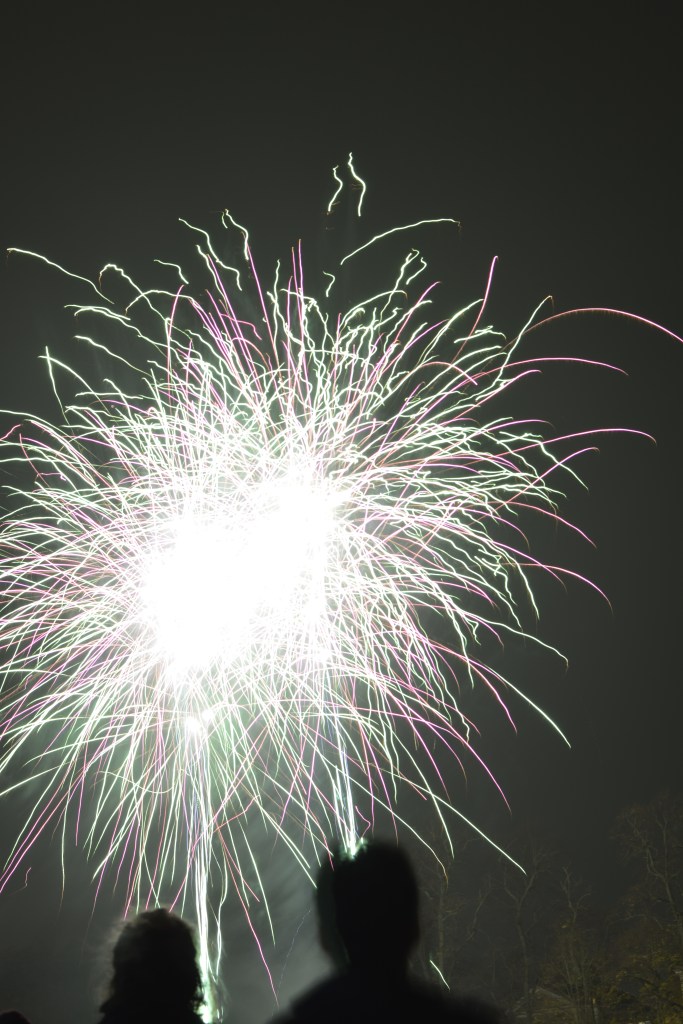
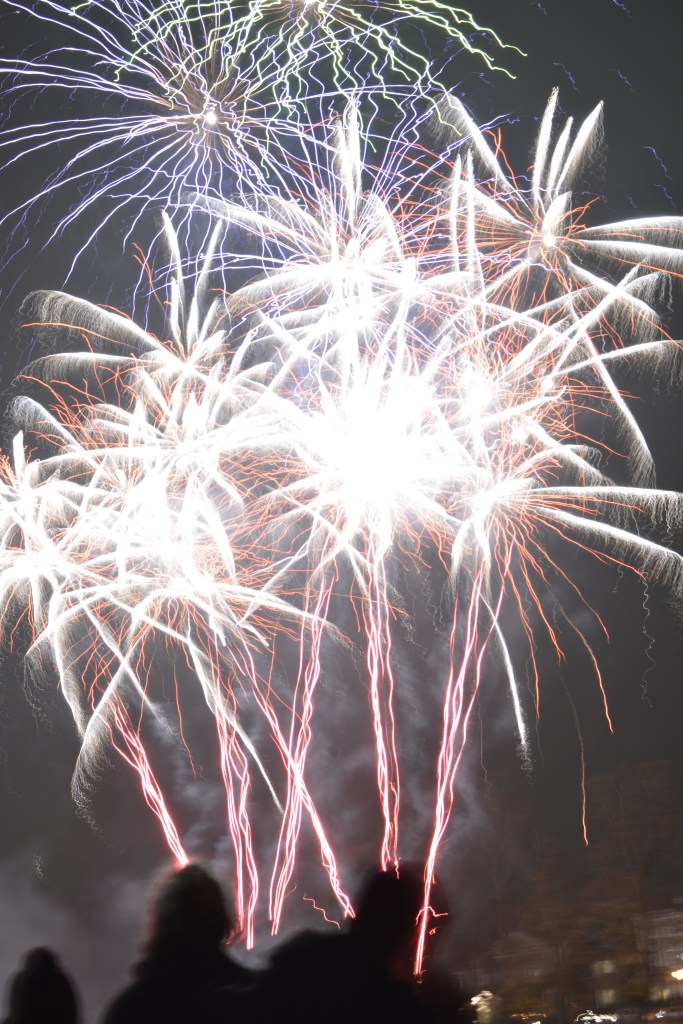
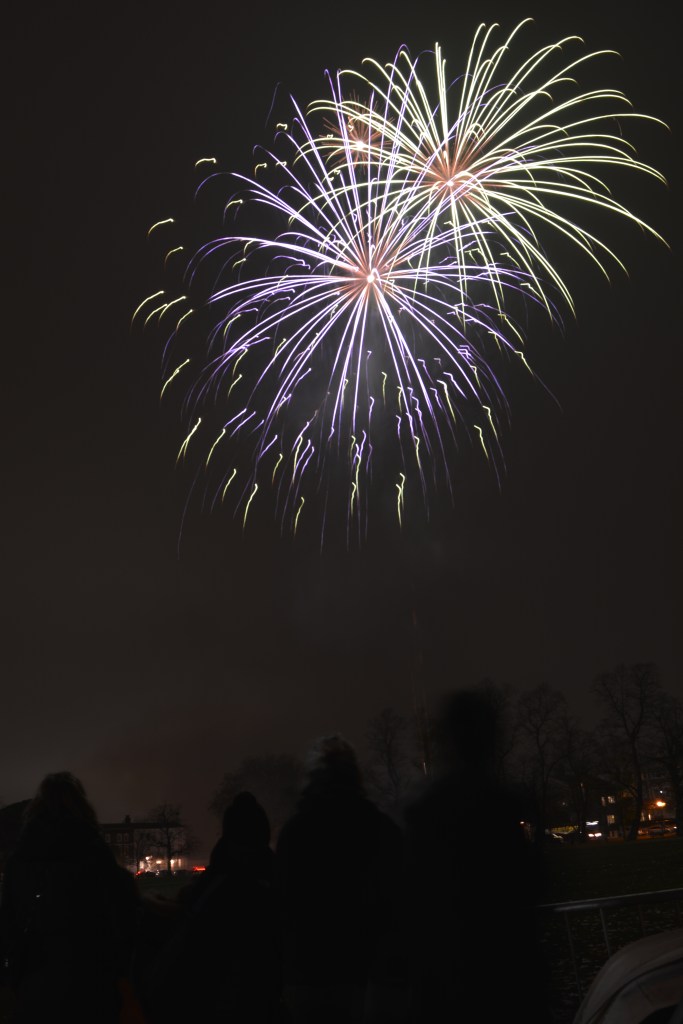
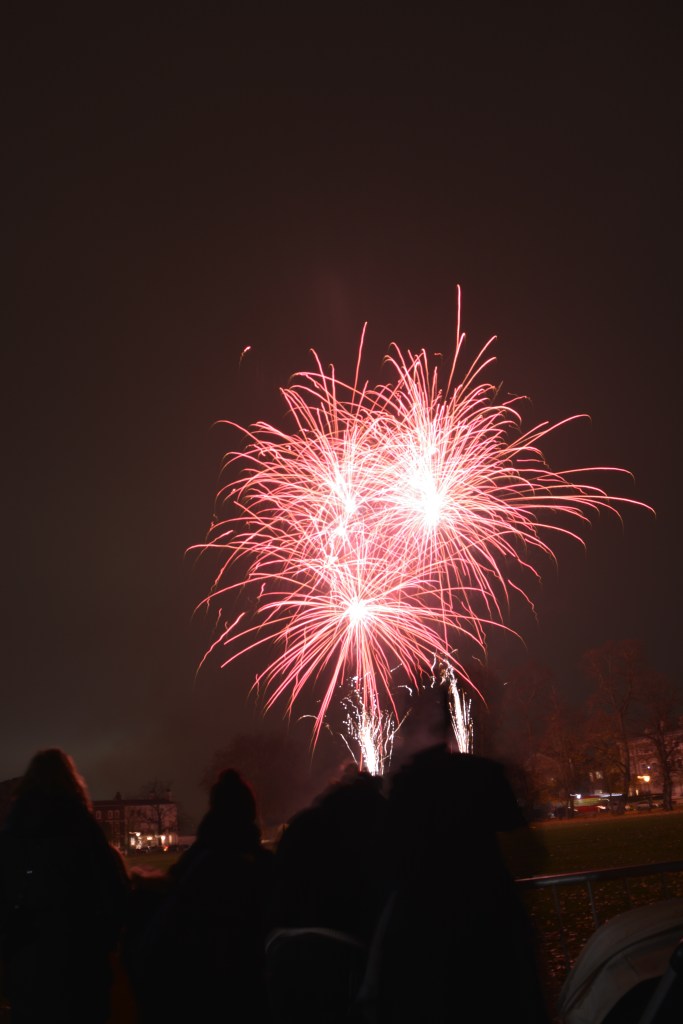
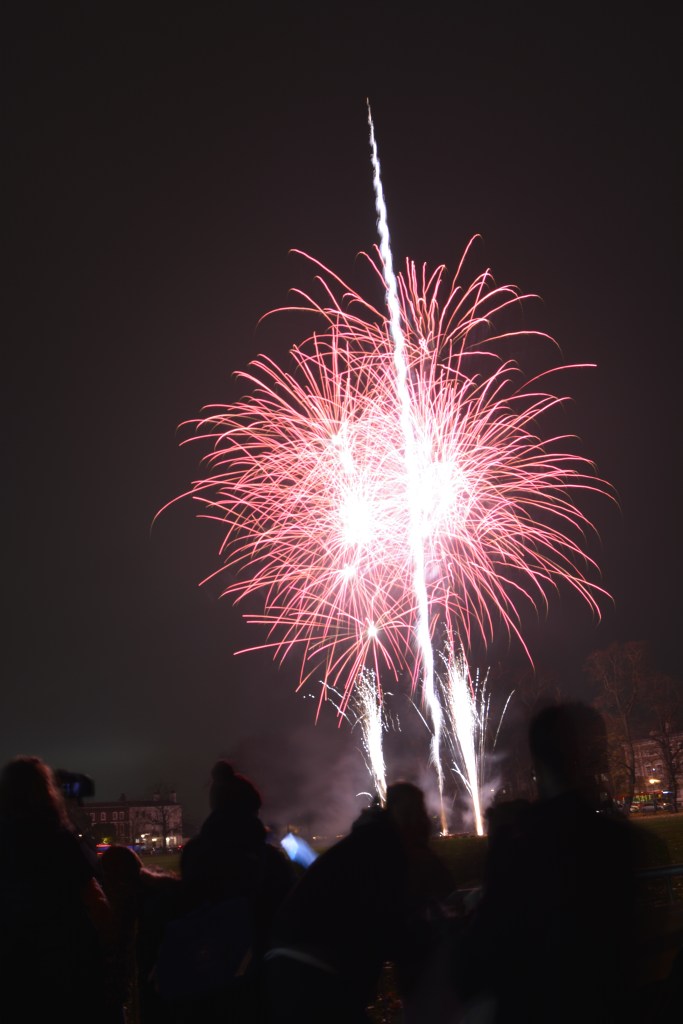
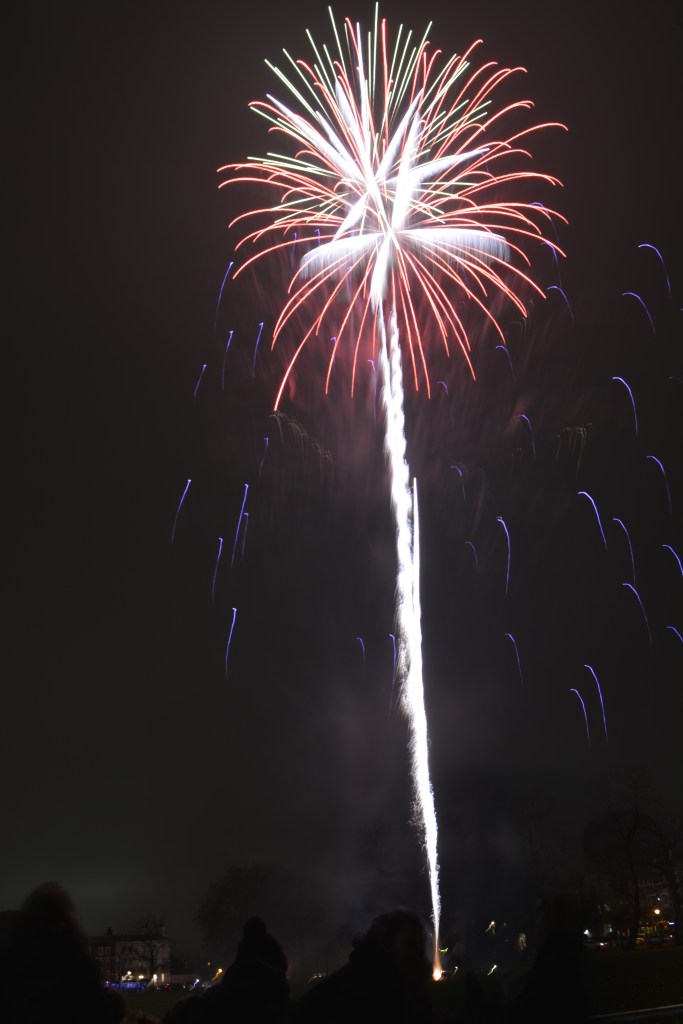
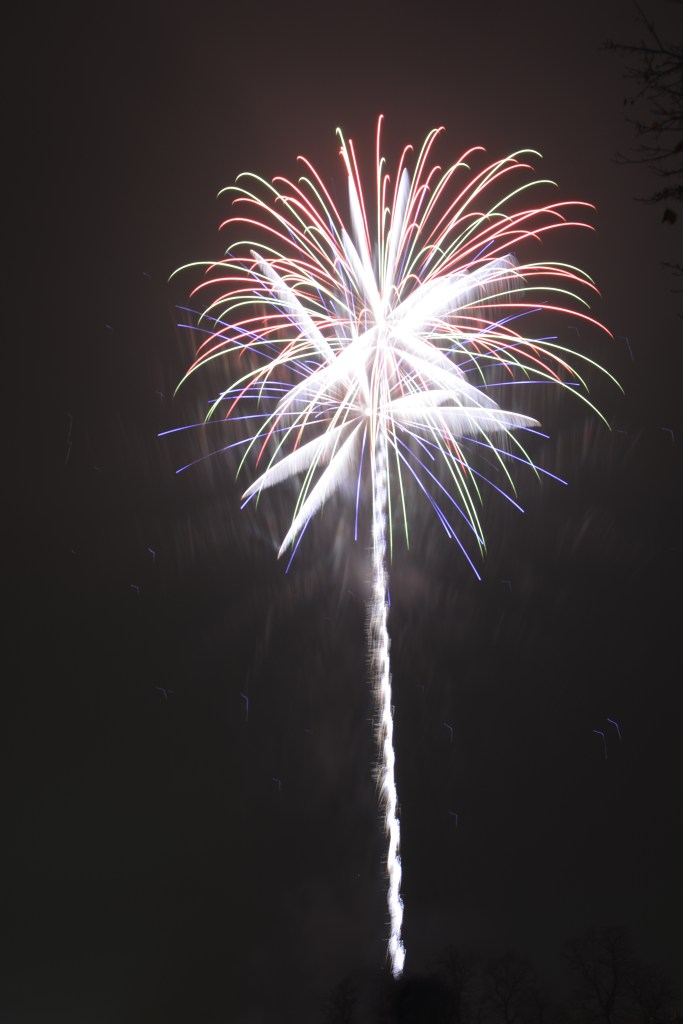
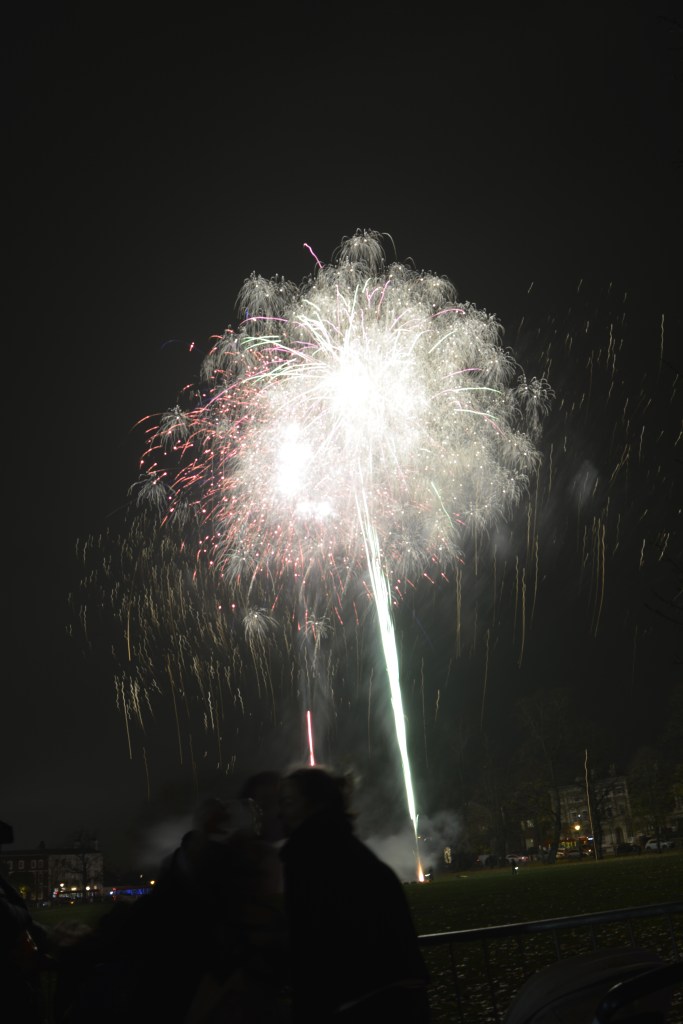
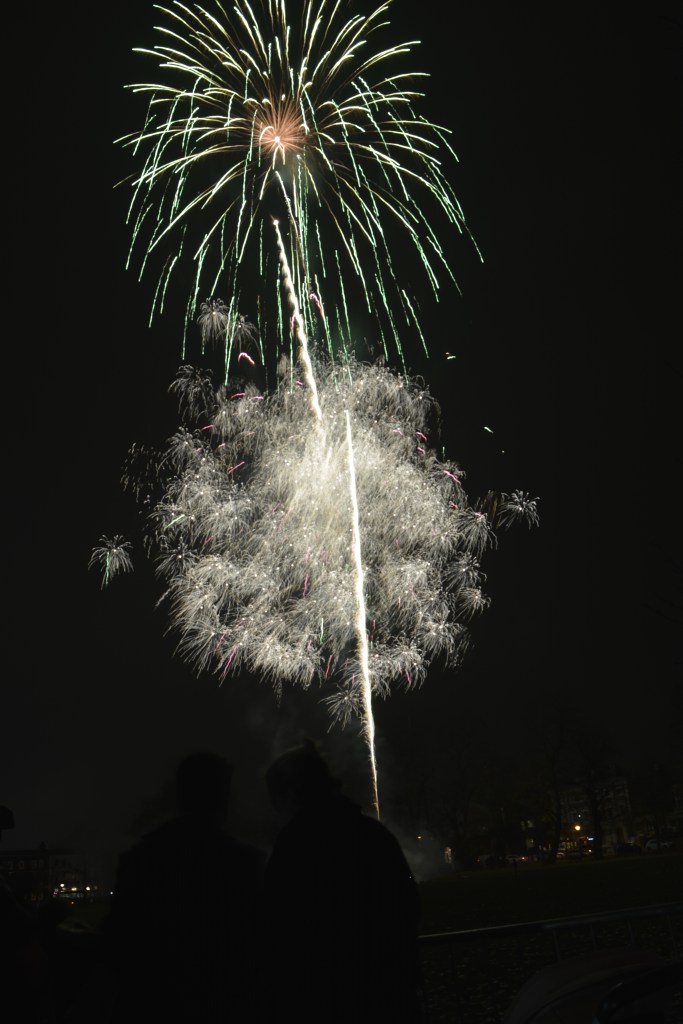
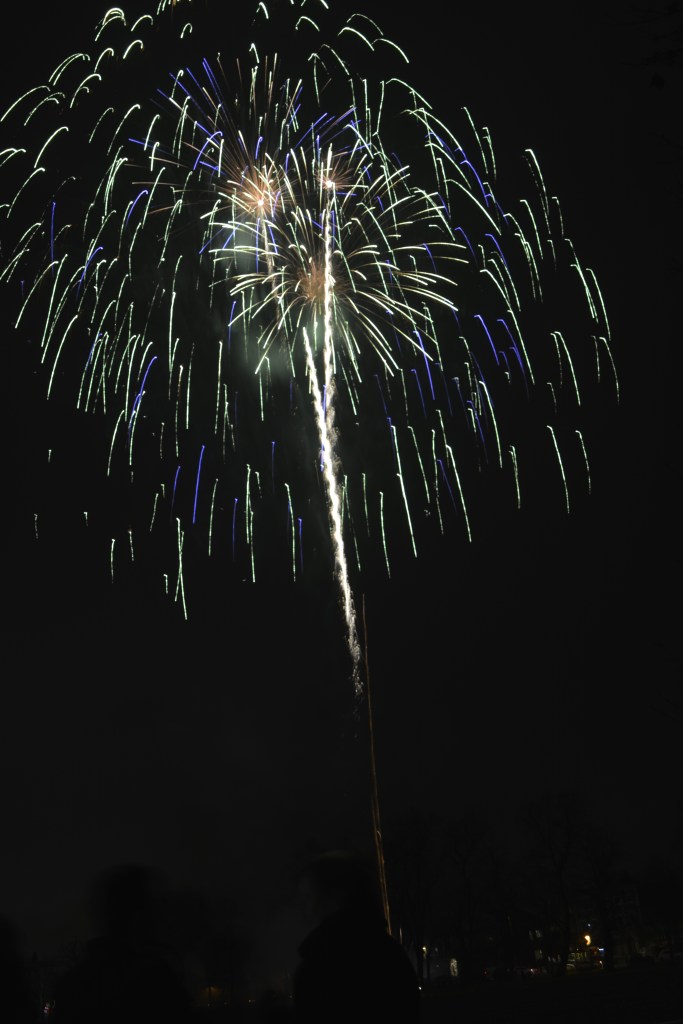
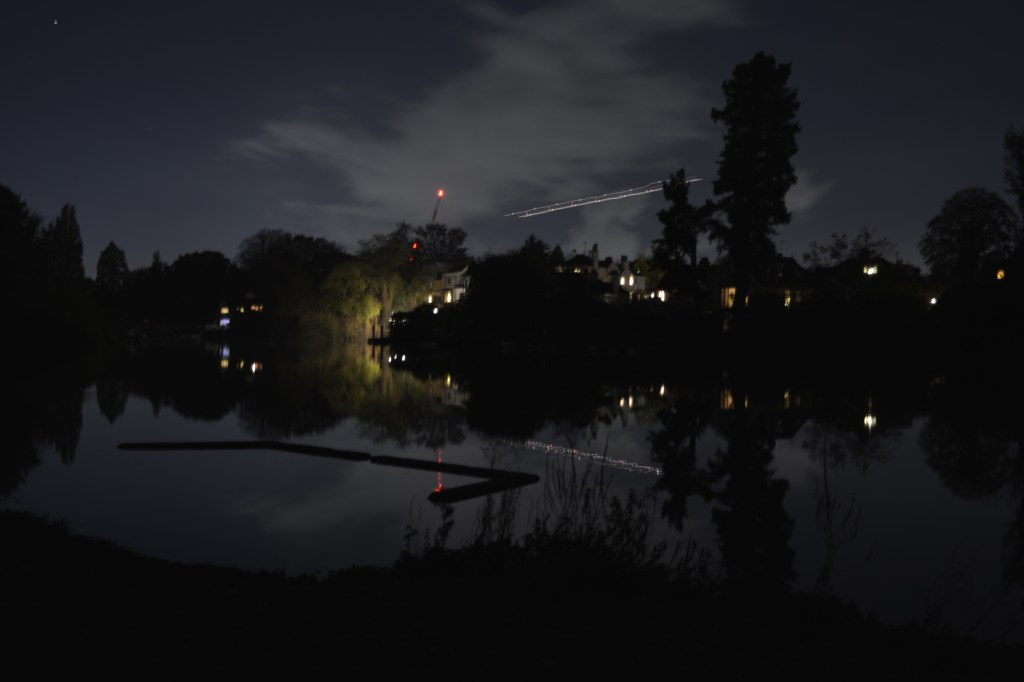
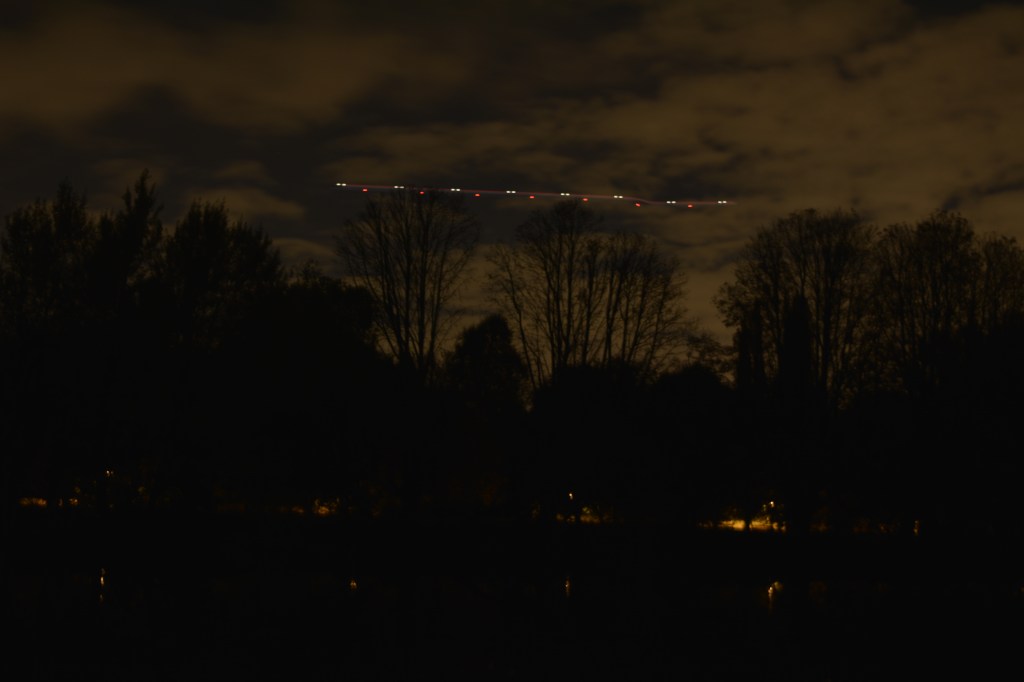
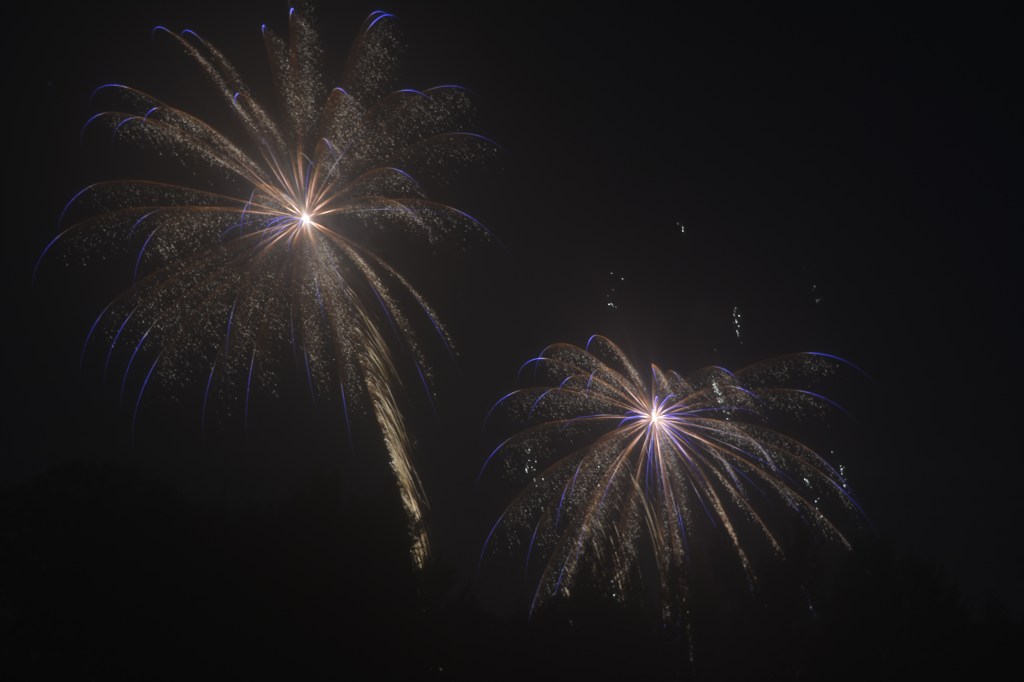
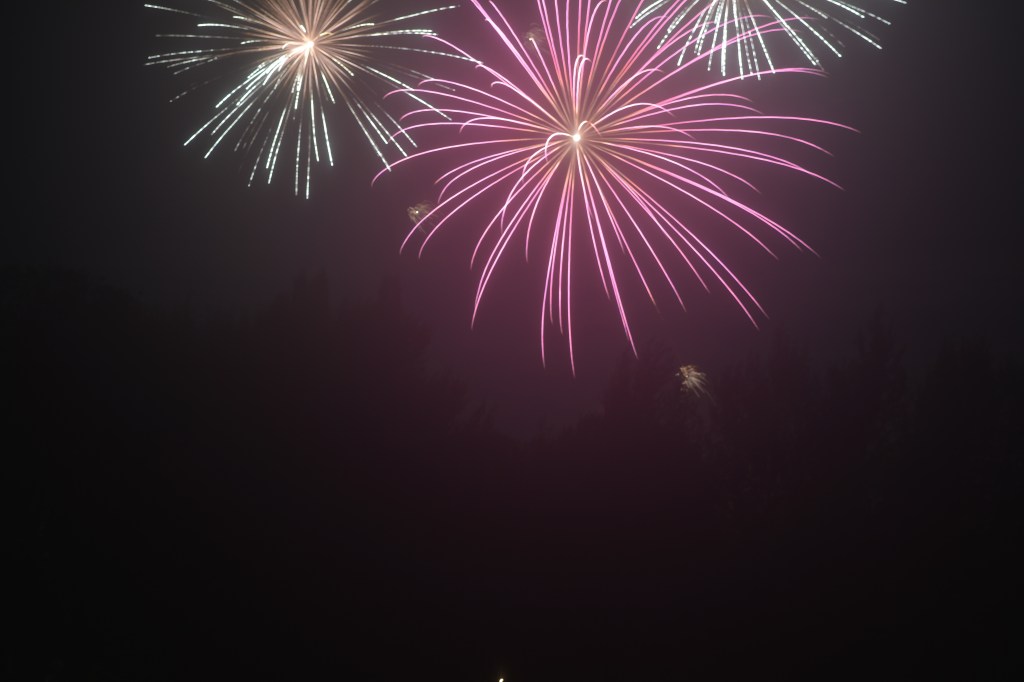
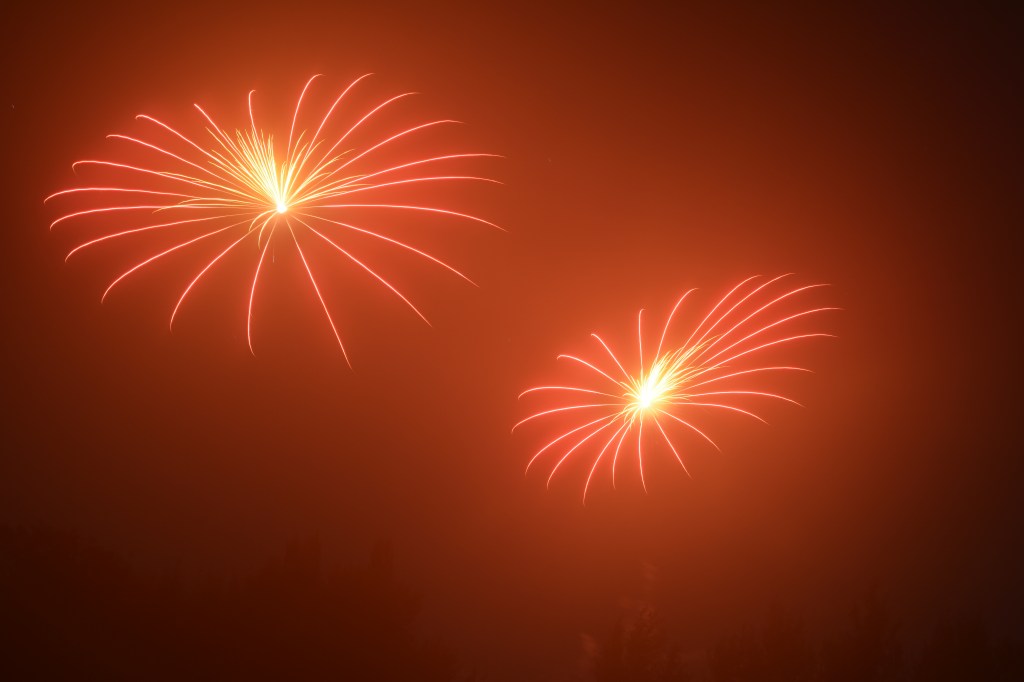
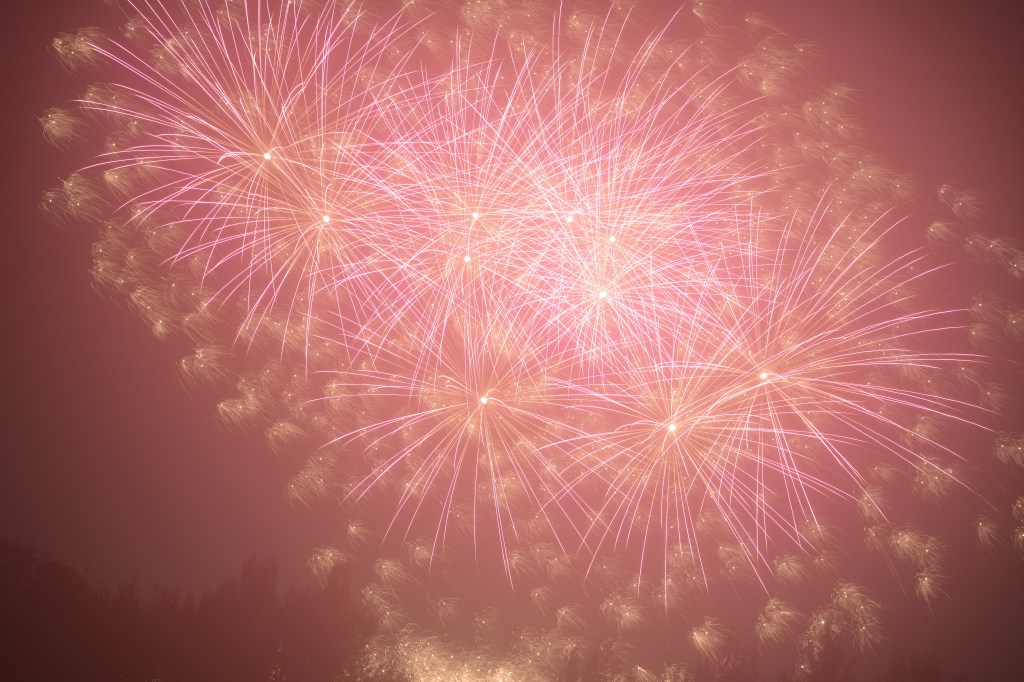
I decided to take the opportunity to try and capture some long exposure shots of fireworks. Richmond Christmas lights were being turned on and a firework display was on Richmond Green. I thought this was probably the last time this year I would be able to try and capture some photographs of fireworks.
3rd November Bonfire night weekend
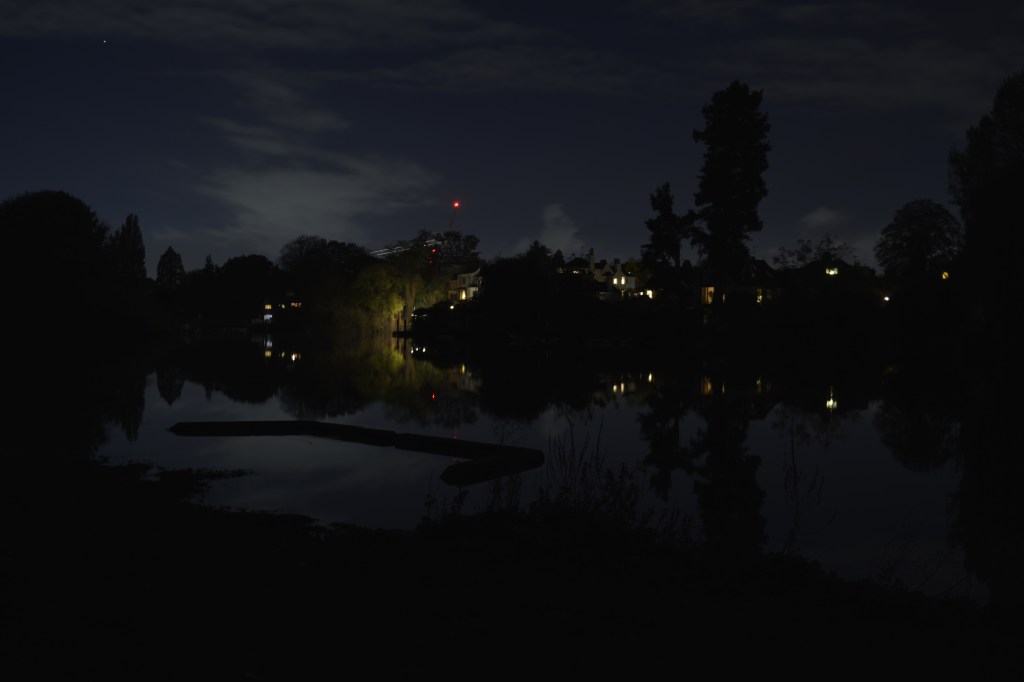
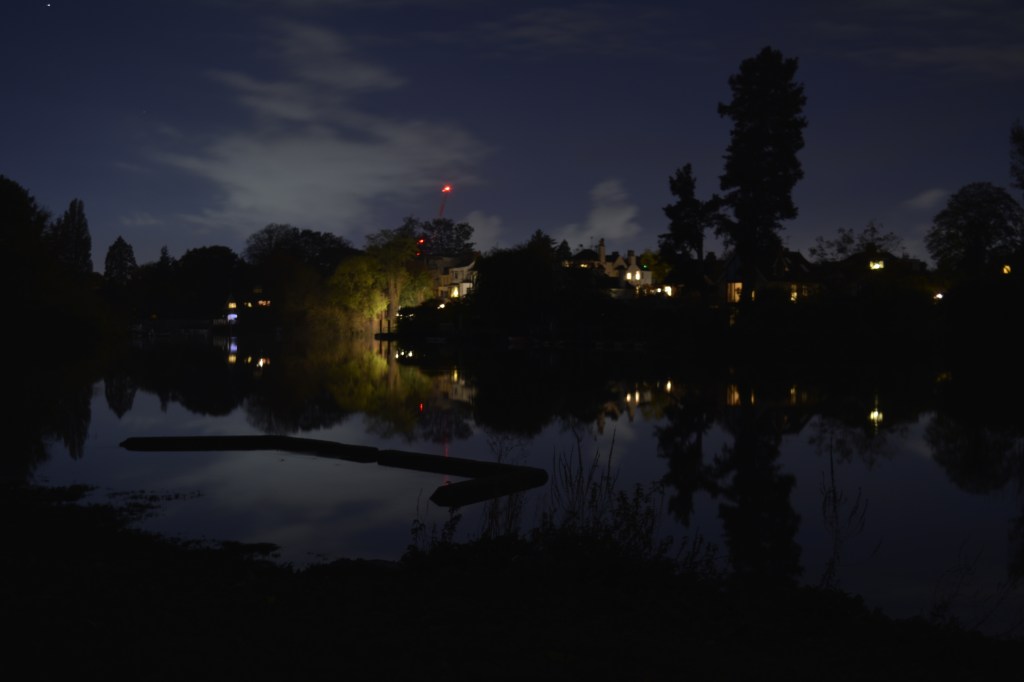
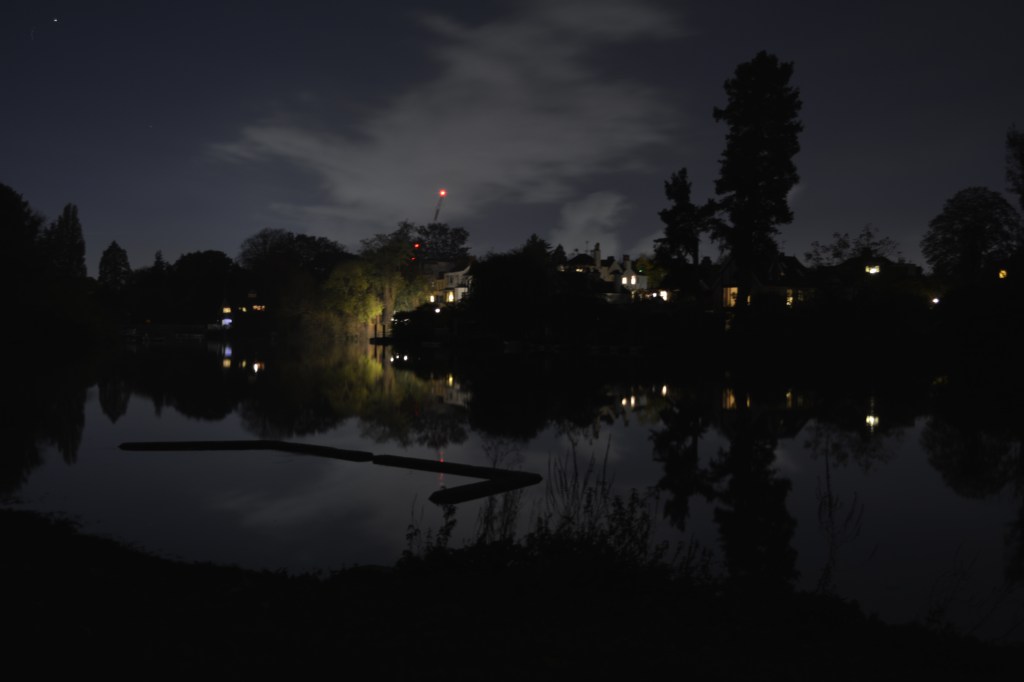
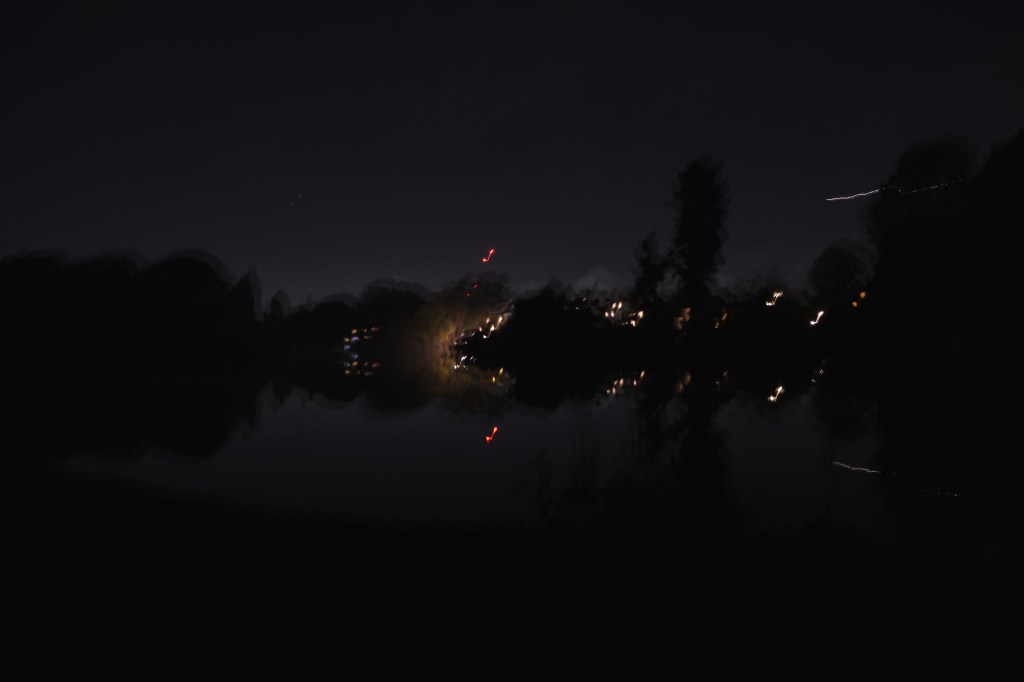
As I was waiting to take some long exposure shots of fireworks along the river I took these shots below. From Ham riverside, the view of The White Swan looked so pretty. The only problem was that as it was dark I couldn’t quite make out if I had the picture in focus. Using auto focus I managed to get the foreground in focus but not so much the pub its self.
Although I was quite far away from the firework display, I think I have captured a couple of interesting shots.



 My Photography Journey